Why Turn-Based Combat Still Has a Place in Modern RPGs
7 December 2025
Let’s face it—turn-based combat in RPGs often gets a bad rap. In an era where fast-paced action and real-time mechanics dominate the gaming scene, the turn-based model might feel like a relic of the past. But is it really outdated? Or is there something uniquely strategic and satisfying about taking your time before launching the perfect attack?
Believe it or not, turn-based combat is far from dead. In fact, it’s thriving in many modern titles, both indie and AAA. So sit back, grab your favorite snack, and let’s dive deep into why turn-based combat still has a solid spot in today’s role-playing games.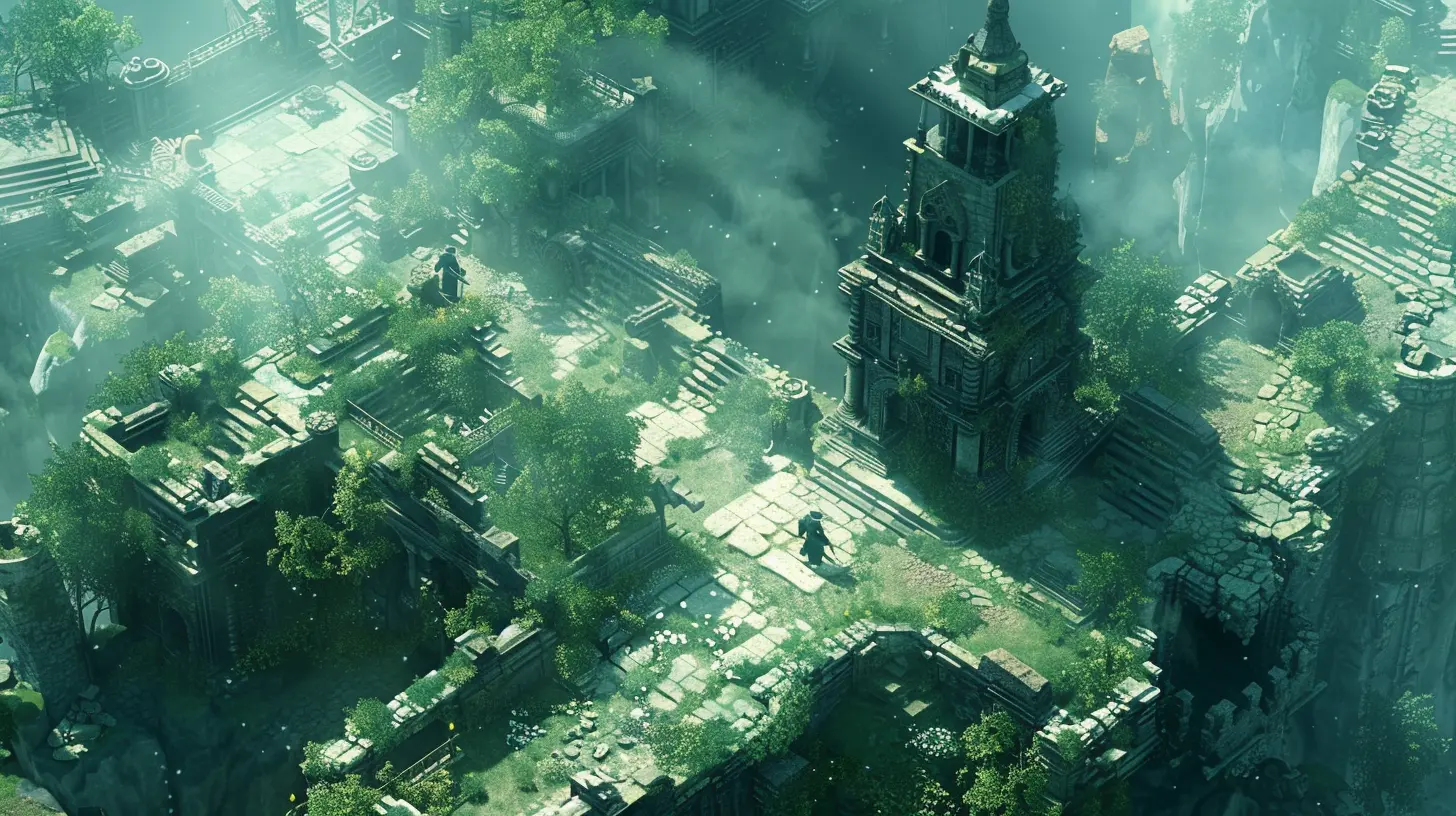
The Charm of Strategy Over Speed
Imagine playing a game of chess where your opponent moves pieces while you're still deciding your next move. Sounds chaotic, right? That’s the fundamental difference between real-time and turn-based systems. Turn-based combat gives you time to think, to strategize, to outwit rather than out-muscle.In action RPGs, the focus is often on reflexes—how fast you can dodge, parry, or counter. Turn-based combat flips this idea completely. It's not about speed; it's about smarts. Think of it as the difference between sprinting and playing poker. Both are intense—just in very different ways.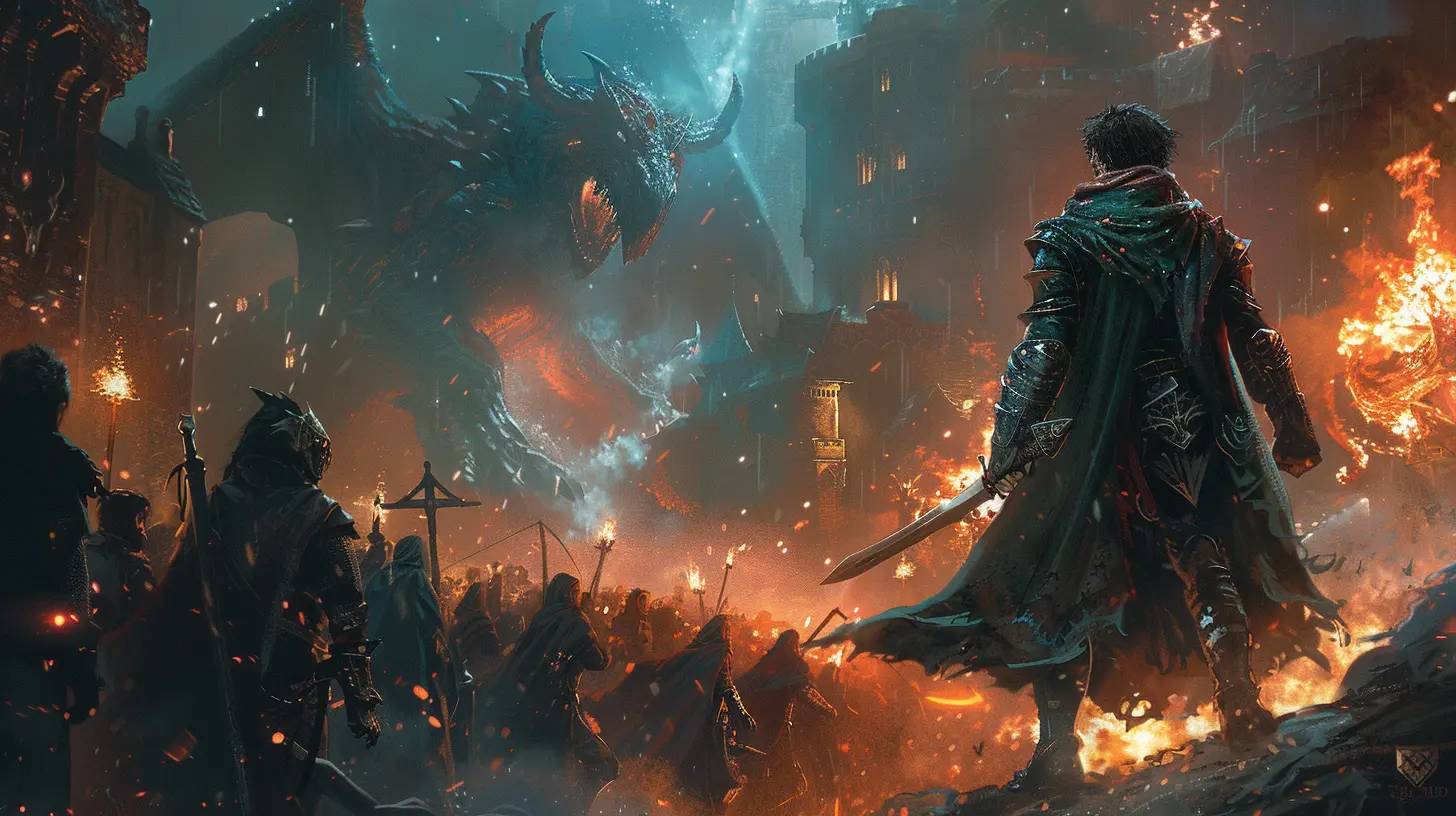
Nostalgia and Tradition: The Roots Run Deep
We can’t talk about turn-based combat without paying homage to its roots. Classic RPGs like Final Fantasy, Chrono Trigger, and Dragon Quest set the groundwork for generations of gamers. For many of us, those games weren’t just play sessions—they were experiences that shaped our love for storytelling and tactical gameplay.These older titles created emotional bonds through deliberate pacing. Every decision mattered: should you heal your mage this turn or risk another fireball to take down the boss quicker? That kind of decision-making leaves a lasting impression. And let’s be honest—there’s a certain comfort in the predictability of turns. It feels familiar, like coming home after a long day.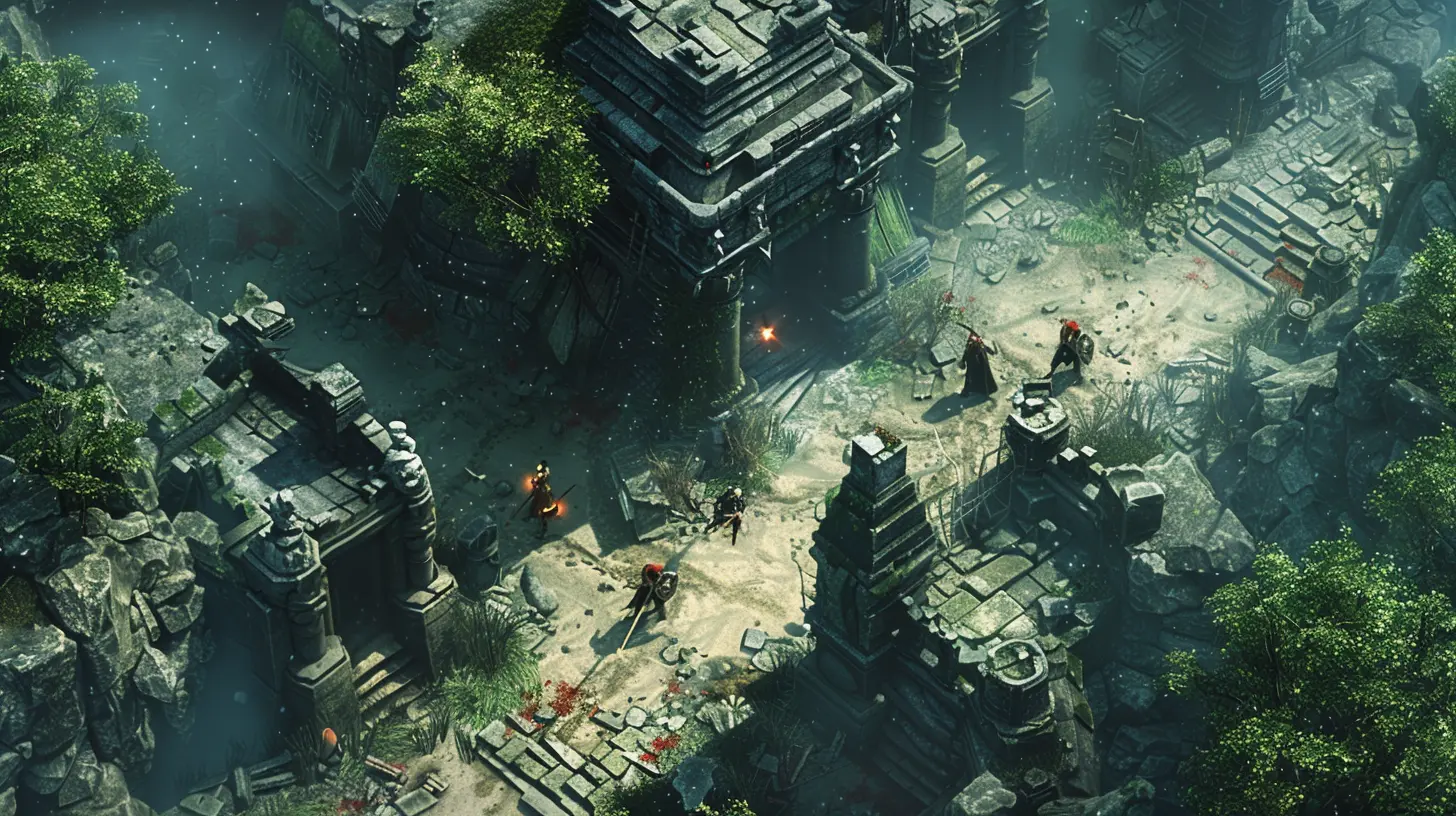
Turn-Based Combat = Deeper Tactical Complexity
Here’s the real kicker—turn-based combat allows for a depth of strategy that real-time systems often struggle to reach. Not only do you get time to consider your party's strengths and weaknesses, but you can also experiment with different tactics without pressure. You’re not stuck mashing buttons and hoping for the best.Got a poison build? Great! Want to stack buffs before going in for a one-hit KO? You can absolutely do that. Everything from resource management to enemy weaknesses becomes a calculated decision rather than a reactive impulse.
Games like Divinity: Original Sin II and Persona 5 showcase how turn-based systems can be complex, layered, and immensely rewarding. These games prove that “slower” combat doesn’t mean boring—it means thoughtful.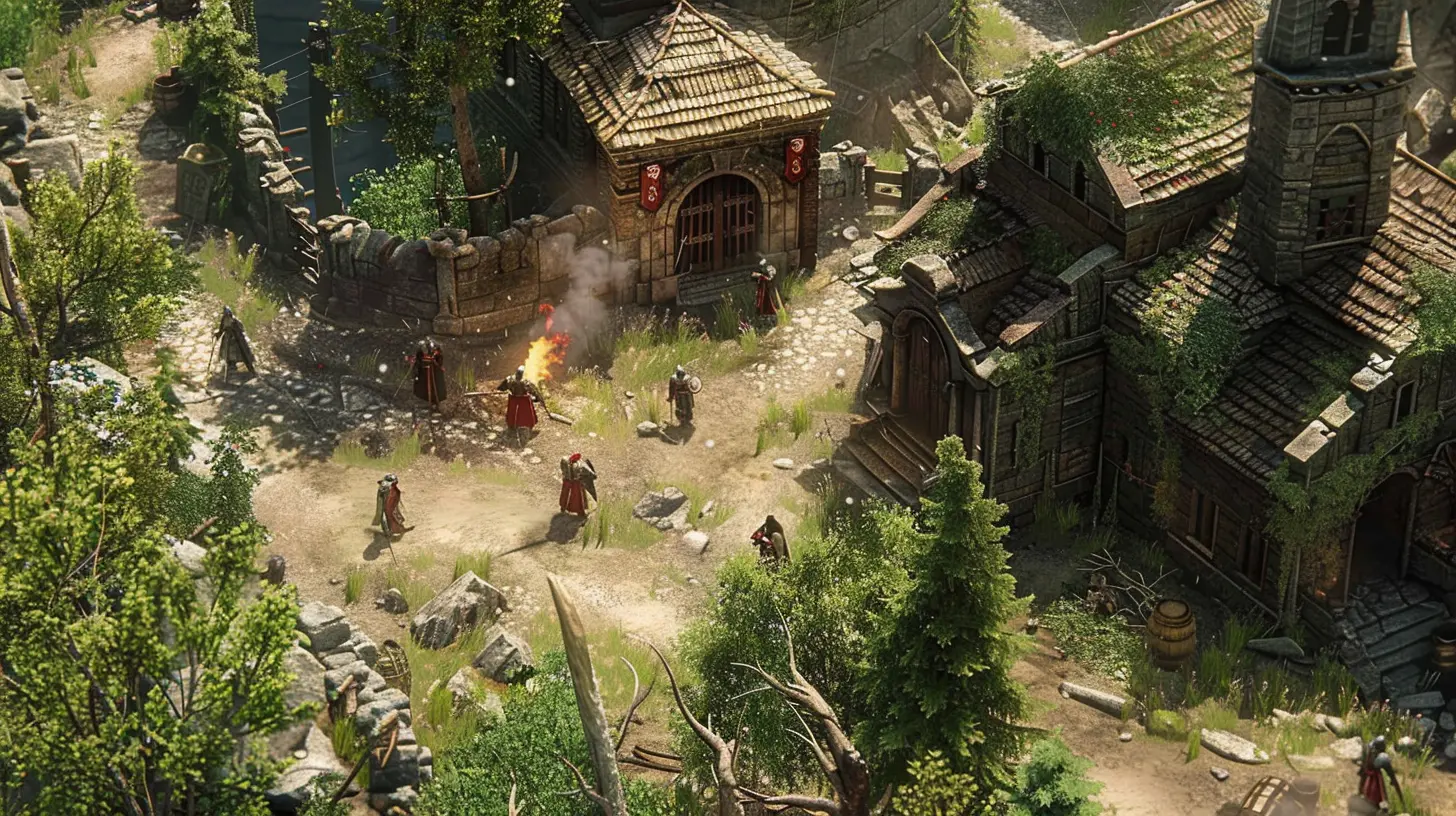
Accessibility and Inclusivity
Ever tried playing a high-action RPG after a long day at work? Sometimes your brain just wants to chill. That’s another place where turn-based combat shines—it caters to a wider range of players.Not everyone has lightning-fast reflexes or loves twitch-based gameplay. Turn-based systems are inherently more accessible, welcoming both casual players and those with physical or cognitive challenges. And guess what? That doesn’t make the games any less engaging. In fact, it opens the door for more people to appreciate the genre.
It’s not just about making games easier—it’s about making them fairer and friendlier to different playstyles and abilities.
Enhanced Storytelling and Atmosphere
Let’s be real—turn-based games often have an edge when it comes to storytelling. Why? Because they slow things down. With the pressure of constant input removed, you can actually soak in the narrative, appreciate the dialogue, and connect with the characters.Take a game like Octopath Traveler. The turn-based battles give breathing room between story beats, letting emotional moments hit harder. You're not zipping past important lines of dialogue because you're too busy dodging fireballs.
Slower pacing means more attention to world-building, richer interactions, and those sweet, sweet character arcs. In a way, it’s like reading a novel instead of watching a movie. You get to marinate in the world being built around you.
Player Agency and Control
Ever get frustrated in action games because things feel out of your control? Like no matter what, some enemies are just too quick or some mechanics too unforgiving?Turn-based combat gives the power back to the player. You get to analyze, plan, and execute on your own terms. You’re not at the mercy of an RNG-based dodge mechanic or a poorly-timed animation. When you win, it’s because your plan worked—not because you got lucky dodging at the right millisecond.
There’s a unique satisfaction in watching a carefully constructed strategy unfold flawlessly. You feel like a mastermind, not just a button-masher.
Evolution, Not Extinction
Let’s clear up a misconception—turn-based combat isn’t stuck in the past. It’s evolving, just like every other game mechanic. Modern turn-based RPGs are blending traditional structures with new ideas.Consider games like Slay the Spire or Darkest Dungeon. These titles reinvent turn-based mechanics with deck-building, roguelike elements, and permanent consequences. Even Pokémon has gradually added layers of strategy without sacrificing its core turn-based foundation.
And let’s not forget hybrid models! Some games combine real-time exploration with turn-based battles or incorporate real-time elements into otherwise turn-based systems. Developers are getting creative, which keeps the format fresh and exciting.
Variety in Gameplay
Turn-based doesn't mean static or repetitive. If anything, it offers lots of room for creative combat design. From environmental interactions to combo chains between characters, there’s endless potential.Games like Fire Emblem or XCOM show how different positioning, terrain, and abilities can massively impact the outcome of battles. You’re not just fighting enemies—you’re solving a constantly shifting puzzle. And every piece matters.
Each encounter becomes a mini-chess match, blending character knowledge and tactical acumen. That level of variety keeps players invested and craving the next challenge.
It Appeals to Thinkers and Tinkerers
Let’s give a shoutout to the brainy gamers out there. If you're the type who loves spreadsheets, build theory, min-maxing, or just optimizing your party layout to perfection, turn-based combat is a dream come true.The format’s slower pace allows for experimentation and customization. Want to try a party of all glass-cannon mages? Go for it. Curious about running a status-effect-heavy team? Nothing’s stopping you.
There’s an undeniable joy in theorycrafting and seeing your strange, possibly risky ideas come alive in combat. It rewards creativity in a way that’s hard to find in more reactive systems.
Community and Modding Potential
One of the coolest things about modern turn-based RPGs? The passionate communities behind them. Turn-based systems are wildly popular in the modding scene because mechanics are easier to deconstruct, balance, and expand.Played through your favorite game for the fifth time? Add a permadeath mod. Want more enemies? A custom challenge mode? You’ll find fan-made content that breathes new life into these games for years after release.
This kind of longevity proves the staying power of the genre. Players stick around, not because of flashy graphics or hype, but because the gameplay loop keeps them thinking—and coming back for more.
Not Every Game Needs To Be an Action Spectacle
Let’s take a step back. Do we really need every RPG to be an open-world, real-time, cinematic experience? Sure, those games are stunning, but they’re not the only valid expression of what gaming can be.Turn-based combat represents a different philosophy. It slows the tempo, puts the focus on decision-making, and values mastery over mechanics. There's beauty in that—and purpose.
The industry needs variety. If every game chased the same flashy trend, we’d lose the rich creative diversity that makes gaming so exciting in the first place.
Closing Thoughts: It’s Not About the Speed, It’s About the Satisfaction
So here’s the bottom line—turn-based combat still has plenty to offer in the modern gaming landscape. It’s not here because of nostalgia alone (though hey, that doesn’t hurt). It’s here because it works. Because it delivers a kind of thoughtful, tactical satisfaction that no other system quite captures.Sure, it’s not for everyone. And that’s okay. But it shouldn’t be dismissed as old-fashioned or irrelevant. If anything, the recent resurgence of turn-based RPGs shows that there’s still a huge appetite for this unique style of play.
So next time someone says, “Turn-based combat is dead,” you can just smile and say, “Not even close.
all images in this post were generated using AI tools
Category:
Rpg GamesAuthor:

Leif Coleman
Discussion
rate this article
3 comments
Elowis Reilly
Great article! Turn-based combat may seem outdated to some, but its strategic depth and emphasis on thoughtful decision-making offer a unique experience that real-time systems often overlook. It allows players to savor each action and engage fully with the story. Let's celebrate this classic style in modern RPGs!
March 29, 2026 at 2:43 PM
Leif Coleman
Thank you for your thoughtful comment! I completely agree—turn-based combat's strategic depth and focus on decision-making truly enrich the RPG experience. It's great to see appreciation for this classic style in modern games!
Celeste Hughes
Great article! You’ve captured the essence of turn-based combat beautifully. It allows for strategic depth and thoughtful decision-making, making it a timeless choice for RPGs that value player engagement. Keep up the good work!
December 25, 2025 at 5:39 PM
Leif Coleman
Thank you so much for your kind words! I'm glad you enjoyed the article and appreciate the strategic aspects of turn-based combat.
Laura Beck
Great article! Turn-based combat offers a strategic depth that enhances player engagement and allows for thoughtful decision-making. It's fantastic to see this timeless mechanic continue to thrive in modern RPGs!
December 12, 2025 at 4:05 AM
Leif Coleman
Thank you for your insightful comment! I’m glad you appreciate the strategic depth that turn-based combat brings to modern RPGs.