Why Unreal Engine Games Dominate the First-Person Genre
24 September 2026
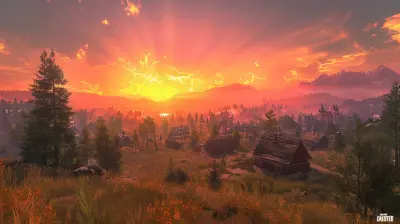
If you've ever played a first-person shooter (FPS) that made your jaw drop because of its insane graphics, fast-paced mechanics, or just how buttery smooth it felt — chances are, it was built on Unreal Engine. From iconic AAA titles to indie gems that punch way above their weight, Unreal Engine has become the go-to backbone for first-person games.
But why Unreal? What makes this engine stand out in the crowded world of game development? Why do developers keep returning to it when crafting immersive, adrenaline-pumping FPS experiences?
Grab your favorite energy drink and let's dive into why Unreal Engine games dominate the first-person genre.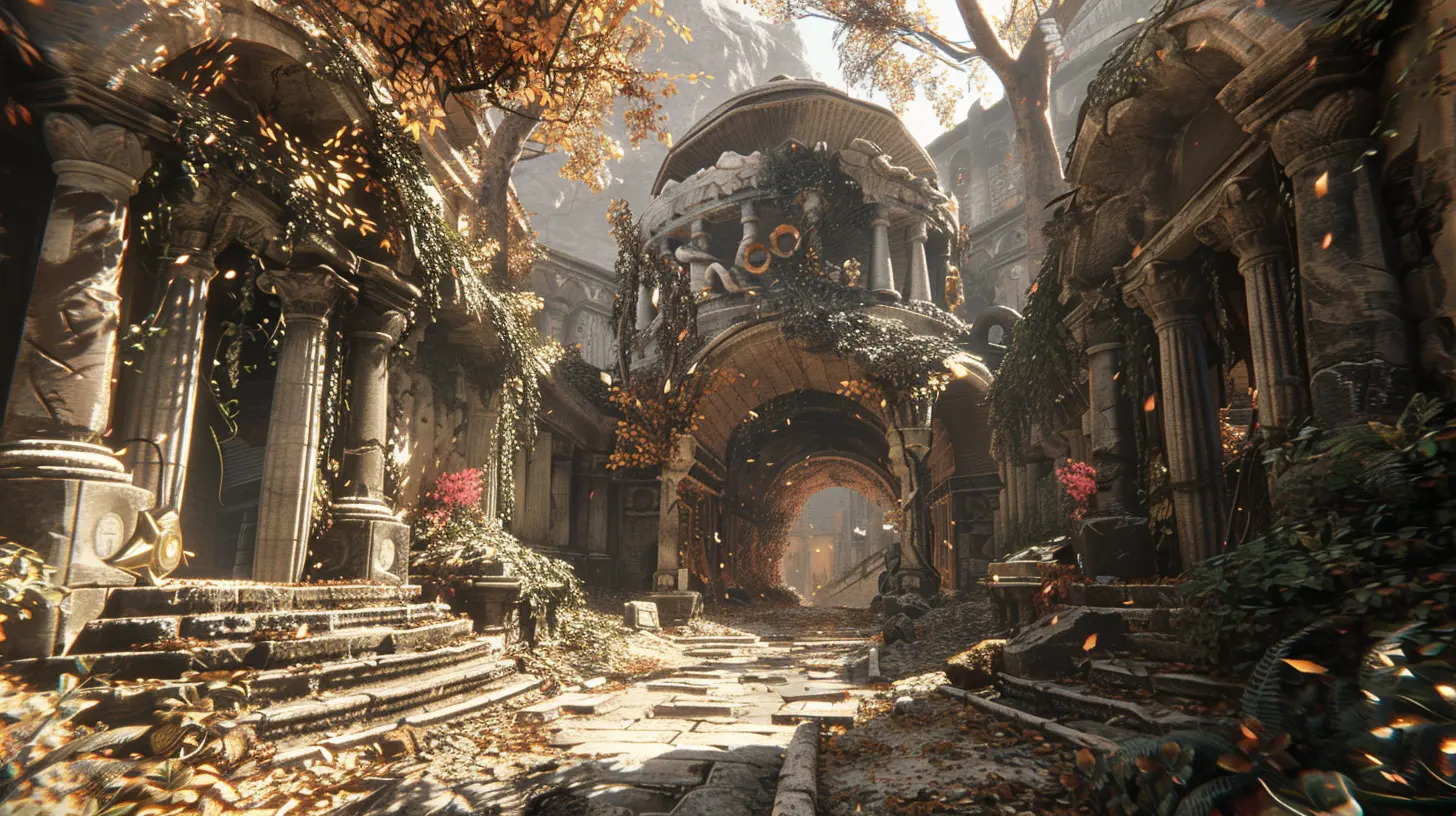
Unreal Engine: The Powerhouse Behind First-Person Experiences
Let’s start with the basics. Unreal Engine, developed by Epic Games, has been around since 1998. That’s older than some of the legendary shooters we all grew up with (looking at you, Counter-Strike). Over the years, it’s evolved like a Pokémon—growing more powerful, more beautiful, and more versatile with each new iteration.Unreal Engine 5 Upped the Game
When Unreal Engine 5 dropped, it felt like the future landed in our laps. With features like Nanite (crazy detailed geometry streaming) and Lumen (dynamic global lighting), developers could finally create worlds that looked almost indistinguishable from reality.Imagine walking through a ruined city at golden hour—all the light bouncing naturally off broken glass and debris—and every texture sharper than your morning coffee. That’s not just eye candy; it creates emotion and immersion. And in first-person games, immersion is everything.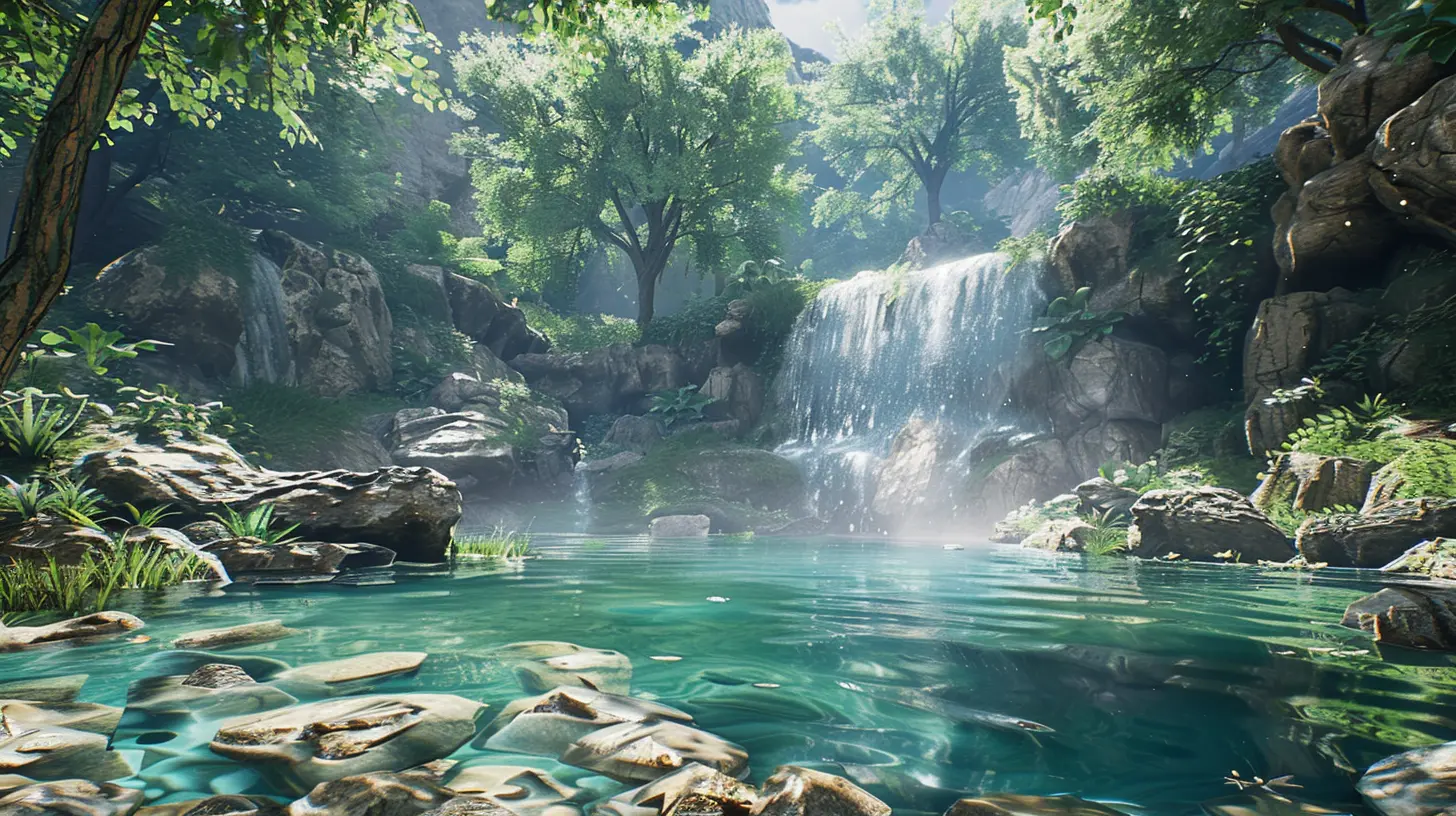
Visual Fidelity That Grabs You by the Eyeballs
Let’s be real—first impressions matter. In first-person games, your view is literally locked inside the character’s head. If the environment doesn’t look convincing, the whole illusion falls apart.Stunning Graphics, Minimal Pain
Unreal’s rendering capabilities are top-notch. Whether it’s gritty realism like in Metro Exodus or stylized environments like in Fortnite (yeah, it’s not just a battle royale), the engine handles it like a champ. Developers don’t just get pretty pixels—they get optimized performance too.And thanks to Unreal’s out-of-the-box tools, devs don’t need a massive team of artists and programmers to achieve Hollywood-level visuals. Even smaller teams can punch well above their weight.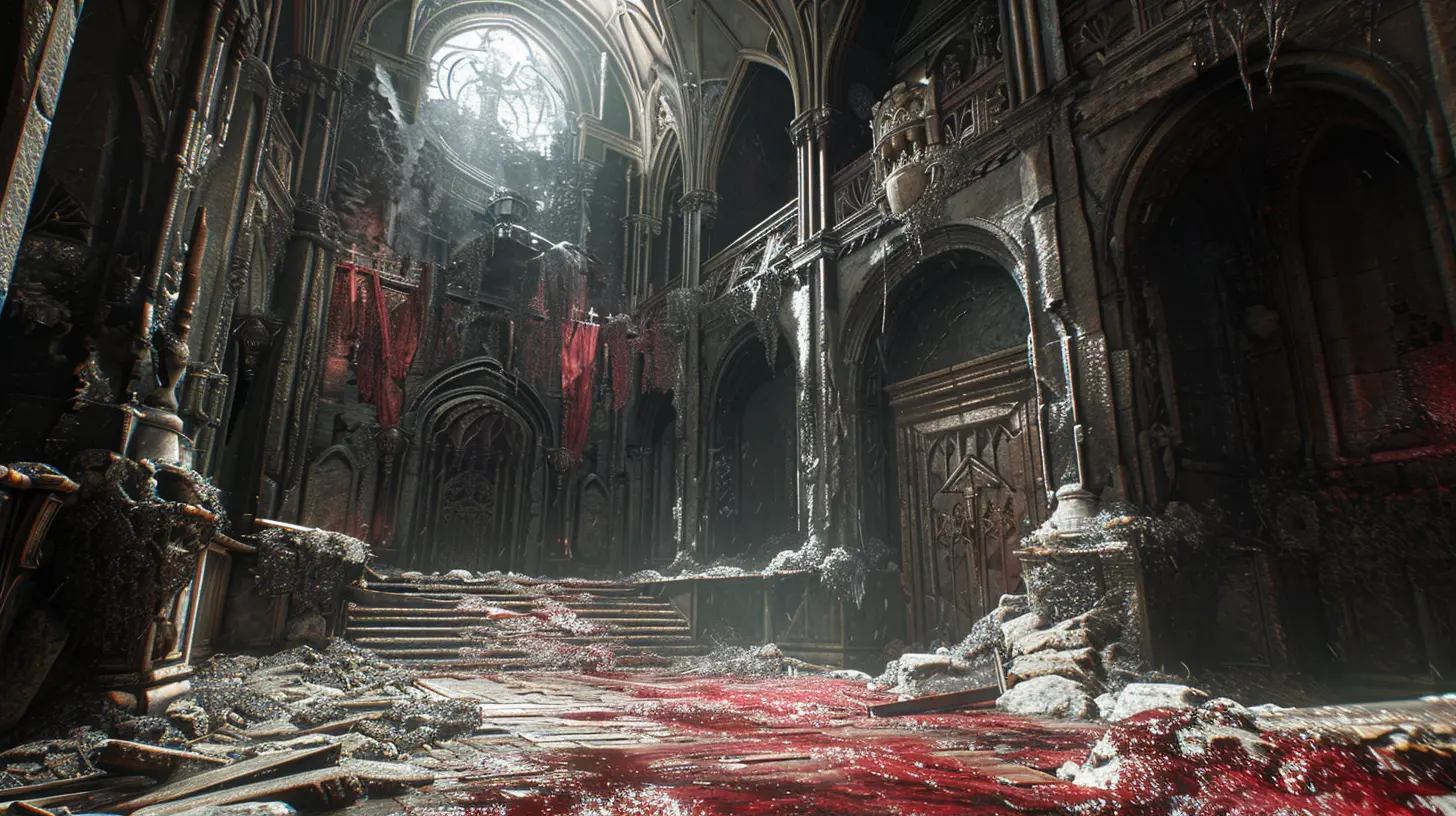
Blueprint System = Dev Magic
Okay, not everyone is a coding wizard. That’s where Unreal’s Blueprint system swoops in like a superhero. It’s a visual scripting system that lets developers build gameplay features without writing a single line of code.Complex Mechanics, Simplified
Want to create a dynamic day-night cycle? Want enemies to react to player noise? Want to add a slow-motion bullet dodge effect like in "F.E.A.R."? Blueprint makes that doable without diving into a wall of C++ code.For first-person games, which often involve intricate mechanics—gunplay, AI behavior, level triggers—this system saves devs countless hours. And less time troubleshooting means more time polishing.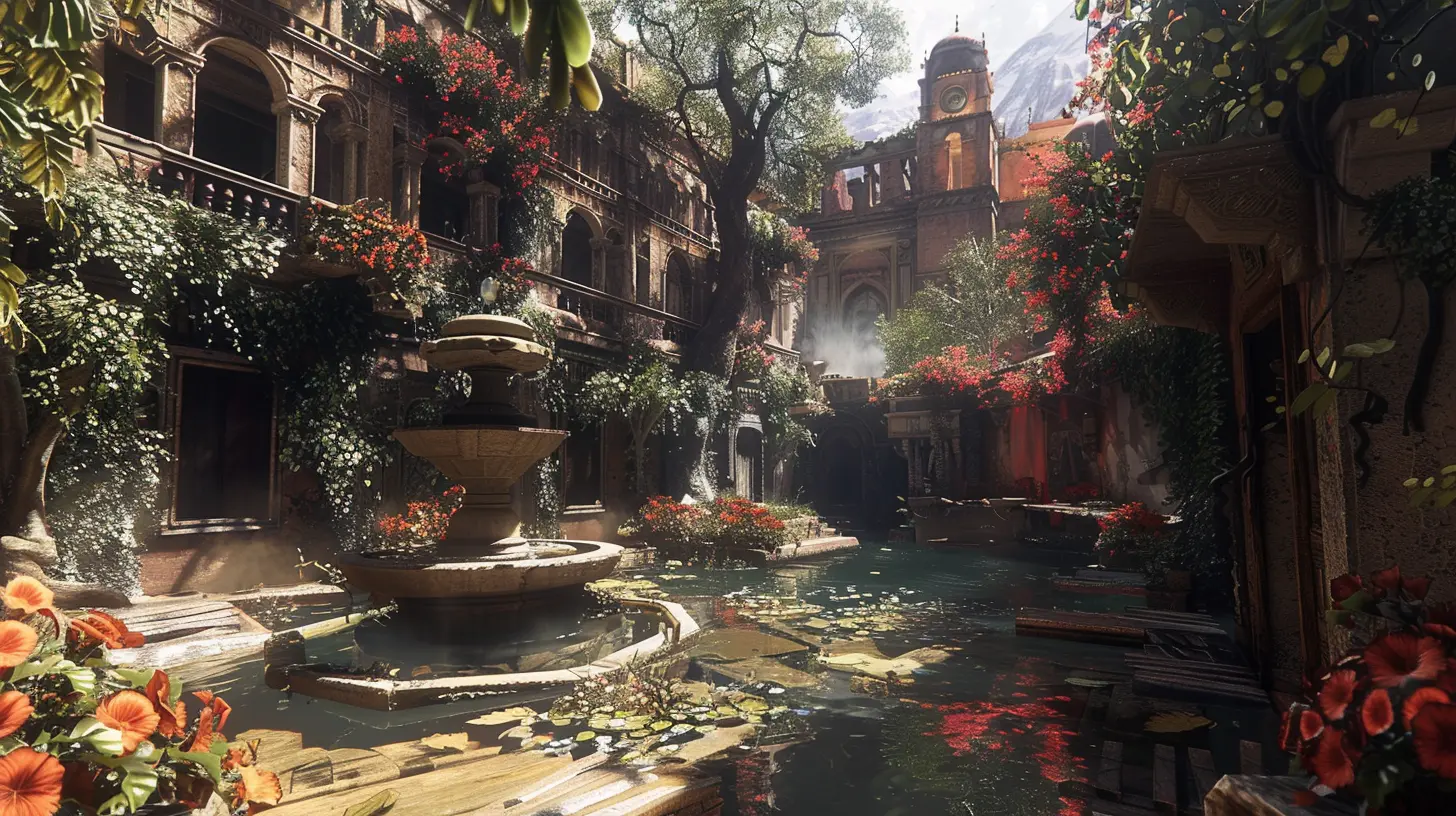
Aiming to Please: Unreal’s Superior Physics and Shooting Mechanics
No FPS feels right if the physics are off. You know what I’m talking about — you shoot and the gun sounds like a water pistol, or projectiles move like they’re wading through molasses.Unreal Delivers Impact and Feedback
Thanks to Unreal’s physics engine and sound design flexibility, developers can create combat that feels crunchy and satisfying. Guns bark with authority. Bullets impact with weight. Enemies react believably when hit. Even the way light flares from muzzle flashes adds to the moment-to-moment thrill.Games like “Escape from Tarkov” and “Squad” use Unreal to create near-militaristic authenticity, while others like “Robo Recall” go all out with arcade-style action. Either way, Unreal handles both ends of the spectrum.
Massive Community + Plugin Support = Infinite Possibilities
You’ve probably heard the phrase “standing on the shoulders of giants.” That’s very much the case with Unreal.A Community That’s Always Creating
Unreal has one of the biggest dev communities out there. Tools, tutorials, assets, and plugins are just a Google search away. Need a VR-ready first-person controller? Someone’s already made it. Need procedural level generation? Yep, that too.This massive ecosystem empowers both novice and pro developers to push the boundaries of what an FPS can be. It’s like having a giant Lego collection—you just have to decide what to build.
Flexibility Across Platforms
Here's the deal—gamers are playing on everything from RTX-powered PCs to handheld devices and everything in between. Unreal gets that.Build Once, Play Everywhere
Unreal Engine supports cross-platform development out of the box. That means developers can build their FPS game and deploy it to PC, PlayStation, Xbox, Nintendo Switch, Android, iOS, and even VR platforms with minimal rework.For first-person shooters, where reaction time and controls are critical, this kind of consistent experience across platforms is huge. It ensures players are getting the best version of the game, no matter where they play it.
Unreal and VR: A Match Made in Headset Heaven
You can’t talk about first-person without mentioning virtual reality. And guess what? Unreal’s already ahead of the curve here too.Immersion to the Max
Unreal Engine provides top-tier VR support with high frame rates and spatial audio. It can simulate the weight of a weapon in your hands or make you physically duck behind cover. First-person VR shooters made in Unreal feel intense, visceral, and incredibly immersive.Titles like “Robo Recall” (built by Epic Games themselves) or “Half-Life: Alyx” (which took a slightly different path with Source, but worth mentioning) set the bar for what’s possible in VR FPS, and Unreal is keeping pace fast.
The History: A Proven Track Record
Let’s rewind the tape a bit. Unreal Engine has built a reputation over decades for producing some of the best FPS titles in gaming history.From Unreal Tournament to Today
Unreal Tournament was one of the early pioneers of arena-style shooting. It laid the foundation for fast-paced, competitive FPS games. Later, games like “Bioshock Infinite,” “Borderlands,” “PUBG,” and “Tom Clancy’s Rainbow Six Extraction” all leaned on Unreal to bring their distinct styles to life.When a developer wants both dependability and innovation, Unreal is the obvious choice.
Cost Efficiency: Free to Start, Scales with Success
Financially, Unreal makes a lot of sense—especially for indies. The engine is free to use until your game hits a certain revenue cap. After that, there’s a royalty model that kicks in. Sounds fair, right?Indie to AAA, Everyone Wins
This pricing model lowers the barrier to entry significantly. Creators can test, prototype, and even release commercial FPS games without a huge upfront investment.Compare that to building your own engine or licensing something proprietary. Unreal’s model lets creativity bloom first—which is exactly why we see so many unique FPS ideas coming out of small teams using it.
Developer-Friendly Tools = Faster Workflow
Time is money in game development. Delays can sink projects, especially in the competitive world of first-person games.Time-Saving Features Built In
Unreal’s level editor, animation tools, cinematic editor (Sequencer), and visual debugging systems all work together seamlessly. Developers can iterate faster, test ideas in real-time, and make adjustments with minimal downtime.This agility is gold when polishing things like recoil, aiming mechanics, or NPC behavior—vital details that make or break an FPS experience.
Real-World Examples: Unreal’s FPS A-List
Need proof of Unreal’s domination in the first-person world? Here are some heavy hitters:- Valorant (Early Prototype) – Riot Games used Unreal in early versions before migrating.
- PUBG: Battlegrounds – Started with a small team, went global.
- Bioshock Infinite – Gorgeous, immersive FPS storytelling.
- Squad – Hardcore tactical FPS realism.
- Escape from Tarkov – High tension, deep systems.
- Robo Recall – VR FPS masterpiece.
Each of these games took a wildly different approach to the genre. The thing they share? Unreal made it all possible.
Final Thoughts: Unreal Is Simply Built Different
Let’s call a spade a spade. Unreal Engine is dominating the first-person genre because it brings the whole package—eye-melting visuals, streamlined dev tools, insane flexibility, and a history of heavy-hitter success.Whether you're a solo dev crafting your dream shooter in a basement or a AAA studio gunning for Game of the Year, Unreal gives you the tools to make it happen.
So, next time you load up a first-person game and feel like you're actually inside that desperate firefight or eerie abandoned factory—just remember, Unreal probably made that moment happen.
all images in this post were generated using AI tools
Category:
Unreal Engine GamesAuthor:

Leif Coleman