Are Prebuilt Gaming PCs Worth It? A Hands-On Evaluation
6 March 2026
If you’ve ever found yourself strolling through a tech store or aimlessly scrolling online retailers, you’ve probably come across prebuilt gaming PCs and thought: “Are these things worth the price tag?” It’s a fair question. With the rise of PC gaming, prebuilt PCs have become more common than ever, promising plug-and-play convenience at a range of prices. But are prebuilt gaming PCs really worth it, or are they just a shortcut that sacrifices value and performance?
Let’s break it down step-by-step to figure out whether prebuilt gaming PCs deserve a spot on your desk—or if you’re better off diving headfirst into the world of custom-built PCs. 
What Is a Prebuilt Gaming PC?
Before we get too deep, let’s first understand what we’re talking about here. A prebuilt gaming PC is exactly what it sounds like—a computer that’s been assembled and sold by a manufacturer or retailer. Companies like Dell’s Alienware, HP Omen, and Corsair are just a few of the major players in this space.Unlike building your own rig from scratch, where you pick every component (CPU, GPU, RAM, storage, etc.), prebuilt machines come pre-assembled with pre-selected parts. They often include additional perks like warranties, tech support, and—most importantly—zero need for assembly. Just unpack the box, plug it in, and you’re ready to game. Sounds pretty sweet, right? Well, let’s not get ahead of ourselves. 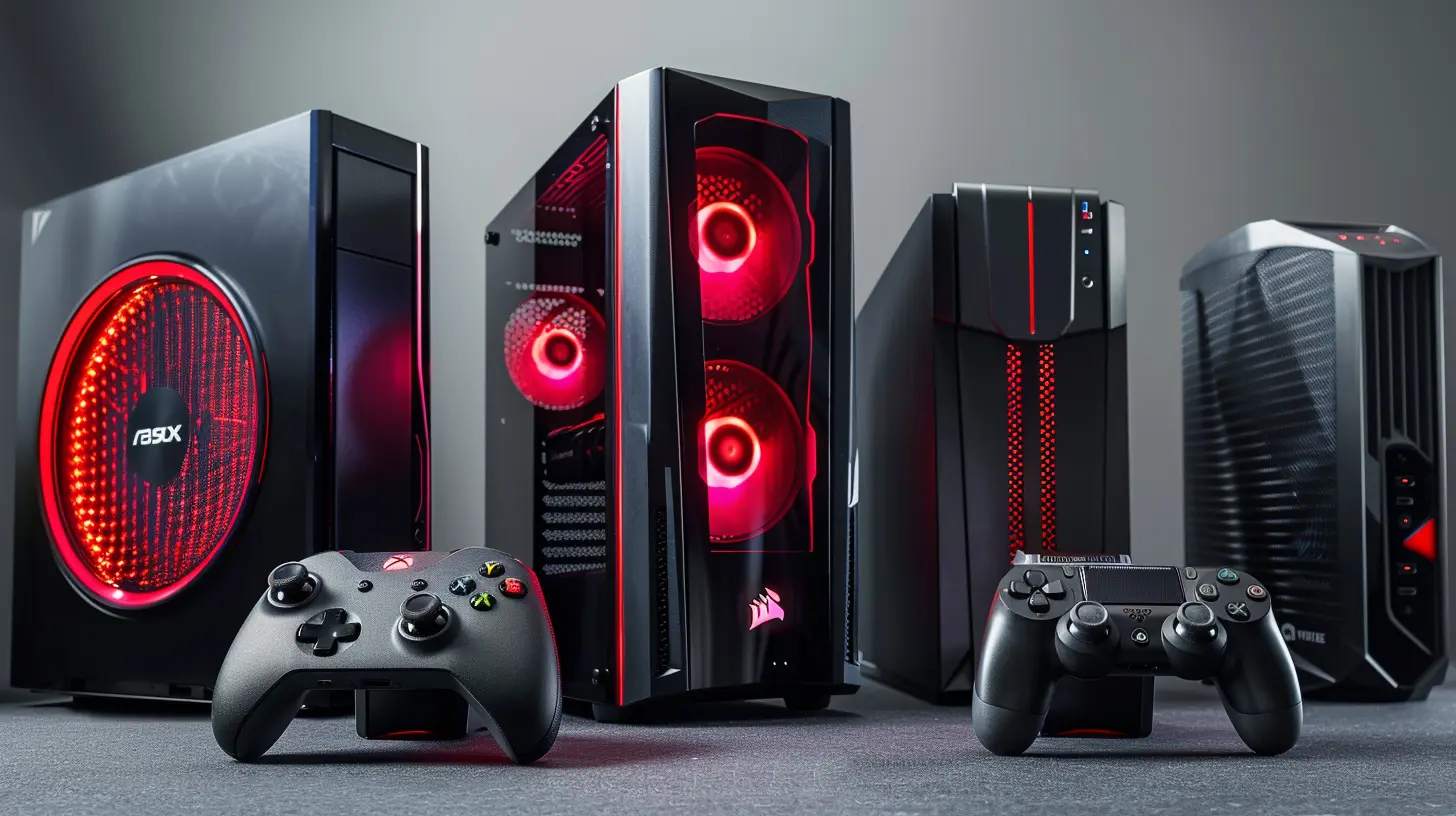
Pros of Buying a Prebuilt Gaming PC
Okay, so why would you even want a prebuilt gaming PC in the first place? Let’s look at some of its advantages.1. Convenience
Building a PC from scratch sounds cool until you’re sitting in front of a pile of screws and thermal paste, wondering if you’ve voided your warranty before the thing even turns on. That’s where prebuilt systems shine. When you buy one, you skip the hours of research, assembly, and troubleshooting. Everything comes pre-installed and ready to go.Think about it—do you really want to spend a whole weekend tinkering with hardware, or would you rather be gaming immediately? If patience isn’t your strong suit, prebuilt PCs are a lifesaver.
2. No Technical Know-How Required
Ever hear someone complain about bending the pins on their CPU or installing the RAM backward? Yeah, it happens. Building your own PC can be a slightly nerve-wracking process, especially if you’re not tech-savvy.With a prebuilt system, you don’t need to know the difference between a SATA cable and a PCIe slot (pro tip: they’re not even remotely the same). It’s perfect for beginners or casual gamers who just want something that works.
3. Warranty and Support
Here’s a kicker: if something goes wrong with your prebuilt gaming PC, you’ve got manufacturer support to back you up. Most prebuilt systems come with warranties for the entire machine, plus customer service to help troubleshoot issues.If you’re building your own PC, you’re on your own—and good luck trying to convince each individual component manufacturer to send you a replacement part.
4. Financing Options
Many manufacturers and retailers offer financing plans on prebuilt PCs, making it easier to get your hands on a high-powered machine without dropping a ton of cash upfront. For those on a budget, this can be a big deal.
Cons of Buying a Prebuilt Gaming PC
Of course, prebuilt systems aren’t perfect. In fact, there are some glaring issues that may leave you scratching your head.1. Higher Price Tag
Let’s not sugarcoat it. Prebuilt gaming PCs tend to be more expensive than building your own rig. Part of this is because you’re paying for the labor involved in assembling these machines, plus the convenience factor.Want an example? You could buy all the components for a custom PC and save anywhere from 15% to 30% of the total cost compared to a prebuilt model with similar specs. That’s money you could spend on a better GPU, a nicer monitor, or even—dare I say—more games.
2. Limited Customization
Here’s the thing: prebuilt PCs are assembled with specific parts that manufacturers have chosen, and these parts aren’t always the best. You may find that a prebuilt system has a powerful CPU and GPU but a lackluster power supply or a motherboard that’s missing key features.What if you want to upgrade in the future? Some prebuilt machines use proprietary parts that are tough (or impossible) to replace. Custom-built PCs, on the other hand, let you upgrade freely, ensuring your rig stays future-proof.
3. Bloatware
If you’ve ever owned a prebuilt desktop or laptop, you know the pain of bloatware—preinstalled programs you didn’t ask for and probably don’t need.Manufacturers often load prebuilt PCs with unnecessary software that takes up storage space and can even impact performance. While you can uninstall most of it, it’s still a headache you wouldn’t face with a custom build.
4. Potential for Poor Value Components
Not all prebuilt PCs are created equal. Some manufacturers cut corners by using low-quality components like budget motherboards, slow storage drives, or outdated cooling solutions. It’s not always easy to know exactly what you’re getting unless you really dig into the specs—and even then, it’s not guaranteed that everything will be top-notch.
Are Prebuilt Gaming PCs Right for You?
Ultimately, whether a prebuilt gaming PC is worth it depends on your preferences, budget, and level of tech know-how.Who Should Buy a Prebuilt Gaming PC?
- First-Time PC Gamers: If you’re new to PC gaming and don’t feel comfortable building a rig from scratch, a prebuilt system is a solid entry point.- Time-Strapped Gamers: Don’t have the time to research and assemble your own PC? Prebuilts get you gaming faster.
- Budget-Conscious Gamers: Some budget prebuilt PCs are surprisingly competitive in price when compared to building your own mid-tier rig.
- Those Who Value Warranties and Support: If peace of mind is a priority, a prebuilt system has you covered.
Who Should Build Their Own Gaming PC?
- DIY Enthusiasts: If you love rolling up your sleeves and geeking out over specs, building your own rig is incredibly rewarding.- Gamers on a Budget: A DIY build will almost always give you better bang for your buck.
- Tinkerers and Upgraders: Want the freedom to upgrade without restrictions? A custom-built PC is the way to go.
- Performance Fanatics: If squeezing the absolute most out of every dollar matters, building your own PC ensures every component is tailored to your needs.
Final Thoughts
Are prebuilt gaming PCs worth it? For some people, absolutely. They’re convenient, beginner-friendly, and come with support to ease any troubleshooting woes. But for others, the higher price tag, limited customization options, and potential for poor-quality components might be dealbreakers.At the end of the day, it’s all about your priorities. If you value plug-and-play simplicity and don’t mind paying a bit extra, a prebuilt gaming PC could be your perfect match. On the flip side, if you’re willing to invest time and effort into building a rig, you’ll likely end up with a better machine for less money.
So, what’s it gonna be? Are you team prebuilt, or would you rather get your hands dirty and create your own gaming masterpiece?
all images in this post were generated using AI tools
Category:
Hardware ReviewsAuthor:

Leif Coleman
Discussion
rate this article
2 comments
Ivory McRae
Great article! Your hands-on evaluation of prebuilt gaming PCs provides valuable insights for gamers torn between building their own rigs or buying prebuilt. It’s refreshing to see the pros and cons outlined so clearly, helping readers make informed decisions. Keep up the good work!
March 12, 2026 at 5:58 AM
Leif Coleman
Thanks for your kind words! I'm glad you found the evaluation helpful. Your feedback means a lot.
Josie Dodson
Prebuilt gaming PCs: the ultimate 'plug and play' experience! Perfect for those who want epic gaming without the stress of building. Just unbox, boot up, and game on!
March 7, 2026 at 4:47 PM
Leif Coleman
Absolutely! Prebuilt gaming PCs offer convenience and ease, making them an excellent choice for gamers who want to dive straight into the action without the hassle of assembly.