Digital Collectibles and the Future of Game Preservation
24 August 2026
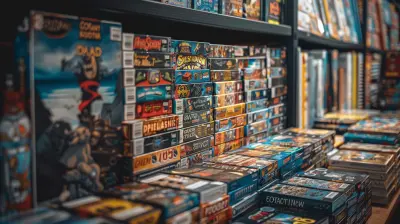
Remember the joy of blowing into an old NES cartridge before jamming it into the console? As funny (and kind of unsanitary) as that was, it's a nostalgic ritual. But times have changed. We’ve moved beyond cartridges and discs. Games today are downloaded, streamed, updated overnight, and sometimes, even disappear forever. That’s where digital collectibles enter the scene, subtly but powerfully transforming how we think about game preservation.
So, what exactly are digital collectibles, and why are they starting to matter more in the world of video game history? Let’s jump down the rabbit hole and see where it leads.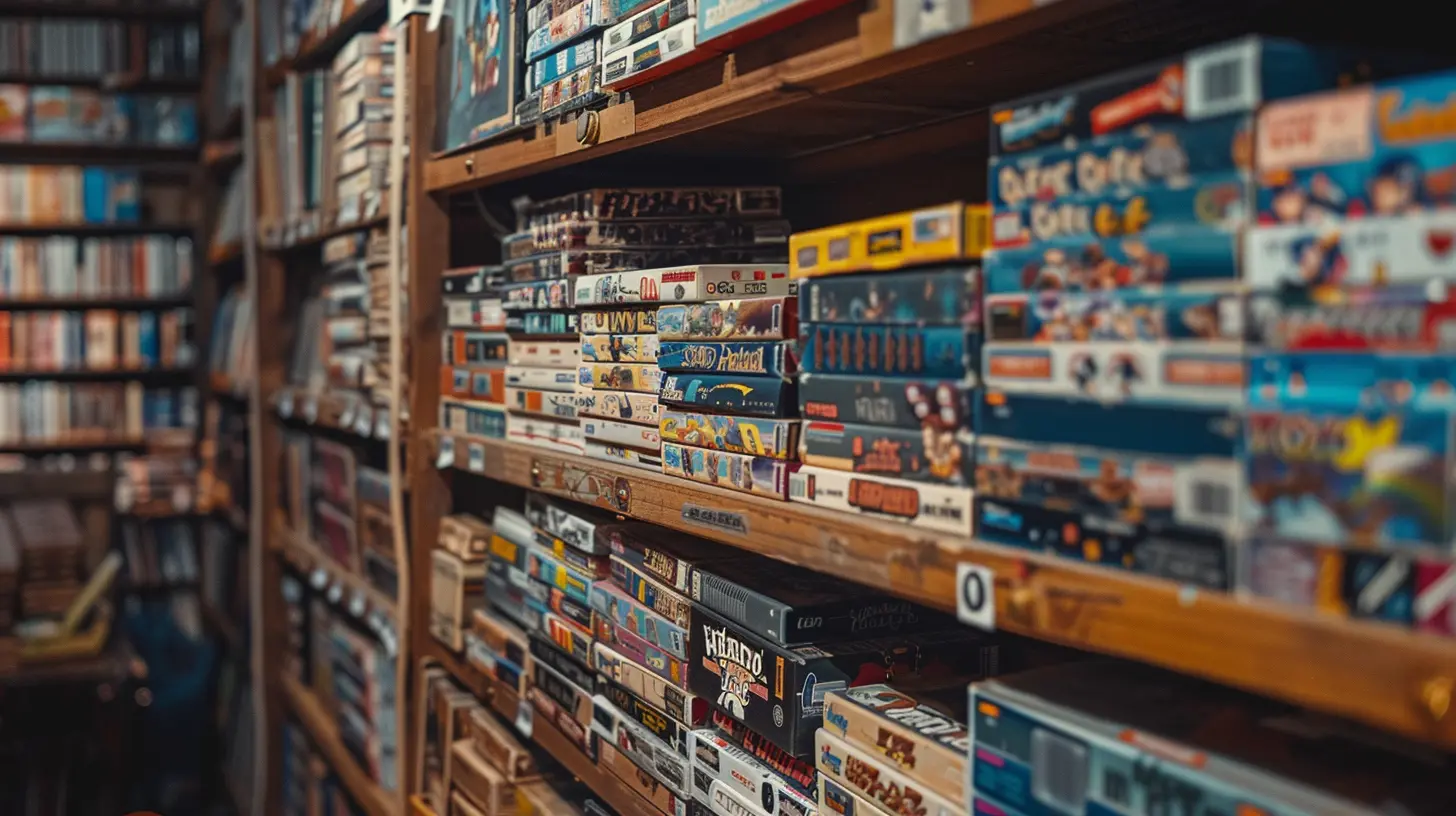
What Are Digital Collectibles Anyway?
Alright, let's break it down. A digital collectible is exactly what it sounds like—an item that exists only in digital form, but can be bought, sold, or owned, just like a physical collectible. Think of skins in Fortnite, trading cards in FIFA, or even unique gear in MMOs. These aren't just cool in-game items; they can hold sentimental or even monetary value.Some digital collectibles are tied to the blockchain (yep, the same tech behind cryptocurrencies), making them unique, traceable, and fully owned by the player—even outside the game itself.
Now here's the kicker: these digital assets are beginning to be seen as potential tools for preserving gaming history.
Why Should We Care About Game Preservation?
First off, let’s tackle the big question—why does game preservation even matter?Imagine a world where Star Wars only existed as a memory. No streaming. No DVDs. Not even those clunky VHS tapes. That’s sort of what’s happening with games. When servers shut down or stores remove older titles, entire game worlds vanish. Poof! Gone. If you’ve ever wanted to play a childhood favorite only to find it’s no longer available anywhere, you’ve felt the sting.
Game preservation isn’t just about nostalgia. It’s about culture. Video games are storytelling mediums, artistic showcases, and social hubs—just like books or films. So yeah, preserving them is pretty darn important.
The Challenges of Traditional Game Preservation
Let’s not sugarcoat it—preserving video games isn’t easy. There are several messy reasons behind it:1. Licensing and Legal Nightmares
Old games often include music, character likenesses, or brands that were licensed for a limited time. When those deals expire, publishers can't legally distribute the game anymore. It’s like trying to watch a movie that’s never been reissued because of a forgotten contract.2. Hardware Rot
Consoles break. Discs scratch. Cartridges corrupt. Physical media can’t last forever. Even the most pristine Super Nintendo is living on borrowed time.3. Server Shutdowns
Online-only games, especially MMOs, become unplayable when the servers go offline. Remember City of Heroes or the original version of Destiny? Those entire worlds are just… gone.4. DRM and Digital Stores
Games that require online authentication won’t function once their servers shut down. And as digital storefronts evolve or close (like the Wii Shop Channel or PlayStation Store for PS3/PSP), entire libraries risk extinction.So yeah, we need a better way to keep our gaming heritage alive. Enter digital collectibles.
How Digital Collectibles Could Save Game History
Now, this is where things get really exciting. Digital collectibles, especially those powered by blockchain tech, offer a new paradigm. Here's how they might help:1. Ownership That Transcends Platforms
Imagine owning a rare in-game sword, skin, or even an entire character that exists separately from any game. No matter where the game is hosted—or if it even goes offline—you still own that digital asset. It’s like holding on to a rare Magic: The Gathering card, even if the tournament shuts down.That’s the magic of blockchain: proof of ownership, independent of the game’s fate.
2. Preserving Game Histories Through Items
Items can tell stories. A limited-edition mount from a now-defunct MMO? That’s a piece of history. By cataloging and storing these digital artifacts, we create a timeline of gaming culture. It’s like a museum, but in your digital wallet.Games have always had collectible items, but now they can be permanent, traceable, and preserved indefinitely.
3. Authenticity and Provenance
One of the biggest issues with older games and game merchandise is fakes. Reproduction cartridges, bootleg CDs… they muddy the waters. But with blockchain-backed digital collectibles? Every item has a transparent history—who owned it, when it was made, and how it’s changed hands.Basically, it’s like having a certificate of authenticity automatically built in.
Real-World Examples of Digital Collectibles in Gaming
Still not sold? Let’s look at some actual examples that are already carving out space in this new frontier.Fortnite’s Skins
Fortnite has been leading the charge in digital personalization. While not blockchain-based (yet), skins in Fortnite already function as digital collectibles. Some are rare, limited-time only, and hotly traded accounts include rare combinations. Now imagine a future version where you could trade those skins freely across other games or marketplaces.NBA Top Shot
Okay, this one's sports-focused, but super relevant. NBA Top Shot lets fans own officially licensed clips (called "moments") as NFTs. What if major game developers took a similar approach? Imagine owning an iconic game moment—like completing the first level of Doom or defeating Bowser in Super Mario Bros.—as a digital collectible.Ubisoft’s Quartz Platform
Ubisoft has jumped on the blockchain bandwagon with their Quartz platform, launching energy-efficient NFTs called Digits. These in-game items have unique serial numbers, player histories, and can be traded between players. Love or hate NFTs, this is a glimpse into the future.But Wait—Isn't This Just Hype?
A fair point. Let’s be honest: not all digital collectibles are valuable. Some are just glorified JPEGs, and the NFT space has seen its fair share of scams and hype bubbles. But let’s not throw the baby out with the bathwater.The technology behind digital collectibles has real, meaningful applications for game preservation. It’s not about making a quick buck; it’s about maintaining access and ownership of the games and memories we care about.
Just like early internet skeptics couldn’t have predicted YouTube or Spotify, we may be underestimating how digital collectibles will reshape gaming’s legacy.
The Role of Communities and Modders
Here’s another fun twist—gamers themselves are often the biggest heroes of game preservation. Modders and fan communities have been archiving, reviving, and enhancing games for decades. From restoring missing content in Star Wars: Knights of the Old Republic II to recreating entire games from scratch (hello, AM2R!), fans are outdoing even the original developers sometimes.Digital collectibles can empower these communities even more. What if modders could create unique, collectible content around restored games? Skins, redesigned levels, or themed items that players can truly own? The possibilities are endless.
Ethical Considerations and Gatekeeping
Of course, there are valid concerns. Will digital collectibles make game history only accessible to the rich? Could corporations lock game content behind expensive NFTs?That’s a real danger. But it doesn’t have to be that way. Open standards, community-driven preservation efforts, and fair pricing models can ensure these tools enhance, not restrict, access to gaming history.
It’s all about how the industry—and we as gamers—use the tech.
What the Future Could Look Like
Picture this: it’s 2040. You open your digital vault and browse through collectibles from your favorite games. A gun from Halo 3. A racing stripe from Mario Kart 8. A badge showing you attended the last Splatoon 2 tournament. Each item isn’t just a souvenir; it’s a memory, preserved and playable.Game publishers partner with cultural archives. Collectors donate rare in-game items to digital museums. Universities teach game development using preserved game worlds from the 2000s. And fans? Well, they keep playing, sharing, and celebrating the games they love.
Far-fetched? Maybe. Possible? Absolutely.
Final Thoughts: A New Era of Memory
Game preservation in the digital age isn’t going to be about dusty cartridges or even old ISO files on a hard drive. It’s going to be living, breathing, evolving—and yes, collectible. Digital collectibles offer a fresh, flexible, and engaging way to not just remember games, but continue living in them.Sure, we’re still in the early days, and the road ahead may be bumpy. But if there’s one thing gamers do best, it's pressing continue. Digital collectibles might just be the "1-UP" game preservation needs.
all images in this post were generated using AI tools
Category:
Game CollectingAuthor:

Leif Coleman
Discussion
rate this article
1 comments
Reina Becker
The rise of digital collectibles presents both opportunities and challenges for game preservation. While they can enhance the longevity of certain titles, reliance on proprietary platforms raises concerns about accessibility and authenticity. Balancing innovation with the safeguarding of gaming history will be crucial for future generations.
August 26, 2026 at 3:42 AM
Leif Coleman
You make a solid point. Balancing innovation and accessibility is essential for preserving gaming history while exploring new digital frontiers.