Fantasy Worlds You Can Explore Thanks to Unreal Engine
13 January 2026
Fantasy and video games have always had a symbiotic relationship. The genre thrives on imagination, wonder, and bending the rules of reality—so what better playground for game developers than fantasy worlds sculpted with one of the most powerful engines out there: Unreal Engine?
Whether you're a fan of high fantasy kingdoms, mysterious alien planets, or surreal dreamscapes, Unreal Engine has been pushing boundaries and crafting some of the most jaw-dropping game worlds we've ever seen. And let’s be honest, who doesn’t want to get lost in a magical land every now and then?
Grab your sword (or controller), because we're diving deep into the fantasy universes brought to life through Unreal Engine.
Why Unreal Engine Is a Game-Changer for Fantasy Worlds
Before we jump into individual titles, it helps to understand why Unreal Engine is such a big deal for game developers.Unreal Engine, developed by Epic Games, is known for delivering stunning graphics, real-time lighting, and powerful physics—basically, it’s a dream toolkit for crafting fantasy environments that feel alive. Thanks to its Blueprint visual scripting system, even small indie teams can build vast, interactive worlds without needing to code everything from scratch.
The result? Fantasy games that look cinematic, play smooth as butter, and offer immersive storytelling like never before.
Top Fantasy Worlds Brought to Life by Unreal Engine
Let’s spotlight some magical universes that owe their charm, complexity, and sheer visual grandeur to Unreal Engine.1. Elden Ring – A Dying World Full of Secrets
Okay, if you haven't heard of Elden Ring, you might be living under a digital rock.This highly anticipated title by FromSoftware, developed with Unreal Engine 4, takes fantasy world-building to a whole new level. Picture a sprawling open world drenched in gothic architecture, twisted forests, and creepy dungeons. Now mix that with cryptic lore and wild boss designs, and you've got yourself a fantasy experience that's punishing but oh-so rewarding.
What makes it special? The world feels like it’s mourning its own collapse. Every crumbling castle and desolate field tells a story. And it’s not just about aesthetics—Unreal Engine’s rendering power makes even the bleakest corners of Elden Ring mesmerizing.
2. Kena: Bridge of Spirits – Pixar Meets Zelda Vibes
Ever wanted to play a fantasy game that looks like a Pixar movie? Well, Kena: Bridge of Spirits is exactly that.Developed by Ember Lab using Unreal Engine, Kena blends vibrant visuals with emotional storytelling. It’s the kind of game where you stop for a minute just to admire how the sunlight filters through the trees. The world is packed with lush forests, ancient ruins, and adorable spirit companions called Rot.
Don't let the cuteness fool you, though. The combat system is solid, and the story has heartfelt depth. Unreal Engine makes it all pop—smooth animations, atmospheric lighting, and incredibly detailed environments.
3. Final Fantasy VII Remake – Reinventing a Classic
Bringing a beloved ‘90s RPG into the modern era is no small feat, but Final Fantasy VII Remake pulls it off flawlessly, thanks in large part to Unreal Engine 4.This game reimagines the iconic city of Midgar, turning blocky PS1 buildings into towering skyscrapers glowing with Mako energy. It’s gritty, it’s beautiful, and it’s brimming with magic and mech—a cyber-fantasy cocktail that hits all the right notes.
The engine allows seamless transitions between cutscenes and gameplay, which amps up immersion like crazy. Whether you're exploring the Sector 7 slums or engaging in high-octane swordplay, every moment feels like it was made for the big screen.
4. Senua’s Saga: Hellblade II – A Psychological Fantasy Ride
Let’s talk about dark fantasy done right.Senua’s Saga: Hellblade II is an Unreal Engine 5 powerhouse. The game delves deep into Senua’s psyche, mixing Norse mythology with hallucinations and haunting sound design. It's not your typical fantasy game filled with dragons and magic potions, but more of a cerebral, myth-heavy journey through mental anguish and ancient lands.
Unreal Engine allows for photorealistic visuals and next-level facial animations. You can see every twitch of emotion on Senua’s face, and it’s genuinely chilling. It’s like watching a high-budget psychological thriller where you hold the controller.
5. Ashen – Minimalist Fantasy with Maximum Impact
Ashen is for those who like their fantasy painted with broad, artistic strokes.It doesn't aim for hyper-realism, but rather a stylized, washed-out world that still feels alive and mysterious. Developed using Unreal Engine, the game features a soft color palette, minimalist characters, and an eerie, almost dream-like atmosphere.
Exploration is the heart of Ashen. You stumble into new regions, discover ancient ruins, and fight monstrous beasts in a world that respects silence just as much as sound. Unreal Engine’s lighting system brings out the subtle beauty in the desolation.
6. Lost Soul Aside – A Bleeding-Edge Indie Fantasy
Originally created by a solo developer, Lost Soul Aside proves that Unreal Engine can empower even small teams to build AAA-looking fantasy games.This game is flashy, fast-paced, and brimming with anime-inspired flair. You’ve got swords, magic, sci-fi elements, and enemies that look like they stepped out of a Diablo fever dream.
What sets it apart? The fluidity of combat and high-fidelity effects. Sparks fly, screens shake, and every movement feels like it belongs in a cinematic trailer. That’s the Unreal magic at work.
7. Black Myth: Wukong – Mythical China Reimagined
Based on the Chinese tale “Journey to the West,” Black Myth: Wukong is shaping up to be one of the most visually dazzling action-fantasy games out there.Built with Unreal Engine 5, the game showcases dynamic weather, real-time shadows, and fur physics that’ll make you do a double take (yes, fur physics!). You play as the Monkey King, running through bamboo forests, icy temples, and heavenly realms, battling entities from Chinese mythology.
It’s culturally rich, visually arresting, and dripping with atmosphere. Unreal Engine doesn’t just support it—it elevates it.
Unreal Engine Features That Make Fantasy Worlds Pop
Let’s geek out a bit. What exactly does Unreal Engine bring to the table that helps fantasy games reach new heights?Nanite & Lumen (UE5)
Unreal Engine 5’s two biggest features—Nanite and Lumen—are total game-changers.- Nanite allows developers to import film-quality assets without choking your GPU. Translation? Massive castles, intricate statues, and detailed landscapes with zero lag.
- Lumen handles dynamic lighting and reflections like magic. It reacts to every torch flame and flickering spell in real-time, making worlds feel more alive and reactive.
Blueprint Visual Scripting
Not everyone’s a coder, and Unreal gets that. Blueprint lets devs create complex gameplay systems via a user-friendly interface. That means shorter dev times and more experimentation—which often leads to unique, rule-breaking fantasy mechanics.Massive World Support
Fantasy games love scale. Whether it’s flying over mountains or diving into enchanted lakes, Unreal Engine supports worlds so big they could hold their own real estate market.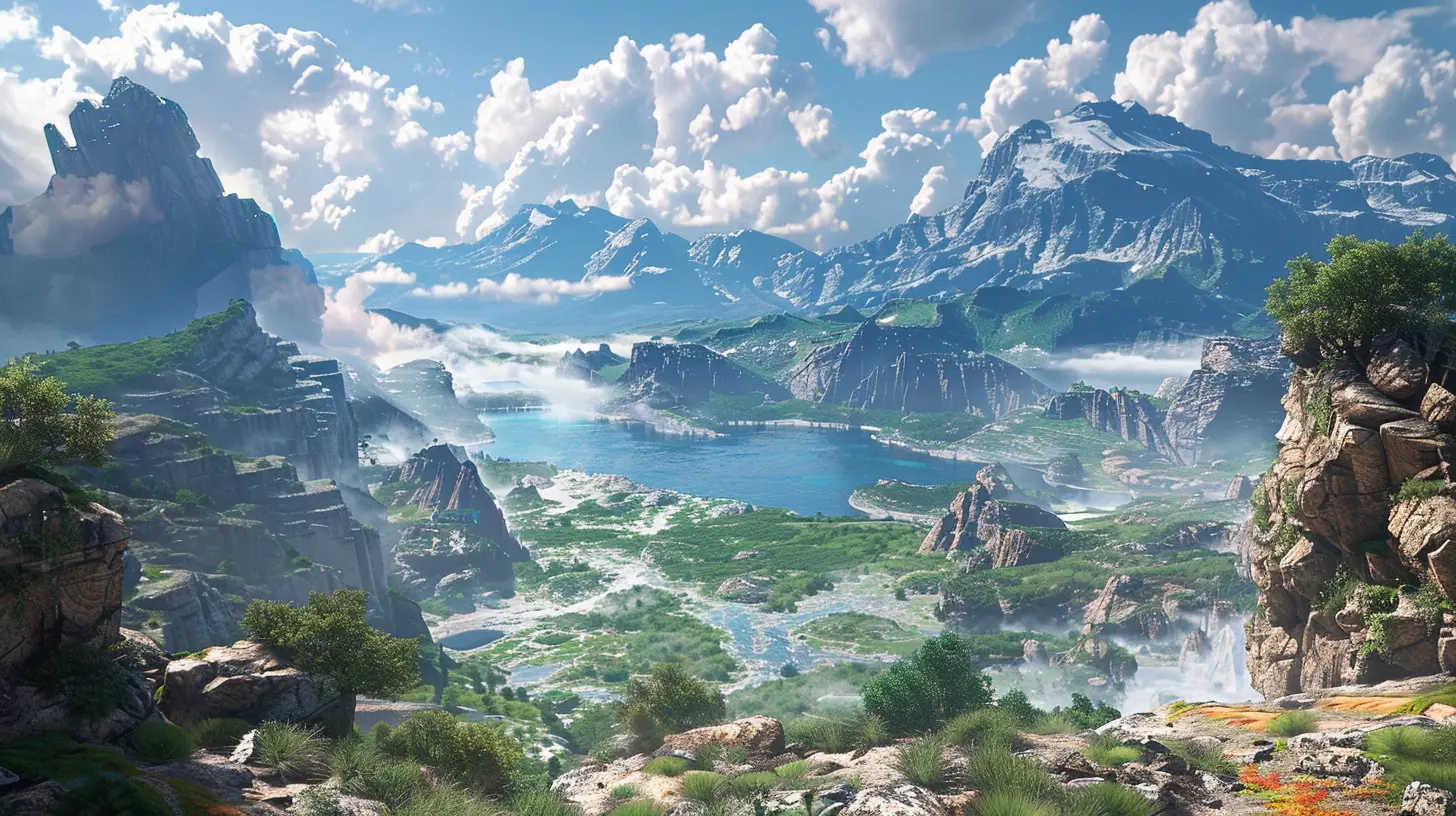
The Future of Fantasy and Unreal Engine
Here’s the beautiful part—this is just the beginning.With emerging tech like VR and photogrammetry, and Unreal Engine leading the way, the next generation of fantasy games is going to blow our minds. Small indie devs now have access to tools that were once exclusive to Hollywood studios. And with Unreal’s ongoing updates and community support, the bar for fantasy world-building just keeps rising.
Imagine walking through a dragon-ravaged village where the wooden planks creak beneath your feet, or sailing a foam-sprayed ocean that responds to every gust of wind. That’s not sci-fi anymore—it’s reality, powered by Unreal.
Final Thoughts
At its heart, Unreal Engine is an artist’s dream. It takes the wild imagination of fantasy lovers and turns it into interactive reality. From massive RPGs to intimate mythological journeys, it’s given creators the freedom to dream bigger and let us, the players, live those dreams.So next time you're wandering through a glowing forest or gazing up at a blood-red moon in your favorite game, take a moment to appreciate the engine purring beneath the hood. Unreal isn't just an engine—it's the magic wand behind a thousand fantasy adventures.
Who knows what enchanted realm you'll visit next?
all images in this post were generated using AI tools
Category:
Unreal Engine GamesAuthor:

Leif Coleman
Discussion
rate this article
3 comments
Quillan Gill
This article beautifully highlights the endless possibilities Unreal Engine brings to fantasy worlds! The diverse environments and immersive storytelling are truly captivating. It would be interesting to see more examples of lesser-known indie titles that utilize Unreal Engine to create unique experiences. Great read!
April 13, 2026 at 4:28 PM
Leif Coleman
Thank you for your insights! I agree, the potential of Unreal Engine in indie titles is exciting. I'll consider featuring more examples in future articles.
Isaac McClendon
Unreal Engine empowers creators to craft immersive fantasy worlds, blending imagination with technology. Each experience invites us to explore and discover limitless possibilities.
January 15, 2026 at 6:08 AM
Leif Coleman
Thank you! Unreal Engine indeed opens up endless creative avenues, allowing us to experience and explore fantastical realms like never before.
Grace Potter
Great article! The possibilities offered by Unreal Engine are truly inspiring. It's incredible to see how it brings fantasy worlds to life, allowing players to explore realms previously only imagined. I'm excited to see what developers create next! Keep up the great work!
January 14, 2026 at 5:00 AM
Leif Coleman
Thank you for your kind words! I'm glad you enjoyed the article and share the excitement about the future of Unreal Engine. There are truly endless possibilities ahead!