How Cooperative Games Improve Teamwork Skills
15 September 2026
Let’s be real here—if you’ve ever played a solid round of Overcooked, Portal 2, or even a chaotic match in Deep Rock Galactic, you already know this: cooperative games can turn any group of people into a finely tuned machine… or a total disaster if teamwork isn’t there. But that’s the point, right? Coop games throw you into situations where working together is the only path to victory.
But here’s the kicker—not only are these games incredibly fun, but they also have real-world benefits. Whether you're gaming on your couch or hopping into a virtual world with friends across the globe, cooperative games are sneaky little teamwork trainers. Let's break down how they actually help improve those all-important team skills.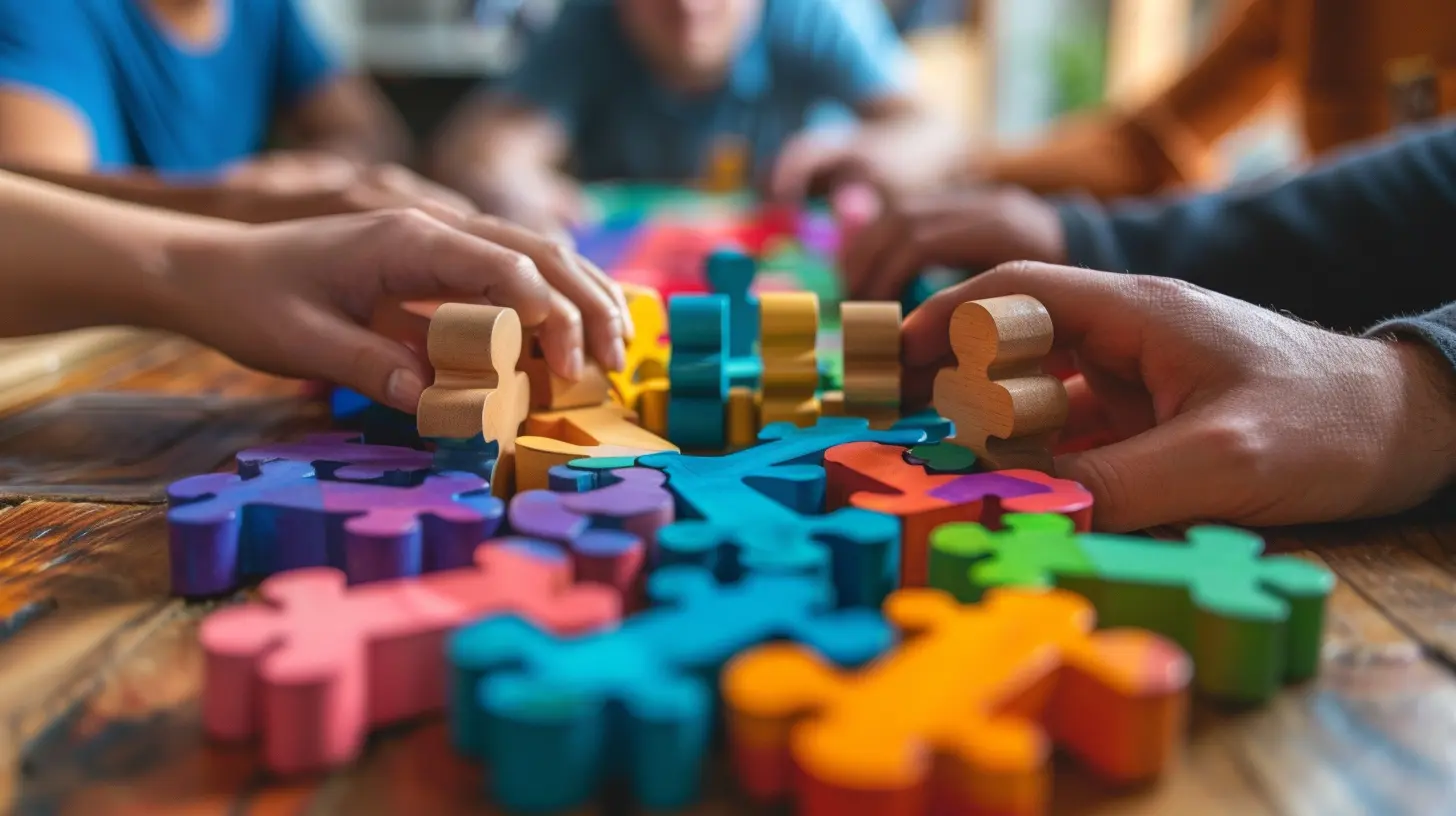
What Are Cooperative Games?
Before we dive too deep, let’s clarify what we mean by “cooperative games.” These are games designed with collaboration in mind. Instead of facing off against one another, players work side by side toward a common goal. Think Left 4 Dead, It Takes Two, or even board games like Pandemic.Unlike competitive games that pit you against each other, co-op games thrive on communication, coordination, and mutual support. There’s no “I” in “team,” and in co-op games, solo heroes rarely survive.
Communication Is Key
Ever tried escaping a room filling with lava in a co-op puzzle game without yelling instructions back and forth? Yeah, it doesn’t go well.Co-op games demand communication. Whether you’re alerting a teammate to an enemy sneaking up or organizing your squad’s next move, talking (or typing) is essential. And when communication breaks down? You feel the consequences immediately.
That direct feedback loop trains players to speak clearly, listen actively, and respond quickly—skills that are ridiculously useful in group projects, office meetings, or even just planning a vacation with friends.
Verbal & Non-Verbal Communication
A lot of co-op games offer tools for both spoken and non-verbal cues. Ping systems (like the one in Apex Legends) or emotes in MMOs help get points across without voice chat. These tools encourage concise, strategic thinking, which sharpens your ability to express ideas quickly and effectively.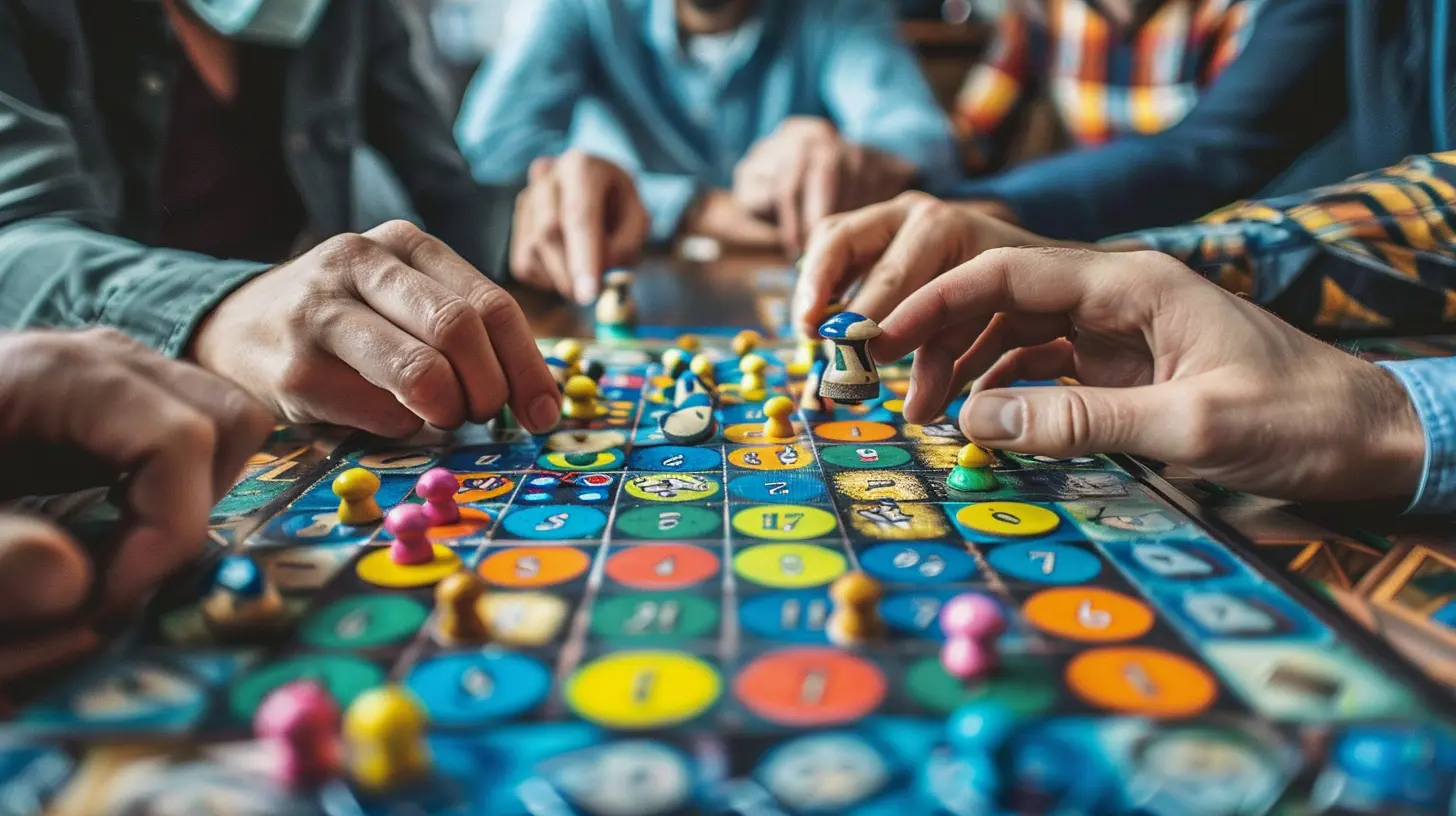
Shared Objectives Build Unity
Working toward a common goal naturally brings people together. Cooperative games create scenarios where success relies on every team member pulling their weight.In games like Raft or Don't Starve Together, each person takes on tasks—some gather resources, others craft tools, and everyone contributes to the group's survival. This division of labor fosters a sense of accountability and mutual respect. No one wants to be the one dragging the team down.
And here’s the magic sauce—when everyone knows their role and fulfills it, the team starts flowing like a jazz band. It’s all about rhythm, harmony, and trust.
Problem Solving Under Pressure
Teamwork isn’t just about talking—it’s about thinking, too. Cooperative games throw curveballs that require real-time problem solving, often under serious pressure.Take Keep Talking and Nobody Explodes. One player defuses a bomb, but only the others have the instruction manual. It’s a chaotic dance of communication, comprehension, and fast thinking.
These high-stakes scenarios simulate real-world pressure in a low-stakes environment. As a result, players learn to stay calm, work smart, and support each other, even when everything’s on fire—figuratively or literally.
Conflict Resolution Gets a Workout
Let’s be honest: not every co-op session is sunshine and rainbows. Sometimes, teammates mess up. Sometimes you mess up. Tempers flare. Egos clash.But that’s part of the growth. Cooperative games provide a sandbox for resolving conflicts in the moment. Players learn to give constructive feedback, accept criticism, and compromise when opinions differ.
Take games like Phasmaphobia or Grounded. In high-stress moments, someone’s going to take charge. Others need to follow. Decisions have to be made fast. That pressure teaches emotional intelligence and the importance of perspective-taking.
Bottom line? You figure out fast what kind of teammate you are—and how to be a better one.
Leadership Skills Emergence
When groups play together, leaders tend to emerge naturally. Cooperative games present endless leadership moments: strategizing before a mission, directing in the heat of battle, or organizing resources for survival.Games like Sea of Thieves or Monster Hunter World challenge players to organize, prioritize, and guide a team through tons of variables. Leadership doesn’t just mean barking orders—it means motivating, planning, and adapting.
What’s cool is that everyone gets a shot. Leadership can rotate based on the task—maybe you’re great at combat, while someone else leads during stealth missions. That fluid leadership model mirrors real-world teams, where different strengths shine at different times.
Trust and Dependability
There are moments in co-op games where you have no choice but to count on someone else. Maybe it’s covering your back in a firefight, or standing on a switch to help you cross a gap. Whatever it is, you’re placing your success in someone else's hands.This creates a foundation of trust. And the more you play together, the stronger that trust becomes. You start to learn each other's habits, strengths, and weaknesses.
That kind of dependability isn’t just good for beating a boss—it translates into any team-based environment, from classrooms to offices.
Empathy and Social Awareness
Here’s something that often flies under the radar: co-op games can make you more empathetic. When you're working toward a shared goal and watching how your actions affect others, it naturally builds awareness.You might notice when a teammate is overwhelmed, step in to help, or hold back when someone else has a better plan. These are social cues and emotional intelligence markers that are vital in real-world interactions.
Games like A Way Out or Brothers: A Tale of Two Sons don’t just ask players to solve puzzles—they ask players to feel for the characters and each other. That emotional connection builds deeper cooperation.
Diversity of Roles Promotes Inclusion
Most co-op games are designed with role variety. Healers, tanks, damage dealers, support characters—we’ve seen it all. This variety pushes players to appreciate different play styles and strengths.Some people lead the charge; others hold the line or heal from behind. Everyone’s necessary. This naturally promotes respect and inclusivity, reinforcing the idea that no one role is more important than another.
Plus, trying out different roles gives you a better understanding of what others go through—another booster for empathy and flexibility.
Fun Enhances Learning (Yes, Really)
Let’s not ignore the obvious—games are fun. They provide instant feedback, rewards, and a sense of progress. That dopamine hit isn’t just addictive; it’s also a powerful learning tool.When we enjoy what we’re doing, we retain knowledge better and stay engaged longer. Co-op games sneakily teach teamwork through play. Players learn to lead, follow, communicate, and analyze—all while having a blast.
If only every team workshop involved slaying dragons or building rockets, right?
Real-World Applications
So how do these skills translate outside the screen?- ? In the workplace: Team projects, cross-functional collaboration, and problem-solving under deadlines.
- ? In education: Group assignments, peer review exercises, and even classroom management.
- ? In personal life: Planning events, handling family responsibilities, and building stronger relationships.
Those late-night raids or escape room puzzles online? They’re not just entertainment. They’re training sessions in disguise.
A Few Awesome Co-op Titles to Try
If you’re down to put these teamwork skills to the test (or just want a few game night ideas), here are some standout titles that nail cooperative mechanics:- Overcooked! 2 – The ultimate chaos kitchen simulator. Perfect for testing coordination and communication.
- Portal 2 (Co-op Mode) – Mind-bending puzzles that require serious collaboration.
- Phasmaphobia – Hunt ghosts and survive together… or scream together.
- It Takes Two – An emotional and mechanical masterpiece about working together through challenges.
- Deep Rock Galactic – Explore alien caves as a team of dwarves. Rocks, bugs, and teamwork galore.
Final Thoughts
Cooperative games aren’t just about beating levels or grabbing loot—they’re about building bridges between players. They challenge us to work together, adapt, and communicate under pressure. And whether you’re playing with friends or complete strangers, every co-op game is a lesson in teamwork.So next time someone questions the merit of gaming, tell them this: it’s not just a game. It’s an exercise in collaboration, communication, and personal growth. And yeah, it’s a ridiculously fun one at that.
all images in this post were generated using AI tools
Category:
Educational Value Of GamesAuthor:

Leif Coleman