The Role of Music in Creating Emotional RPG Moments
3 June 2026
Ever gotten goosebumps during a cutscene? Or felt your heart swell with a sudden surge of emotion while walking through a snow-covered village in your favorite role-playing game (RPG)? That’s not just the story doing its magic—it’s the music working silently in the background, pulling your heartstrings like a skilled puppeteer.
Let’s be real: music in RPGs is more than just background noise. It’s the invisible force that breathes life into every quest, every tear-jerking goodbye, and every slow walk into a sunset. Without it, those emotional moments just wouldn’t hit the same. In fact, they might not hit at all.
In this article, we’ll dive deep into how music shapes those unforgettable emotional moments in RPGs—from setting the tone to mirroring character development—and why this often-underestimated element is key to creating immersive, emotionally-rich gameplay experiences.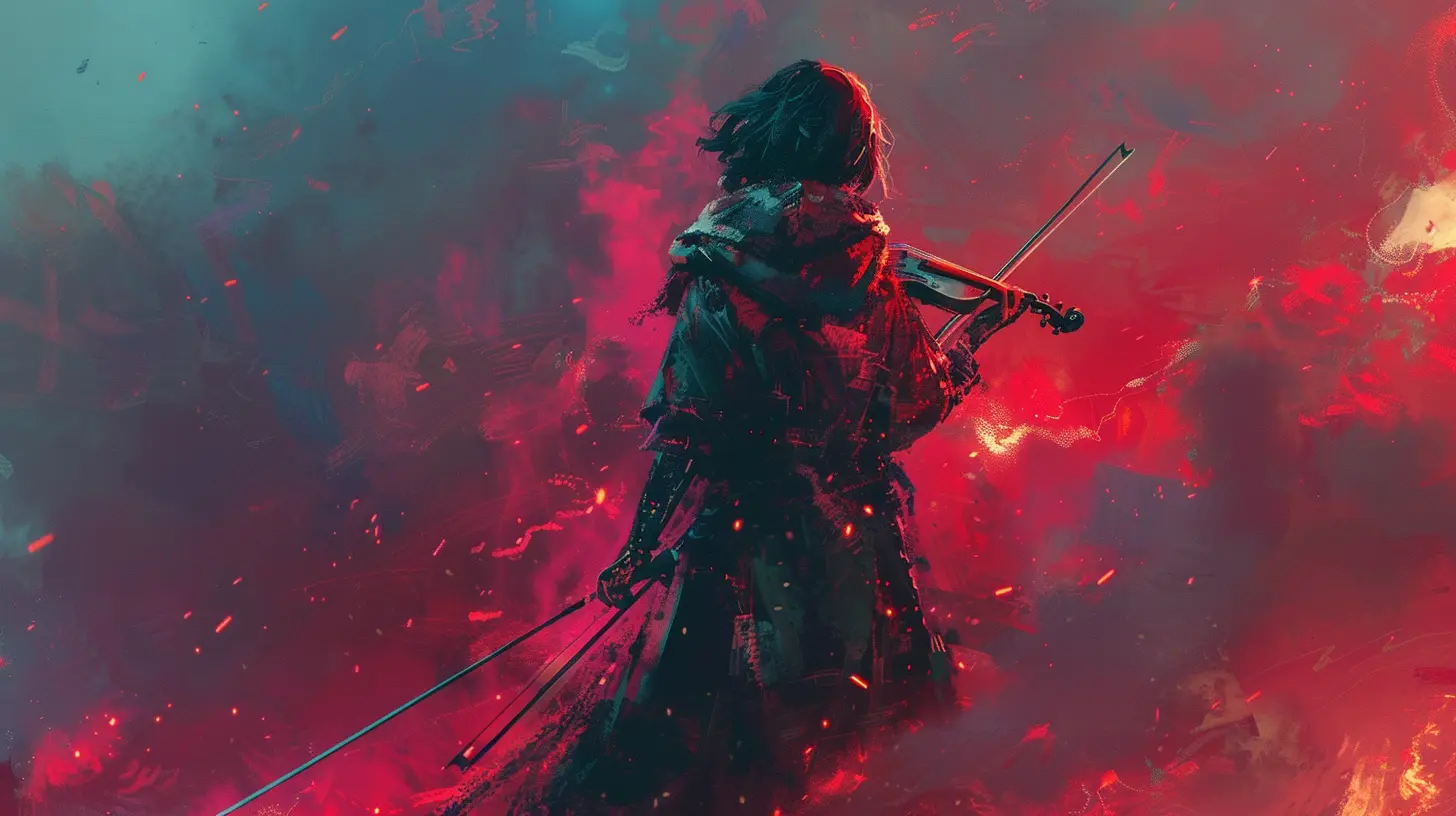
Why Music Matters in RPGs More Than You Think
So, why is music such a big deal in RPGs? I mean, can’t we just play the game and enjoy the story without it?Technically, yes. But emotionally? Not a chance.
RPGs often span dozens, if not hundreds, of hours. That’s a lot of time to bond with characters, get invested in plot twists, and explore massive worlds. Music helps glue all those things together. It acts like an emotional narrator, telling you how to feel without saying a single word. It cues tension, offers relief, and gives emotional weight to silent moments.
Think of your favorite RPG moment. Now try imagining it without the music. Empty, right?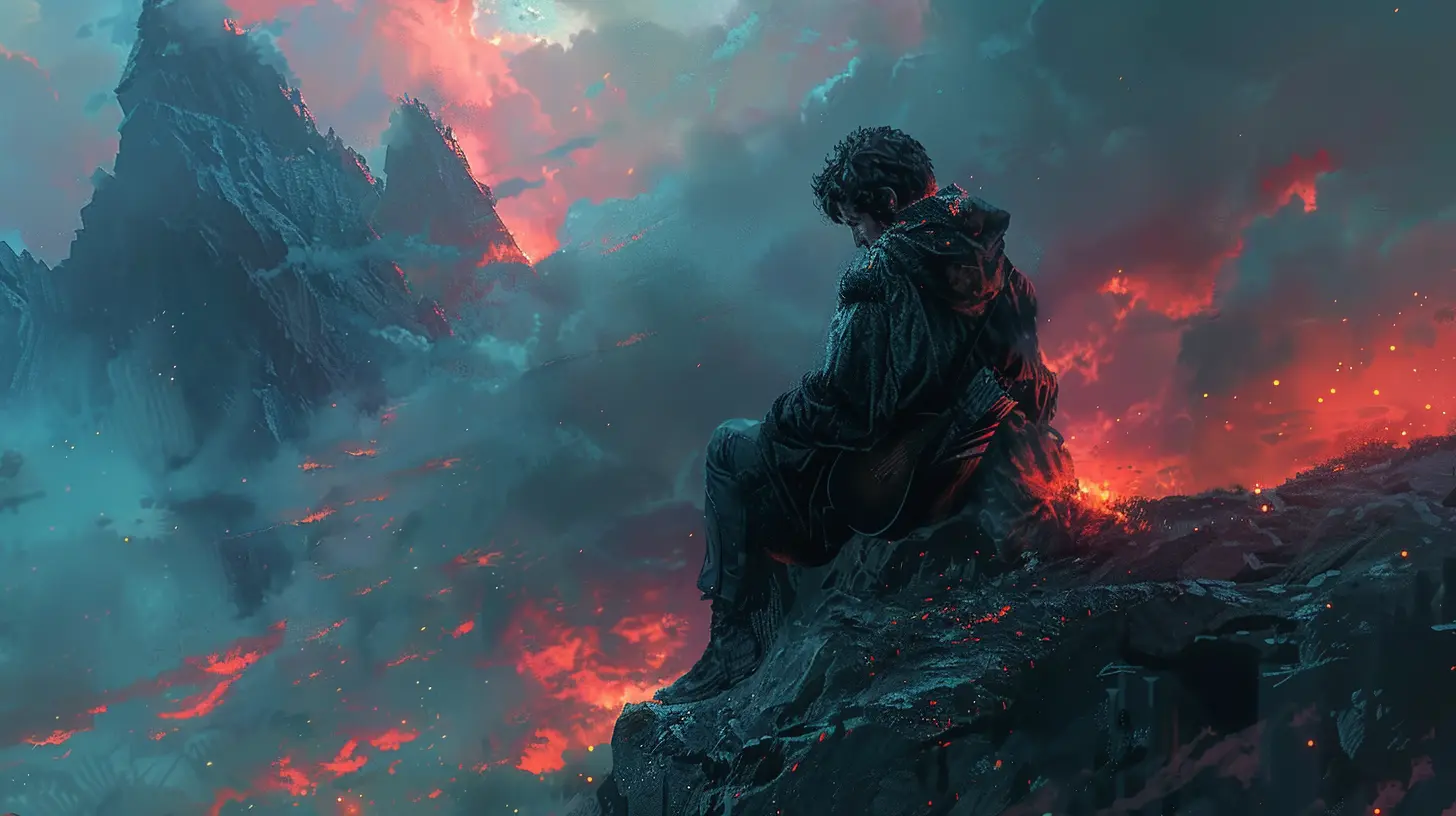
Music as an Emotional Guide: The Unseen Narrator
One of the most powerful roles of music in RPGs is as an emotional compass. It subtly tells you what to feel and when, even if the characters on screen haven’t said a word.1. Setting the Mood Instantly
The moment you enter a new city or start a battle, music kicks in and immediately sets the tone. A haunting flute melody signals mystery. A grand orchestral score screams "epic showdown incoming." This instant emotional shift affects how you digest what's unfolding on screen.It’s like walking into a candlelit room versus a flashing neon arcade. The surroundings may be similar, but the vibes? Totally different.
2. Elevating Character Arcs
Ever noticed how some characters have their own themes? Those melodies grow and evolve just like the characters themselves. When they face critical moments—like a betrayal, a reunion, or even death—the music either changes dramatically or calls back to their original theme to remind you just how far they’ve come.It’s poetic. It’s personal. And it hits hard.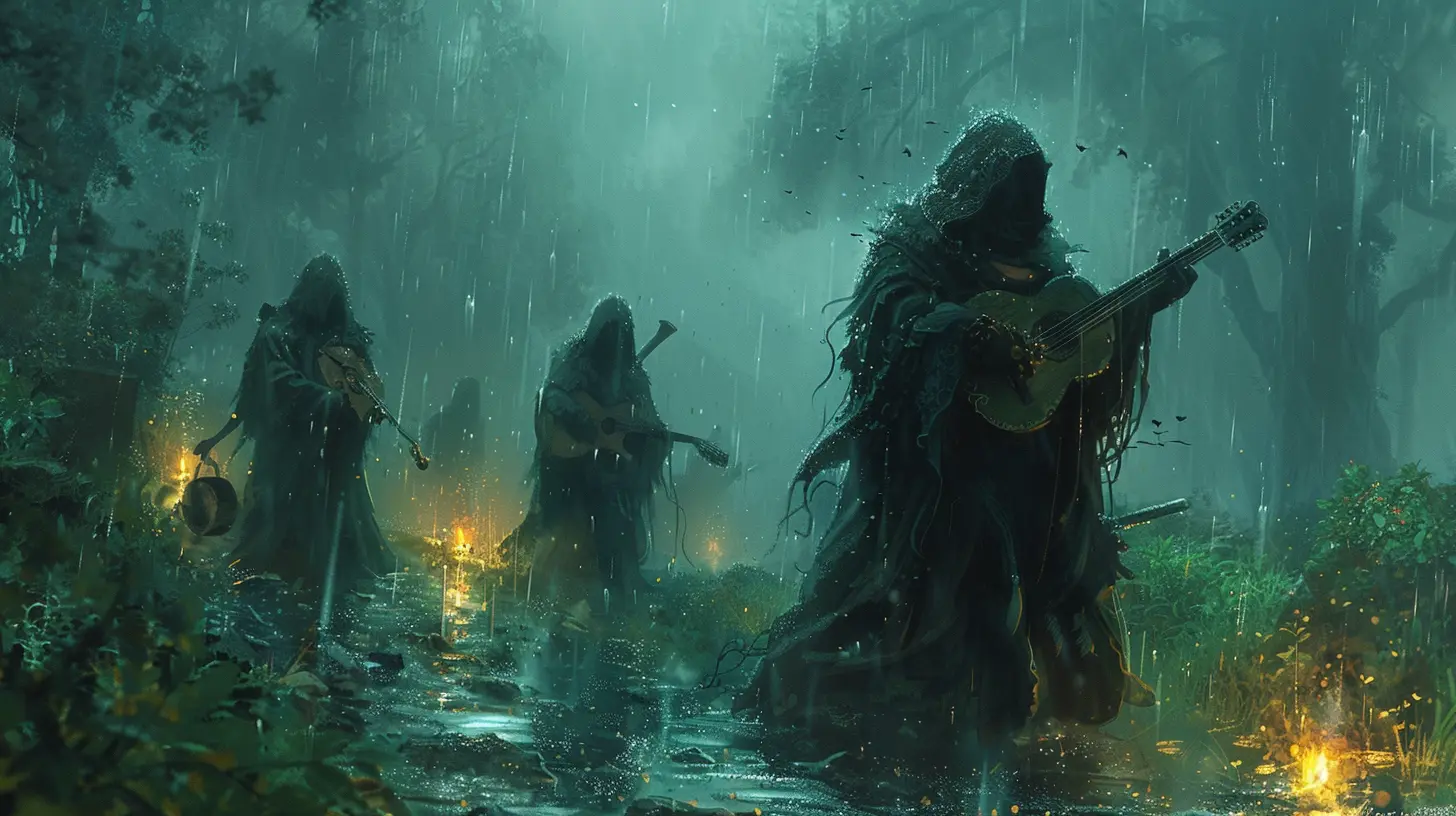
The Subtle Art of Leitmotifs
If you’ve played any Final Fantasy, Legend of Zelda, or Persona games, you’ve already heard the magic of leitmotifs—short recurring musical phrases tied to characters, places, or ideas.These aren’t just catchy jingles. They’re emotional triggers.
Why Leitmotifs Work
They sneak into your subconscious. Over time, you start to associate a particular piece of music with a character or emotion. So when that theme plays again—maybe slower, minor-keyed, or just barely audible in the background—it brings the whole emotional history with it.It’s like hearing an old song that reminds you of a childhood friend. You’re instantly transported.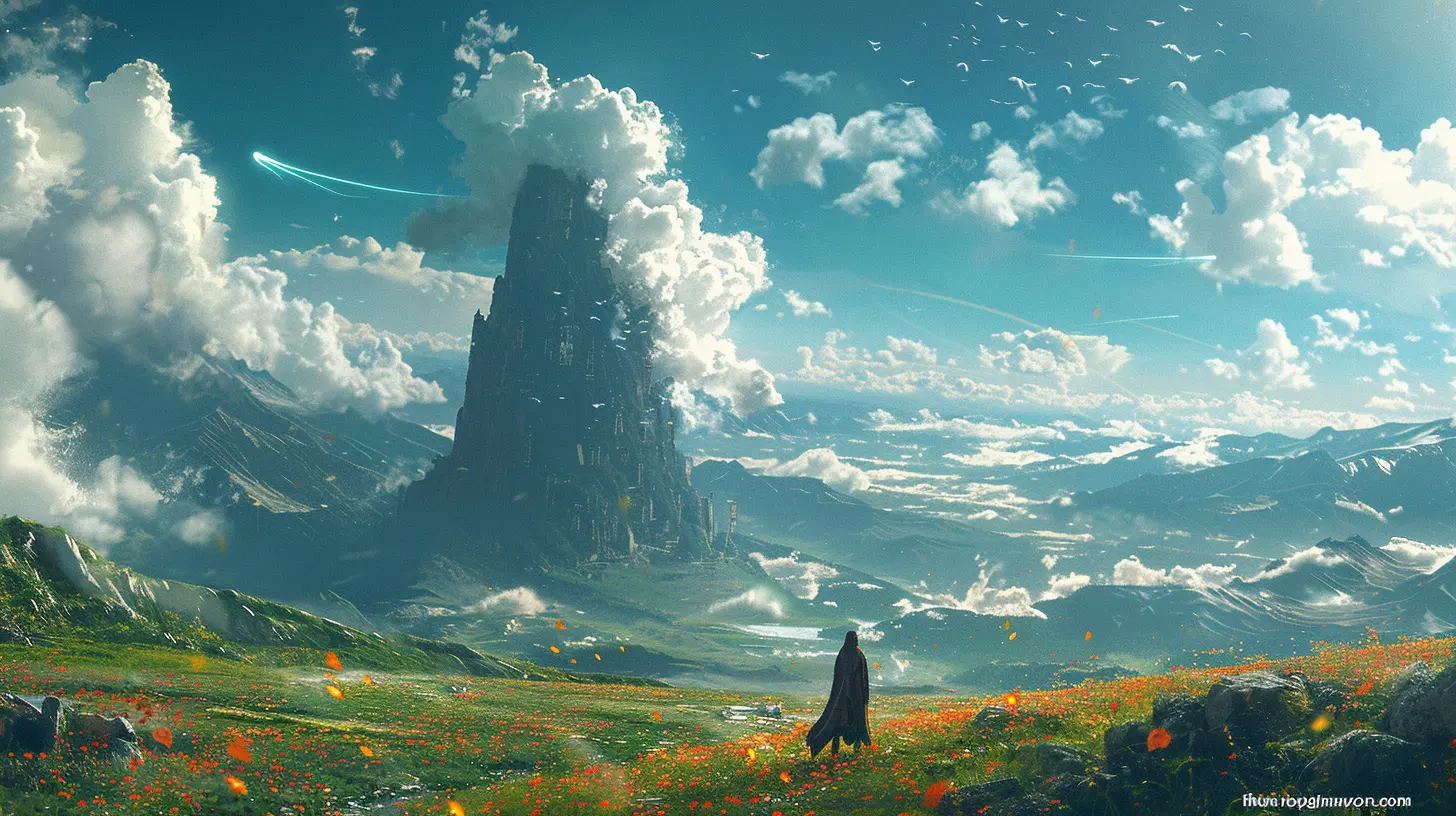
Dynamic Music: Adapting to Your Choices and Actions
With modern technology, game composers aren’t limited to static tracks. Enter dynamic music—compositions that change based on your actions, decisions, or surroundings.In RPGs where choices matter, this makes emotional moments feel personal.
How It Works
Imagine you’re deciding whether to spare a villain or seek revenge. The music subtly shifts as you hesitate. Strings swell as you go one way, perhaps fade into silence if you pick the other. It’s not just background music—it’s responsive storytelling.Games like The Witcher 3 and Mass Effect pull this off brilliantly. The music flexes with your journey, making every choice feel weightier.
Iconic Examples of Music Making the Moment
Let’s pull up a virtual chair and chat about some RPG scenes where the music made the moment unforgettable.Aerith’s Theme – Final Fantasy VII
Come on, you knew this was coming.The soft, melancholic piano of “Aerith’s Theme” is so iconic that even people who’ve never played the game feel something when they hear it. When the game drops that emotional bomb (no spoilers, but you know the scene), the music doesn’t just accompany the events—it defines them.
No words are needed. Just that melody. And suddenly, you're wiping away a tear.
To Zanarkand – Final Fantasy X
Another emotional gut-punch. This piece opens the game and gently lures you in with its sadness. Throughout the game, it reappears at crucial moments, becoming a symbol of longing, loss, and bittersweet memories.It’s like a musical thread that ties the entire story together.
Undertale’s “His Theme”
A simple indie game with a deceptively powerful soundtrack. “His Theme” plays during one of the most emotional boss fights in the game. The chiptune-style music, layered with emotion, turns an 8-bit experience into something that can break your heart.Enhancing World-Building Through Soundscapes
Let’s not forget the role music plays in shaping the world itself.Environmental Cues
From mystical forests to crumbling ruins, background music plays a silent but constant role in building atmosphere. A peaceful village might have a soft guitar melody. A haunted castle may echo with a chilling string section. All of this helps immerse you in a world that feels alive and emotional, even when nothing’s happening.Seasonal and Time Changes
Some RPGs even adjust music based on the time of day or season. Think of The Legend of Zelda: Breath of the Wild. When night falls, the music softens. When a storm rolls in, tension creeps into the melody. It's subtle, but powerful.It’s like your own life—how different a walk through town feels depending on the weather and the mood of your playlist.
How Music Helps Pacing and Narrative Flow
Let’s talk about rhythm—not just in the musical sense, but in how music affects the pacing of an RPG.Fast, Slow, and Everything In-Between
In combat, pumping battle music gets your adrenaline going. During quiet moments—say, reading a character’s diary or watching a flashback—the music slows down and makes space for thought.That push and pull keeps the game flowing naturally. It's a musical version of a heartbeat, speeding up and slowing down as needed.
Silence as a Musical Tool
Here's a twist: sometimes, no music at all is the most emotional choice. Total silence after a tragic event? That deafening void? That’s not laziness—that’s a calculated punch to the gut.Silence makes you lean in. It makes you reflect. It’s like a pause between heartbeats—and it sticks with you.
Indie vs AAA: Different Budgets, Same Impact
Whether you’re playing a blockbuster RPG with a full symphony or a small indie game with a solo composer, the emotional power of music remains just as strong.Big Studios, Big Scores
AAA games have the budget to record with entire orchestras. The result? Grand, cinematic scores that rival Hollywood. Games like Skyrim, Dragon Age, and The Witcher 3 use this to deliver awe-inspiring emotional moments.Indie Studios, Intimate Feels
But don’t underestimate indie games. Titles like Undertale, Celeste, and Omori prove that even minimalist music can hit you right in the feels. Sometimes, less is more—a single piano melody can say more than a thousand violins.The Future of RPG Music: Where Are We Headed?
As tech improves, game music is only going to get smarter, more dynamic, and more emotionally tuned-in.AI-Composed Soundtracks?
We're already seeing early versions of AI-generated music that adapts in real-time. Imagine a game that analyzes your emotional state through your choices and changes the score to match your mood. Creepy? Maybe. Cool? Absolutely.VR and 3D Audio
With virtual reality becoming more mainstream, spatial audio is the next frontier. Music that feels physically layered around you could make RPG moments even more immersive and emotionally deep.You thought that goodbye scene hit hard before? Wait till the music echoes from behind you as your character walks away.
Final Thoughts: Why You Should Never Hit Mute
So, what’s the takeaway here?Next time you're tempted to mute the game and throw on your Spotify playlist—don’t. Give the music a chance to do its thing. It’s not just there to fill silence. It’s there to guide you, move you, and sometimes even break you (in the best way possible).
Whether it’s a swelling orchestral theme during your final stand or a lone piano note echoing in an abandoned village, music is what turns a good RPG into a legendary one.
So yeah, music matters. Big time.
all images in this post were generated using AI tools
Category:
Rpg GamesAuthor:

Leif Coleman
Discussion
rate this article
2 comments
Edith Taylor
Music significantly enhances the emotional depth of RPGs, immersing players in the narrative and character experiences. A well-composed score can turn moments of joy or sorrow into unforgettable highlights of the gameplay journey.
July 23, 2026 at 3:34 PM
Leif Coleman
I completely agree. The right music can transform a scene, making it resonate on a deeper level and leaving a lasting impact on players.
Talis Powell
Music in RPGs turns battles into epic movie moments... so good!
June 3, 2026 at 2:47 AM
Leif Coleman
Absolutely! Music enhances the tension and drama, making every battle unforgettable. It really elevates the entire experience.