How Narrative Games Help Improve Literacy and Reading Comprehension
7 July 2026
Welcome, fellow gamers and word lovers! ?? Have you ever noticed how a gripping story in a video game can keep you glued to the screen for hours? What if I told you that your favorite narrative-driven games are doing more than just entertaining you—they're actually sharpening your reading skills and boosting your brain power? Yep, you heard that right!
In this article, let's dive deep into how narrative games help improve literacy and reading comprehension. Whether you're a hardcore gamer, a parent wondering if games can help your kid, or just someone curious about new ways to get better at reading, you're in the right place. So grab your controller—or your keyboard—and let’s go on a storytelling adventure like no other.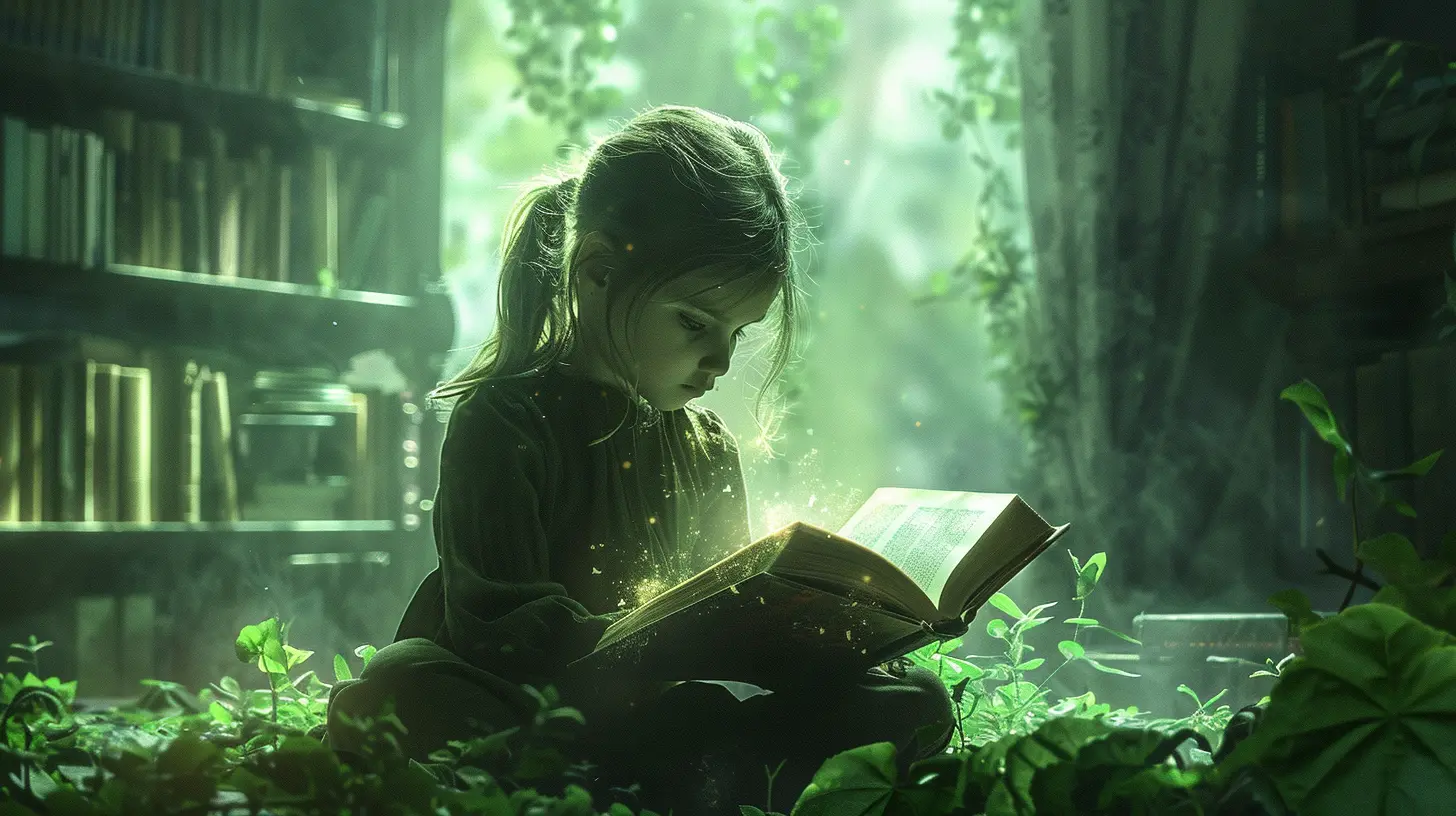
What Are Narrative Games, Anyway?
Before we level up, let's start with the basics. Narrative games (also called story-driven games) are types of video games where the plot plays a central role. Think The Walking Dead, Life is Strange, Firewatch, or Detroit: Become Human. These games focus heavily on story arcs, character development, decision-making, and meaningful dialogue.Unlike action-packed shooters where you might skip the cutscenes to get back to the fight, in narrative games, the story is the main event.
And guess what? That’s actually a good thing for your brain.
Reading In Games Isn’t Just “Text Boxes”
Okay, now you might be thinking, “C’mon, games aren’t books.” True, but here’s the kicker—narrative games often have tons of text that players need to read and understand to make progress. It could be:- Dialogue between characters
- In-game journals or letters
- Choices that affect the story
- Lore scattered throughout the world
- Subtitles and narrative cues
This isn’t skimming through a Tweet. It’s active reading. You're interpreting what's being said, considering the consequences, and drawing conclusions—all the juicy stuff that builds stronger reading comprehension.
Immersion Makes You Forget You're Even Reading
One of the coolest things about narrative games is how immersive they are. You’re not just reading about a character—you become the character. You're walking in their shoes, making decisions, and dealing with the fallout.This kind of emotional involvement encourages deep reading without it feeling like a chore. It’s like tricking your brain into a reading workout without it realizing it’s at the gym.
Ever binge-played a game just to see what happens to the characters you care about? That’s engagement. And engaged reading is effective reading.
Games Teach Vocabulary In Context
Remember memorizing vocabulary lists in school? Boring, right?Narrative games are the opposite. When you're playing a game set in a fantasy world, dystopian future, or even historical setting, you’re constantly being introduced to new words and phrases. But here’s the magic part—you’re learning them in context.
Contextual learning is one of the most powerful ways to pick up new vocabulary. You see the word, how it’s used, what it means depending on the situation—and boom, it sticks.
Decision-Making and Its Link to Comprehension
In many narrative games, the story changes based on the choices you make. And to make the right choice, you’ve gotta read carefully. What’s the character really saying? What clues can you pick up from earlier conversations? Is there subtext?That process of reading between the lines—yep, that’s exactly what good readers do. These games are like interactive reading comprehension tests. But way more fun.
Narrative Games Make Reading Cool Again
Let’s face it. Not everyone likes to read books. But almost everyone loves a good story. So what happens when you mix storytelling with gameplay?You suddenly have a tool that turns reluctant readers into story addicts.
Narrative games reignite that love for stories in a way that feels natural and exciting. And once you build that love for story-driven content, books don’t seem so boring anymore.
Real-World Benefits Backed By Research
While it might sound like gamer propaganda, there’s actually growing research that supports the idea that playing narrative games helps improve literacy.A 2020 study published in the Journal of Educational Psychology found that students who played narrative games showed significant improvement in reading comprehension and vocabulary compared to those who didn’t.
Plus, teachers are jumping on the bandwagon too. Some schools are even incorporating games like “80 Days” and “Gone Home” into their curriculum to engage students in reading and critical thinking.
So yeah, this isn’t just gamer talk—it’s science.
Emotional Intelligence and Storytelling
Reading isn’t just about decoding words—it’s about understanding people, emotions, motives, and relationships.Games with deep narratives often place players in complex emotional situations. You’re navigating grief, love, betrayal, hope, and everything in between. You read a character's dialogue, you sense their emotions, and sometimes, you even suffer along with them.
All that empathy-building stuff? It’s gold for developing nuanced reading skills and emotional intelligence. And guess what? Those two things are super connected.
Younger Audiences and Reading Games
Narrative games aren’t just for teens and adults. There’s a whole world of story-based games designed for kids that subtly teach literacy skills.Games like:
- To the Moon
- Night in the Woods
- Oxenfree
- King’s Quest
These aren’t just games—they're interactive stories wrapped in fun graphics and character voices. Kids reading aloud or following subtitles while playing means they’re getting reading practice without even thinking about it.
Even games like Animal Crossing, Undertale, and Minecraft: Story Mode sneak in a surprising amount of reading and storytelling.
Interactive Story Choices = Analytical Thinking
When players make choices that influence the ending, they’re doing more than just picking an option—they’re analyzing the situation.They ask themselves:
- “What’s this character really hinting at?”
- “If I say this, will it affect our relationship?”
- “Should I tell the truth or lie?”
All that internal dialogue? That’s what we call higher-order thinking. Narrative games train your brain to look beyond face value, which is a huge part of strong reading comprehension.
Games Use Multi-Sensory Learning
Reading a book only stimulates the visual part of the brain. But a narrative game? That’s full-on multisensory learning.- You see the words.
- You hear the voice acting.
- You make decisions based on tone and body language.
- You engage with music and visuals that enhance the mood.
This combination makes the reading experience much deeper and more memorable. It’s like reading with surround sound.
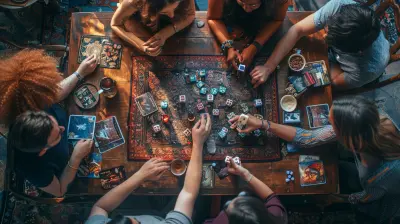
Role-Playing and Creative Writing
After falling in love with a game’s world, a lot of players start writing fan fiction or role-playing online. That spark of creativity kicks off a domino effect:1. You improve writing skills.
2. You start using richer vocabulary.
3. You learn to construct narratives of your own.
All because a game inspired you.
It’s pretty incredible how many writers today started out writing about their favorite characters or expanding game worlds with their own twists.
How Parents and Educators Can Use Narrative Games for Literacy
If you’re a parent or teacher wondering how to tap into this, here are a few tips:- Choose age-appropriate games with strong narratives.
- Encourage discussion about game choices and story outcomes.
- Use games as prompts for creative writing or journaling.
- Play together and talk through decision-making pathways.
- Ask guided questions like “What do you think that character meant?” or “Why do you think the story went that way?”
It’s honestly one of the most fun ways to sneak in literacy development without the eye-rolls.
Final Thoughts: Game On, Readers!
So there you have it. Narrative games aren’t just digital stories—they’re powerful tools in disguise. They help players become more fluent readers, better thinkers, and even more emotionally intelligent humans.Next time someone says video games are a waste of time, you’ve got some solid facts—and maybe a few game titles—to throw into the conversation. ?
So go on, fire up that next great story-driven game. You're not just playing—you’re learning, growing, and leveling up your reading skills in the most epic way possible.
all images in this post were generated using AI tools
Category:
Educational Value Of GamesAuthor:

Leif Coleman
Discussion
rate this article
2 comments
Roxie Long
Reading quests in games? It's like school... but way cooler!
September 20, 2026 at 2:55 AM
Iris Conrad
Who knew saving the world could double as a reading class? Forget boring textbooks-let's level up literacy by battling dragons and solving mysteries. Reading is the ultimate cheat code!
July 8, 2026 at 2:37 AM
Leif Coleman
Absolutely! Narrative games make reading engaging and fun, turning literacy into an adventure. It's a clever way to boost comprehension while enjoying the journey.