How Player Freedom Redefines Replayability
29 April 2026
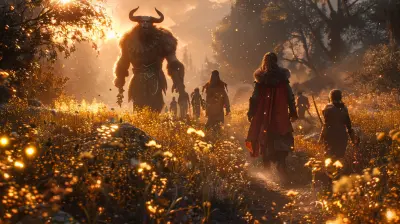
So, picture this: You just beat that one game—you know the one. It made you laugh, cry, rage-quit like five times... but now you're done. Or are you? Suddenly, you're thinking, “What if I tried it again, but this time I don’t save the puppy? What if I go full villain mode?” Boom. You're sucked back in. That, dear gamer comrade, is the beautiful magic of player freedom.
Welcome to the world where replayability isn't just about harder difficulty or collecting 799 NPC toenails for an achievement. How Player Freedom Redefines Replayability dives into how giving players control over their choices, style, and path can make a game feel brand new every time you hit ‘New Game’.
Let’s level up and unpack this, shall we?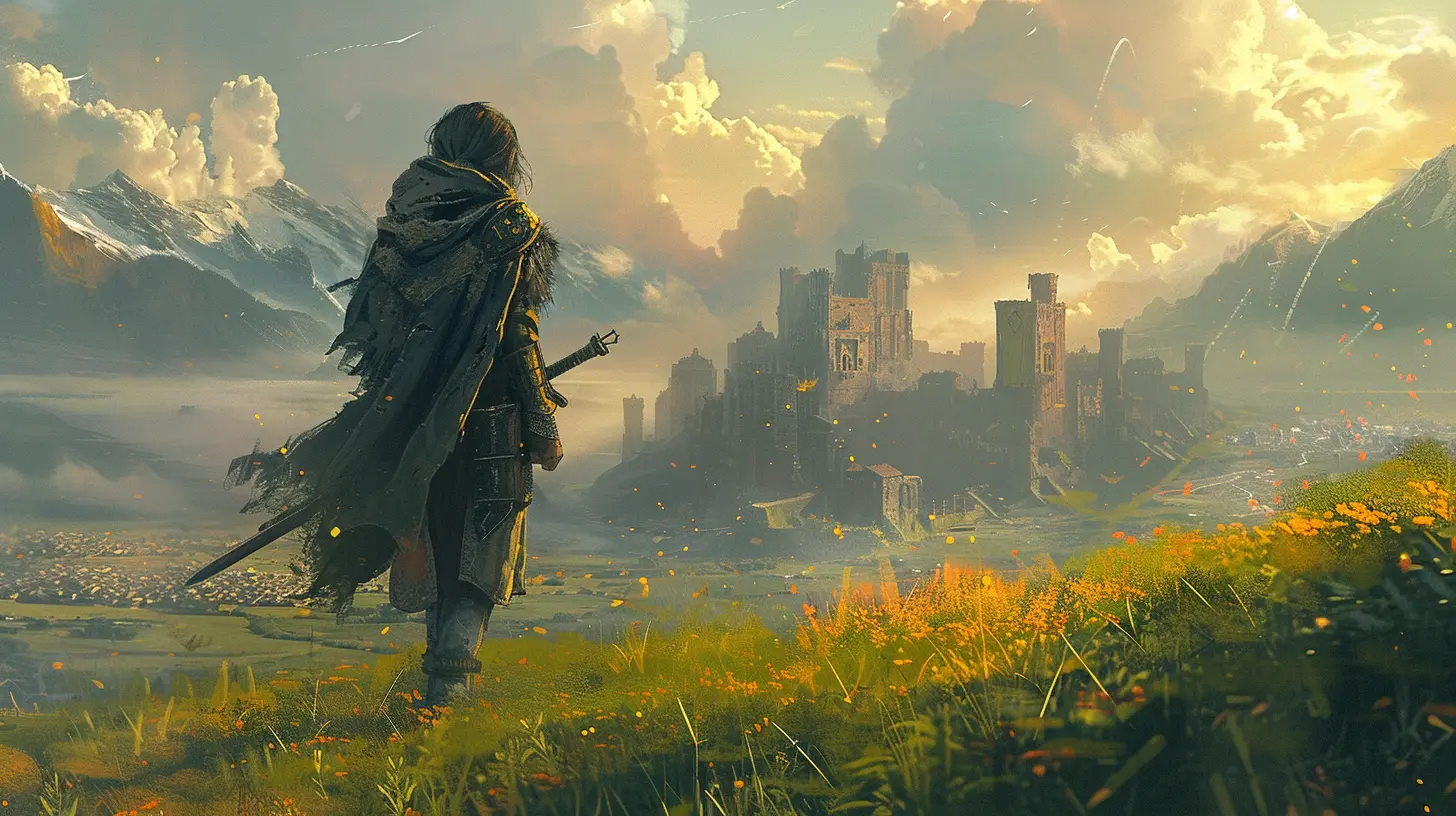
The Old-School Grind vs. The New Wave of Choice
Back in the day, replaying a game mostly meant starting from scratch, maybe choosing a different class if it had one (shoutout to every RPG that gave us Warrior, Mage, or Rogue for the 300th time). You'd trudge through the same story, make the same choices, and maybe just try not to die in the lava level this time.But gaming evolved. Developers realized something: players are nosy, unpredictable chaos gremlins. And that’s a good thing.
Games like Skyrim, The Witcher 3, and Cyberpunk 2077 stopped spoon-feeding you linear plots and started tossing you into sandboxes filled with shiny toys, dubious moral decisions, and the freedom to say, “Yeah, I’m gonna romance this character AND burn their village. Free will, baby!”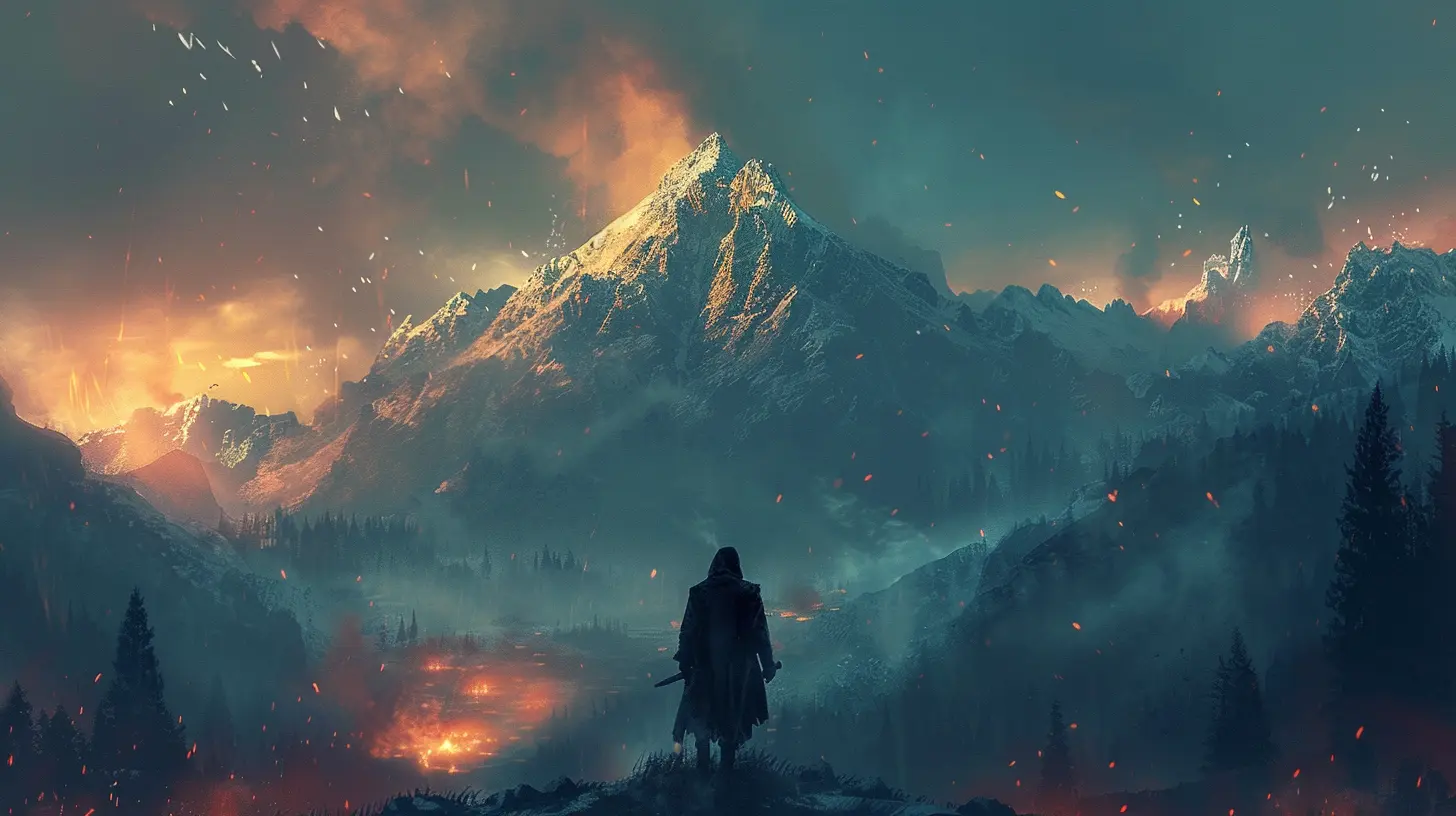
What Is Player Freedom and Why Should You Care?
Okay, let’s define it real quick—not in some textbook-y way, but in “you’ll get it” terms.Player freedom = the ability to choose what, when, how, and even why you do things in a game.
It’s not just choosing your gender or giving your character a mohawk (though that helps). It’s deeper: branching narratives, open-world exploration, multiple solutions to problems, and sandbox-style gameplay. Think “choose your own adventure” meets “you might regret that decision later.”
Why should you care? Because it means the game doesn't end when the credits roll. It means your second, third, even fifteenth playthrough can be a completely different experience.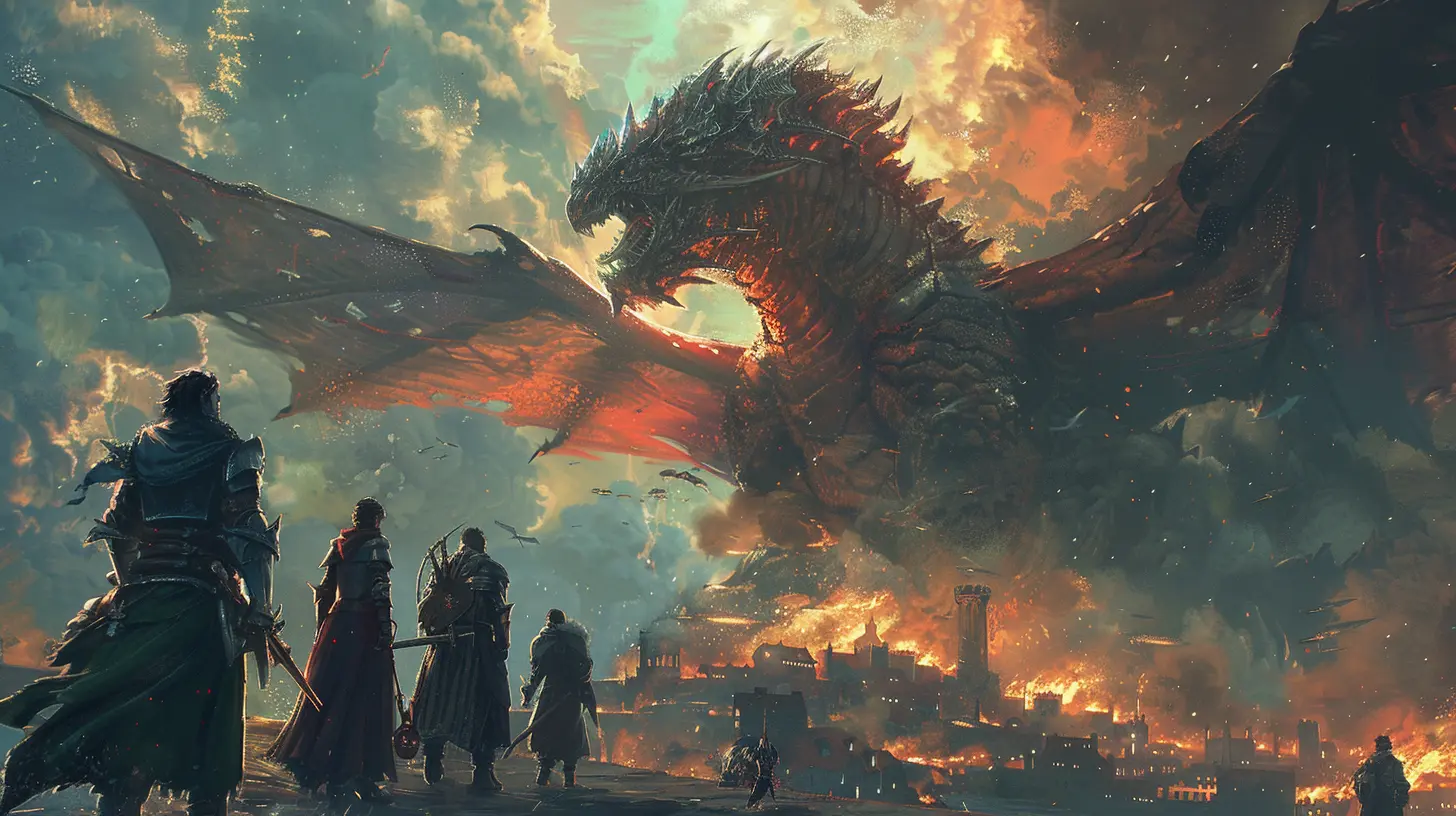
Choice Matters – And So Does Consequence
Making choices is fun. (Except in real life, where I still can't decide what to eat.) In games though? It’s exhilarating.But the twist lies in how consequences kick in. Games that offer real, branching consequences to your choices suck you in like a black hole of “just one more quest.” You lie to that NPC? Their brother comes after you. Save the town? Cool, but now bandits have a bounty on your head. Games like Mass Effect, Dragon Age, and Undertale do this to perfection.
Suddenly, you're replaying not to "do better" but to do differently.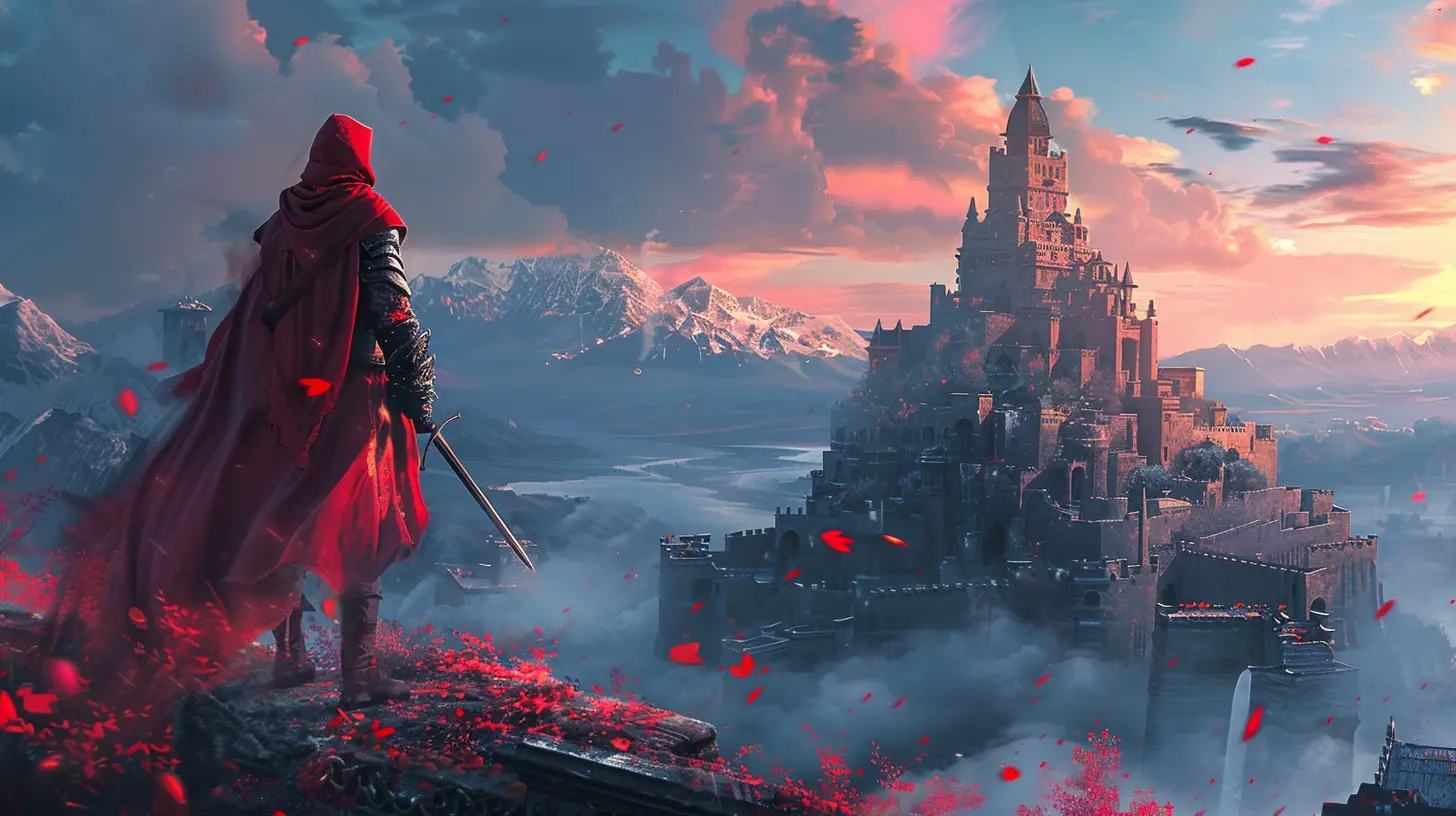
Not All Player Freedom Is Created Equal
Let’s get real. Some games say you have freedom, but it’s 100% fake news. Like those dialogue options that are basically:- Yes
- Totally Yes
- Absolutely Yes
- Yes...but with sarcasm
C’mon, that ain’t freedom. That’s a pick-your-tone simulator.
True freedom comes when your choices change the world, even in small ways. Maybe NPCs remember your name (and your crimes), or cities evolve because of your actions. When the world reacts to you, that’s when it hits different.
The Replayability Goldmine: Multiple Endings and Playstyles
Alright, confession time: I’ve replayed Dishonored at least five times. Not because I love rats (although... maybe). But because every run lets me tweak my entire approach. Go stealth? Ghost through like a ninja. Go lethal? Rain chaos like a discount Batman without the no-kill rule.When games support:
- Multiple endings based on your choices
- Diverse playstyles (stealth, combat, diplomacy, sheer dumb luck)
- Dynamic world responses
...it practically demands a rerun. Maybe this time, you won’t accidentally trigger a plague (looking at you, high-chaos endings).
Side Quests: The Real MVPs of Freedom
Main quests are cool and all, but let's be honest—side quests are where the soul lives. They’re the weird, wonderful rabbit holes that make each playthrough unique.Remember that one time in Red Dead Redemption 2 you ended up chasing a vampire? Or when you helped a talking tree solve a domestic dispute in The Elder Scrolls? Yeah, those moments never came from just following the main storyline.
When games give you the freedom to wander the world and bump into quirky, hidden content, it’s like unwrapping secret bonus levels of fun.
Emergent Gameplay: When You Become the Storyteller
Here’s the wild part: sometimes it’s not about what the devs wrote—it’s what you create.Ever accidentally start a war because you punched a chicken in Skyrim? Or set an entire outpost on fire in Far Cry because you threw a molotov trying to scare a goat? That’s emergent gameplay, baby. You do something unexpected, and the game doesn’t break—it rolls with it.
That unpredictability is what gets you to come back and think, “What chaos can I unleash this time?”
The Rise of Modding: Ultimate Freedom (with a Side of Madness)
Can we talk about mods for a sec? Because if player freedom is a party, mods are the dancing goat on the table.Games like Minecraft, Skyrim, and GTA V have entire galaxies of player-made content. Want to turn dragons into Thomas the Tank Engine? You can. Want to play as Shrek in post-apocalyptic Boston? There’s a mod for that.
Modding turns an already replayable game into an endless canvas. It’s DIY replayability on steroids—and it’s glorious.
Multiplayer and Co-op: When Friends Bring the Wild Card
Let’s not forget the holy grail of unpredictability: your friends.Add even a single co-op buddy into your open-world adventure, and suddenly that stealth mission turns into a loud, chaotic Taco Tuesday. Depending on your squad's impulse control (or lack thereof), every session can feel brand new.
Games like Sea of Thieves, Valheim, or Divinity: Original Sin 2 give you freedom—and then trust you to use it responsibly. Spoiler: you won’t.
And that’s okay. That’s the point.
Is Too Much Freedom a Bad Thing?
Alright, Devil’s Advocate time. Can a game give you too much freedom? Like, “I’ve been wandering for 3 hours and haven’t touched the storyline” kind of freedom?Short answer: maybe. Long answer: it depends on the player.
Some folks love the “do whatever you want” mentality (Breath of the Wild, I’m looking at you), while others need a little structure lest they get lost trying to stack apples for fun.
Balance is key. The best games gently guide without backseat driving. They say, “Hey, here’s some cool stuff to do, but no pressure, my guy. You do you.”
The Takeaway: Freedom is the New Game+
Gamers are craving more than pretty graphics and big-budget explosions (though those are nice, too). We want stories that change, choices that matter, and worlds we can mold like pixelated Play-Doh.So when we ask, "What makes a game replayable?", it's not just about extra missions or high scores. It’s about freedom. The freedom to mess up. To explore. To try again—not because we have to, but because we want to see what happens.
Replayability isn't just a feature anymore—it’s a feeling. And freedom is the co-op buddy that keeps bringing us back for one more go.
Game Developers, Take Note
If you're a dev reading this (bless your over-caffeinated soul), listen up: giving players meaningful freedom doesn't mean handing them a massive open world full of nothing.It means giving them tools, choices, consequences, and maybe a chicken to accidentally punch. It means crafting your game so that no two playthroughs look the same—even if they're on the same save file.
Because when players feel like their decisions matter, they come back not out of obligation, but out of curiosity. And that, my friends, is the kind of replayability you can’t patch in later.
Final Thoughts: Freedom is Fun, and Fun is Forever
To sum it all up in gamer terms: player freedom = infinite side quests in the game of replayability.It transforms you from a passive traveler in a story to the co-author of your own chaotic adventure. Why watch the same movie twice when you can rewrite the script every time you play?
So next time you're booting up a game and wondering if it’s worth diving into again... ask yourself, “Did I actually finish it, or did I just play it one way?”
Because in games with true freedom, the story only ends when you say it does.
all images in this post were generated using AI tools
Category:
Rpg GamesAuthor:

Leif Coleman
Discussion
rate this article
2 comments
Marcus Jacobs
Embrace freedom, enhance your adventure!
May 11, 2026 at 4:17 PM
Leif Coleman
Thanks for your thoughts! Freedom truly opens up new adventures and keeps the experience fresh every time.
Zephyros Reynolds
Great article! You captured how player freedom truly enhances replayability, allowing us to explore new strategies and experiences. It’s amazing how choices can lead to endless adventures!
April 29, 2026 at 3:11 AM
Leif Coleman
Thank you! I'm glad you found it insightful. Player freedom really does open up so many possibilities.