How RPGs Teach Us About Empathy and Perspective
3 July 2026
Role-playing games, or RPGs, have been around for decades, captivating players with endless adventures across fantasy kingdoms, post-apocalyptic wastelands, and interstellar galaxies. But beyond the epic boss battles and character leveling, RPGs serve a much deeper purpose—one that extends far beyond the screen or tabletop. They teach us something fundamentally human: empathy and perspective.
Yeah, that might sound like a stretch to someone who’s never poured 100+ hours into a game just to make a morally gray decision, but stick with me. RPGs are more than just fun—they're empathy machines.
Let’s dive in and unpack how these digital and tabletop worlds are quietly shaping the way we understand ourselves and others.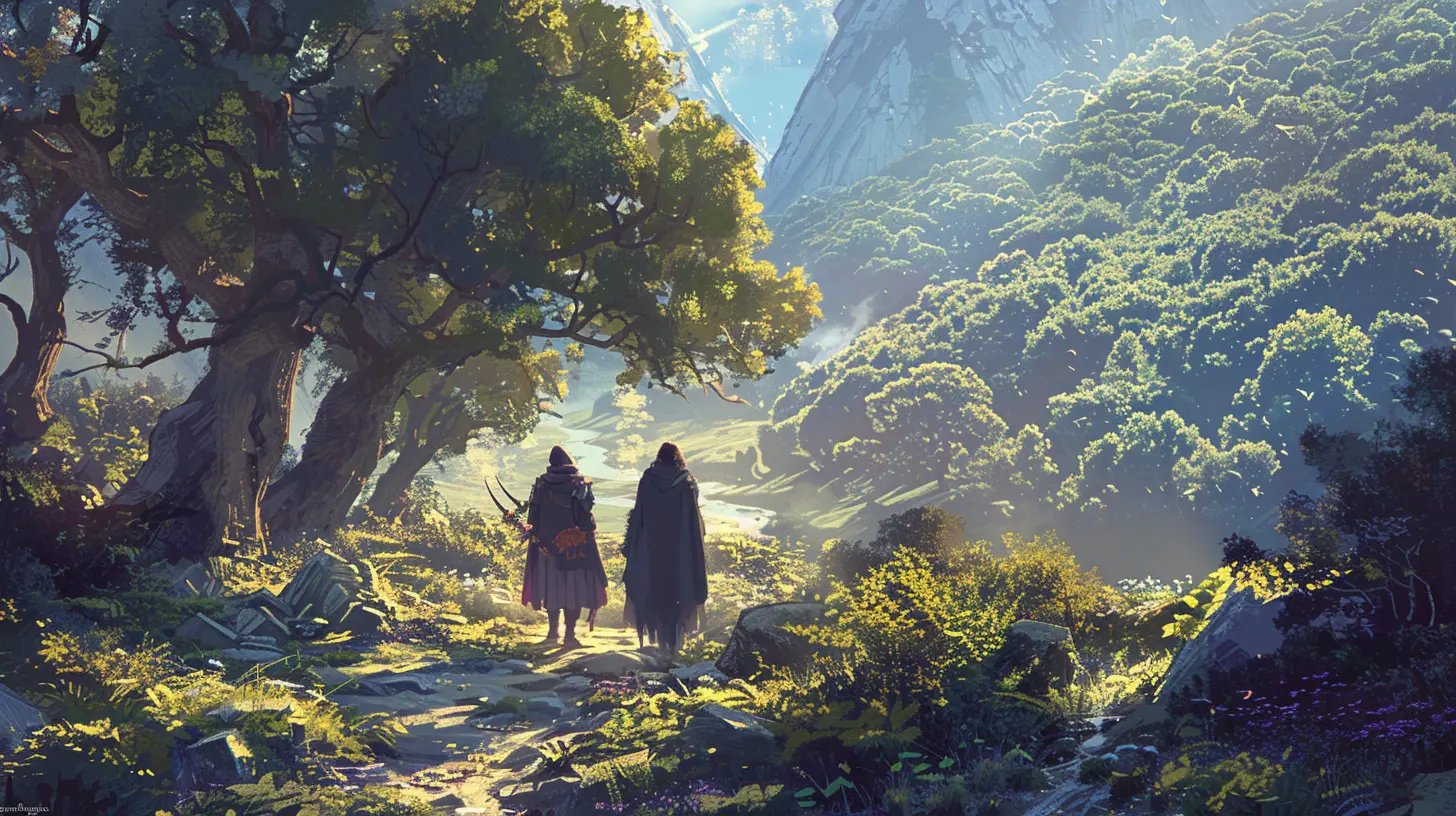
What Are RPGs, Really?
Before we dig into the emotional stuff, let’s get on the same page.An RPG, or role-playing game, is a game where you assume the identity of a character (or a group of characters) and navigate through a story-rich environment. This could be a video game like The Witcher 3, a tabletop game like Dungeons & Dragons, or even a live-action RPG (LARP) if you’re into running around in costume.
At the core of every RPG is one simple idea: you play someone else.
And that's where the magic starts.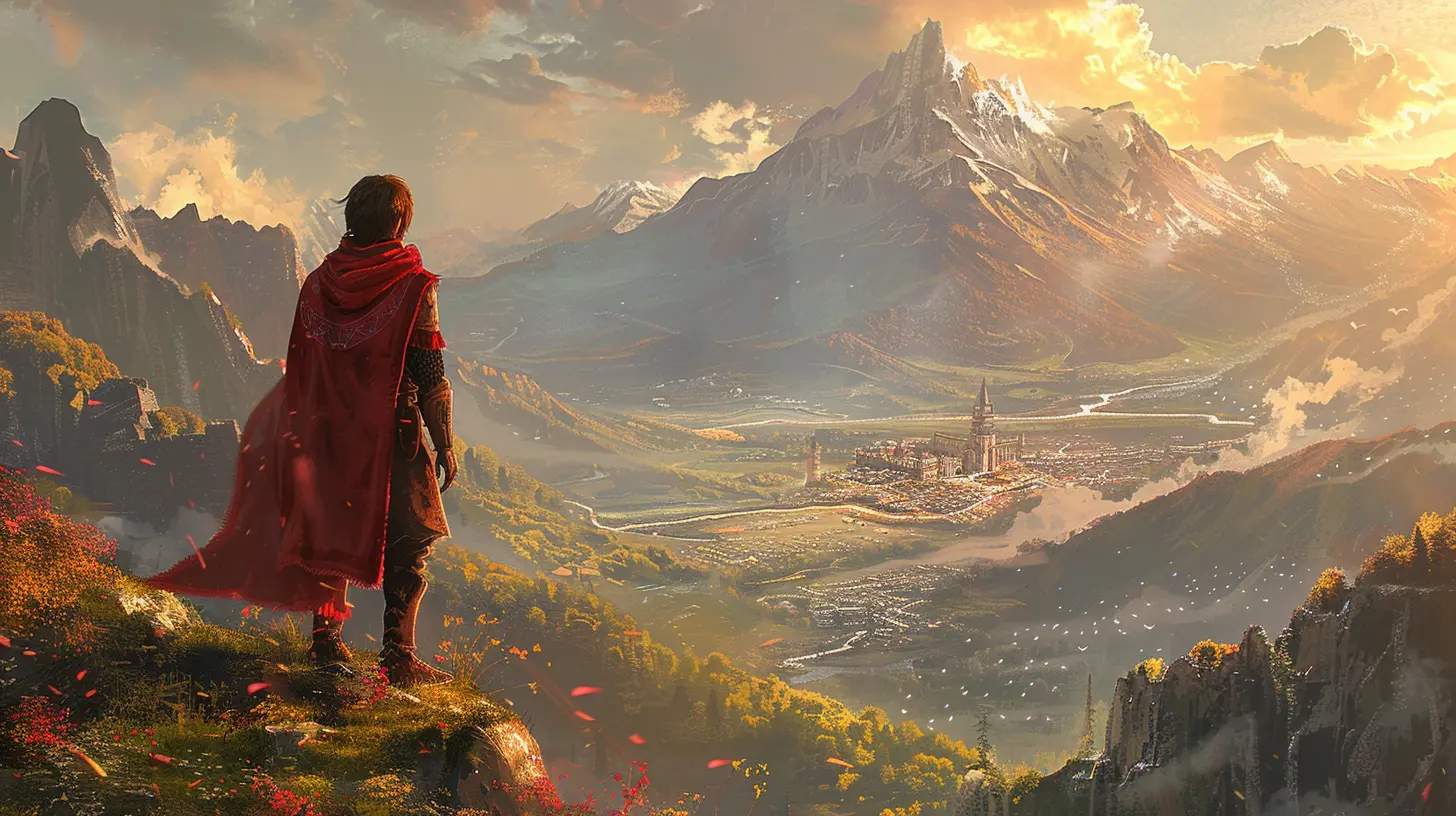
Walking a Mile in Someone Else’s Boots (Or Hooves, Fins, Wings...)
When you step into the shoes of a character—a rogue from the poverty-stricken underbelly of a steampunk city or a paladin haunted by a dark past—you stop thinking like yourself for a while. Instead, you start asking:- What would they do in this situation?
- How do they see the world?
- What drives them?
By role-playing as someone completely different from yourself, you're flexing your empathy muscles—no gym membership required.
Think of it as emotional cosplay. You’re not just wearing a costume; you're adopting another life, mindset, and emotional baggage. And when you start making decisions based on that character’s values rather than your own, that’s empathy in action.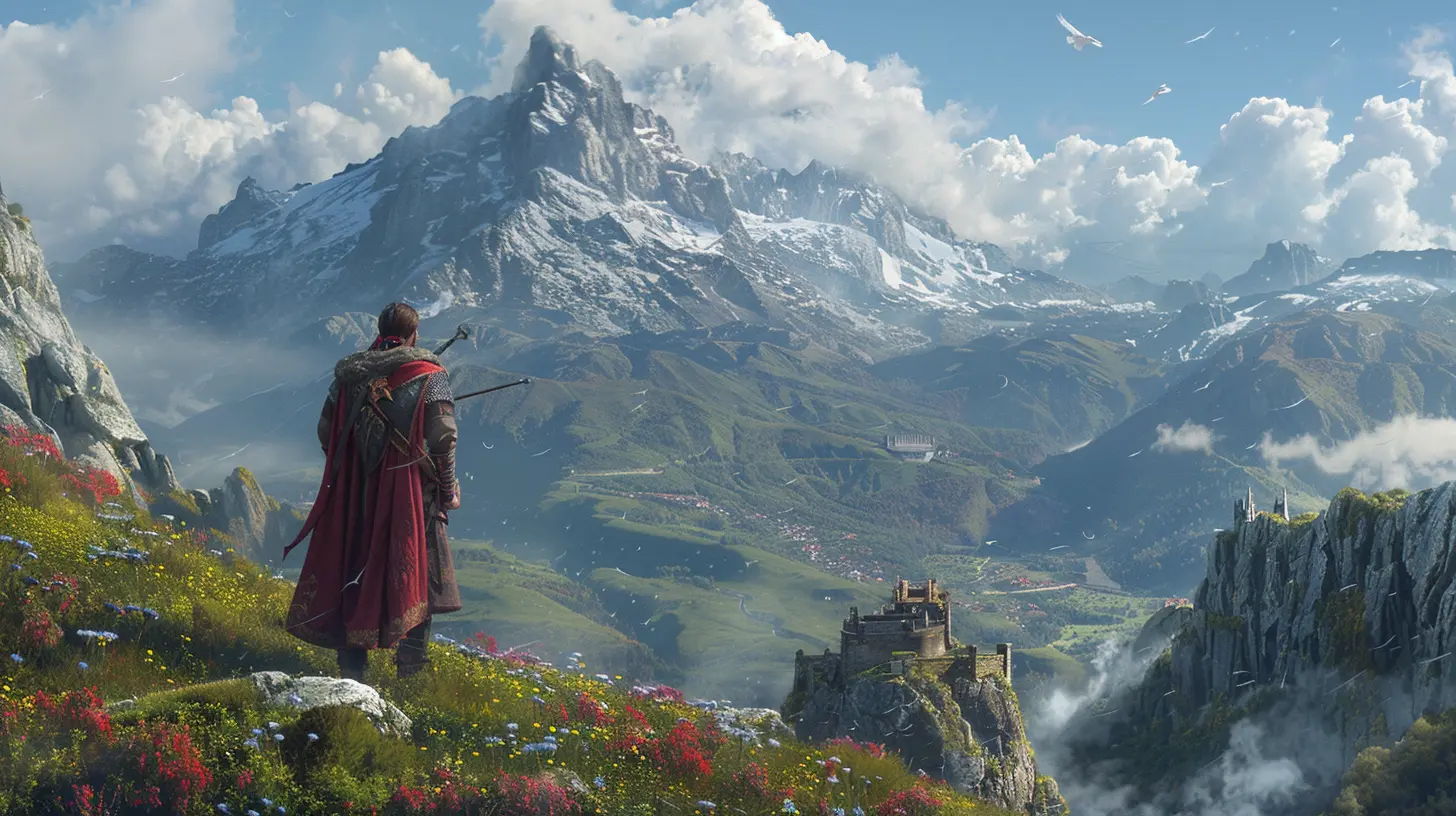
Decision-Making: The Real-World Training Ground
Every great RPG gives you a set of choices. Some are easy, like deciding whether to save the merchant from bandits. Others? Not so much. Imagine choosing between saving a town from destruction or rescuing your companion’s kidnapped sister. There's rarely a clear “right” answer—and that’s intentional.These moral gray areas are RPG gold.
Why? Because they force us to think from multiple points of view. You start to understand the weight of your decisions—not just from your character’s perspective, but from the perspectives of those around them.
RPGs don’t just say, "Make a choice." They say, "Understand why this choice matters."
That’s some next-level emotional intelligence training, if you ask me.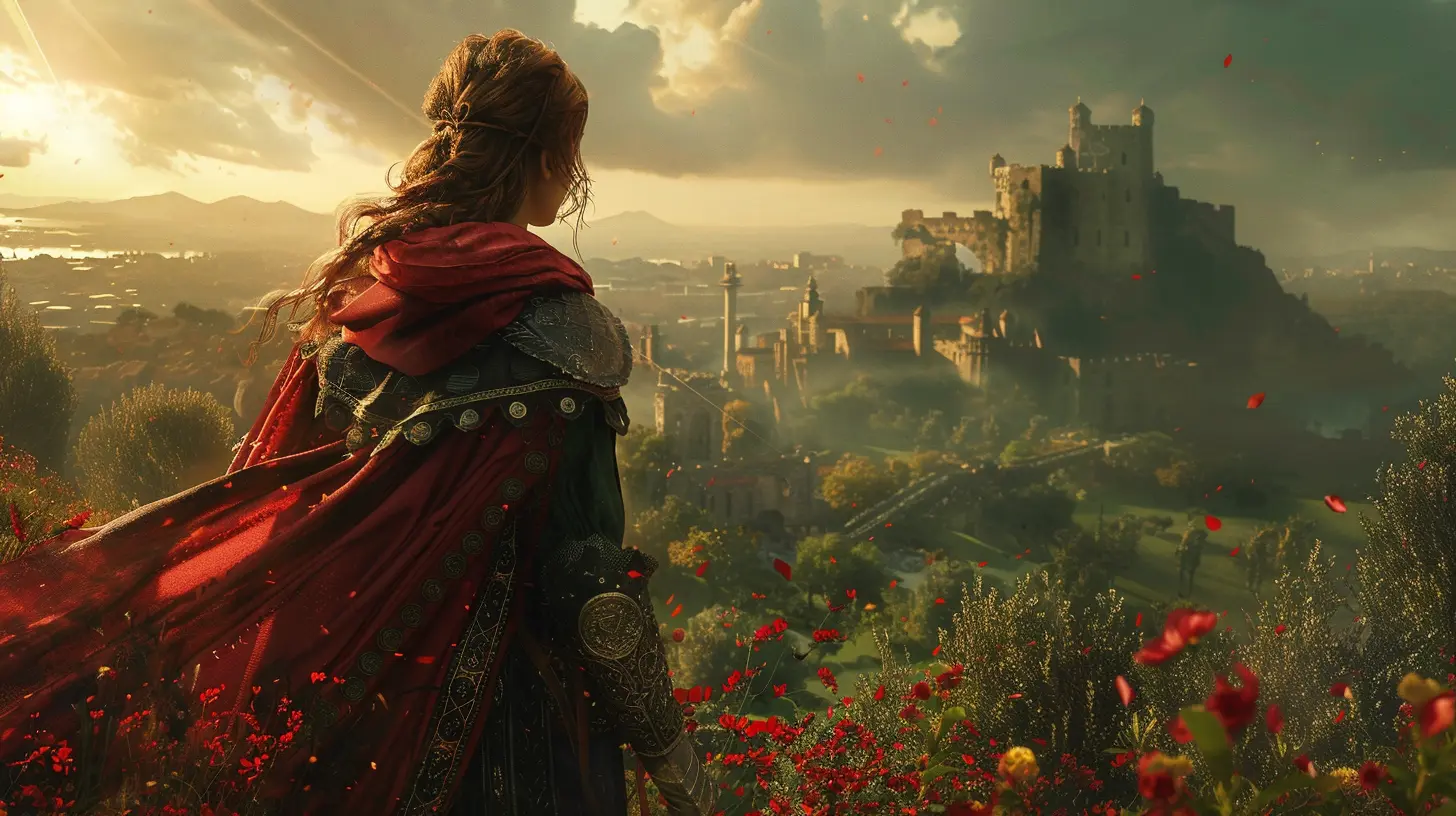
Dialogue Trees: Where Empathy Blooms
If you’ve played story-heavy RPGs like Mass Effect, Dragon Age, or Cyberpunk 2077, you’re probably familiar with dialogue wheels or conversation trees. These features allow you to choose how your character responds in different situations—and each choice has its own consequences.Engaging with NPCs (non-playable characters) in these games isn’t just about collecting quests. It’s about listening, reading between the lines, and responding thoughtfully.
You may find yourself comforting a grieving character, talking a desperate enemy down from violence, or helping someone confront their past. Not because you have to, but because you want to.
That’s empathy creeping in, real quiet-like.
NPCs Are People Too (Sort of)
Let’s give a little love to the non-playable characters.Game developers put a ton of effort into turning these digital faces into believable, relatable individuals. And one of the biggest shifts in modern RPGs is the inclusion of diverse, complex NPCs with real struggles, insecurities, and flaws.
More than just quest-givers or background noise, these characters often mirror real-world identities and issues. You’ll encounter displaced refugees, veterans with PTSD, children caught in war, and more.
Interacting with them? That’s where you start seeing the world through eyes you might never have considered before.
Tabletop RPGs: Empathy in the Raw
While video games are more scripted, tabletop RPGs like Dungeons & Dragons push immersion even further.Here, you’re not just choosing from dialogue options—you’re creating them from scratch. You're sitting at a table (or a Zoom call), thinking on your feet, reacting to others, and building a world together.
This shared storytelling fosters empathy in a big way. Why? Because it’s collaborative.
You have to listen. You have to consider your party’s goals, personalities, and emotional reactions. Conflict arises, hearts get broken, and heroes falter. And through it all, you learn how to relate to people—not just characters.
Gender, Race, and Identity in RPGs
RPGs provide a unique opportunity to explore different aspects of identity in a safe environment. Want to play as a character of a different gender, race, or orientation? Go for it. The best RPGs not only allow this—they encourage it.This kind of role-playing can lead to profound insights. For some, it might be an experiment. For others, it’s a way of affirming something deeply personal.
Either way, it fosters understanding. When you walk through a fantasy world experiencing microaggressions or systemic oppression—things that mirror real-life issues—it changes how you look at the world.
You're not just playing pretend. You're experiencing someone else's truth.
The Power of Consequences
One of the most powerful empathy-building aspects of RPGs is the concept of consequences.Make a choice to betray a friend? It might bite you in the next chapter. Save a village today? Maybe they'll come to your aid later.
Actions have weight, and that’s an important life lesson.
Understanding cause and effect, especially as it relates to emotional fallout, helps players see how their decisions impact others. It's like a sandbox for real-world social dynamics.
RPGs and Emotional Growth
Let’s not underestimate the emotional intelligence RPGs can develop.By navigating conflict, heartbreak, betrayal, and tough moral decisions, players often process real emotions in a fictional setting. It’s like emotional cross-training.
You might find yourself crying over a companion’s death, feeling guilty over a harsh decision, or proud of a peaceful resolution you worked hard to negotiate. These emotions are real, even if the world isn’t.
And that’s the beauty of it.
Real-World Applications: Beyond the Game
So, how does this all translate to the real world?Simple. The empathy and perspective gained from RPGs bleed into everyday life.
- You may become a better listener.
- You might pause before judging someone.
- You’ll be quicker to consider how others feel in a given situation.
That’s not just good gaming—that’s good humanity.
In fact, some educators and therapists are already using RPGs to teach social skills, empathy, and emotional regulation. It’s not just about dragons anymore—it’s about development.
Kids and RPGs: Empathy Starts Early
If you’re a parent or teacher, here’s some food for thought: get kids into RPGs early.Games like D&D or even story-driven board games encourage imagination, critical thinking, and yes—empathy. Kids learn to collaborate, compromise, and care about others’ feelings through shared storytelling.
Forget lectures—let them play. They’ll learn more about perspective at a game table than in most classrooms.
Not All RPGs Are Perfect (Yet)
Lest we start handing out halos to every RPG developer, let’s admit something: not all RPGs are paragons of diversity and emotional depth.Some are still stuck in outdated tropes, flat characters, or binary morality systems. Others shy away from representing marginalized voices altogether.
But the good news? The industry is evolving.
More indie developers are pushing boundaries, telling nuanced stories, and representing unheard voices. And gamers? They’re demanding better.
Final Thoughts: RPGs Are More Than Games
RPGs are more than just escape—they’re empathy workouts.In a world increasingly divided by misunderstanding and lack of compassion, these games give us something rare: a chance to see through someone else’s eyes. To feel what they feel. To think like they think.
And maybe, just maybe, we come away a little more human because of it.
So next time you're building your ranger or rolling initiative, remember—you're not just playing. You’re learning how to care. One decision, one dialogue choice, one story at a time.
all images in this post were generated using AI tools
Category:
Rpg GamesAuthor:

Leif Coleman
Discussion
rate this article
2 comments
Berenice Dorsey
RPGs offer unique insights into diverse characters and situations, allowing players to explore empathy and perspective in ways that traditional storytelling often can't.
September 9, 2026 at 3:11 PM
Leif Coleman
Absolutely. RPGs immerse players in different lives, fostering empathy and understanding through personal experience. It's a powerful way to see the world from new angles.
Nell Gray
RPGs truly expand our understanding of others and deepen our empathy... such a gift.
July 16, 2026 at 4:47 AM
Leif Coleman
Absolutely! RPGs let us step into different shoes, fostering genuine connections and understanding. It's a unique way to learn about diverse perspectives.