How to Spot Fake and Reproduction Games in the Wild
28 February 2026
Let’s face it—hunting for retro games out in the wild is one of the most thrilling parts of being a collector. You never know what hidden gem might be lurking in that old cardboard box at a garage sale or flea market. But along with the treasure hunt comes a major risk: fakes.
Yep, the retro game scene has gotten so big that counterfeiters are cashing in. Whether it's a copy of Pokémon FireRed or an ultra-rare SNES cartridge, repros (aka reproductions) and flat-out fakes are all over the place now. If you’re not careful, you could end up forking over serious cash for a knockoff.
But don’t worry—I’ve got your back.
In this guide, we’re cutting through the noise. You’ll get real-world, no-fluff tips for spotting fake or reproduction games when you're out in the wild. Whether you’re at a thrift store, a retro game con, or buying locally from someone on Facebook Marketplace, you’ll know what to look for.

Why Spotting Fakes Matters (Big Time)
Let's start with something super simple: fake games suck. Not just because they're worthless to collectors, but because most of them don’t work right—and even if they do, they probably won’t for long.Imagine finding your dream game, like EarthBound or Chrono Trigger. You shell out $200... only to find out later it's just a cheap replica. Hurts, right? Even worse, what if you trade away a legit copy in exchange for a fake?
Spotting fakes isn’t just about making sure you get your money’s worth—it’s about protecting your collection and peace of mind.

Key Differences Between Fake, Repro, and Bootleg
Before we dive into detection tips, let’s clarify something: not all non-authentic games are the same.- Fake Games: These are made to trick buyers into thinking they're the original deal. They mimic the real label, case, and PCB (Printed Circuit Board) as closely as possible.
- Reproduction Games (Repros): These are usually fan-made or modified versions of existing games. Sometimes they contain translated or altered code. They’re not always maliciously sold as originals, but it happens.
- Bootlegs: Think of these as cheap, mass-produced copies—often with weird glitches and poor build quality. Bootlegs are most common in handheld cartridges like Game Boy or Game Boy Advance.
Knowing the difference might help you determine if someone’s trying to scam you—or if they’re just cluelessly reselling.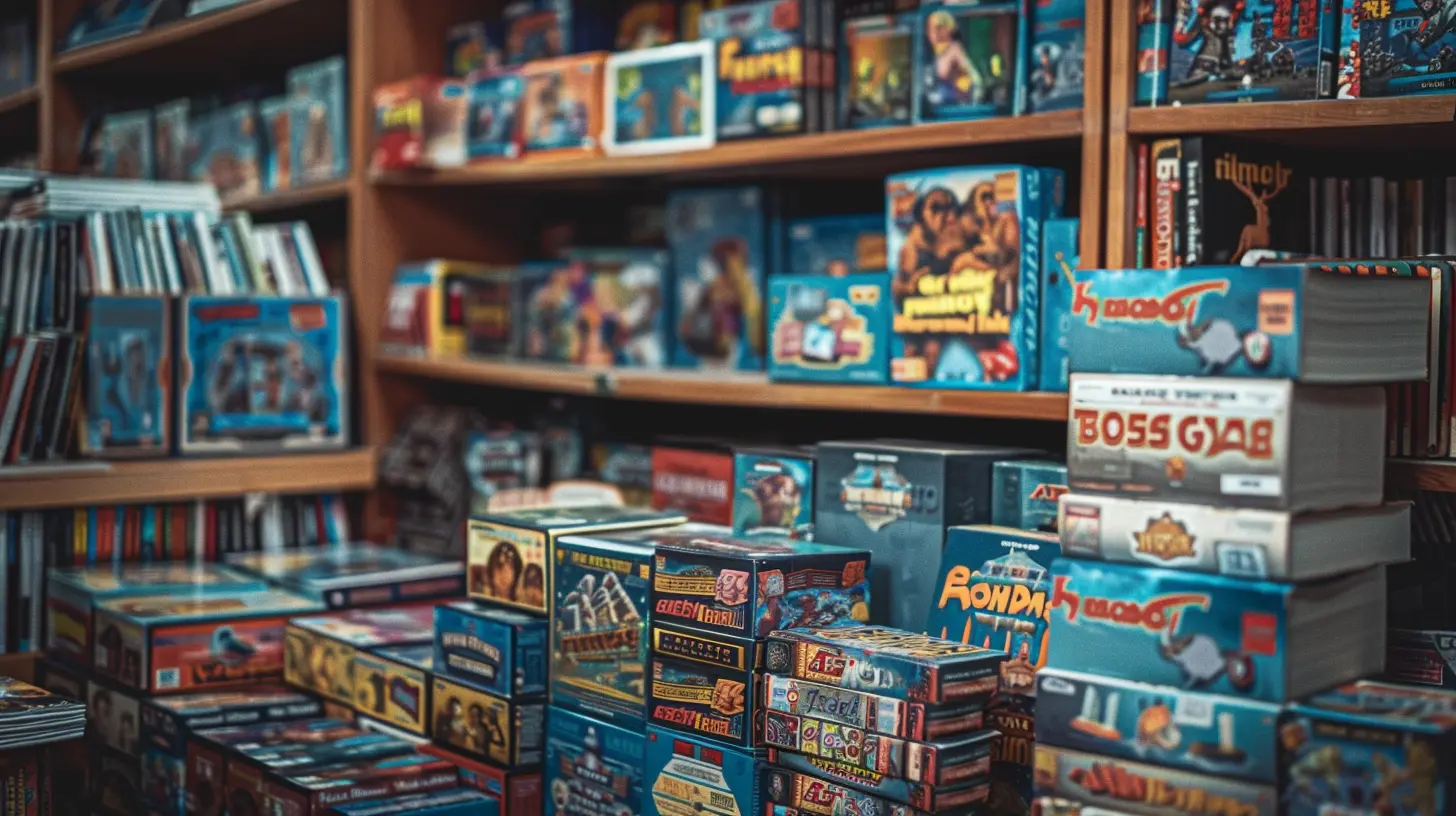
Detecting Fakes: Spotting the Red Flags
Now onto the juicy stuff. Let’s break it down by console and look at how to sniff out the phonies.1. Start With the Cartridge Itself
Most fake games fall apart under visual scrutiny. Here’s what to look for immediately when handling a cartridge:💡 Cartridge Shell Quality
Legit cartridges feel solid and are high-quality. Fakes often feel off—too light, flimsy, or made from cheap plastic.- Thickness: Fakes are often thinner.
- Color Matching: Nintendo used consistent colors. If it’s a GBA cart and the label is fine, but the plastic is translucent instead of solid—something’s fishy.
🔍 Label Details
You can tell a lot from looking at the label.- Blurry or Off-Center Print: Legit labels are sharp and aligned perfectly.
- Wrong Font or Logo: You’d be surprised how many fakes print "Nintondo" instead of "Nintendo".
- Shiny vs. Matte Finish: Some consoles used holographic stickers or special finishes—if yours is flat and dull, it could be fake.
2. Flip It: Check the Back and Screws
Turn that bad boy over. The back tells secrets.- Nintendo Branding: Most authentic carts have the console name embossed or engraved on the back (e.g., “Nintendo GAME BOY”).
- Screw Type: Originals use special screws (like tri-wing screws or game screws). If it’s a Phillips head, that’s a red flag.
- Sticker Placement: Some systems have serial-number stickers or region indicators—fakes may skip these or slap on poor imitations.
Console-Specific Fake Spotting Tips
Fakes behave differently depending on the console. Here's your cheat sheet:🕹 NES and SNES
- Real SNES carts have a hefty feel.- Check circuit boards: If you can safely open them, legit PCBs usually have official branding (“Nintendo” or “SHVC” codes).
- Watch out for repro labels. Some scammers take sports games and slap an EarthBound label on them.
🎮 Nintendo 64
- The N64 logo on the label should be crystal-clear. Fakes often struggle with color bleed.- A missing or generic back label? That’s a bad sign.
- The game should sit snug inside the console. Wobbly = suspicious.
🧃 Game Boy / Game Boy Advance
- This is counterfeit central—be careful.- GBA fakes often have translucent carts when they should be opaque.
- Authentic Pokémon games (like FireRed, Emerald) had internal batteries and holographic labels.
🥋 Sega Genesis
- Genesis carts are thick with a distinctive ridge. Fakes sometimes use thinner plastic.- Authentic Sega games often have a red stripe or "Sega" name on the spine label.
📀 PlayStation (PS1/PS2)
- Pirated discs are usually CD-Rs. Flip the disc—if it’s purple or blue, it's a CD-R.- Look at the inner ring/hub. Authentic Sony discs have etched serial numbers.
- Cheap label printing or no manual? That's a giveaway.
Advanced Spotting: Opening the Cartridge (Safely!)
If you’re serious about spotting fakes—especially for higher-end games—it pays to peek inside.Tools You Need:
- 3.8mm and 4.5mm security bit screwdrivers (Nintendo-specific)- Tri-wing driver (for GBA carts)
What to Look For:
- Manufacturer Marks: Real PCBs usually say Nintendo, Sega, Sony, etc.- Chip Count and Location: Repros often have fewer chips or weirdly placed ones.
- Battery Type: Some games need save batteries (like Pokémon). If it’s missing or looks wrong, it’s likely fake.
But only open a game if you own it or have permission. Don’t go unscrewing stuff at a con table—unless you want dirty looks.
Packaging Tells: Boxes, Manuals, and Inserts
If you’re buying Complete in Box (CIB), don’t forget to check the packaging too.- Gloss and Print Quality: Real boxes usually have a nice sheen and deep colors.
- Manual Size and Font: Fakes often reduce the manual to save costs, or use blurry fonts.
- Spelling Errors: Sounds dumb, but this is a dead giveaway. Look closely—especially on the back of the box.
Use the Internet (Yes, Really)
If you’re unsure in the wild, whip out your phone.- Compare Images: Google the game and compare labels side-by-side.
- Serial Number Matchup: For disc-based games, check if the serial on the disc matches the case.
- Communities: Post pics in collector forums or subreddits like r/gamecollecting. People LOVE to help spot fakes.
Trust Your Gut – Seriously
You know that little voice? The one that says, “Something’s off here…” Listen to it.If the price seems too good to be true, or if the seller seems cagey about questions—walk away. There will always be another copy out there.
It’s better to miss a sweet deal than regret buying a fake.
Quick Reference: Fake-Spotting Checklist
Here’s a TL;DR so you can screenshot or print for your next hunt:✅ Does the cartridge feel sturdy and heavy?
✅ Is the label high-res and aligned correctly?
✅ Do the screws and back label match legit ones?
✅ Are the plastic and color consistent with originals?
✅ Do the PCB and chips look authentic (if opened)?
✅ Are there any spelling errors on the label or packaging?
✅ Is the seller willing to answer questions or show more photos?
✅ Does the price match the market value?
If you’re checking off a bunch of “no’s”—leave it.
Final Thoughts: Patience Pays Off
Collecting retro games is a marathon, not a sprint. In the heat of the moment, especially when emotions get involved (OMG, I found a sealed copy of Chrono Trigger!!!), it’s easy to overlook the red flags.But slow down. Breathe. Inspect everything.
Most seasoned collectors have a story of getting burned by a fake at least once. Let that be someone else’s mistake—not yours. With a little know-how and cautious optimism, you can build a killer collection of legit games, one cartridge at a time.
Happy hunting out there.
all images in this post were generated using AI tools
Category:
Game CollectingAuthor:

Leif Coleman
Discussion
rate this article
2 comments
Parker Perry
Remember, if the price seems too good to be true, it probably is! Trust your instincts and check for quality—real collectors spot fakes like pros.
March 5, 2026 at 4:36 PM
Leif Coleman
Absolutely! Trusting your instincts and prioritizing quality are key to avoiding fakes in game collecting. Great reminder!
Erin McKeehan
Just like finding Bigfoot, right?
March 4, 2026 at 5:12 AM
Leif Coleman
Exactly! Just as elusive, but with the right tips, you'll be able to spot the fakes!