How to Track the Value of Your Video Game Collection
4 August 2026
Got a stack of classic cartridges collecting dust? Maybe a shelf full of limited edition PlayStation games or sealed, mint-condition Switch titles? Whether you're a casual gamer or a hardcore collector, knowing the value of your video game collection is like having a hidden treasure map—except this one leads to potential cash or bragging rights. Either way, tracking your collection's value can be both fun and useful.
In this guide, we're going to walk through everything you need to know to keep tabs on your collection, from manual methods to digital tools, and even a few tips on how to maximize your games’ worth. Ready to dive in? Let’s game on.
Why Bother Tracking the Value of Your Collection?
Before we dig into the "how," let’s talk about the "why." Why would anyone want to spend time tracking the value of a bunch of old games?Well, let me throw out a few reasons:
- ? You might own something rare and valuable without knowing it.
- ? It feels amazing to see how your collection grows over time.
- ? It's handy for insurance or resale purposes.
- ? It helps you spot games worth hunting for in the wild.
Think of it like watching a savings account grow—but with colorful boxes and pixelated nostalgia.
Factors That Affect Game Value
Not all games are created equal. Some are worth pennies, while others are literal gold mines. Some Mario titles, for example, are so common that even your grandma has them. Others? Let’s just say they could pay your rent.Here are a few factors that influence a game’s value:
1. Condition Is Everything
Potential buyers, collectors, and even game stores care a lot about condition. Here's what to look at:- Sealed vs. Opened – Sealed games (especially with the factory shrink wrap intact) can go for 10x the value of opened ones.
- Complete in Box (CIB) – If you’ve got the game, manual, and original case, you're in good shape.
- Cartridge/CD Condition – Scratches, discoloration, or stickers can tank a game's value.
2. Rarity and Demand
A game might be rare, but that doesn't mean it'll fetch big bucks—unless people want it. High demand + low supply = worth tracking!3. Region and Edition
PAL, NTSC, Japanese imports—different regions can mean wildly different values. Plus, special editions or misprints are collector catnip.
Manual Tracking: Old-School but Effective
Some folks love to kick it old-school, and hey, more power to you.Use a Spreadsheet
Creating your own spreadsheet in Excel or Google Sheets gives you full control. Here’s what you might want to include:| Game Title | Platform | Condition | Edition | Purchase Price | Current Value | Notes |
|------------|----------|-----------|---------|----------------|---------------|-------|
| Zelda: Ocarina of Time | N64 | Good | Gold Cartridge | $20 | $120 | CIB |
Set up formulas to auto-calculate totals or track how much your collection has appreciated over time.
Pros:
- Totally customizable- You own the data
- Works offline
Cons:
- Time-consuming- No automatic updates
- Requires manual research
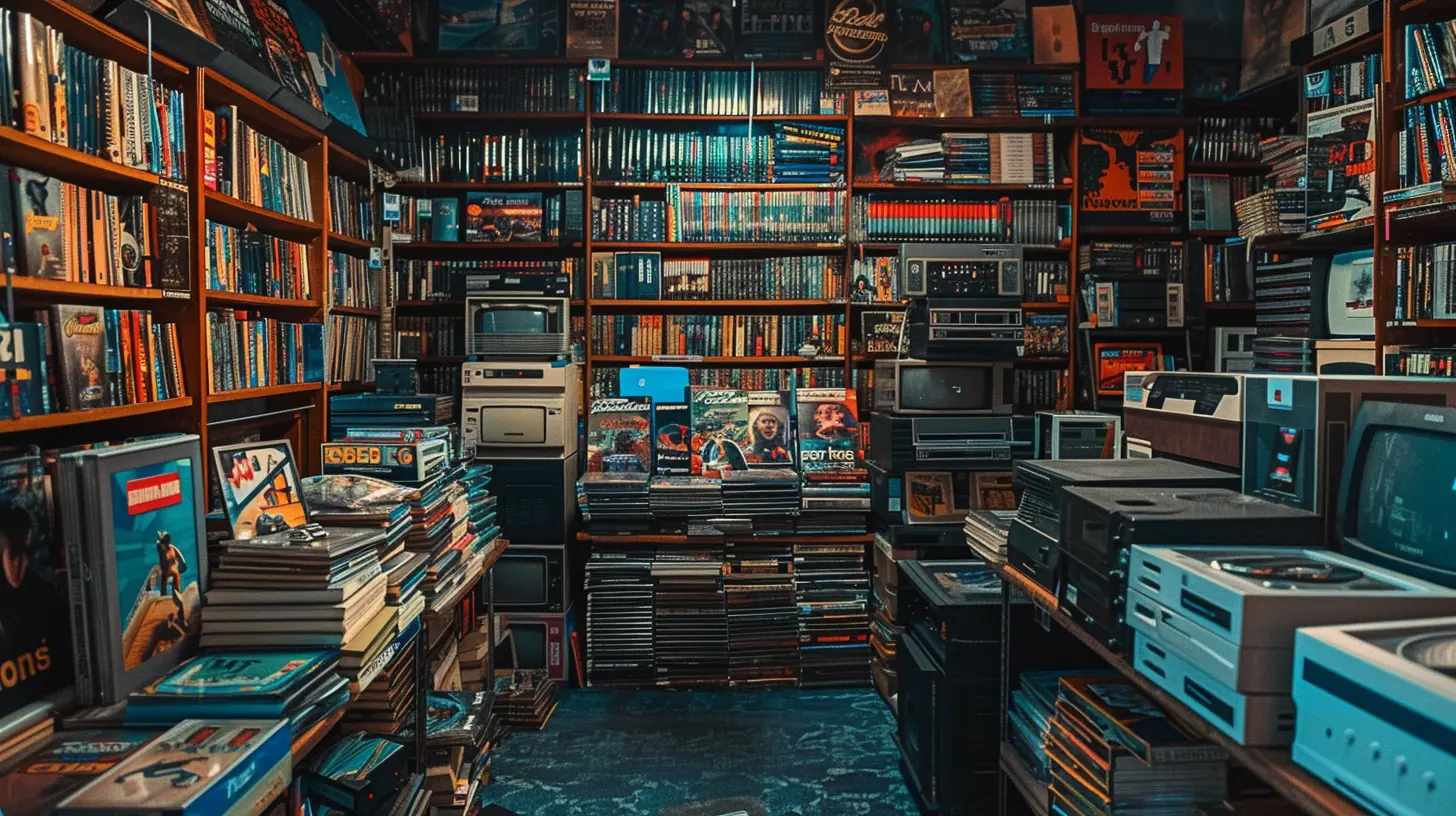
Online Tools and Apps That Do the Heavy Lifting
Don't feel like entering everything by hand? Good news—there are several platforms out there that make tracking your video game collection a breeze.1. PriceCharting
Probably the MVP of game value tracking. Just search for a title, and it shows current market rates for loose, CIB, and new conditions. They even have a collection tracker.Pros:
- Updated price charts
- Barcode scanning with the app
- Shows value trends over time
Cons:
- Some rare games might be missing
- Full features require account setup
2. Gameye
This app is a godsend for collectors. Scan a barcode and boom—it's added to your digital shelf, complete with current value estimates.Pros:
- Intuitive design
- Easy to scan and add games
- Works offline
Cons:
- Few missing titles, especially imports
- No deep analytics
3. Collectorz
A little more on the premium side, but packed with features. It even lets you upload custom cover art or add hardware.Pros:
- Desktop + mobile support
- Highly detailed fields
- Cloud sync
Cons:
- Paid app
- Slight learning curve
Creating a System That Works for You
There’s no one-size-fits-all method when it comes to tracking your collection. You’ve gotta find a system that matches your style—kind of like choosing a character class in an RPG.Here are some tips to nail it:
Start Slow, Then Scale
Don’t try to catalog your entire collection in one go. Start with your favorites or rarest titles, then work down. Trust me, it’s way less overwhelming.Schedule a Monthly Check-In
Set a reminder to update values once a month. That way, you stay on top of market trends without it becoming a full-time job.Watch for Market Shifts
Game values fluctuate like stocks. A popular YouTuber might shout out a forgotten title and boom—it spikes in value. Stay plugged into gaming news, forums, and collector communities.Tips for Maximizing the Value of Your Games
Now that you're tracking your collection like a pro, how about making that collection look even sweeter on paper (and possibly in your bank account)?Keep Original Packaging
Even if you're playing the game, save the box, manual, inserts—yes, even that warranty card you think nobody cares about. Collectors definitely care.Store Properly
Avoid sunlight, moisture, and extreme temps. Use plastic sleeves, display cases, or even acid-free boxes. Think of your games like rare comics or vinyl.Clean and Maintain
A little TLC goes a long way. Use soft cloths, avoid harsh chemicals, and keep cases scratch-free. Not only does this help the value—it just feels good owning pristine copies.What About Digital Games?
Okay, so here's the tricky part. Digital games typically don’t hold resale value, but that doesn’t mean they’re entirely worthless.Track for Archival and Personal Use
Use tools like Backloggery or GG to track what you own digitally. Even if you can’t resell, it's nice to monitor what you’ve spent and what you still need to play.Consider Account-Based Value
In some rare cases, entire gaming accounts (with hundreds of purchased titles) can be sold—though this often violates platform terms of service. So... proceed with caution.Turning Your Collection Into an Investment
If you've ever thought, "Could this hobby make me money one day?" the answer is: absolutely yes.Games from the '80s and '90s have massively appreciated. We're talking thousands of dollars for the right title in the right condition. But even modern games—limited releases, indie darlings, collector’s editions—can gain value if you hold onto them.
Treat your collection like an investment:
- Buy low, hold long.
- Focus on quality and demand.
- Keep everything in top condition.
If you’re smart about it, your gaming hobby can literally pay off.
Final Thoughts
Tracking the value of your video game collection isn’t just about the dollars and cents. It’s about celebrating the games you love, preserving gaming history, and maybe even scoring some cash down the line. Whether you’re cataloging treasures from your childhood or growing a new-age collection one title at a time, having a solid tracking system makes it all the more rewarding.So fire up those spreadsheets, download that app, and start leveling up your collection knowledge. Who knows? That dusty old game in your attic might just be your next big score.
all images in this post were generated using AI tools
Category:
Game CollectingAuthor:

Leif Coleman
Discussion
rate this article
1 comments
Thalia Love
Tracking the value of your video game collection is essential for both collectors and gamers. Using apps and online databases simplifies the process, ensuring you stay informed about market trends.
August 9, 2026 at 3:12 AM
Leif Coleman
Absolutely, keeping tabs on your collection is key. The right tools can make it so much easier to understand its worth and spot trends.