How Unreal Engine Powers Some of the Best Racing Games
21 June 2026
Racing games are fast, furious, and full of adrenaline-pumping action. But have you ever wondered what goes on under the hood of these visually stunning and ultra-smooth racers you love? Buckle up, because today we’re hitting the accelerator on one of the biggest game engines in the industry — Unreal Engine — and finding out how it fuels some of the best racing games out there.
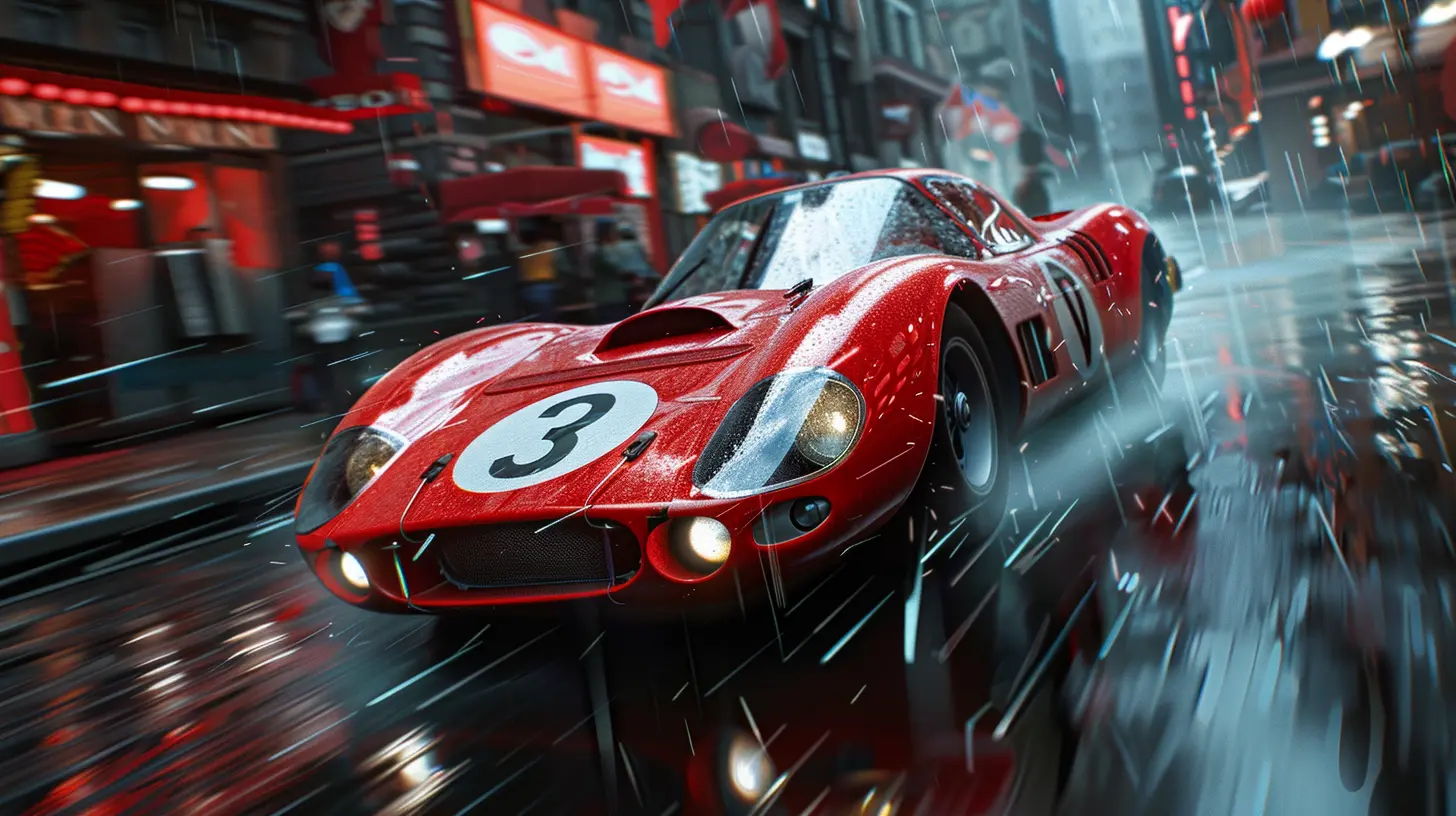
What the Heck Is Unreal Engine?
Alright, let’s start at the starting line. Unreal Engine is a game engine — a toolbox (more like a Swiss army knife on steroids) created by Epic Games. Think of it like the digital foundation game devs build their games on.Unreal Engine isn’t just any engine. It’s like the Ferrari of game engines. It’s fast, flexible, ridiculously powerful, and comes packed with gorgeous lighting systems, fluid physics, real-time rendering magic, and even smart AI tricks.
In short, it’s the ultimate ride for developers building the next generation of racing games.
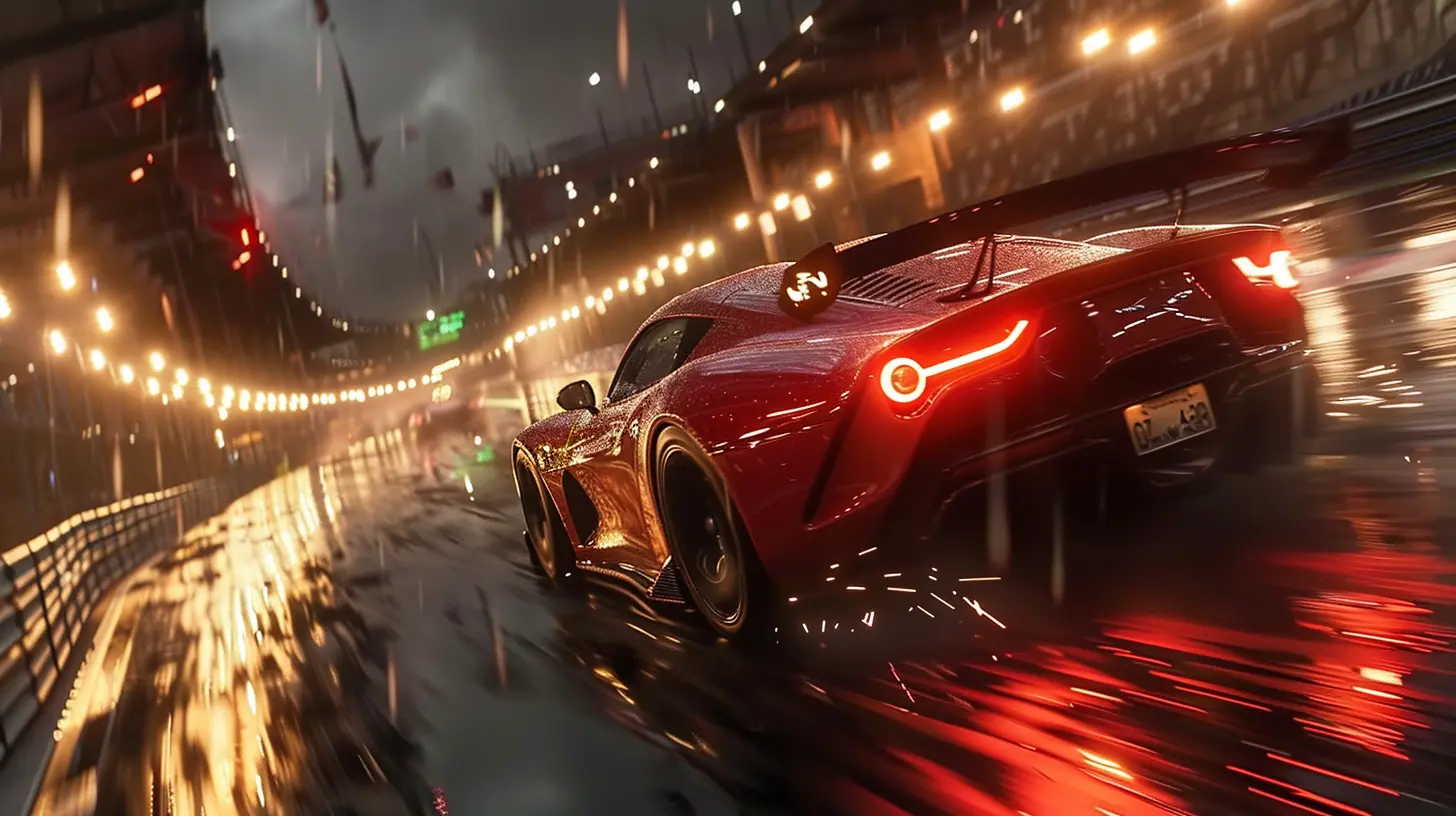
Why Racing Games Need a Strong Engine (Pun Intended)
You know how in real-life racing, having a car with a monster engine gives you an edge? Well, racing games work the same way. These games need:- High-speed, smooth gameplay (no stuttering at 200 km/h, please)
- Super realistic visuals (I want to see that tire smoke!)
- Dynamic weather and lighting (hello, racing in the pouring rain)
- Responsive controls (because milliseconds matter)
- Massive open worlds or detailed race tracks
That’s a tall order — and that’s where Unreal Engine comes in clutch.
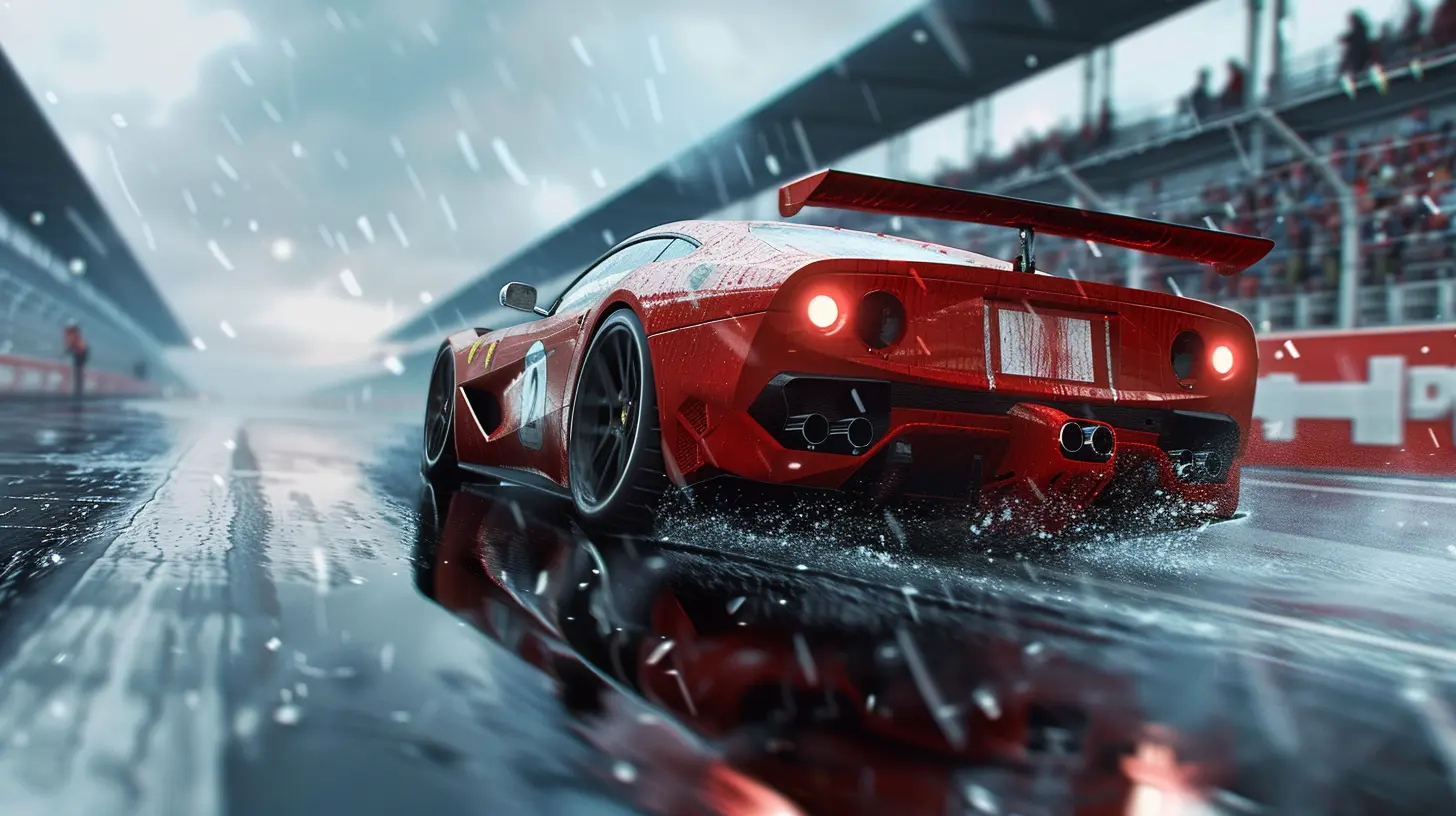
Unreal Engine’s Secret Sauce for Racing Games
Let’s pop the hood and see what makes Unreal Engine so good at powering racing games. Spoiler alert: it’s a big list!? Real-Time Graphics That Melt Your Face
Unreal Engine is famous for its graphics. With its real-time rendering capabilities, racing games look almost too real. Whether it’s the reflection of neon lights on a wet city street or sunbeams cutting through the trees in an off-road rally, Unreal delivers eye candy that’s smoother than melted chocolate.With features like:
- Nanite virtualized geometry (UE5)
- Lumen dynamic lighting system
- High-quality texture streaming
- Physically-based rendering (PBR)
… Unreal lets devs craft worlds that feel alive and fast-paced. You’re not just playing a game — you’re living it.
⚙️ Physics That Feel Right
Let’s be honest — driving in a racing game needs to feel right. Unreal Engine’s physics system lets developers fine-tune everything from the way tires grip the road during a tight turn to how your car bounces after hitting a pothole at full speed.Add in support for:
- Vehicle dynamics
- Suspension simulations
- Collision detection
- Particle effects (for all that dirt and smoke)
…and it’s pretty clear why racing games powered by Unreal feel so good.
? Blueprint System for Rapid Development
Unreal Engine has this cool system called Blueprints. Think of it like drag-and-drop programming for developers who don’t want to spend weeks writing code.With Blueprints, game creators can prototype vehicle AI, weather changes, or even fancy pitstop animations in no time. This speeds up development and lets devs focus on what matters: making racing feel awesome.
? Open-World Ready
Want to make a racing game with a massive open world where players can just drive for hours? Unreal’s got your back.Support for huge open-world levels means developers can create seamless environments — no loading screens, no awkward pauses. Just you, your car, and the open road.
Think Forza Horizon-style freedom. Yep, Unreal can make that happen.
? Audio That Roars Like a Beast
The sound of a revving engine, tires screeching on asphalt, the roar of the crowd — audio plays a HUGE role in racing immersion.Unreal Engine comes with a high-quality audio system that lets developers simulate 3D spatial audio, dynamic sounds, and engine revs that will make your ears tingle. Racing games don’t just look real — they sound real too.
? Smart AI Drivers That Don’t Just Crash Into Walls
Nobody likes dumb AI drivers. Unreal Engine helps create smart, competitive AI opponents who can race like pros and adapt to your style.Its AI system supports:
- Navigation Meshes (so cars stay on the track)
- Behavior Trees (for decision-making)
- Environment Queries (to detect obstacles or shortcuts)
This means the bots you’re racing against actually pose a challenge (and don’t just crash into barriers like rookies).
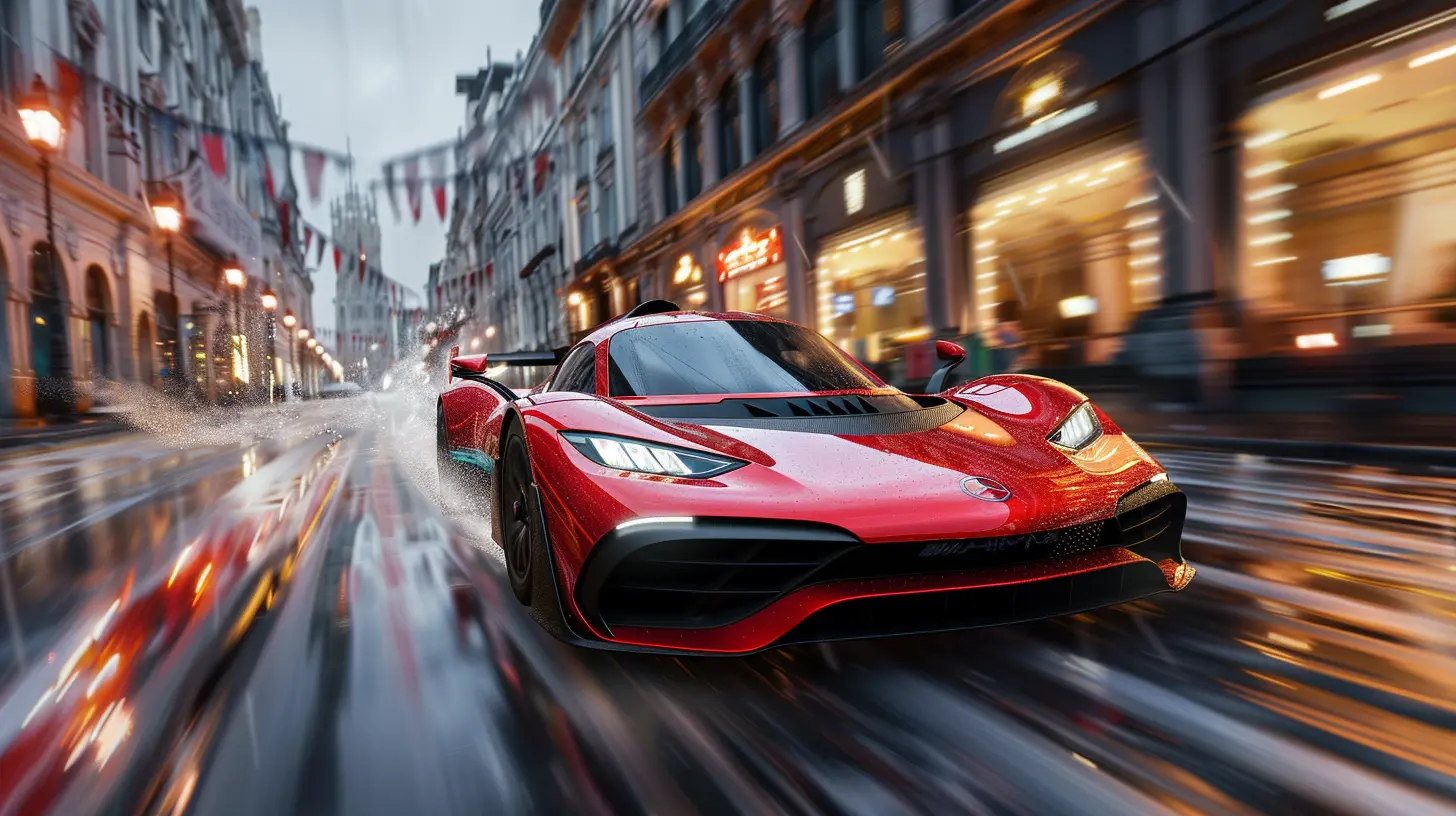
Popular Racing Games That Use Unreal Engine
Unreal Engine has powered some seriously impressive racing games. Let’s name-drop a few titles that showcase its horsepower.? Assetto Corsa Competizione
This one’s a big deal in the sim racing world. Assetto Corsa Competizione runs on Unreal Engine and offers mind-blowing visuals and laser-focused realism. With ultra-dynamic weather and real-world GT racing physics, it's a dream for hardcore racing fans.?️ MotoGP Series (by Milestone)
Love burning rubber on two wheels? Unreal helps power the latest MotoGP games, delivering buttery smooth performance and authentic track designs based on real-world data.? Hot Wheels Unleashed
Yep, this toy-inspired racer uses Unreal Engine to bring plastic tracks and nostalgia to life! It’s proof Unreal can handle both realistic simulation and over-the-top arcade fun.? Police Simulator: Patrol Officers
Okay, not a traditional racing game, but still worth mentioning. It shows how Unreal supports driving mechanics, dynamic environments, and complex AI even in non-racing titles.We’ve also seen many indie racing games tap into Unreal’s power to punch way above their weight without blowing the budget.
Unreal Engine 5: The Game-Changer
If you thought Unreal Engine 4 was impressive, wait till you see what Unreal Engine 5 (UE5) brings to the table.UE5 is like putting NOS in an already fast car. Here’s what makes it next level:
- Nanite: Handles cinematic-quality assets without killing performance.
- Lumen: Realistic global illumination and reflections that look jaw-droppingly good.
- World Partition: Automates level streaming for giant open worlds.
- MetaSounds: More control over sound design than ever before.
For racing games, this means even more realism, larger tracks, stunning dynamic weather, and flawless performance across consoles and PCs.
Unreal Engine: The Real MVP for Indie Devs
Let’s not forget the little guys. Indie developers love Unreal Engine — and for good reason.It’s:
- Free to use until your game really takes off
- Packed with free assets and tutorials
- Backed by a huge developer community
- Capable of pushing AAA-quality visuals without needing a giant team
So if you’re dreaming of building your own racing game, Unreal Engine is the garage you want to work in.
The Future of Racing Games with Unreal
The road ahead looks pretty exciting. With each new version of Unreal Engine, racing games get more immersive, more realistic, and more fun.We’re talking:
- VR racing with insane realism
- Hyper-detailed interiors and exteriors
- Multiplayer racing in massive open worlds
- Cross-platform play with zero lag
- AI opponents that race (and trash talk?) like real players
And with Unreal Engine continuing to evolve, the finish line is nowhere in sight — racing games will only get better from here.
Final Lap Thoughts
So there you have it! Unreal Engine isn’t just powering racing games — it’s supercharging them. From photorealistic visuals to jaw-dropping physics and smooth open worlds, it gives developers the tools to create the ultimate racing experience.Whether you’re drifting through tight city streets or tearing across muddy rally tracks, chances are the engine behind your favorite racers is Unreal. And frankly, that’s pretty awesome.
So next time you’re gripping your controller, eyes locked on the horizon, chasing that finish line — give a little hats-off to Unreal Engine. It’s the unsung hero making those wins look (and feel) so darn good.
all images in this post were generated using AI tools
Category:
Unreal Engine GamesAuthor:

Leif Coleman
Discussion
rate this article
2 comments
Carly McVicar
Unreal Engine elevates racing games with stunning graphics and realistic physics, creating immersive environments that enhance player experience and drive competitive gameplay innovation.
August 23, 2026 at 4:52 PM
Leif Coleman
Absolutely, Unreal Engine really pushes the boundaries in racing games, making them more engaging and visually impressive than ever before.
Zevran Butler
While Unreal Engine undeniably enhances the visual fidelity and realism of racing games, it's crucial to recognize that gameplay mechanics and design innovation remain the true heart of the genre. Stunning graphics alone can't compensate for lackluster driving experiences.
June 28, 2026 at 3:30 PM
Leif Coleman
You make a great point. Visuals are impressive, but engaging gameplay is what keeps players coming back. Both elements need to work hand in hand.