Why Mod Support Should Be Standard in Every Game
27 December 2025
Let’s have a real talk for a moment — mods are the heartbeat of long-lasting, thriving game communities. You play a game, fall in love with it, and then someone in the community adds a mod that takes your love to the next level. Suddenly, a good game becomes legendary. That’s why today, we're diving deep into why mod support should no longer be seen as an optional extra but rather a core feature in every single video game.
What’s the Big Deal About Mods?
Mods — short for modifications — are user-created content that can tweak, revamp, or revolutionize a game. They can be small, like a skin pack or UI tweak. Or massive, like completely new campaigns, characters, or worlds. Think of them as user-generated lifeblood that keeps a game fresh, customizable, and endlessly replayable.So, if mods can make such a difference, why aren’t more games offering built-in mod support out of the box?
Let’s break it all down.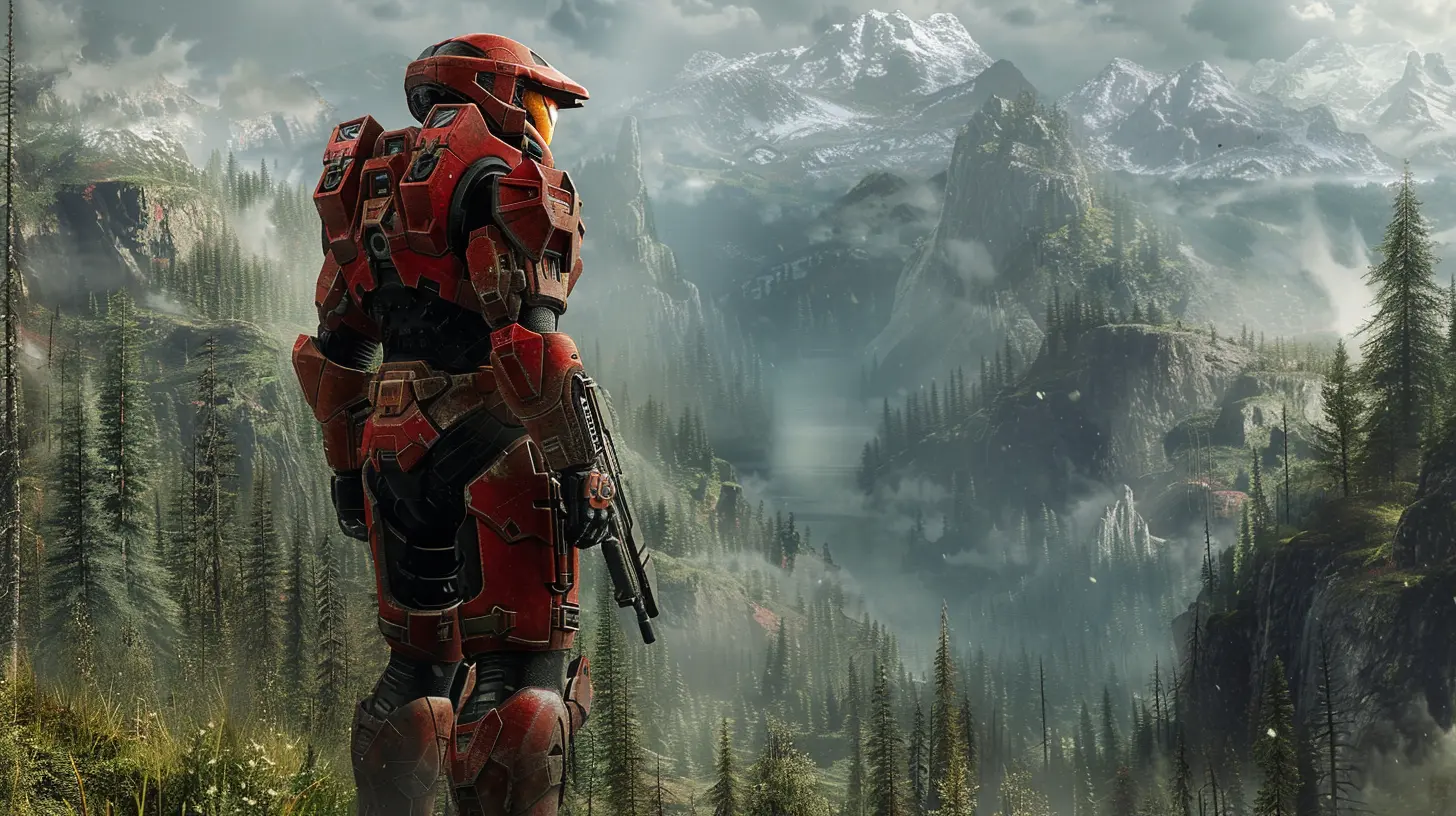
1. Mods Extend a Game’s Lifespan (By Years)
Imagine finishing your favorite RPG, and instead of uninstalling it, you jump headfirst into a modded version with new quests, characters, and a rogue llama running the local tavern. Sounds fun, right? That’s the power of mods.Games like _The Elder Scrolls V: Skyrim_ and _Minecraft_ have been alive and kicking for over a decade — thanks entirely to their modding communities. If developers want their game to keep turning heads long after launch day, mods are the ultimate secret weapon.
Without mods? A game might get 60 hours of playtime. With mods? We're talking 600+ hours easily.
2. Players Love Creative Control
Let’s face it — once we’ve mastered a game, we want to mold it into something that feels personal. Mods let us do that. Whether it's re-skinning dragons with Thomas the Tank Engine or adding hardcore survival mechanics, it turns players into co-creators.This level of player empowerment builds loyalty. When gamers feel like their creativity matters, they stick around. They create. They share. And that’s how communities thrive.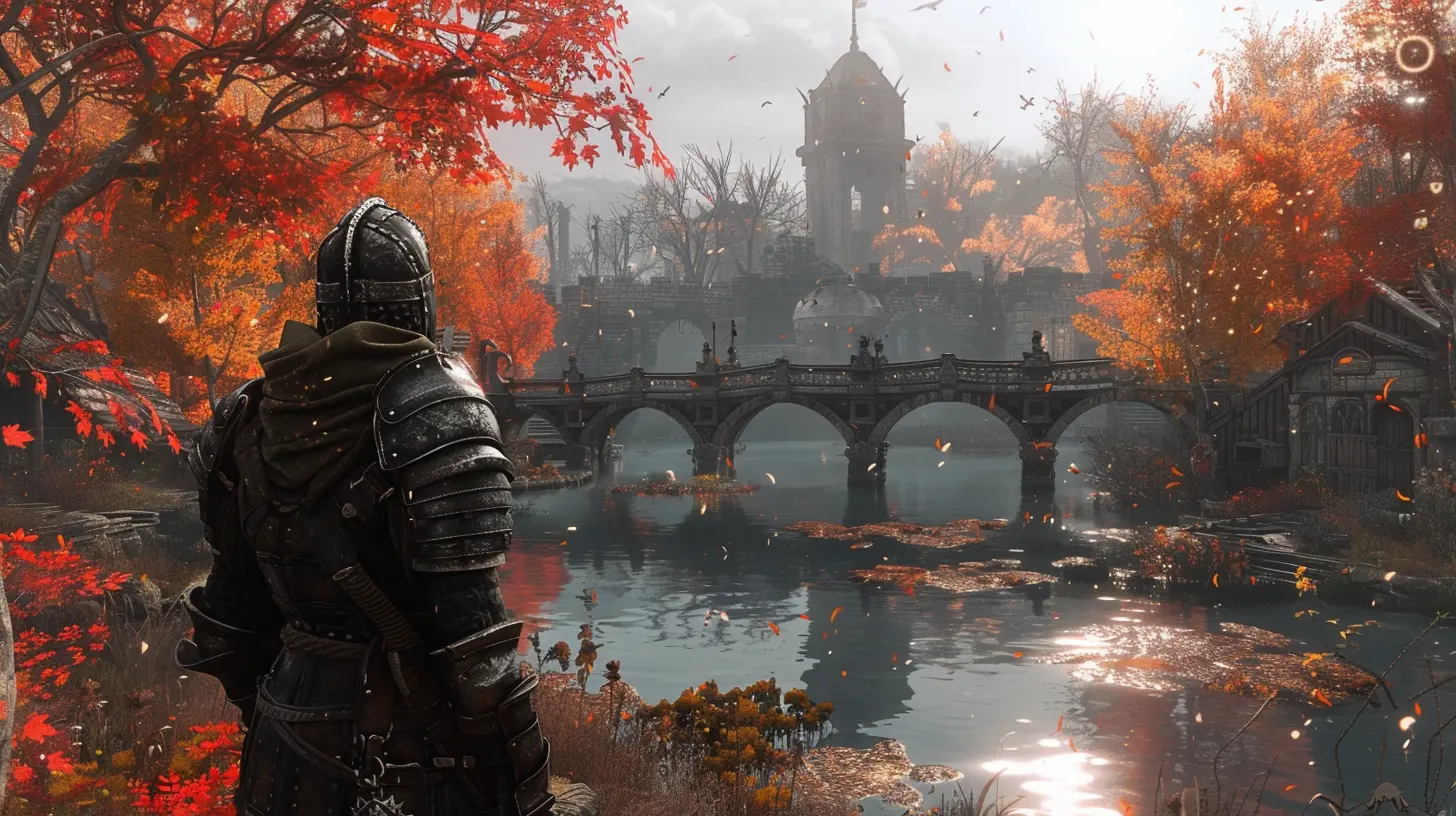
3. Mod Support Builds Loyal Communities
Every great gaming community has an ecosystem of creators, fans, and players feeding off each other's energy. Mods are the glue that binds this ecosystem together.Without modding, players might consume the game and move on. But with a strong modding scene? You’ve got fan pages, YouTubers, streamers, Discords, subreddits, and forums dedicated solely to creations that didn’t even exist at launch.
It’s contagious. One brilliant mod inspires five more. Developers, are you watching? That’s free content and organic marketing.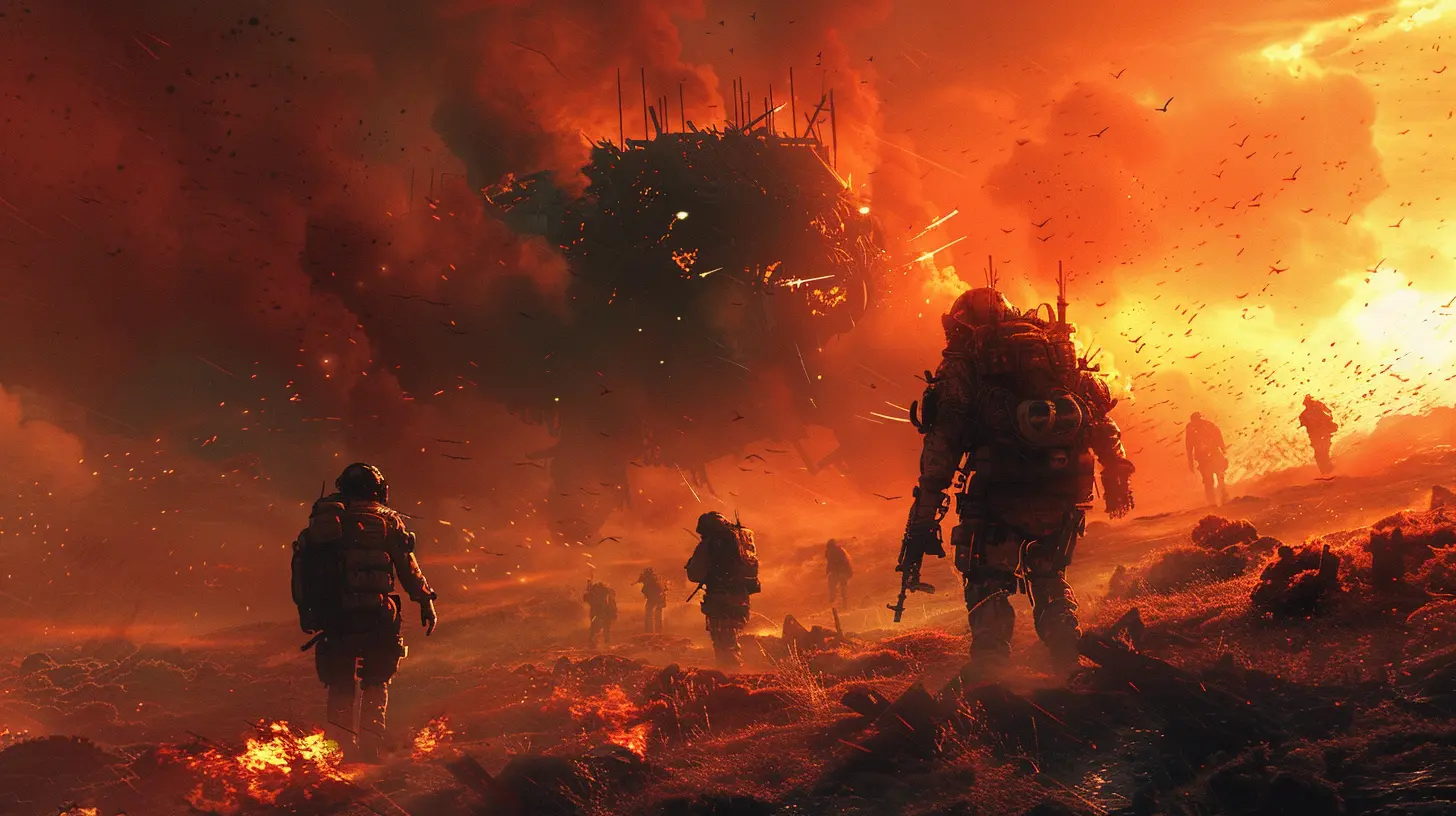
4. It Future-Proofs Games Against Burnout
All games eventually get repetitive. That’s normal. But modding can flip that on its head. Instead of players getting bored, they start looking for the next tweak, the next overhaul, the next "mod pack of the week."Games with mod support resist stagnation. They evolve. They surprise players. And most importantly, they fight off that game-breaking feeling of burnout.
Would you rather your players get tired and uninstall your game, or dive into a new modded storyline that keeps them hooked for weeks? Easy choice.
5. Mods Fuel Innovation in Gaming Design
Some of gaming’s best ideas started as mods.Take _Counter-Strike_. It began as a mod for _Half-Life_. How about _DOTA_? Yep — a humble mod for _Warcraft III_ that launched an entire genre. Even mammoth games like _PUBG_ were born from modded roots.
When players are allowed to create freely, they push boundaries developers might never have considered. And often? These ideas spark the next wave of mainstream innovation.
Want to be part of that? Start by giving players the tools to mod.
6. Modding Makes Games More Accessible
Sometimes, gamers need to tweak things for practical reasons: adjusting the UI for eyesight issues, toning down motion blur for sensitive players, or even translating labels and menus.Mods can make these adjustments when developers can’t or won’t. And while devs might not be able to cater to every special request, they can provide the tools.
Accessibility through modding doesn’t just make games more playable — it makes gaming kinder.
7. It Shows Developers Respect Their Players
When a dev adds mod support, they’re silently saying: “Hey, we trust you with our work.” It’s an act of respect. You're handing over the keys and saying, “Go on. Make it your own.”That kind of trust builds bridges. Players feel heard. They feel valued. And in return? They often become the most passionate, loyal ambassadors your game will ever have.
Developers, if you respect your players — give them the power to mod.
8. Built-In Mod Tools Are Easier Than You Think
Let’s address the elephant in the room: isn’t building mod support hard?Yes and no.
Sure, integrating some form of modding infrastructure takes time. But it’s way easier now than it was 10–15 years ago. With engines like Unity and Unreal already supporting modding workflows, most of the groundwork is done.
Plus, platforms like Steam Workshop, Nexus Mods, and Mod.io have streamlined distribution. Devs don’t have to reinvent the wheel; they just need to open the door.
9. Mod Ecosystems Add Value Without Costing Money
In today’s world of $70 AAA titles, players are thirsty for value. Mods offer infinite replayability without charging them extra. While microtransactions might squeeze short-term profits, mod support creates long-term value, which builds better relationships and customer satisfaction.And here's the kicker — devs benefit too. People will gladly pay for the base game (or DLCs) if they know there's a treasure trove of mods waiting to enhance it.
It’s a win-win.
10. It Levels the Playing Field Between Indies and Giants
You don’t need a 200-person team to make a successful game if your community helps fill in the gaps.Indie games with modding support can achieve cult status fast. Look at _RimWorld_, _Stardew Valley_, or _Terraria_. Their modding scenes are absolutely massive. And that’s because their developers gave players what they needed: control, creativity, and community.
With mod support, indie devs can punch way above their weight.
Common Developer Fears — And Why They Shouldn't Worry
“What if someone mods something inappropriate?”
Valid concern. But platforms like Steam Workshop and Nexus Mods already have reporting systems and community guidelines in place. Let the platforms (and community) moderate.“Will mods break the game?”
Not if you sandbox them properly. With clear modding APIs and guidelines, you can define what’s safe. Plus, modders are often the best bug testers you'll ever have.“What if mods make our paid DLC look bad?”
Then make your DLC better.Or — better yet — embrace the competition. If players are still engaging with your game because of mods, your DLC gets more eyeballs too. Think of mods as traffic drivers, not threats.
Why Now Is The Time
Gamers today are savvier, more connected, and more creative than ever. They don’t just want to play games — they want to shape them. Share them. Elevate them.Ignoring modding in 2024 is like releasing a movie without subtitles or a phone without apps. The modern gamer expects more.
So why resist it?
Final Thoughts: Open the Gate — Not Just the Game
The gaming industry is built on imagination. Developers bring worlds to life, but it’s the players who expand them, remix them, and breathe new stories into them.When games support modding, they stop being static products and start becoming ecosystems. Living, breathing ecosystems that grow with each new idea, each new creation, and each new player.
So if you’re a developer thinking about your next title, do the right thing — build mod support into your blueprint. Not as an afterthought. Not as a DLC. But as a standard.
Because the future of gaming isn’t just about playing. It’s about co-creating.
And modding is the spark that lights that fire.
all images in this post were generated using AI tools
Category:
Game ModsAuthor:

Leif Coleman
Discussion
rate this article
3 comments
Zeno Ramos
Great article! Mod support not only enhances player creativity and engagement but also extends a game's lifespan and fosters a passionate community. Developers should embrace this practice to enrich the gaming experience for everyone.
April 5, 2026 at 3:24 PM
Leif Coleman
Thank you for your feedback! I completely agree—mod support truly enriches the gaming experience and strengthens community bonds.
Tempra McClintock
Great points! Mod support can truly enrich the gaming experience, fostering creativity and community engagement. It allows players to tailor their adventures, ensuring longevity and enjoyment well beyond the initial release. Here's hoping more developers embrace this trend!
December 31, 2025 at 3:33 AM
Leif Coleman
Thank you! I completely agree—mod support enhances creativity and community, making games more engaging and long-lasting. Let's hope for a future where every developer embraces this approach!
Nym McGowan
Absolutely! Mod support is like giving players a magic wand—watch them turn a simple RPG into a chaotic spaghetti western with laser cats! Let’s embrace the weird and wonderful, developers!
December 28, 2025 at 4:00 PM
Leif Coleman
Absolutely agreed! Mod support unleashes creativity, turning games into unique experiences. Let's champion that freedom!