How Virtual Reality Enhances Experiential Learning
23 May 2026
Let’s face it—we've come a long way from chalkboards and textbooks. Gone are the days when learning was just about cramming information from a printed page. Today, it’s all about experience. And if there’s one piece of tech that’s totally flipping the script on how we learn, it’s Virtual Reality (VR).
Imagine standing inside a volcano during science class or walking through ancient Rome while learning history. Sounds crazy cool, right? Well, that’s not science fiction anymore. That’s what VR is doing—turning the ordinary classroom into an immersive, interactive adventure.
In this article, we’re diving deep into how VR supercharges experiential learning. So buckle up! ?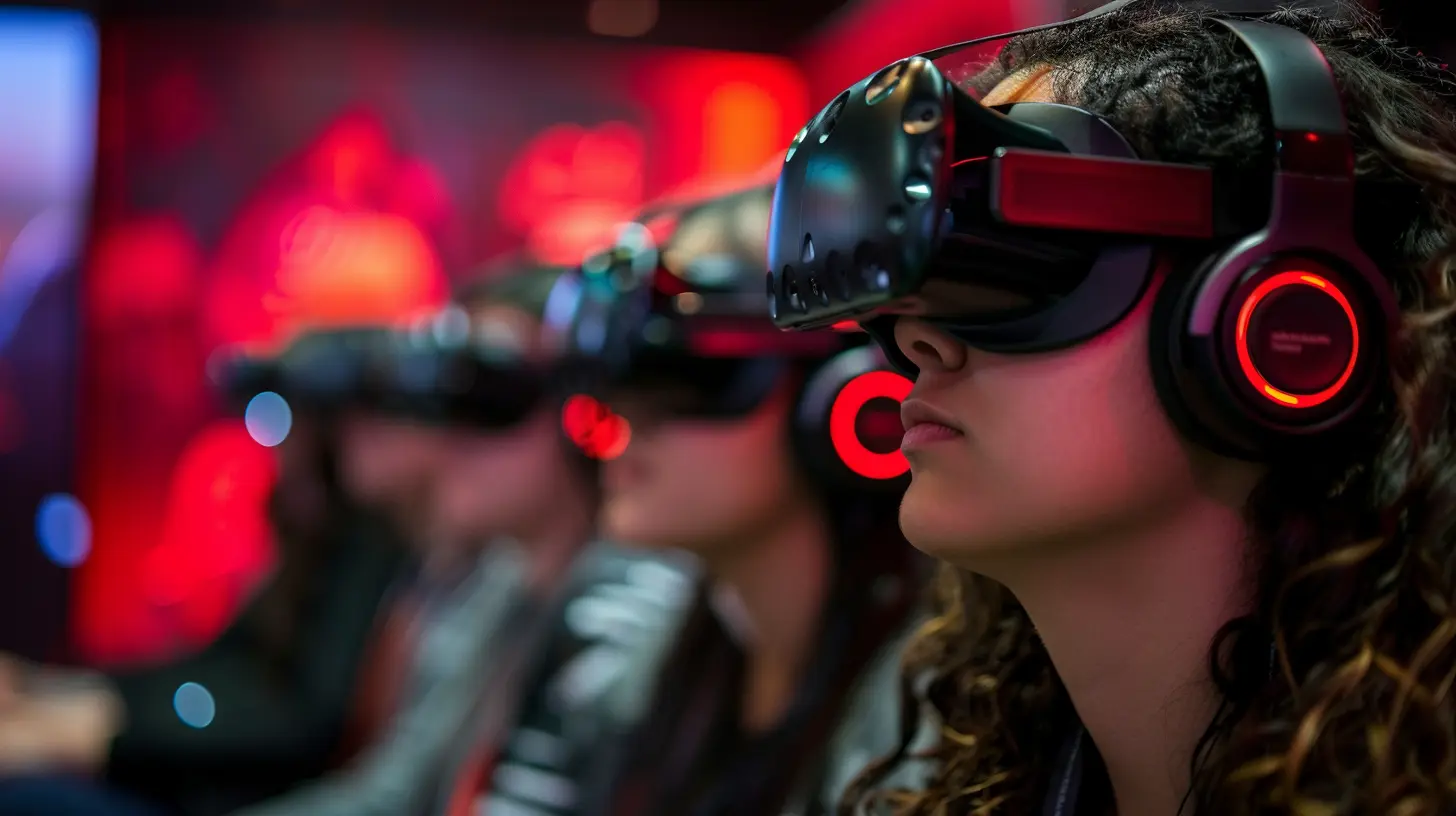
What is Experiential Learning Anyway?
Before we jump into the techy side of things, let’s break down what experiential learning really means.Think of it as learning by doing. Instead of just hearing or reading about something, you actually experience it. It’s like the difference between reading a manual on how to ride a bike and actually hopping on one and pedaling down the street.
Experiential learning is the hands-on approach where students actively participate in the learning process. It encourages reflection, critical thinking, and real-time problem-solving. And guess what? VR takes this concept and puts it on steroids.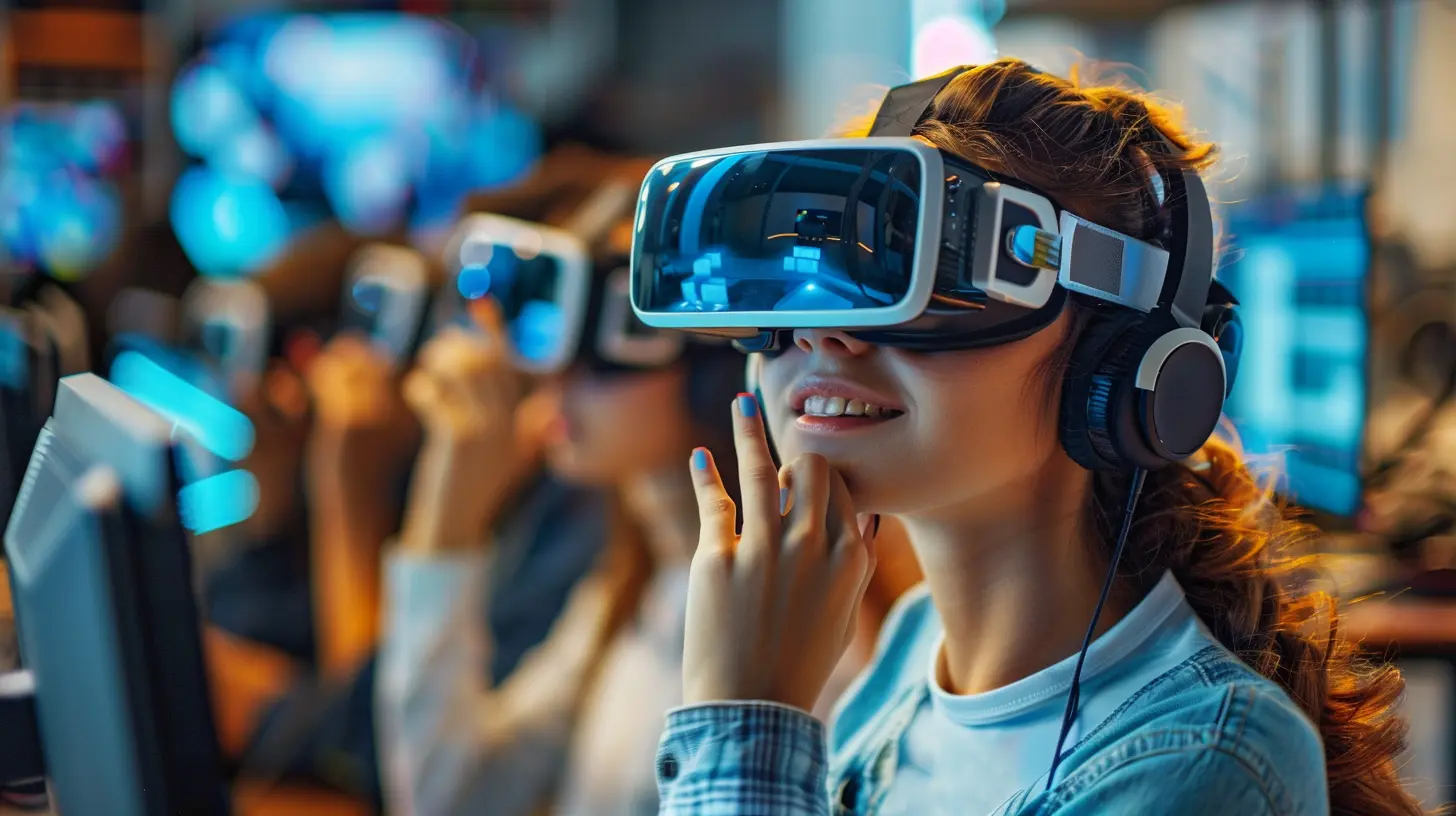
What Makes Virtual Reality So Powerful for Learning?
So, why is VR such a game-changer in education? Here’s the deal—VR creates a 3D, fully immersive environment. You aren’t just a bystander watching a video; you’re part of the scene, interacting with the elements around you.Let me throw in a metaphor here. Traditional learning is like watching a cooking show. You see someone else doing all the work. VR learning? That’s like stepping into the kitchen yourself, rolling up your sleeves, and making the dish. You’re hands-on, involved, and learning through action.
Here’s what VR brings to the table:
- Real-life Simulation: No need to risk anything in the real world. Want to practice flying a plane or performing surgery? Do it in VR.
- Engagement Galore: Learners are more focused because the experience feels like a game.
- Immediate Feedback: Interact, make mistakes, learn, and improve—all in real-time.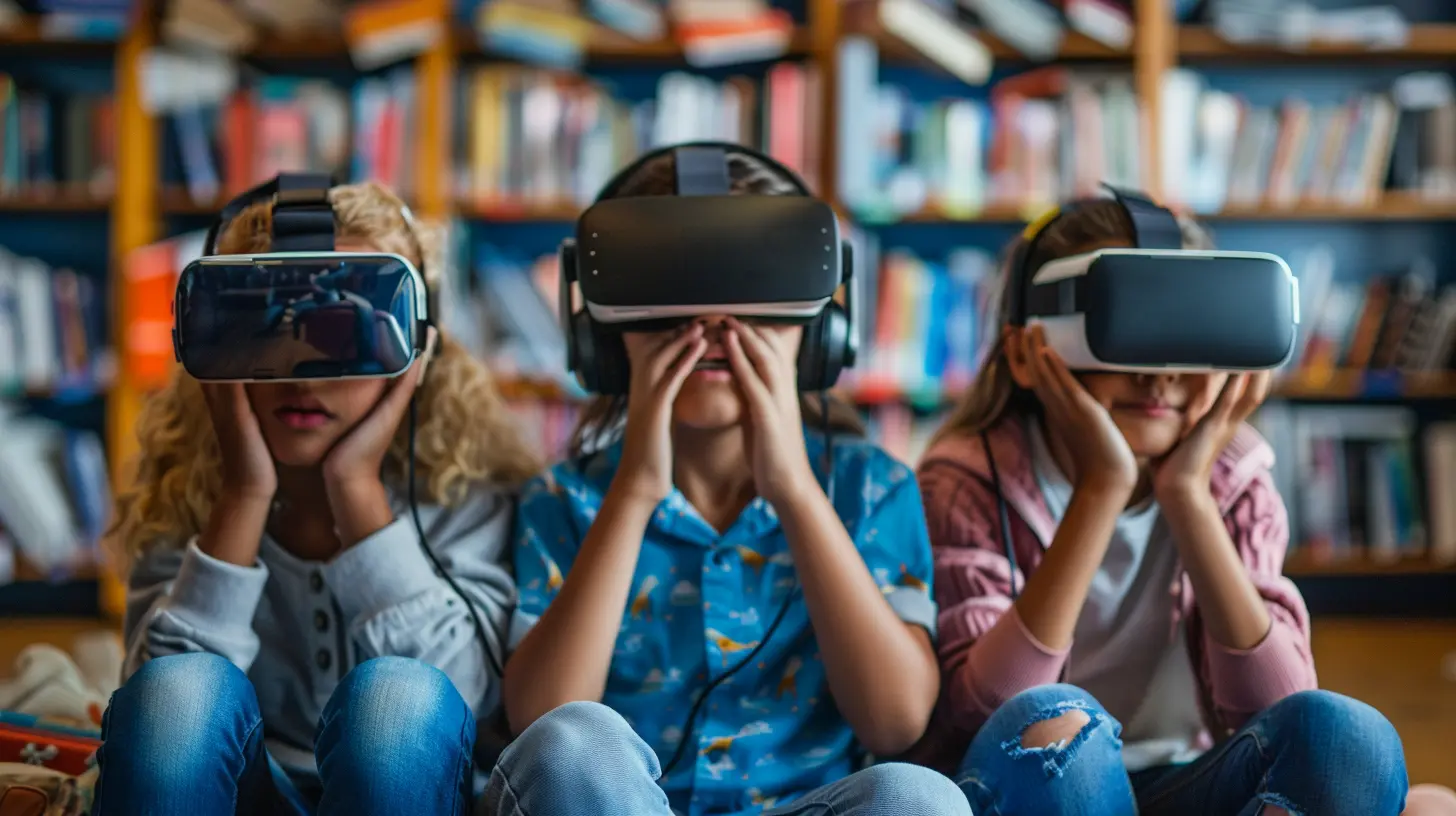
Breaking Down the Benefits of VR in Experiential Learning
Let’s talk specifics. Here’s how VR enhances experiential learning, step by step.1. Learning Made Memorable ?
We all remember things better when we’re emotionally connected to the experience. VR makes learning stick by combining visuals, sound, movement, and interactivity. It turns passive learning into an active journey.You ever forget a date you read in a textbook? Probably. But will you forget climbing Mount Everest in a VR expedition? Not likely.
2. Safe Environment for Trial and Error ?️
VR gives learners the chance to fail safely. Think about medical students practicing surgeries or engineers testing designs. In real-life, mistakes can be costly—or dangerous. In VR? It’s all part of the process.You screw up? No biggie. Hit reset and try again. Learning through failure has never been this easy (or fun).
3. Boosts Focus and Engagement ?
Let’s be real. Attention spans are shrinking faster than a popsicle in the sun. Traditional lectures just can’t compete with the distractions of the digital world.VR flips the script. It grabs your attention and doesn't let go. You're in the content. You can’t check your phone during a VR chemistry lab—you’ve got goggles strapped to your face.
4. Encourages Deep Learning ?
VR doesn’t just show you the “what”—it teaches you the why and how. By immersing learners in complex situations, VR challenges them to think critically, make decisions, and solve problems in real time.For example, instead of learning about global warming from a diagram, students can step into a virtual rainforest and see climate change in action.
5. Accessibility and Inclusivity ?
Another awesome thing about VR? It levels the playing field. Whether you're in a bustling city or a remote village, VR gives access to high-quality learning experiences.Got physical limitations? VR can simulate environments without requiring physical movement. Got limited resources in your school? A single VR headset opens the door to a thousand worlds.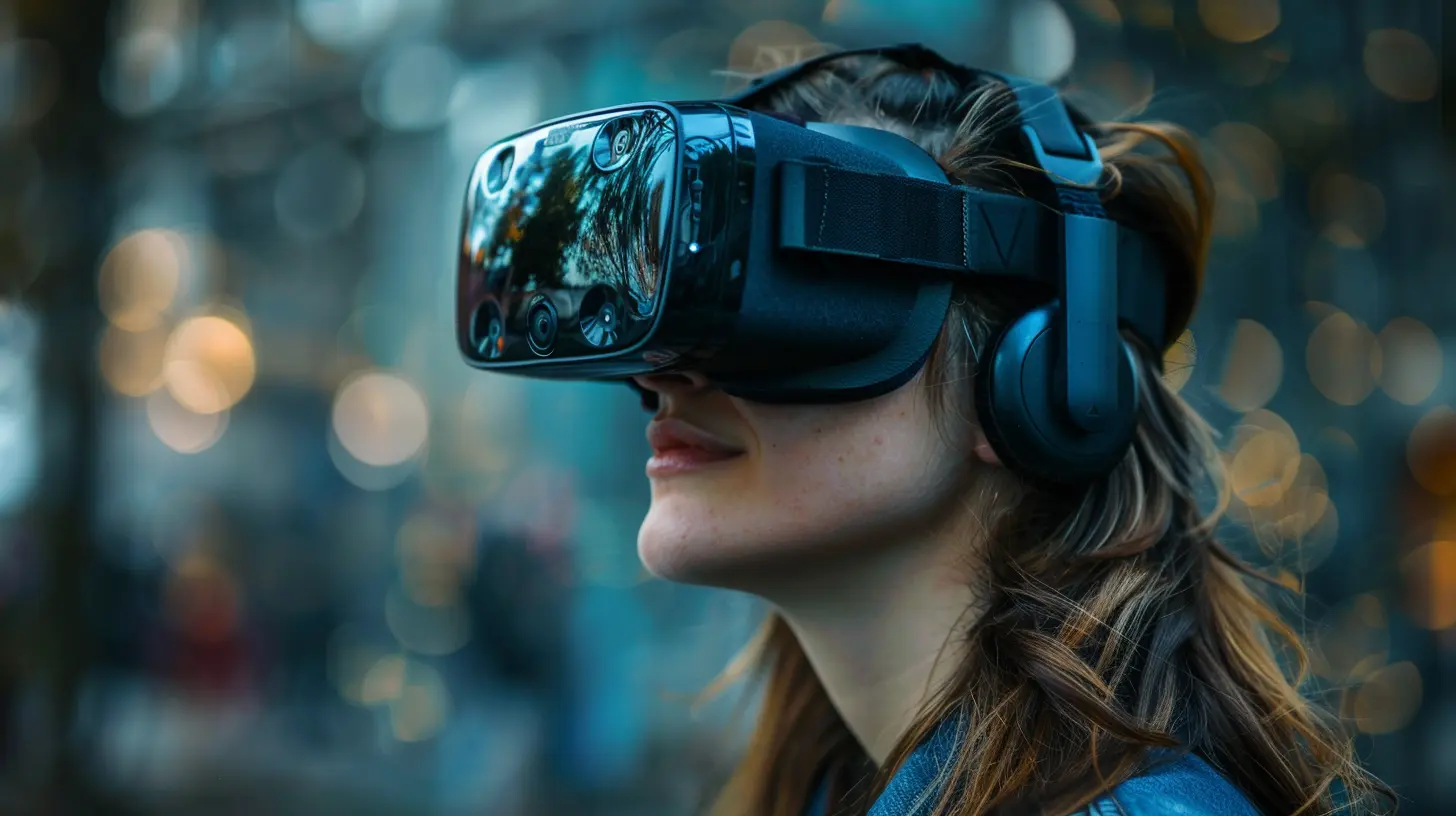
Real-World Examples of VR Making Education Awesome
Still not convinced? Let’s check out some real examples of VR making waves in experiential learning.Medical Training
Med students are using VR to practice surgeries, diagnose patients, and study human anatomy up close—without needing a cadaver or risking a patient’s health.Historical Time Travel
History classes are getting a revamp with VR. Students can walk the streets of ancient Egypt, attend Martin Luther King Jr.’s "I Have a Dream" speech, or explore WWII battlefields—all without leaving the classroom.STEM Learning
From physics simulations to complex math problems visualized in 3D space, STEM education in VR is straight-up revolutionary. It helps visual learners grasp abstract concepts by turning them into tangible experiences.Language Immersion
Want to learn French or Japanese? VR can place you in a virtual Parisian café or Tokyo market, letting you interact with native speakers and cultures for a truly immersive experience.How Gamification Enhances the VR Learning Experience
If you’ve ever played a game and lost track of time, you know how addictive that experience can be. VR taps into this same power through gamification—adding game-like elements into learning.Points, achievements, leaderboards—it’s all here.
This approach doesn’t just make learning fun; it keeps learners coming back for more. It turns education into a challenge, a competition, and an adventure—all rolled into one.
Plus, when learners are rewarded for progress, they stay motivated and hungry to learn more.
The Role of VR in Soft Skills Training
Let’s not forget the human side of learning. VR isn’t just about technical stuff—it also helps nurture soft skills like communication, empathy, teamwork, and leadership.Simulations in virtual boardrooms or customer service scenarios help learners practice interactions that might be hard to recreate in real life.
Want to improve your public speaking? Practice giving speeches in VR with virtual audiences reacting in real-time (spoiler alert: some even yawn if you’re boring ?).
Challenges to Consider (But They’re Totally Solvable)
Okay, it’s not all rainbows and unicorns. There are some bumps in the road when it comes to using VR in learning.- Cost: VR headsets and software can be pricey, but prices are steadily dropping.
- Technical Issues: Not every school or learner has access to a high-end PC or stable internet.
- Motion Sickness: Some folks get a bit dizzy in VR. Developers are working hard to reduce this.
- Content Development: Creating high-quality VR content takes time and effort.
But here’s the thing—these obstacles aren’t deal-breakers. Just like early computers were once too expensive for schools, VR will become more accessible as the tech evolves.
The Future of VR in Education is Bright ?
Looking ahead, the possibilities for using VR in experiential learning are sky-high.Think about AI-powered virtual tutors who guide you through personalized lessons. Or imagine VR field trips that adapt based on your learning style and pace.
As 5G and cloud computing expand, VR experiences will become smoother and more accessible than ever before—even on basic devices.
And as more educators embrace this tech, we’ll see learning environments that are not just informative, but transformative.
How Students and Educators Can Start with VR Today
If you’re a student or teacher curious about dipping your toes into VR, it’s easier than you might think.- Start Small: You don’t need a $1000 headset. Devices like Meta Quest or even Google Cardboard can get you started.
- Use Free Apps: Platforms like Google Expeditions, Unimersiv, and ENGAGE offer free VR content for education.
- Collaborate: Work with others to share VR gear and create custom learning content.
- Stay Updated: New VR tools are launching all the time. Follow VR education blogs and forums to stay in the loop.
Remember, the goal isn’t to replace traditional learning—it’s to enhance it. VR is just another tool in the education toolkit, and it’s one of the most exciting ones we’ve got.
Final Thoughts: Learning That Sticks
Virtual Reality is more than a flashy tech trend—it’s the future of education. By putting learners right in the middle of the action, VR makes learning real, relevant, and ridiculously engaging.Whether you're mastering a new language, stepping into a historical event, or trying your hand at brain surgery, VR wraps the experience in a way no textbook ever could.
So if you're ready to upgrade your learning from 2D to 360 degrees, it's time to plug in, power up, and start experiencing education like never before.
all images in this post were generated using AI tools
Category:
Educational Value Of GamesAuthor:

Leif Coleman
Discussion
rate this article
2 comments
Rowan Fry
Virtual reality offers a unique way to engage with educational content, making learning more immersive and impactful for students.
July 6, 2026 at 3:06 AM
Leif Coleman
Absolutely, virtual reality transforms learning by creating immersive experiences that deepen understanding and retention. It's a game changer for education.
Mary Sharpe
This technology truly transforms learning experiences.
June 8, 2026 at 2:47 PM
Leif Coleman
I'm glad you think so! Virtual reality really does open up new possibilities for immersive learning.