Local Game Stores vs. Online Marketplaces for Collectors
15 April 2026
If you’re a game collector, there’s a good chance you've found yourself at a crossroads: should you support your friendly local game store, or dive into the vast abyss of online marketplaces? Both have their perks—and pitfalls. So, let’s break this down, collector to collector. Whether you're after that elusive retro title, bulk Magic: The Gathering cards, or just browsing, it's time to settle the score between local game stores and online platforms.
The Charm of Local Game Stores
1. More Than Just a Shop – It's a Community Hub
Walk into any local game store, and there’s this unique buzz in the air. It's not just about the games, it's about the people. The guy behind the counter? He might be a Dungeons & Dragons dungeon master. That kid testing a card deck? Tomorrow’s trading card champ. Local game stores (LGS) are where face-to-face connections happen. It’s like Cheers, but with dice and pixelated nostalgia instead of beer.2. Instant Gratification (No Waiting for Shipping!)
You know that thrill of finding a game you’ve been hunting for and leaving the store with it in hand? Yeah, nothing beats it. No shipping delays. No waiting for your parcel to show up three days late. No praying the seller actually packed it well. Just pure, collector’s joy.3. Try Before You Buy
You ever spend $80 online on a card or retro console accessory only to realize it wasn’t exactly what you needed? At an LGS, you can actually see what you're buying. Test it. Hold it. Ask questions. “Does this cartridge still work?” “Is this the original box?” That tactile element is gold for collectors.4. Knowledgeable Staff Who Actually Care
Owners and employees at local game stores? Man, they live and breathe this stuff. They’re the kind of folks who remember which Pokémon card sets had that misprint, or the exact condition rating for a scratched Sega Genesis case. That level of passion and insight? Hard to find online.5. Trade-Ins and Bartering
Trying to offload duplicates or unload a stack of games you’re over? Most local shops take trades—and some even barter. You can walk in with a box of stuff and walk out with a rare gem you’ve been chasing. Try that with eBay.
The Power of Online Marketplaces
1. Selection, Selection, Selection
Let’s be real: if you’re hunting for something rare—like a sealed Chrono Trigger or that one obscure Japanese Game Boy Color game—chances are, it’s not sitting on the shelf of your local store. Online marketplaces like eBay, TCGPlayer, and Facebook groups offer an overwhelming amount of options. It’s collector heaven.2. Price Comparisons at Your Fingertips
Online shopping gives you the edge when it comes to comparing prices across dozens of sellers. Want that mint condition Charizard card? You can check prices from five different vendors, compare shipping rates, and read reviews—all in minutes.3. Convenience Is King
Browsing at 2AM in your pajamas? Welcome to the digital age. You’re not on anyone’s clock except your own. No driving, no store hours, no small talk. From vintage cartridges to limited edition board games, it’s all just a few clicks away.4. Explore Global Marketplaces
Sometimes you gotta go international. Need that PAL version of a PlayStation classic? Or a Japanese exclusive collector’s edition? Online platforms like eBay or Mercari Japan open up a whole world—literally—of collecting possibilities.5. Seller Reviews & Buyer Protections
Unlike in-person sales, most online marketplaces come with built-in protections. You can check out seller ratings, read buyer reviews, and lean on support if something goes wrong. Bought a bootleg game? File a claim. Card came in the wrong condition? Request a return.
Where Local Stores Struggle (Let’s Get Real)
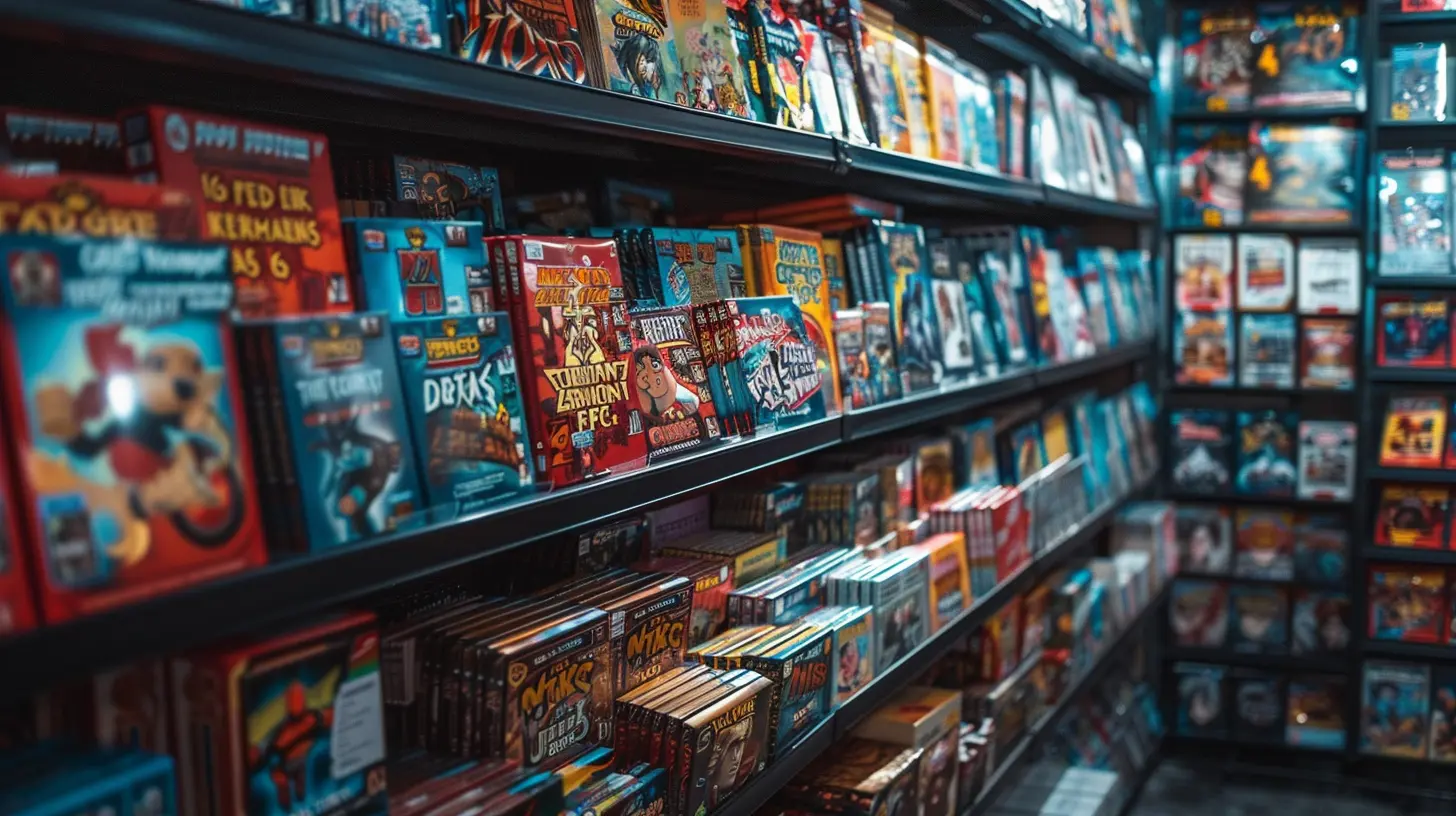
While we love our LGSs, they’ve got their weak spots too.- Limited Inventory: They just can’t compete with the sheer number of options online.
- Pricing: Because they have overhead (rent, staff, electricity), prices can sometimes be a bit steeper than online.
- Location Matters: Not all of us live near a solid game store. If you’re in a small town? Good luck finding anything beyond Monopoly.
Where Online Shopping Misses the Mark
Alright, online marketplaces aren’t perfect either.- Scams and Fakes: Especially in the trading card or retro game world, counterfeits are a real issue.
- No Human Interaction: No friendly chat. No shared excitement. It’s all transactional.
- Shipping Snafus: Items arrive late, damaged, or not at all. And don’t get us started on sellers who ghost after payment.
Collecting Is a Personal Journey
Here’s the thing… The way you engage in your collecting journey says a lot about what you're in it for. Are you all about rare finds, regardless of the source? Or do you crave the social aspect, talking shop with others who "get" your obsessions?Maybe you're like me—someone who mixes both. I’ll hit my LGS for Friday Night Magic and then spend Saturday morning scrolling auctions for a boxed NES copy of DuckTales. It’s not either-or. It’s both-and.
Hybrid Approach – The Best of Both Worlds?
Honestly, the magic happens when you combine both methods.Here’s how to pull it off like a pro:
- Use Online for the Hard-to-Find: If your LGS doesn’t have it, search online. Drill down by condition, price, and seller history.
- Use Local for the Experience: Go to events, trade nights, or just drop by to support the community.
- Make Your LGS Your Ally: Talk to the folks behind the counter. They might be able to special order items, give you tips on upcoming releases, or save something behind the counter just for you.
- Use Online Sites as Pricing Guides: Before buying or selling at your LGS, check online to know the market rate. It keeps things fair.
Tips for Smart Collecting (Online or Offline)
Whether you're hunting online or strolling into your LGS, keep these tips in mind:- Know Your Grading Terms: "Mint" to one person might be "light play" to another. Familiarize yourself with standard gradings, especially for TCGs.
- Verify Authenticity: Always check for signs of fakes—especially online. If a deal looks too good to be true, it probably is.
- Ask Questions: Don’t be afraid to ask a seller (or store owner) for more pics, proof of legitimacy, or details. You’re spending good money—make sure it’s worth it.
- Budget Wisely: Collecting can be addictive. Set a monthly limit so you don’t end up living off ramen because you bought a $500 holofoil card.
- Document Your Collection: Use apps or spreadsheets to keep track of what you own. It helps avoid duplicates and shows you where the gaps are.
Final Thoughts: Which One Wins?
Honestly? Neither wins.And that’s the beauty of it.
Local game stores and online marketplaces are like two characters in a co-op campaign. They each bring unique strengths to the table. And when used together? They level up your collecting game to legendary status.
So next time you get that itch to add a new gem to your collection, ask yourself: Do I want the thrill of the hunt or the joy of community? Then choose accordingly—or do both.
Either way, you’re winning.
all images in this post were generated using AI tools
Category:
Game CollectingAuthor:

Leif Coleman
Discussion
rate this article
2 comments
Shannon Vasquez
Great insights! Supporting local game stores fosters community, while online marketplaces offer convenience. A balanced approach can enhance the collecting experience!
April 18, 2026 at 4:21 AM
Leif Coleman
Thank you! I agree that balancing support for local game stores with the convenience of online platforms enriches the collecting experience.
Jaxon McEvoy
Why visit a local game store when you can shop in your pajamas? But then again, who else will judge your collection of rare sock puppets? Decisions, decisions!
April 17, 2026 at 4:47 AM
Leif Coleman
Visiting a local game store is about connecting with the community and sharing your passion. Plus, you can't beat the thrill of finding that rare item in person while getting some expert advice... and maybe some laughs about those sock puppets!