Retro vs. Modern: What’s Better for Collecting?
30 July 2026
Let’s be honest—collecting games is more than just a hobby. For many of us, it's a treasure hunt, a trip down memory lane, and a chance to hold a piece of gaming history in our hands. But with the explosion of next-gen consoles and ultra-HD graphics, a question keeps popping up: when it comes to collecting, should you go retro or stick with modern?
Both have their appeal. Retro games hit you right in the nostalgia, while modern games bring sleek designs and limited editions that practically scream “collector’s item.” But which camp truly offers more value, satisfaction, and long-term worth?
Let’s break it down in detail and settle the score between retro and modern game collecting.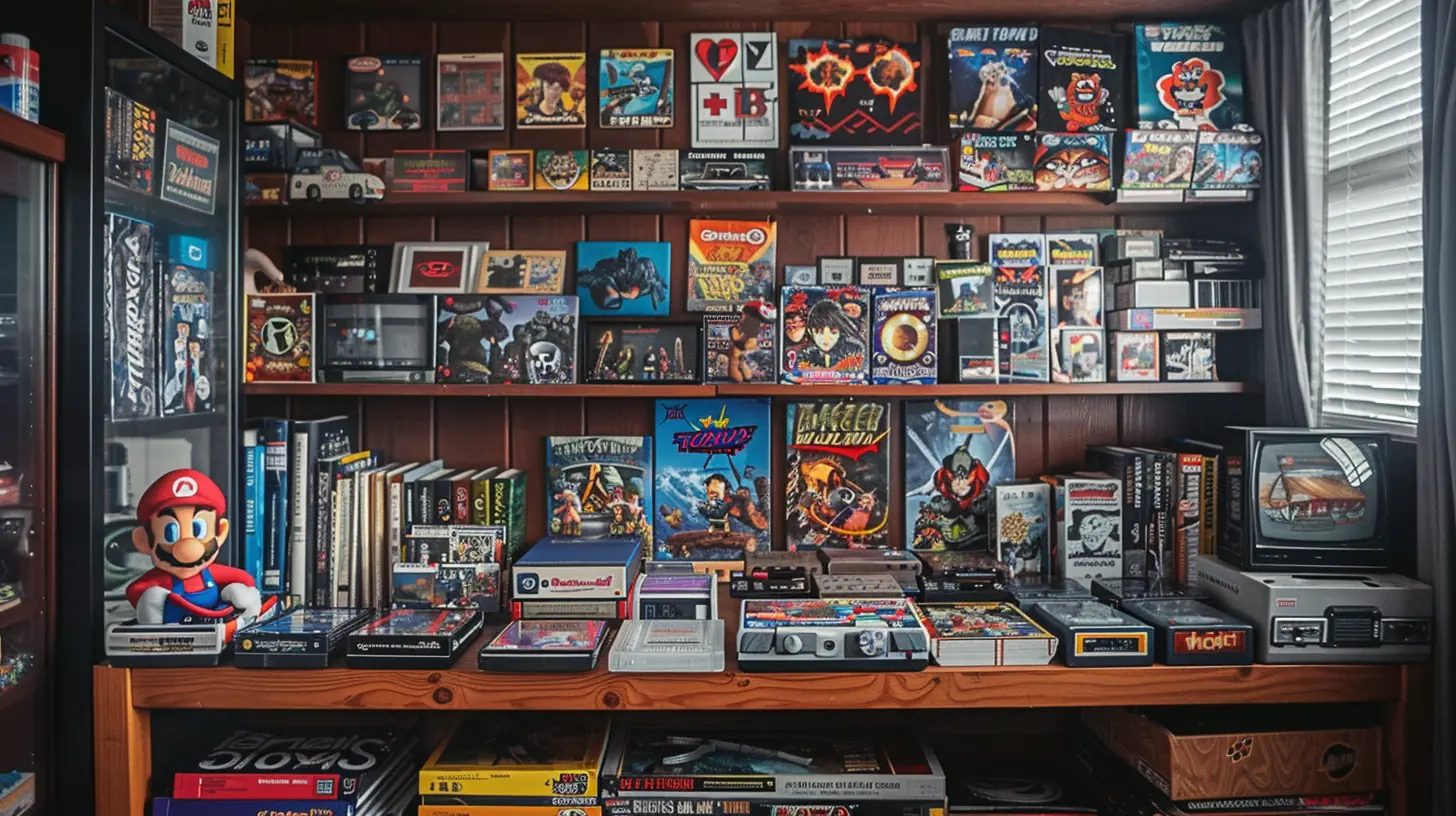
The Magic of Retro Game Collecting
Alright, let’s start with the OGs—retro games. These are the classics, the legends, the pixelated pioneers that paved the way for everything we play today.Nostalgia Hits Hard
Let’s not kid ourselves. Most retro collectors started because of one simple reason: nostalgia. Whether it's rescuing the princess in Super Mario Bros. or catching them all in Pokémon Red, retro games spark a unique kind of joy.These weren't just games; they were childhood companions. Holding that dusty cartridge or popping open a jewel case can instantly teleport you back to simpler times. Try getting that feeling from a digital-only pre-order bonus.
Rarity Equals Value
Here’s the kicker—retro games can be hard to find. And scarcity equals value in the collecting world. Games from the NES, SNES, Sega Genesis, and early PlayStation eras are becoming rarer every year, especially in good condition.And if you’ve got a complete-in-box (CIB) EarthBound or a factory-sealed Chrono Trigger? You’re sitting on a goldmine, buddy.
Physical Media Was Built to Last
Old-school cartridges? Practically indestructible. They don’t get scratched like a modern disc, and they don’t rely on activation servers the way digital downloads do today.Even decades later, many retro games still work flawlessly with a quick blow into the cartridge (we all did it, don’t lie). That durability makes them ideal for long-term collecting.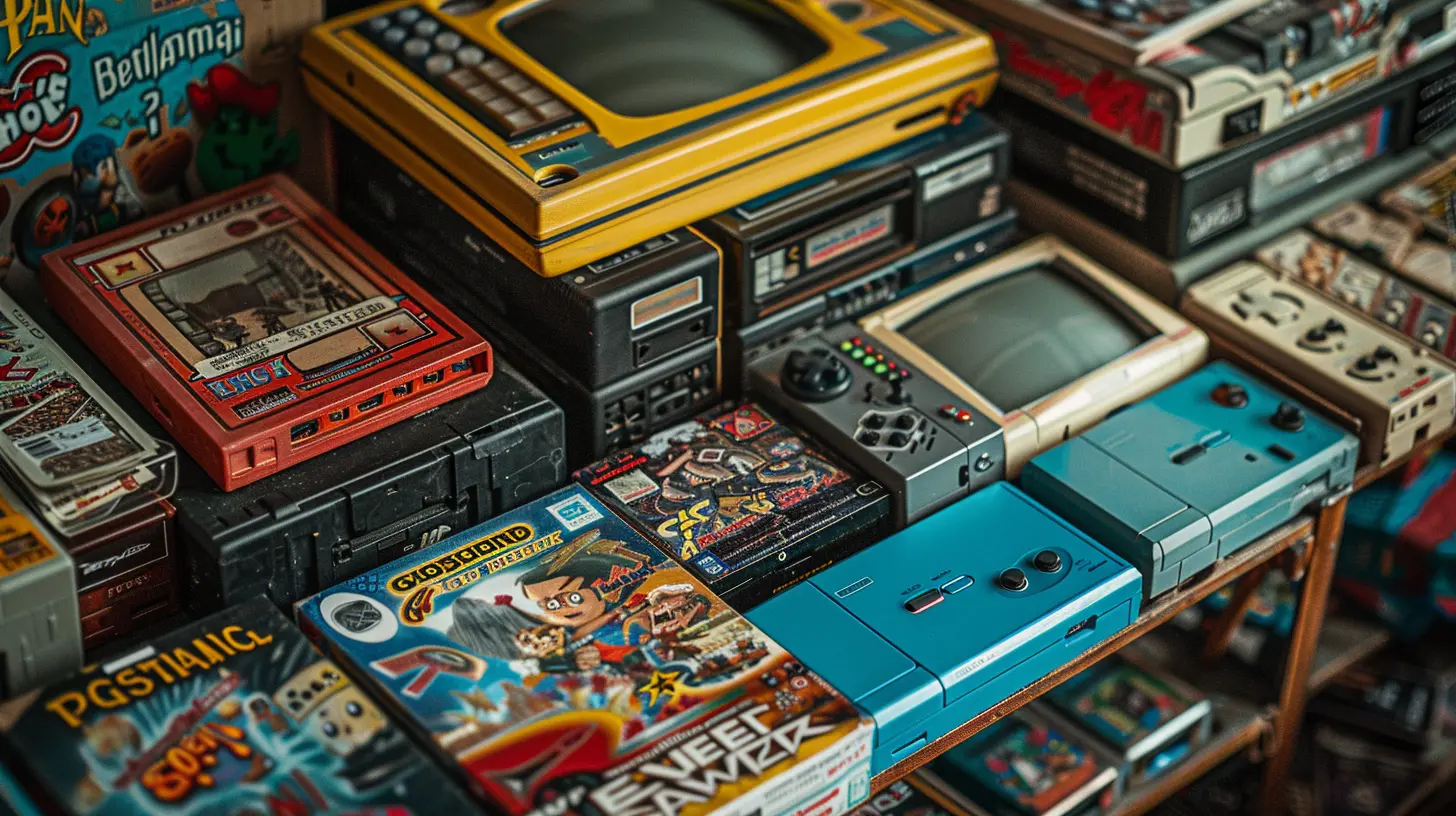
The Appeal of Modern Game Collecting
Now let’s flip the coin. Modern games are sleek, artistic, and loaded with collector’s editions that feel like they belong in a museum.Collector’s Editions Galore
Today, nearly every AAA game drops with a collector’s edition—figurines, steelbooks, art books, soundtracks—you name it. For collectors, that’s a dream come true.You’re not just buying a game—you’re buying a piece of art. These editions are usually limited in number, making them instantly desirable and potentially quite valuable over time.
Higher Production Quality
Modern packaging is top-tier. Slipcovers, holographic prints, embossed logos—it’s all eye candy. Whether it’s the minimalist design of a PS5 game box or the intricate details in a limited Switch release, there's real thought put into presentation.Plus, digital doesn’t have to be the enemy. With the rise of physical indie games (thanks to publishers like Limited Run Games), even newer titles have collectible charm.
Immediate Availability
Let’s be real—finding a sealed copy of Final Fantasy VII today is a Herculean task. With modern games, it's easy to start your collection. You can buy new releases straight from the source, ensuring mint condition and full box contents.If you want to ease into collecting without diving into the world of auctions and flea markets, modern games are a great gateway.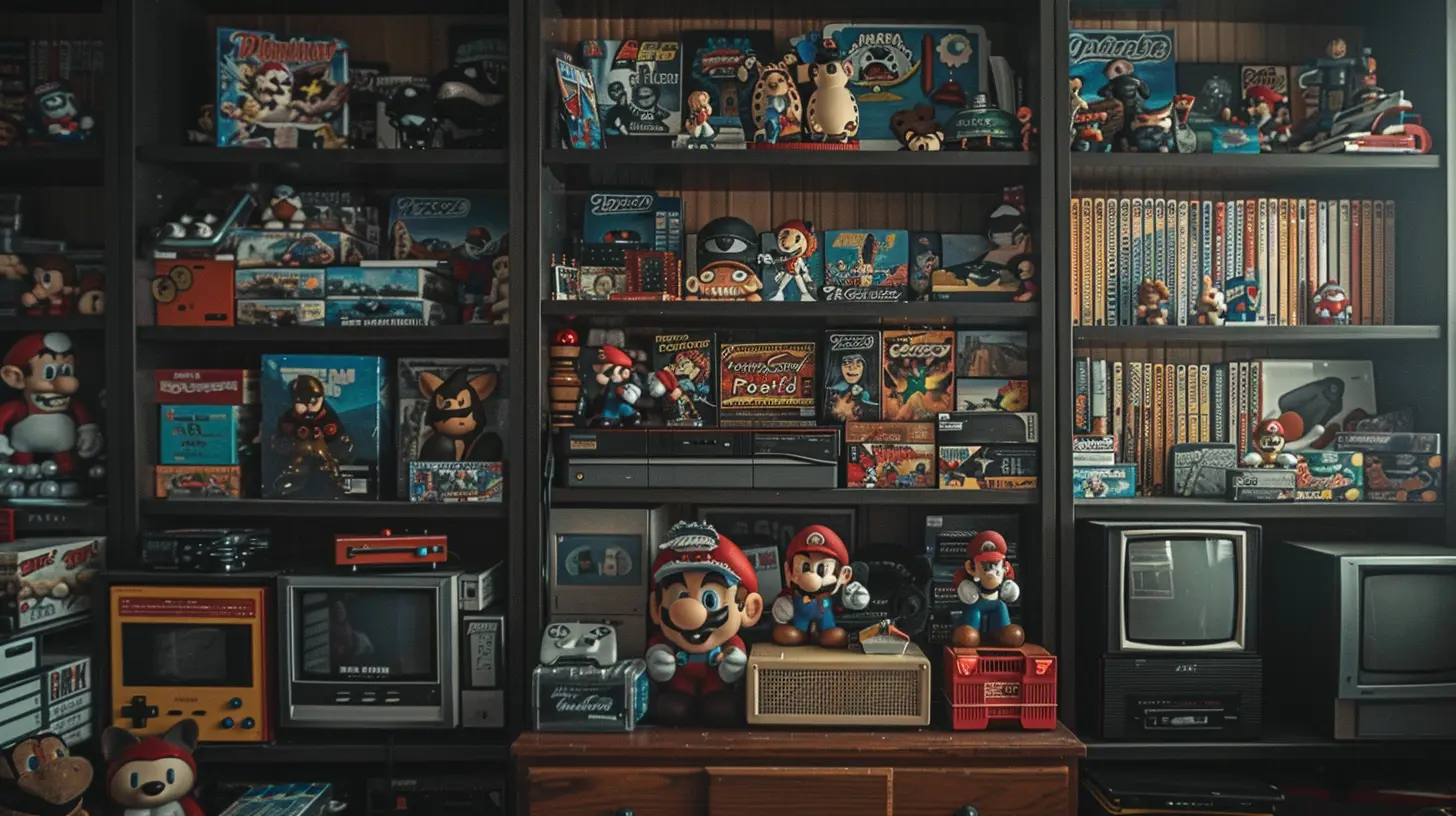
Price Points: Is Retro Too Rich for Our Blood?
One of the biggest debates in the collecting world is cost. Retro games, especially the rare ones, can cost a small fortune. Think thousands of dollars for sealed titles or limited variants.On the flip side, modern collecting can be more affordable—at least initially. Brand-new games usually cost between $60–$100 for standard or deluxe editions. Collector’s editions might run from $150–$300 or more, but they’re retail prices—not inflated by years on the market.
However, over time, modern CE (Collector’s Edition) values might increase, especially if demand remains high and supply remains low. But there’s a catch…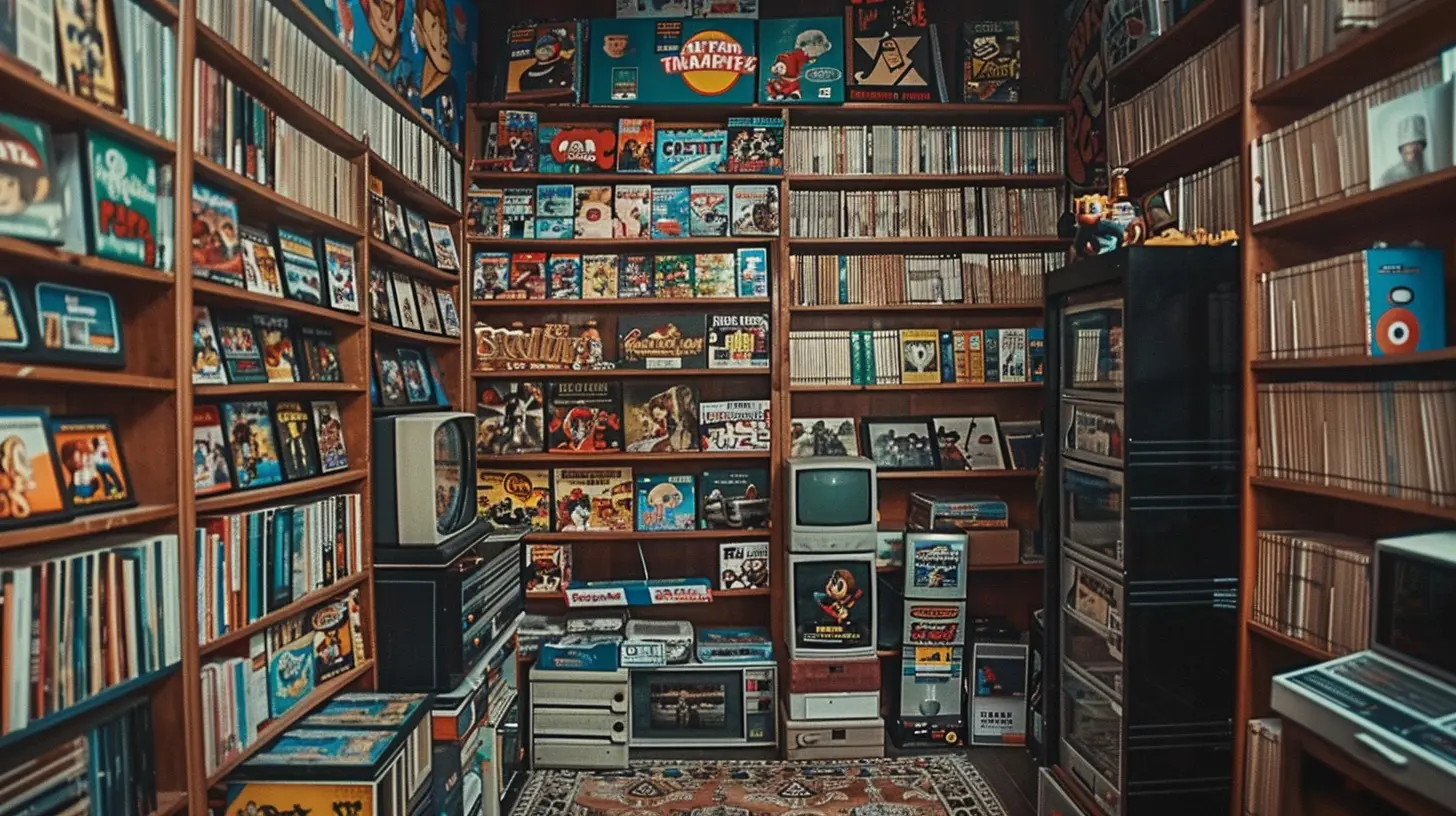
The Scalping Problem
Modern collectors face a new type of villain: the scalper. These folks snatch up limited editions the second they drop, only to resell them at double—or triple—the price.Retro collectors might have to dig through eBay or hit conventions, but at least they’re not battling bots and restock alerts at 3 AM.
So, while retro is expensive, modern collecting can be equally painful if you're not quick on the draw.
Digital vs. Physical: The Modern Divide
Here’s where the modern scene hits a snag. So many new games are digital-only. Sure, it’s convenient—but you can’t put a digital download on a shelf, can you?Physical media is the lifeblood of collectors, and retro was almost all physical. Meanwhile, modern gaming seems to be drifting further into the cloud.
Collectors crave tangibility. They want to crack open a case, admire the disc, check out the cover art. With digital games, that thrill is gone. And let’s be honest—how collectible is a code printed on a receipt?
Condition and Preservation: A Tough Balancing Act
With age comes fragility. Retro games might be durable on the inside, but the cardboard boxes? Not so much. Finding a mint box from the 80s or 90s is like finding a unicorn.Modern games, on the other hand, often come in sturdy plastic cases. Easier to store, protect, and keep pristine.
But—and this is a big but—modern games are more complex. Disc rot, software updates, and future server shutdowns can all limit their longevity. A retro game will work as long as you have the hardware. A modern title? Not always.
Satisfaction Factor: What Feeds the Soul?
Here’s where things get personal.Retro collecting is like curating a museum. Every piece tells a story. You're preserving a legacy, a pixelated past filled with history and heart. The joy of finding an old gem, cleaning it up, and seeing it work? That’s unrivaled.
Modern collecting feels more like art collecting. Sure, there’s less nostalgia (unless we’re talking digital remasters), but the presentation, polish, and community around new releases bring a different kind of thrill.
So, which one satisfies more? Honestly, it depends on your vibe. If you’re chasing memories, retro’s your jam. If you’re into aesthetics and exclusivity, modern hits the mark.
The Hybrid Collector: Why Not Both?
Here’s the secret no one talks about: you don’t have to choose.Many collectors dabble in both. They hunt for retro relics at garage sales and conventions, while pre-ordering the latest collector’s edition from their favorite dev.
The hybrid approach mixes old-school charm with new-school polish. You get the best of both worlds—history and hype, pixels and polygons.
Think of it like a playlist. Sometimes you want some nostalgic 8-bit beats. Other times, you're in the mood for high-res orchestral drama. Why not have both?
Final Thoughts: What’s “Better” Depends on You
So, retro vs. modern—what’s better for collecting? Short answer: it depends on your passion.Do you crave history, nostalgia, and physical resilience? Retro's your ticket.
Do you love pristine packaging, exclusive swag, and a connection to the current gaming scene? Modern’s the way to go.
In the end, the best collections are the ones that mean something to you. Whether it’s a wall of NES carts or a shelf full of PS5 collector’s editions, your collection is a reflection of your gaming soul.
Forget the rules. Collect what you love, treasure what you own, and enjoy the hunt.
Because let’s face it—there’s no thrill quite like finding that one missing piece to complete your set.
all images in this post were generated using AI tools
Category:
Game CollectingAuthor:

Leif Coleman
Discussion
rate this article
1 comments
Soren McKay
Sure, collecting retro games feels like a treasure hunt, but let's be real. Modern titles come with improved graphics, online play, and a community that never sleeps. If you're still stuck in the past, you might just miss the best part of gaming... the future!
August 6, 2026 at 3:11 AM
Leif Coleman
I get that modern games have their perks, but there's something special about the nostalgia and uniqueness of retro titles. Both have their place, and each brings its own kind of joy.