Why History-Based Games Make Learning Fun
10 March 2026
Let’s face it—history class didn’t exactly have most of us jumping out of bed in the morning. Dates, names, long-dead monarchs, and battles all jumbled together in dusty textbooks? Yeah, not the most thrilling way to spend a Tuesday afternoon. But what if learning history was more like playing your favorite game—intense, interactive, and dare I say... fun?
Well, buckle up, because history-based games are changing the game (pun intended). These aren't your average button-mashing shooters or mindless mobile apps. They're immersive, often emotional, time-traveling experiences that sneak in real lessons while you're too busy having a blast to notice. Let’s dive into why these games are turning players into unexpected history buffs.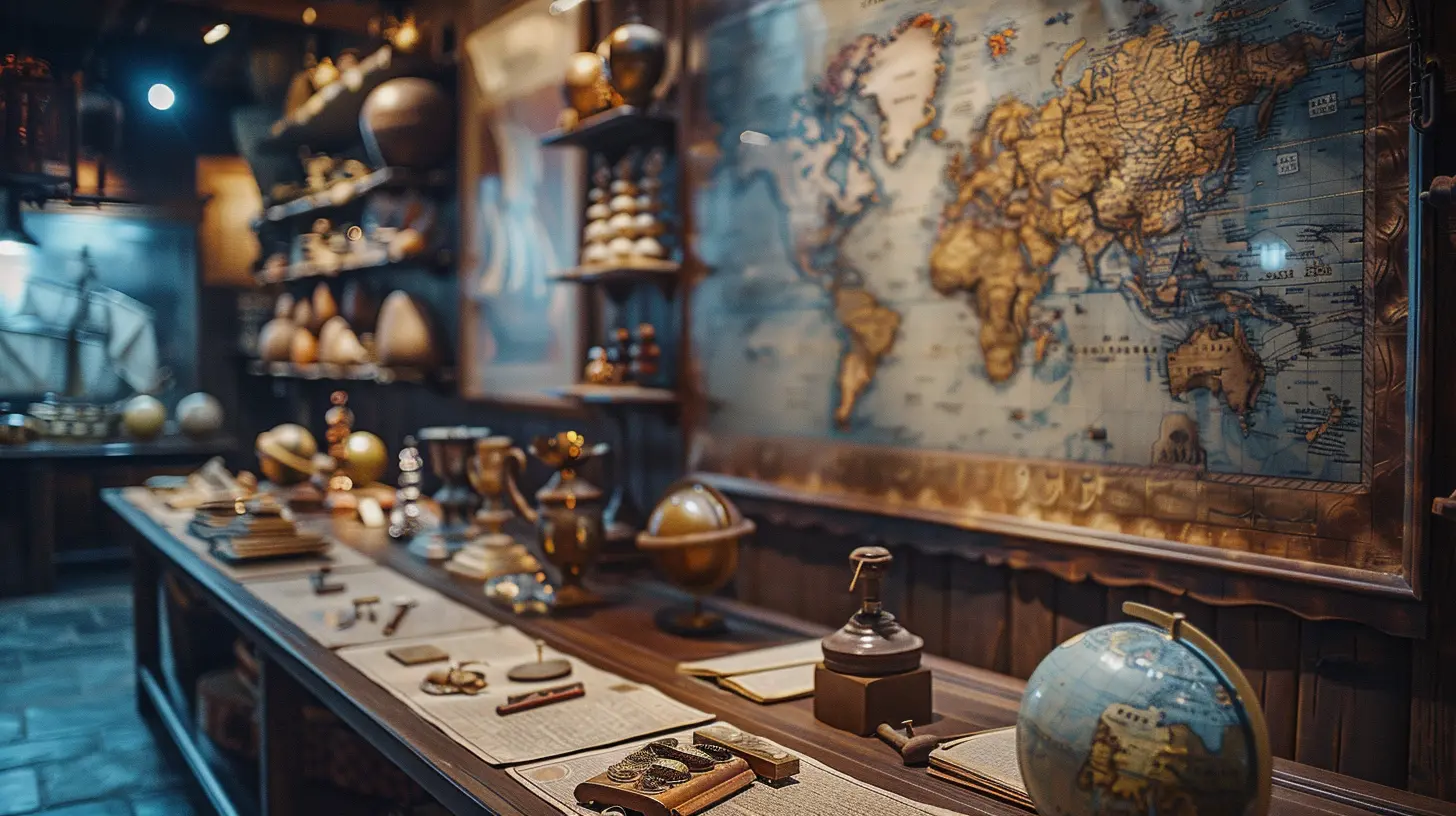
Gaming + Learning = The Ultimate Combo
Remember when your parents said video games were a waste of time? Well, history-based games are here to throw that argument out the window. These gems blend solid storytelling, engaging gameplay, and actual historical events to create a learning experience that’s both effective and wildly entertaining.Think about it—if you’re storming the beaches of Normandy in Call of Duty: WWII or rebuilding ancient cities in games like Civilization or Assassin’s Creed, you’re not just playing. You’re absorbing facts, understanding context, and gaining a surprisingly clear picture of what those times looked and felt like.
Why Textbooks Fall Flat (And Games Don’t)
Let’s not roast textbooks too hard—they’ve got their place. But let’s be honest, reading about the French Revolution doesn’t pack the same punch as experiencing it.Games allow you to walk the cobblestone streets of 18th-century Paris, interact with key historical figures, and witness society on the brink of revolution—all while completing missions and unlocking achievements. That’s about a thousand times more memorable than flipping through 50 pages of bland descriptions. It's like comparing a roller coaster to a document about roller coasters.
Learning Through Doing: The Power of Interactivity
When you play a history game, you’re not just watching—you’re doing. That’s a big deal for learning. Interactive experiences force you to think on your feet, make decisions, and see the consequences unfold. That level of engagement helps your brain retain information way better than passive reading or listening.Take the Total War series, for instance. You're commanding armies, forming alliances, and managing entire empires. Along the way, you absorb politics, military strategy, economics, and social structures from different time periods. It’s hands-on learning disguised as epic gameplay.
Real Emotions, Real Impact
Ever gotten emotionally attached to a character in a game? (Yeah, same here.) Well, history-based games often create deeply human stories that give historical events a personal touch. You’re not just reading about a war—you’re living it through the eyes of a soldier, a civilian, or a rebel leader.Games like Valiant Hearts: The Great War or This War of Mine don’t shy away from showing the brutal, heart-wrenching side of history. And that emotional connection? It makes the lessons stick. You walk away with more than just knowledge—you gain empathy and perspective.
They’re Fun (Obviously)
This one might be a no-brainer, but it’s worth pointing out: people stick with things that are fun. If the choice is between cramming for a history test and spending a few hours exploring Ancient Egypt in Assassin’s Creed Origins, what are you picking?Fun is a powerful motivator. When learning feels good, we chase after it without even realizing it. And history games hit that sweet spot perfectly.
Time Travel, But Without The Whole Paradox Thing
Another reason history-based games are so enjoyable is because they let us step into completely different worlds. Want to experience medieval life, revolutionary America, or ancient Rome? No problem. History games are basically time machines that let us roam eras we’ve only read about.Games like Kingdom Come: Deliverance go all-in on historical accuracy, down to the clothes, weapons, and even language. You’re essentially living in the past—minus the plague, thankfully.
Boosting Critical Thinking and Problem Solving
Not only do history-based games give you facts, but they also sharpen your brain in ways history class often doesn’t. Many of these games require you to strategize, plan ahead, and adapt in real-time. That means you're not just learning about events, you're also developing critical thinking skills.Hearts of Iron IV, for example, isn’t just about knowing when World War II happened—it’s about managing resources, building alliances, and making tactical military decisions. It’s like chess… if the chessboard spanned half the globe.
Teaching The "Why", Not Just The "What"
Here’s a big one: history-based games often explore why things happened, not just what happened. Textbooks love to drop dates and facts, but they don't always dig into the motivations behind events. With games, you get context. You understand the tension, the stakes, the environment.In Assassin’s Creed, for instance, you’re not just seeing events unfold—you’re learning about the culture, politics, religions, and personal motivations that fueled those events. That’s a game-changer (literally) for understanding history on a deeper level.
A More Inclusive Look at the Past
Let’s be real, traditional history has a habit of focusing on the “great men” of the past—kings, generals, presidents. But history-based games have the freedom to zoom in on the stories we don’t often hear.Take Never Alone, a beautiful game that explores Inuit folklore and history through the eyes of a young girl and her arctic fox. Or 1979 Revolution: Black Friday, which dives into the Iranian Revolution from the perspective of a photojournalist. These games bring underrepresented voices to the forefront, making history feel more diverse, inclusive, and real.
Encouraging Curiosity Beyond the Game
Here’s the thing—once a game sparks your interest in a particular era, it's hard not to fall down a rabbit hole of curiosity. Players often come away from historical games with a hunger to dig deeper—watching documentaries, reading books, and even visiting historical sites.Heck, you might play Age of Empires and suddenly find yourself fascinated with the Mongol Empire or the rise of feudal Japan. That curiosity? That’s the spark of genuine learning.
They Bridge the Gap Between Entertainment and Education
In the past, we kept education and entertainment in separate boxes. Now, thanks to history-based games, the lines are blurrier—and that's awesome. These games prove that you don't have to choose between fun and learning. You can have both, and actually get more out of it.Game developers are getting serious about historical accuracy too. Ubisoft, for example, even created an educational Discovery Tour mode in Assassin’s Creed Origins and Odyssey, letting players explore ancient civilizations without combat. That’s proof that learning and fun don’t have to be at odds.
Great For All Ages (Not Just Students)
If you're thinking history games are just for kids or students—think again. Adults can get just as much out of them, whether you're revisiting what you learned in school or picking up entirely new knowledge. They're an awesome way to learn something new without cracking open a textbook.Plus, playing these games with friends or family can spark some pretty interesting conversations. Before you know it, your group chat is all about Julius Caesar's military strategy or the architectural genius of the Mayans.
The Future of Learning Might Just Be a Game Controller
As education continues to evolve, it's clear that traditional methods aren’t cutting it for everyone. Enter history-based games—engaging, immersive, and genuinely effective. Whether you’re learning for school, work, or just because you’re a curious nerd (we love you), these games offer a new, fun-filled path to understanding the past.And let’s be real—what other learning method lets you fight pirates, build empires, and walk with pharaohs, all in a single weekend?
Final Thoughts: Gaming With Purpose
So, the next time someone says video games are a waste of time, you can confidently hit them with, “Actually, I’m learning.” Because history-based games aren’t just entertaining—they’re educational powerhouses hiding in plain sight. They make history engaging, memorable, and, most importantly, fun.So pick up that controller, jump into the past, and start learning—one epic level at a time.
all images in this post were generated using AI tools
Category:
Educational Value Of GamesAuthor:

Leif Coleman
Discussion
rate this article
2 comments
Will Green
Ah yes, because nothing says 'fun' quite like crunching numbers and memorizing dates—what a thrill ride! Who needs roller coasters when you can relive the excitement of the Renaissance or the Plague? Sign me up for that wild historical adventure!
March 16, 2026 at 4:25 PM
Leif Coleman
I get your point! But history-based games can turn those "boring" facts into engaging stories, making learning an adventure. It’s all about the experience!
Renee Roberson
History-based games are not just entertainment; they ignite curiosity and foster engagement. Let’s embrace this dynamic blend of learning and play—it's time to revolutionize education through interactive storytelling!
March 15, 2026 at 4:02 PM
Leif Coleman
Absolutely! History-based games uniquely combine fun and education, sparking curiosity and enhancing engagement in learning. Embracing this innovative approach can truly transform educational experiences.