The Cognitive Benefits of Real-Time Strategy Games
3 May 2026
Let’s face it—when most people think about gaming, especially Real-Time Strategy (RTS) games, they imagine intense clicking, massive armies, and complex battle maps. But what if I told you that beneath all that chaos lies an incredible brain workout? That’s right. RTS games aren’t just fun and addictive—they’re also a goldmine for cognitive development.
In this article, I’ll break down how playing real-time strategy games doesn't just kill time; it can actually enhance your mental agility, boost decision-making skills, and even make you a better multitasker. So, whether you're a hardcore StarCraft veteran or just dabbled in Age of Empires, you're in for a surprise.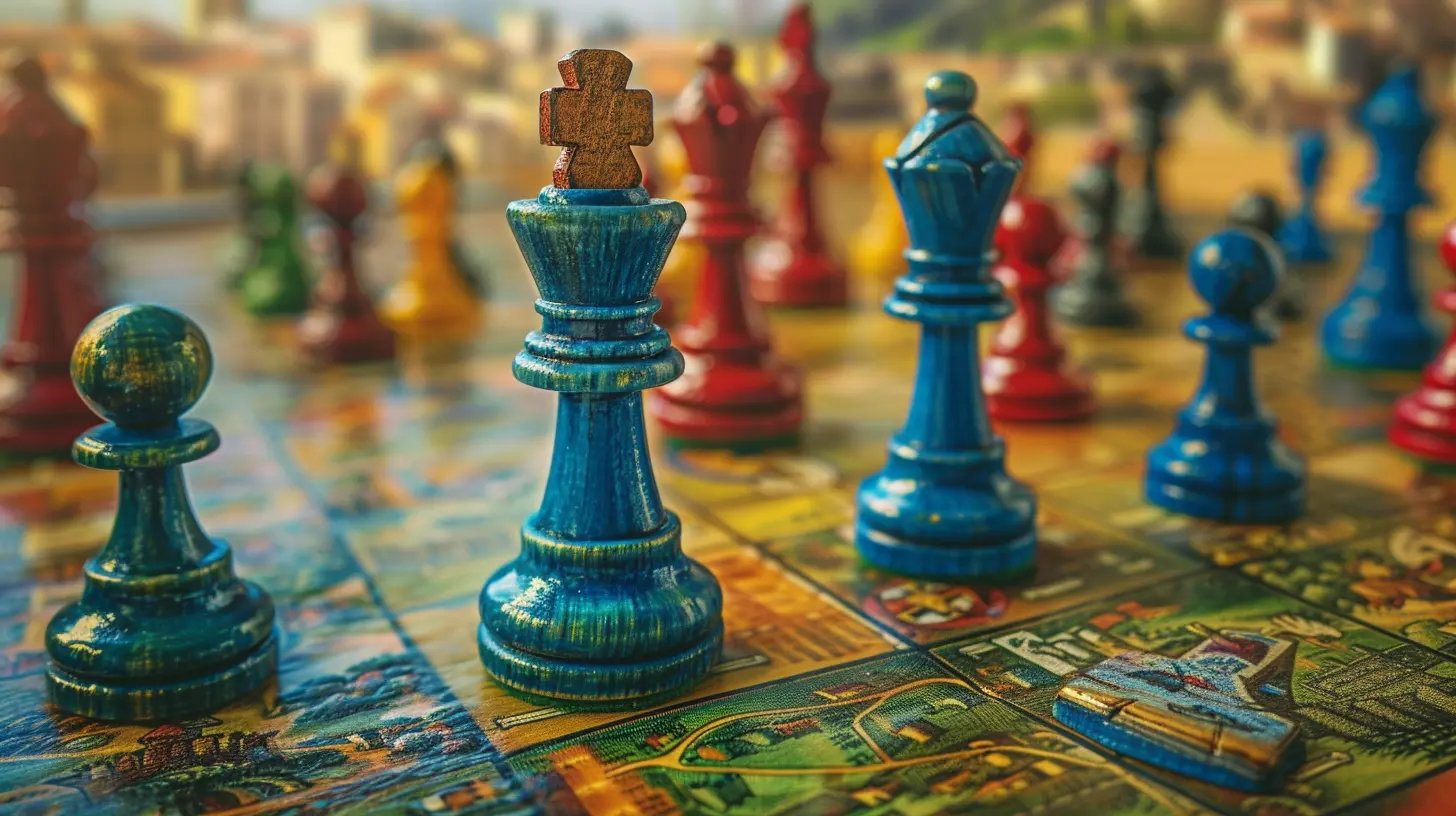
What Are Real-Time Strategy Games Anyway?
Before diving into the brainy stuff, let's get on the same page. Real-Time Strategy (RTS) games are a subgenre of strategy games where players manage resources, build infrastructure, and control units in real-time. No turns, no waiting, just you making split-second decisions on the fly.Popular titles? Think StarCraft II, Warcraft III, Age of Empires, Company of Heroes, and Command & Conquer. These games throw you into fast-paced, high-stakes scenarios where thinking ahead isn't a luxury—it's a necessity.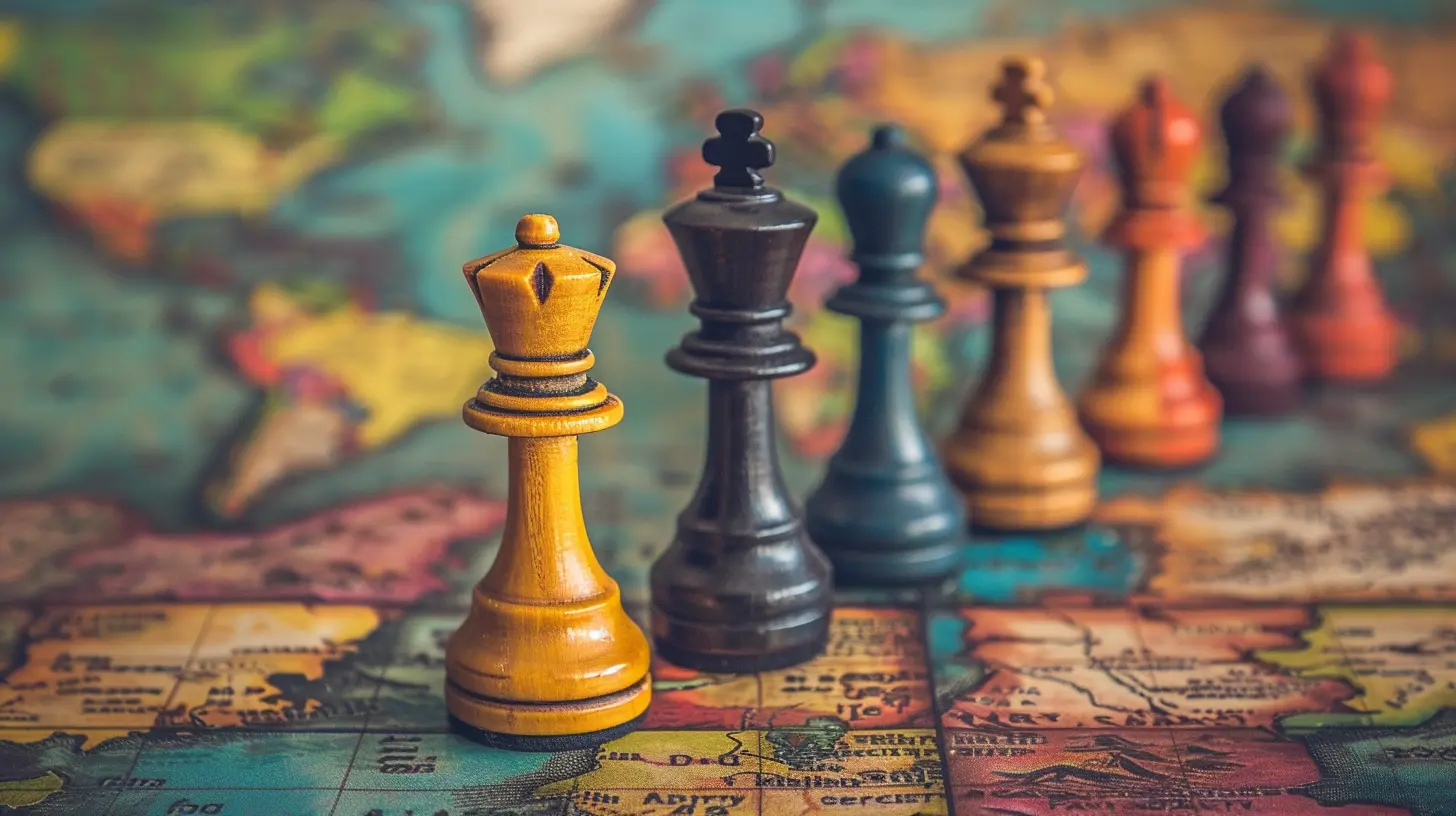
So, How Do RTS Games Train Your Brain?
Gaming gets a bad rap sometimes. But science is starting to flip the script—especially when it comes to RTS games. Let’s unpack the cognitive benefits these games bring to the table.1. Rapid Decision-Making Under Pressure
Can you make a call when the heat’s on? RTS games say, “You better.” In these titles, you’re constantly juggling complex variables—your economy, your army, your opponent's moves—and the clock is always ticking.Over time, playing RTS games actually wires your brain to make faster, more accurate decisions. You learn not to freeze up under pressure. Instead, your brain starts sorting through options like a supercomputer on caffeine.
? Studies have found that RTS players exhibit quicker and more effective cognitive processing. It’s like mental HIIT (high-intensity interval training) for the brain.
2. Multitasking Like a Pro
Picture this: You’re building your base, scouting enemy territory, managing your resources, and launching an attack—all at once. Sound intense? It is. And it's how RTS games condition your brain to handle multiple streams of information simultaneously.That mental juggling act can spill over into real life. Ever tried to study while listening to music and texting your friend? RTS players tend to have better success at balancing several tasks without melting down.
3. Strategic Thinking and Foresight
RTS games aren’t just about reacting—they’re about anticipating. Successful players are always thinking 3-5 steps ahead. Should I expand my base now or wait until I scout the enemy? Will upgrading my units now cost me the game later?This kind of forward-thinking cultivates planning and strategic foresight. It's like chess on turbo mode. You’re constantly weighing short-term gains against long-term advantages.
That kind of thinking isn’t just useful in games—it’s golden in real life. Whether you're planning a project at work or organizing your weekend, the ability to forecast outcomes is invaluable.
4. Spatial Awareness and Visual Processing
Ever wondered how pro gamers track so many units, buildings, and activities across the screen without blinking? That’s spatial awareness and visual processing on a whole other level.RTS games require players to rapidly scan and interpret visual information. This sharpens your visual-spatial skills—think of it as giving your internal GPS a software upgrade. You start noticing patterns faster, keeping better tabs on your surroundings, and mentally mapping space like a boss.
5. Memory Boost and Information Retention
You remember a thousand unit stats, tech-tree upgrades, and counter strategies—but forget where you put your keys? We’ve all been there. But RTS gaming might actually help fix that.Playing regularly improves both your working memory (what you're juggling at the moment) and long-term memory (the stuff you recall later on). You’re constantly forced to remember build orders, tech tree paths, and enemy tactics, and these patterns reinforce memory retention.
Think of it like lifting weights but for your brain’s memory center. The more you do it, the stronger your memory muscles get.
6. Increased Cognitive Flexibility
Ever heard of cognitive flexibility? It’s just a fancy way of saying your brain can switch gears smoothly. And it’s a superpower in today’s multitasking world.In RTS games, your well-laid plans can crumble in seconds. One enemy ambush, and boom! You’ve got to adapt, change tactics, and recover—all in real-time. This repeated practice trains your brain to pivot quickly without freaking out, making you more mentally resilient and adaptive in everyday chaos.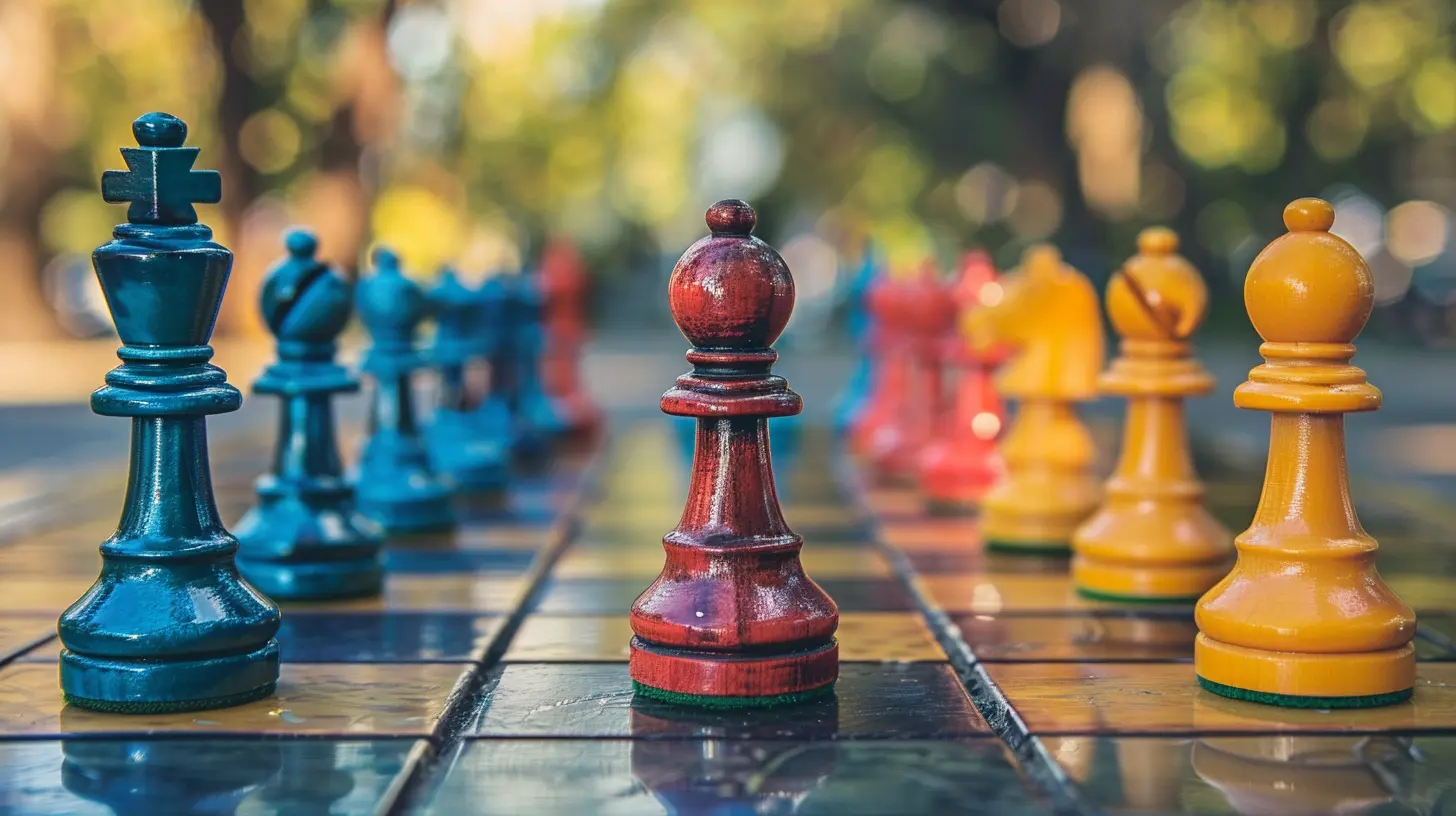
Not Just For Kids: RTS Games and Adult Brains
Here’s the kicker: You don’t have to be a teenager to reap these benefits. Actually, adults might benefit even more.Researchers have found that older adults who engage in RTS gaming show improvements in memory, attention span, and problem-solving speed. Why? Because these games provide a challenging, stimulating environment that essentially keeps the brain on its toes.
So yes, telling your parents you're building a virtual army might just be the best argument against aging gracefully.
Real-World Applications Beyond the Screen
Let’s be real—no one’s hiring RTS players to command actual armies (yet). But the skills you gain from these games are surprisingly transferable. Here are a few ways your gaming prowess pays off in the real world:- Workplace Performance: That multitasking and quick decision-making? Gold in high-stress jobs like emergency response, IT, project management, and even stock trading.
- Education: Planning, memory, and strategic thinking help students grasp complex subjects and ace problem-solving-based learning.
- Social Skills: Multiplayer RTS games often require coordination and communication, which sharpen teamwork and leadership qualities.
Playing Smart: Balancing Fun with Mental Gains
Okay, let’s not ignore the elephant in the room—too much of anything isn’t a good thing. Like any hobby, moderation is key. Spending 10 hours a day zerging the enemy won’t make you Einstein—it'll just give you a sore back and tired eyes.To really tap into the cognitive benefits of RTS games, treat them like a brain gym. Play regularly, challenge yourself, and keep it balanced with breaks, physical activities, and social time.
Want to take it up a notch? Try analyzing your own gameplay. Watch replays, study strategies, and refine your decision-making. The more intentional you are, the more you'll grow.
The Social Brain Behind the Screen
Interestingly, RTS games also engage your social brain—especially when you’re playing in multiplayer modes. You're not just clicking units; you’re communicating, coordinating, and sometimes even negotiating.This social component helps hone emotional intelligence and teamwork—a rare combo in most other game genres. Who knew giving commands to space marines could teach diplomacy?
Final Boss Thoughts: Why It Matters
To sum it all up, Real-Time Strategy games aren't just digital battles—they're intricate cognitive playgrounds. They challenge your mind, teach you to think on your feet, and sharpen your problem-solving instincts in ways few activities can.So the next time someone gives you the side-eye for firing up a game of StarCraft, just smile and say, “I’m training my brain.”
The best part? You won’t even break a sweat.
all images in this post were generated using AI tools
Category:
Educational Value Of GamesAuthor:

Leif Coleman
Discussion
rate this article
2 comments
Bradley Dodson
Real-time strategy games enhance critical thinking and problem-solving skills. Players must make quick decisions, strategize under pressure, and adapt to dynamic scenarios, promoting cognitive flexibility and improving mental agility.
May 16, 2026 at 2:31 AM
Leif Coleman
Absolutely. Real-time strategy games definitely push players to think on their feet and adjust their plans quickly, which sharpens both critical thinking and problem-solving abilities.
Sybil Russell
In the dance of strategy, minds awake, Each move a step in a vibrant shake. Battles unfold, thoughts intertwine, With every choice, neurons align. Beyond mere play, a world to explore, Real-time tactics open minds, and so much more.
May 8, 2026 at 4:41 AM
Leif Coleman
Thanks for capturing the essence of strategy games. They truly sharpen our minds and creativity. Glad you enjoyed the article!