The Debate Over Real-Time vs Turn-Based Combat
28 July 2026
If you've ever found yourself deep in a late-night gaming session, tangled in the mechanics of a complex boss fight or calculating your next move with surgical precision, then you’ve probably already stumbled upon the age-old debate: real-time vs turn-based combat.
It's the gaming showdown that refuses to die. Some gamers swear by the rush of real-time battles, where quick reflexes and adrenaline rule. Others prefer the chess-like strategy of turn-based combat, where every move is a calculated decision in a mental game of war. So, which one is better?
Well, that’s what we’re about to unpack. Grab a controller or your favorite gaming mouse, because this is going to get interesting.
What Exactly Is Real-Time Combat?
Let’s kick things off with real-time combat. If you’ve played games like Dark Souls, God of War, or Devil May Cry, then you know the drill. Everything happens live — enemies move, strike, and attack whether you're ready or not.There are no breaks. No friendly pauses. It’s all about staying alert, reacting quickly, and keeping your wits (and fingers) about you.
Key Features of Real-Time Combat
- Fast-Paced Action: Split-second decisions can win or lose a battle.- Player Reflexes Matter: Reaction speed is as important as strategy.
- Immersive Experience: Feels more like “you’re in the game.”
- Often Visually Intense: More animations, effects, and chaos on-screen.
If you've ever pulled off that perfect parry or last-second dodge, you know that real-time combat delivers unmatched intensity.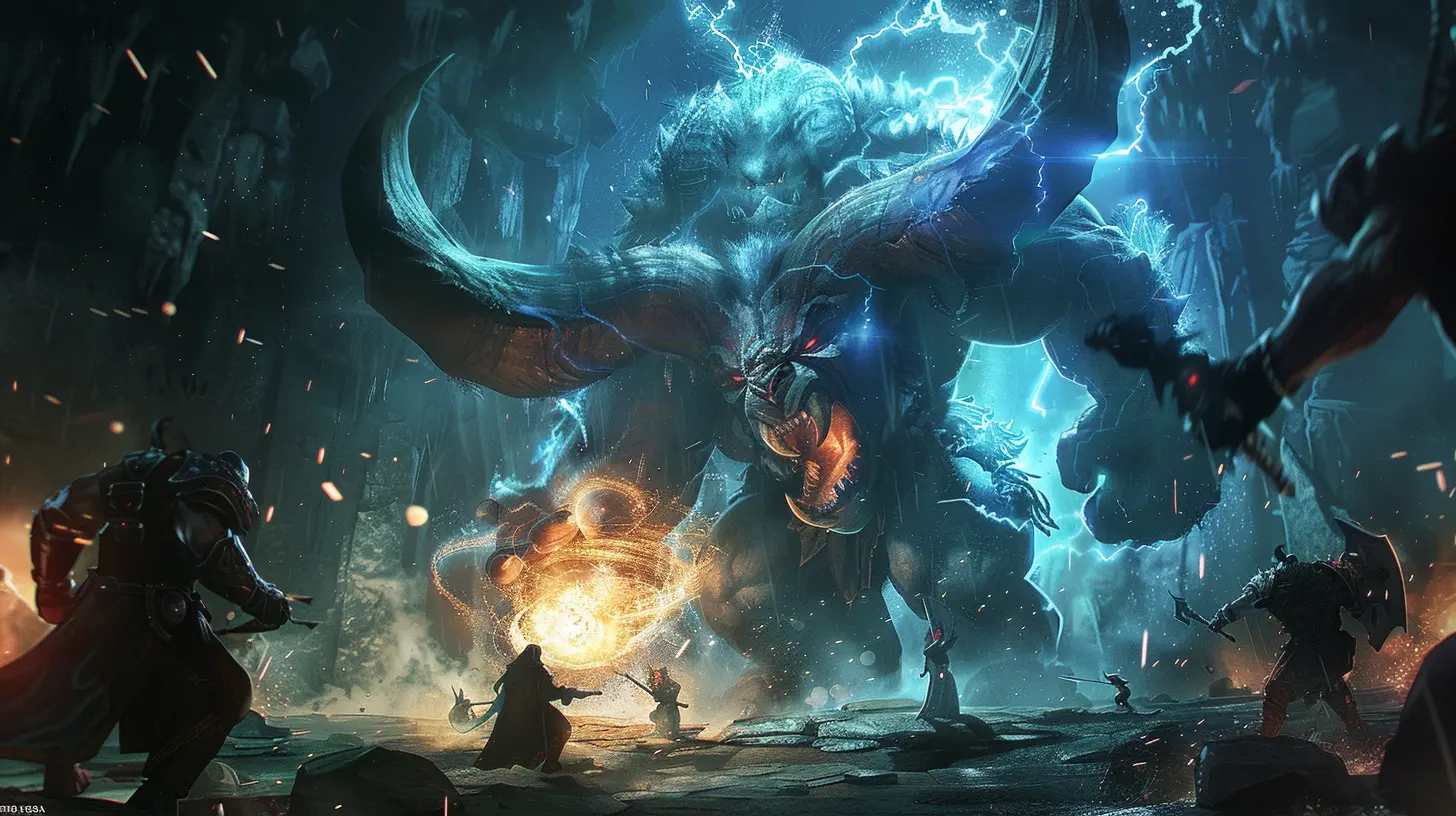
Okay, So What’s Turn-Based Combat?
Turn-based combat is more of a slow burn. Think Final Fantasy X, XCOM, or classic Pokémon games. You take your turn, then your enemy takes theirs. It’s more structured and methodical — like playing a board game where every move could either win the match or blow up in your face.Key Features of Turn-Based Combat
- Strategic Depth: You plan your moves like a general commanding an army.- Pacing Control: You dictate the rhythm of combat.
- No Twitch Skills Needed: You don’t have to worry about reflexes.
- Time to Think: Ideal for players who love to analyze and optimize.
You’re not just fighting — you’re planning, predicting, and executing. It’s brains over brawn, and that's the core appeal.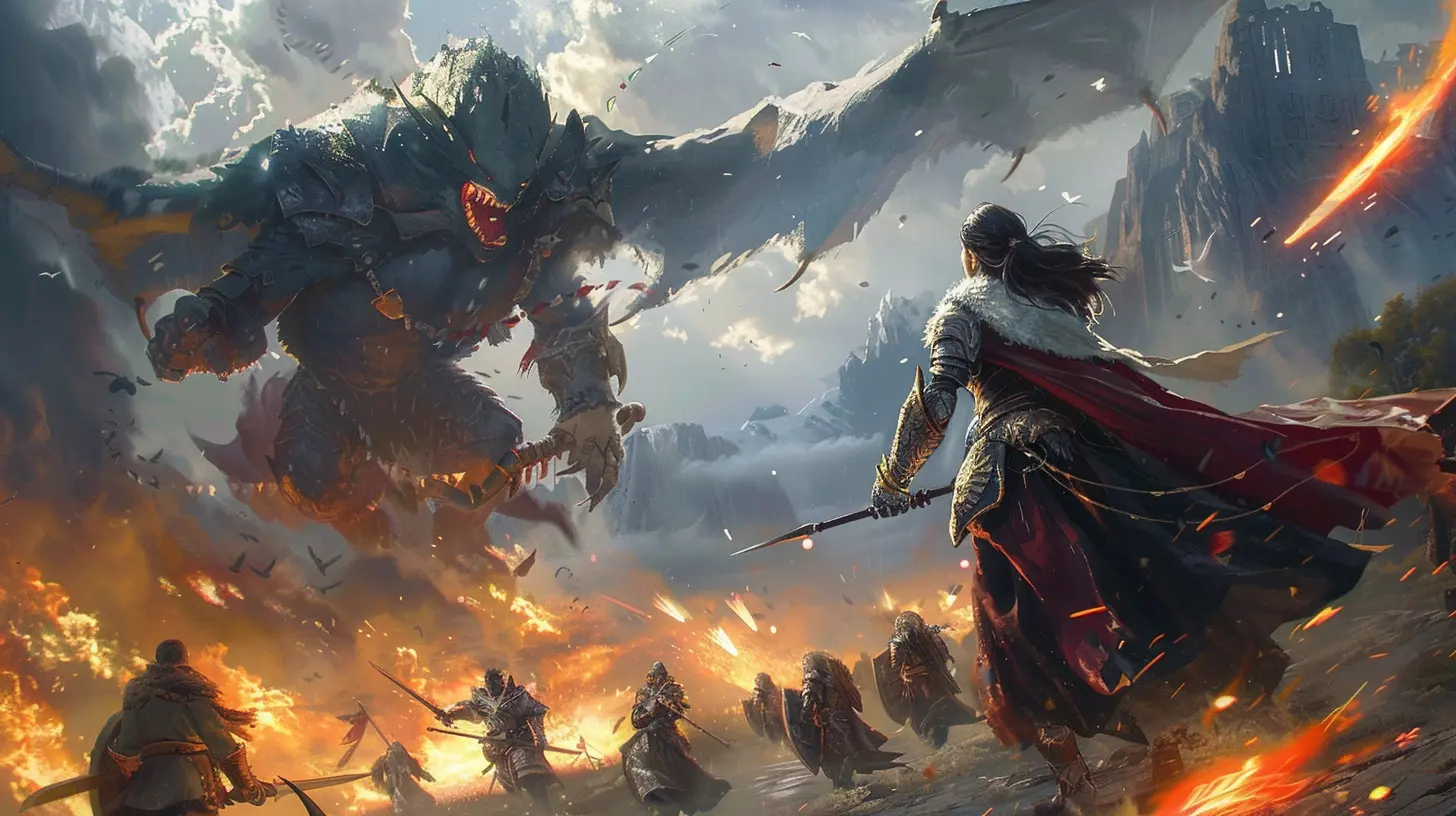
The Case for Real-Time Combat
Let’s break down why so many modern gamers are leaning toward real-time combat.1. It Feels More "Real"
In the heat of a real-time skirmish, you don’t just think, you act. The immediacy of it all draws you in. You're dodging swings, blocking arrows, pulling off combos — it’s like starring in your own action movie.When the combat flows smoothly, there’s a rhythm to it, almost like a dance. It feels visceral and alive.
2. It’s More Immersive
Real-time games tend to make you feel like you're truly inside the game world. Since everything’s happening in real-time, you're forced to stay alert and engaged. You don’t get to sit back and strategize while the game world takes a coffee break — and that’s thrilling in itself.3. Favored by Many Genres
Games across genres — especially action RPGs, shooters, and hack-and-slash games — have embraced real-time combat. Why? Because it’s dynamic and keeps players on their toes.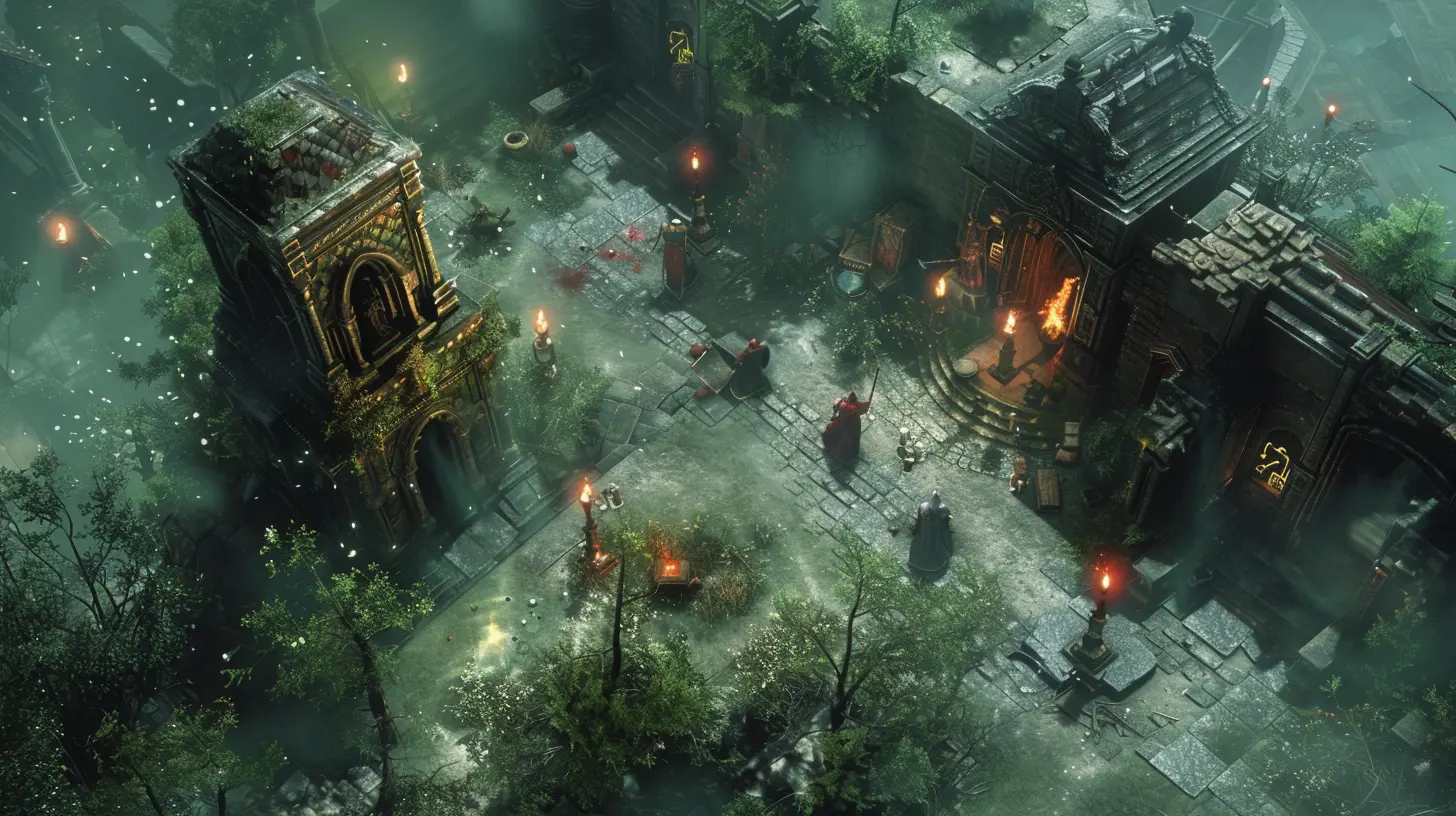
The Case for Turn-Based Combat
Now before you declare real-time the ultimate winner, let’s talk about why turn-based combat still holds a dear spot in many gamers' hearts.1. Depth Over Speed
Turn-based combat is for those who love to dive deep. Every skill, stat point, and cooldown becomes part of a grand tactical plan.You don’t just react; you anticipate. You think three moves ahead. It's like playing 3D chess with swords.
2. Accessibility Wins
Let’s be real — not everyone has bullet-fast reflexes. Turn-based games open up complex gameplay to people who want to focus on thinking, not button-mashing.Plus, it’s a welcoming system for people new to gaming or those who enjoy gaming at their own pace.
3. Great for Storytelling
Turn-based systems often allow for deeper narrative pacing. Without the need for constant action, games have more breathing room to develop characters, write rich dialogues, and create intricate plots.Games like Divinity: Original Sin 2 and Persona 5 prove this point beautifully.
Real-Time vs Turn-Based: A Brief Timeline
Want some context? Let’s jump into a timeline and see how this debate evolved:- 1980s: Turn-based ruled the scene. From Final Fantasy to old-school Dragon Quest, it was all about slow, strategic gameplay.
- 1990s: Real-time made huge strides thanks to faster hardware. Games like Diablo and The Legend of Zelda: Ocarina of Time brought action-packed combat into the spotlight.
- 2000s - Present: A split began. Some franchises stuck to turn-based (Pokémon, Persona) while others went full speed ahead with real-time (Elder Scrolls, Dark Souls).
- Modern Day: Hybrids are popping up (Final Fantasy VII Remake being a perfect example) that blend both styles for a more flexible experience.
The Rise of Hybrid Combat Systems
And now, the best of both worlds. Developers have started combining elements of real-time and turn-based mechanics to create more flexible systems.Take Final Fantasy VII Remake, for example. You're actively moving and attacking in real-time, but you can slow things down to select skills and spells, giving you that strategic advantage.
Games like Dragon Age: Inquisition and Ni no Kuni offer similar setups.
These hybrids are proof that the lines are blurring. Developers want to cater to both types of players — and honestly, it’s working.
Real-Time vs Turn-Based Combat: What's Best for You?
This is the million-dollar question, right? It really comes down to what kind of player you are.Ask yourself:
- Do I love fast-paced action and split-second decisions?
? Go real-time.
- Do I enjoy planning strategies and thinking through each move?
? Turn-based is your jam.
- Do I want a little bit of both?
? Grab a hybrid, and enjoy the best of both worlds.
There’s no right or wrong answer here. The beauty of gaming is choice. You pick how you want to play, and there's a game out there that's perfect for your style.
Why This Debate Isn’t Going Anywhere
Here's the truth: neither system is "better." They just offer different experiences. Diversity in gameplay is one of the reasons gaming continues to grow and evolve.The debate over real-time vs turn-based combat will continue because both have dedicated fanbases, and both types offer compelling advantages. And honestly? That’s a good thing. It keeps developers innovating and players excited for what comes next.
Final Thoughts
At the end of the day, it’s like comparing rock music to classical. One blasts through your speakers with raw energy, while the other invites you to sit down, listen, and absorb every note.Both have soul. Both require skill. And both can be deeply satisfying in the right context.
So, whether you're a button-mashing beast or a turn-taking tactician, keep playing, testing, and exploring what the gaming world has to offer. There’s magic in both styles — and maybe the perfect combat system is the one you haven’t tried yet.
all images in this post were generated using AI tools
Category:
Rpg GamesAuthor:

Leif Coleman
Discussion
rate this article
1 comments
Susan McVeigh
Real-time combat immerses players in a frantic, adrenaline-fueled experience, forcing quick reflexes and decision-making. In contrast, turn-based combat allows for strategic depth, where every choice can lead to victory or defeat. Both styles have their merits, reflecting different aspects of human nature: instinct versus contemplation in the heat of battle.
August 1, 2026 at 4:17 PM
Leif Coleman
You make a great point about the contrast between instinct and strategy. Both combat styles bring unique thrills and challenges, appealing to different player preferences. It's fascinating to see how each can shape the gaming experience.