The Evolution of Game Modding Over the Years
29 June 2026
Let’s take a trip down memory lane—back to the days when floppy disks were a thing, and modding a game meant literally breaking it (and possibly your PC). Fast-forward to today, and game modding is practically a backbone of gaming culture. It’s wild how far we’ve come, isn’t it?
In this article, we’re diving into the fascinating evolution of game modding over the years. From pixel-swapping in DOS-based games to massive community-driven revamps, we’re going to explore how game modding grew from a niche hobby to a creative powerhouse that shapes the very games we play today.
So grab your favorite snack, settle in, and let’s geek out together.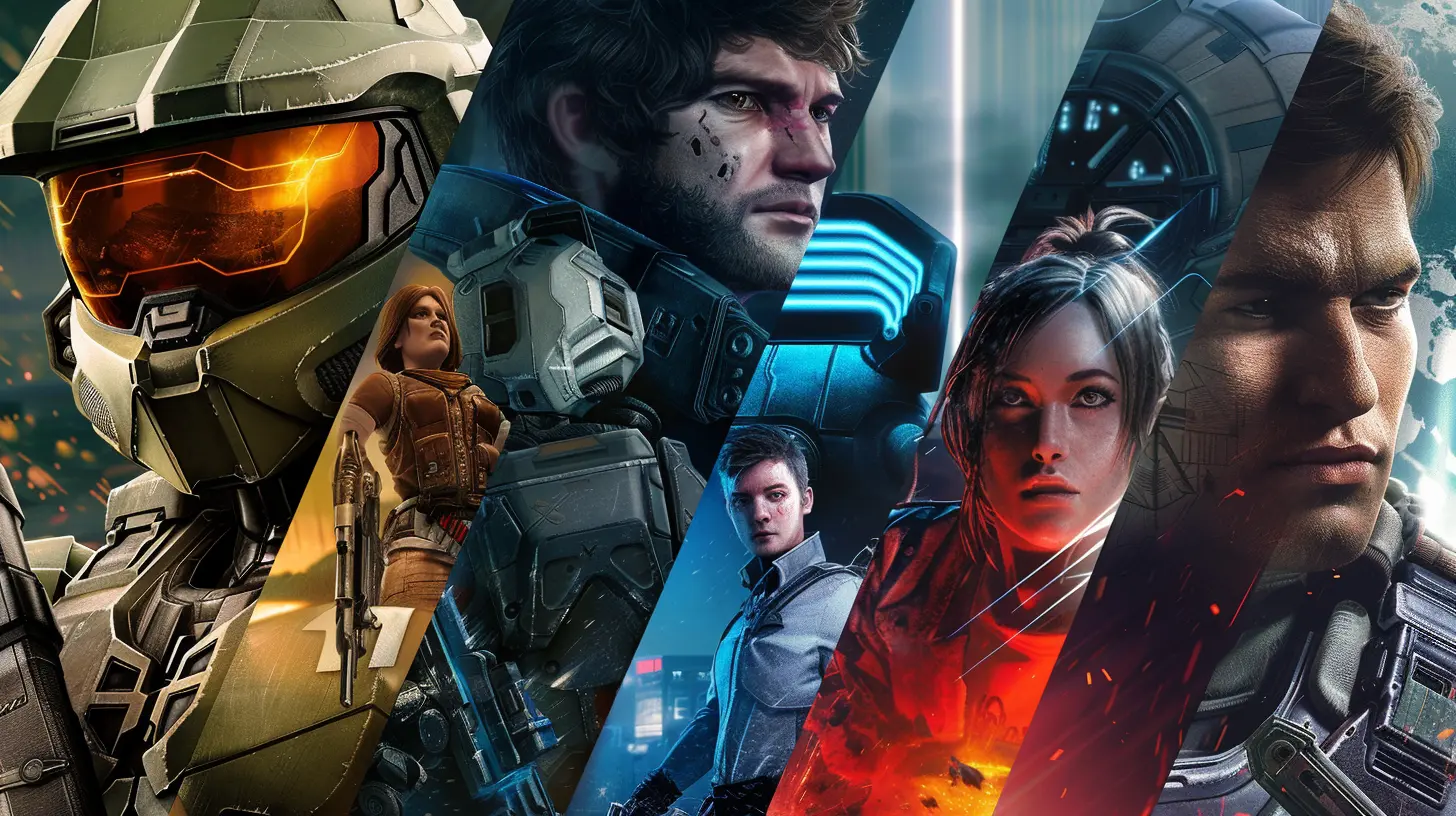
What is Game Modding Anyway?
Before we go full nostalgia mode, let's make sure we’re on the same page.Game modding (short for "modification") is the act of tweaking, changing, or completely overhauling a video game by fans or users—not the original developers. Mods can be as small as changing a character’s skin color or as massive as creating entirely new storylines or game mechanics.
Think of it like giving a video game a makeover, or in some cases, plastic surgery with a personality transplant.
Mods can:
- Fix bugs the developers never got around to
- Add new content (weapons, quests, levels, etc.)
- Improve graphics and performance
- Make the game more fun, weird, or just plain chaotic (looking at you, Thomas the Tank Engine in Skyrim)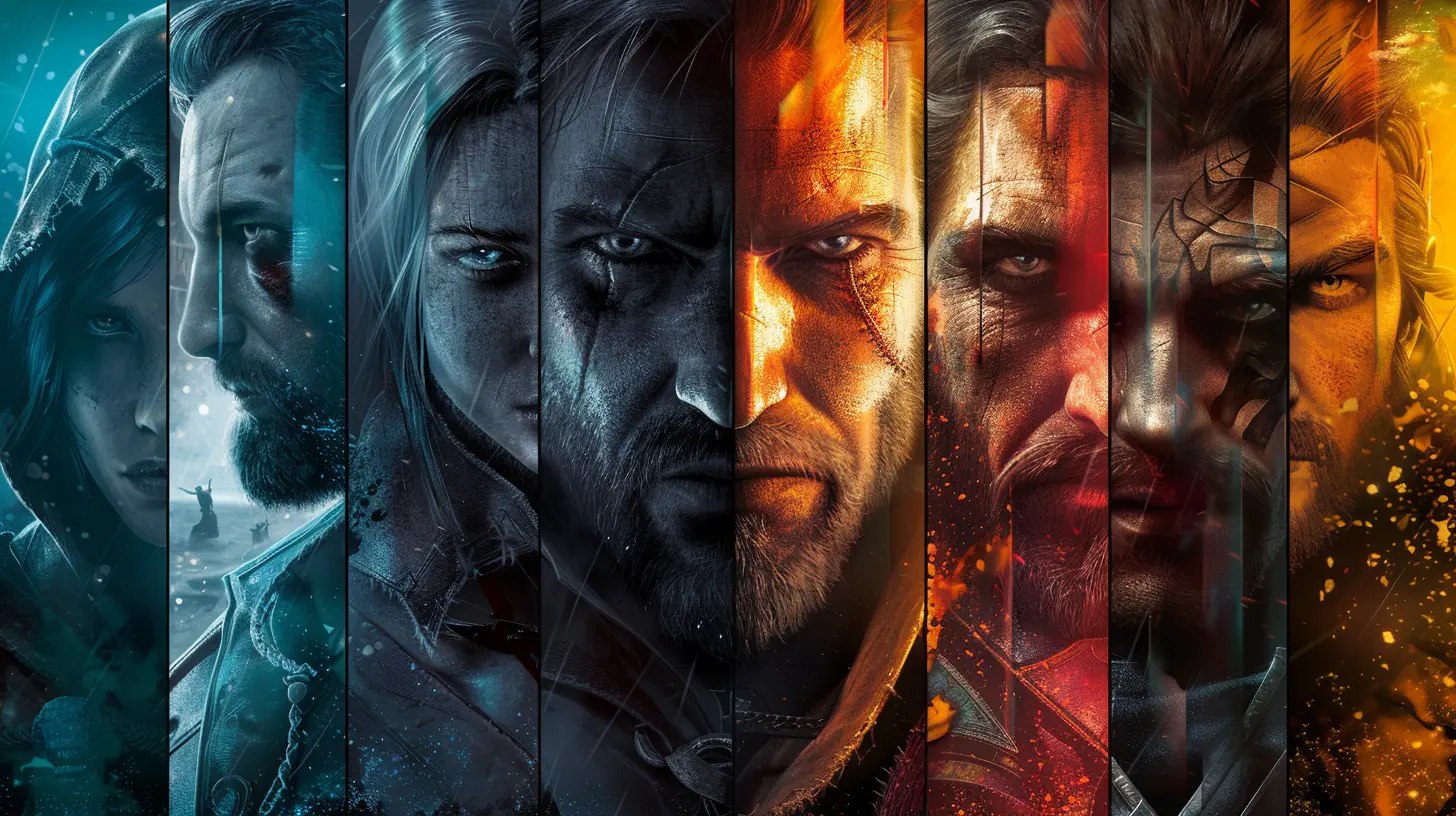
The Humble Beginnings: 80s – Early 90s
Let’s rewind to the early days of modding when things were... let’s just say, a bit more “wild west.”Back in the 1980s, modding was barely even a "thing." Some truly dedicated (read: slightly mad) folks were cracking open game files with hex editors, changing values manually, and praying their PC didn’t implode. Ever heard of ‘Castle Smurfenstein’? It was one of the earliest known mods—a parody of ‘Castle Wolfenstein’ made in 1983.
In the early '90s, PC gaming started gaining traction, and certain titles became mod-friendly—sometimes intentionally, sometimes not. Games like ‘Doom’ (1993) changed everything. With its open architecture and sharable WAD files (Where’s All the Data?), users were able to create mods and share them via BBS (Bulletin Board Systems). It wasn't pretty, but it got the job done.
Doom didn’t just start a franchise—it spawned a modding revolution.
The Golden Age Arrives: Mid 90s – Early 2000s
Now we’re talking.The mid to late '90s was the real spark of the modding boom. Developers began to realize that allowing fans to play around with their games wasn’t just cool—it kept the games alive longer. Who wants a one-and-done title when a game can basically be infinite, thanks to mods?
Quake and Unreal Tournament – Modders' Paradise
‘Quake’ (1996) by id Software introduced mod-friendly tools and encouraged users to create their own content. This was a game-changer—literally.Suddenly, we saw new game types, levels, and even complete overhauls. Some even turned into standalone games. Yup, you read that right. Ever heard of ‘Counter-Strike’? It started as a mod for ‘Half-Life.’ That's how powerful modding could be.
And let’s not forget ‘Unreal Tournament.’ Its modding support was so robust that entire development careers were born from it. Modders turned game designers; hobbyists became professionals.
The Rise of Modding Tools
During this time, game companies started releasing special tools for modding. Bethesda’s ‘The Elder Scrolls Construction Set’ for Morrowind (2002) was a godsend. Now you didn’t need to be a coder or a magician to mod—you just needed a good idea and a bit of time.
The Explosion of Creativity: 2000s – 2010s
The 2000s marked the age of broadband internet, and oh boy, did it help.With faster internet, sharing mods became a breeze. Communities like Mod DB and Nexus Mods took off, creating a social space for modders and players alike. Ratings, feedback, downloads—it was like YouTube but for game content.
Skyrim – The Modding Beast
We can’t talk about modding without talking about ‘Skyrim’ (2011). This game broke the internet with mods. From 4K textures to Macho Man dragons (because why not?), mods turned Skyrim into a meme factory and a masterpiece at the same time.Bethesda, seeing the love, leaned into it. They even built mod support into the game, and later, the Creation Club to officially support (and monetize) mods.
The Sims and Creative Expression
Let’s not forget the sheer magnitude of modding in games like ‘The Sims.’ Players added custom furniture, clothes, gameplay tweaks—basically turning it into their own personalized sandbox of life. No other game makes "downloading a kitchen mod" sound so normal.Modding in Multiplayer: Risks, Rewards, and Realities
As online multiplayer games gained traction, modding hit a bit of a wall. It’s one thing to add a new sword in your offline RPG—it’s another to add aimbots in a shooter and ruin someone else’s fun. (Yes, we’re calling you out, cheaters.)Some MMOs and competitive games had to ban mods entirely to maintain balance and prevent exploits. But even then, players found ways to mod skins, HUDs, and minor visuals that didn’t affect gameplay. Think of ‘World of Warcraft’ addons or the insane UI changes in games like ‘Final Fantasy XIV.’
From Hobby to Career: Modding Goes Mainstream
Remember how we mentioned ‘Counter-Strike’? That started as a mod and went on to become one of the biggest FPS franchises ever. Same with ‘Dota,’ which was originally a mod for ‘Warcraft III.’Modders were no longer just fans—they were unofficial interns. Game studios began hiring popular modders to join the dev teams. Some even made entire companies from their passion projects.
Take ‘Stardew Valley.’ It started off as a solo project inspired by Harvest Moon, heavily supported by modding later and now a beloved favorite. The line between modding and game development started to blur.
Workshop and Game Integration: The Steam Era
With the rise of digital game distribution came new ways to mod.Valve’s Steam Workshop made it ridiculously easy to install, uninstall, and update mods with just a click. No more digging into game directories or messing with file names. Suddenly, grandma could install mods (well, almost).
This accessibility led to a surge in modding. More players tried mods, more creators made them, and entire games were purchased just for the mods available.
The Console Conundrum (And a Bit of Progress)
Modding on PC? A breeze. On consoles? Not so much.For the longest time, modding was practically a PC-exclusive club. Console gamers looked on enviously as Skyrim PC players summoned dragons that dropped cheese wheels from the sky.
But eventually, things started to shift.
Bethesda led the way again by bringing mod support to consoles for ‘Skyrim Special Edition.’ It wasn’t as open as PC modding, but it was a huge leap forward. Console players could finally dip their toes into modding without a gaming PC.
AI, VR, and The Wild Future of Modding
Here we are, modern-day modding—and things are only getting crazier.With AI tools like ChatGPT, MidJourney, and text-to-code software, modding is on the edge of a massive revolution. Soon, people might be able to describe a mod idea in words and have AI help bring it to life. How cool (and slightly terrifying) is that?
VR games are also opening up new ways to experience mods. Want to fight dragons in Skyrim VR while wielding a lightsaber? That’s a thing now. Yeah. The future's pretty nuts.
Challenges Still Ahead
Modding isn’t all sunshine and rainbow-colored Minecraft sheep, though.There are challenges:
- Legal grey areas (especially with copyrighted content)
- Monetization debates (should modders get paid?)
- Compatibility issues between game updates and mods
- Keeping a balance when modding multiplayer games
But despite it all, the passion of the modding community stays strong. If you’ve ever downloaded a mod, thank a modder. No, seriously—say thanks. Most of these people work for free, powered only by love, caffeine, and too many late nights.
Why We Love Modding
At the end of the day, game modding is about freedom. It’s about creativity, expression, and extending the life of the games we love.It blurs the line between player and developer, turning passive enjoyment into active creation. Modding lets you say, “This game’s great, but what if I made it better?”
And that question—“what if?”—is what has fueled the evolution of game modding over decades.
Final Thoughts
Game modding has come a long way. From the dark days of hex editing to AI-powered dreamscapes, mods have shaped the gaming world in ways we never imagined.Whether you're a casual player who enjoys a few quality-of-life mods, or a hardcore creator building massive overhauls, you’re part of a legacy that continues to grow.
So next time you fire up a modded game, remember—you’re not just playing. You’re part of a movement.
all images in this post were generated using AI tools
Category:
Game ModsAuthor:

Leif Coleman
Discussion
rate this article
2 comments
Adria Diaz
Game modding has transformed the industry, empowering players and breathing new life into classics.
September 17, 2026 at 5:11 AM
Khloe Clark
Game modding has transformed gaming culture, empowering players to create and innovate beyond developers' original visions.
June 29, 2026 at 4:16 PM
Leif Coleman
Absolutely! Game modding has truly reshaped how players engage with games, allowing for endless creativity and personalization. It's exciting to see how this evolution continues to enhance the gaming experience.