Why Companions Often Steal the Show in RPGs
19 May 2026
Let’s be real for a second—when we think back to our favorite role-playing games (RPGs), it’s rarely just the main plot or protagonist that sticks with us. Instead, it's often the quirky rogue with a sharp tongue, the mysterious mage with a heart of gold, or the awkward but lovable warrior who can’t flirt to save their life. Yup, we’re talking about companions.
You know what I mean, right? Those AI-controlled sidekicks who tag along on our epic quests, pitch in during bloody battles, and sometimes even outshine the hero in the spotlight. In fact, companions are often the best part of an RPG. But why is that? Why do they keep stealing the show?
Grab your gear, traveler—let’s dive into the heart of the matter and break down why companions are the unsung MVPs of so many RPGs.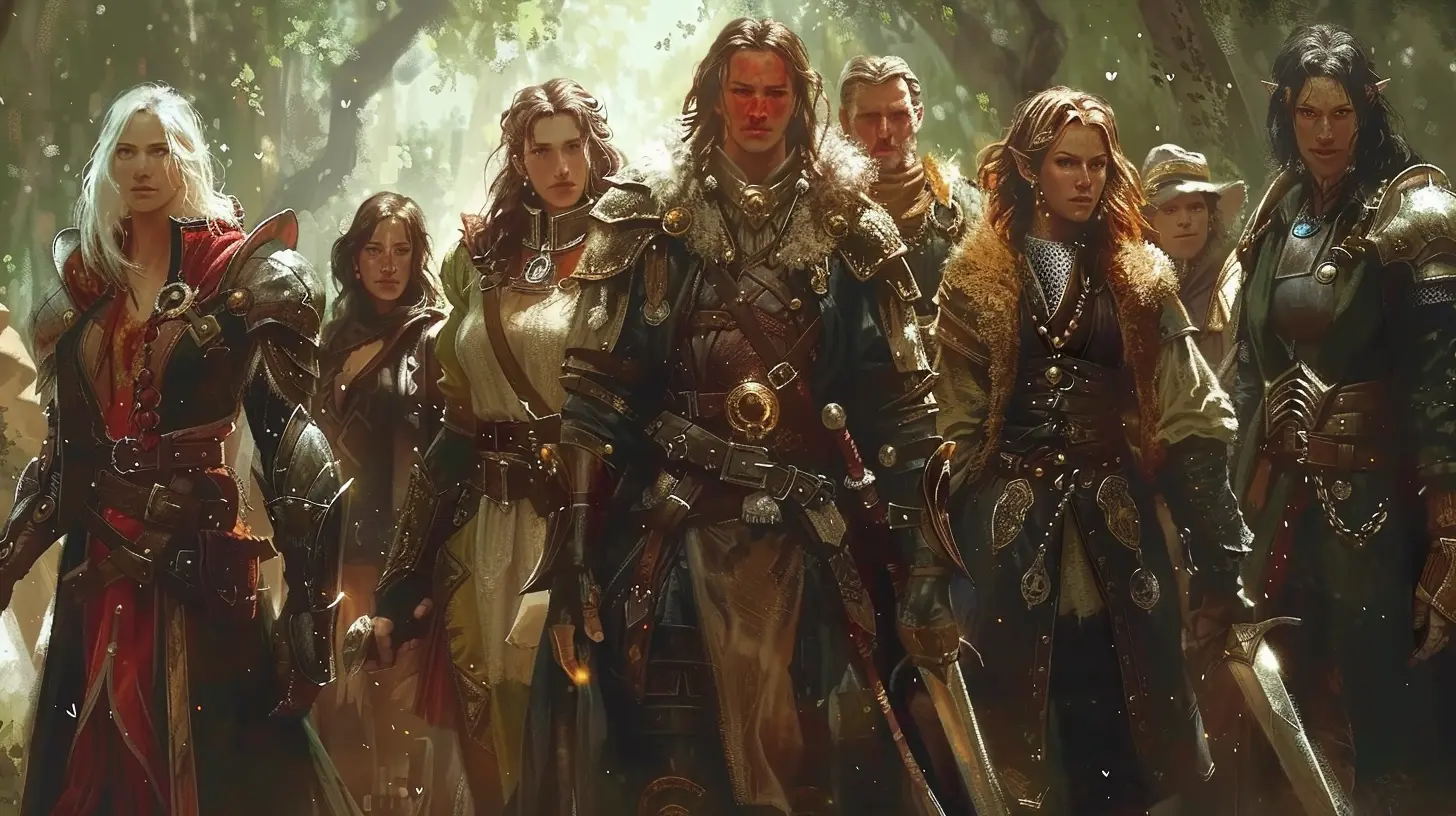
The Emotional Glue in a Harsh World
Imagine trekking across a post-apocalyptic wasteland or navigating a war-torn fantasy kingdom... alone. Sounds depressing, doesn’t it?Companions are more than just extra swords or spellcasters—they’re your emotional anchors. RPGs often toss us into gritty, high-stakes worlds where things can get dark real fast. Having someone at your digital side who cracks a joke or offers a comforting word can be the difference between feeling like a lone wolf and having a dysfunctional but loveable family.
Think about companions in Mass Effect or Dragon Age. You might start off as strangers, but by the end, they’re your chosen family. And just like in real life, it’s the relationships that make the journey worthwhile.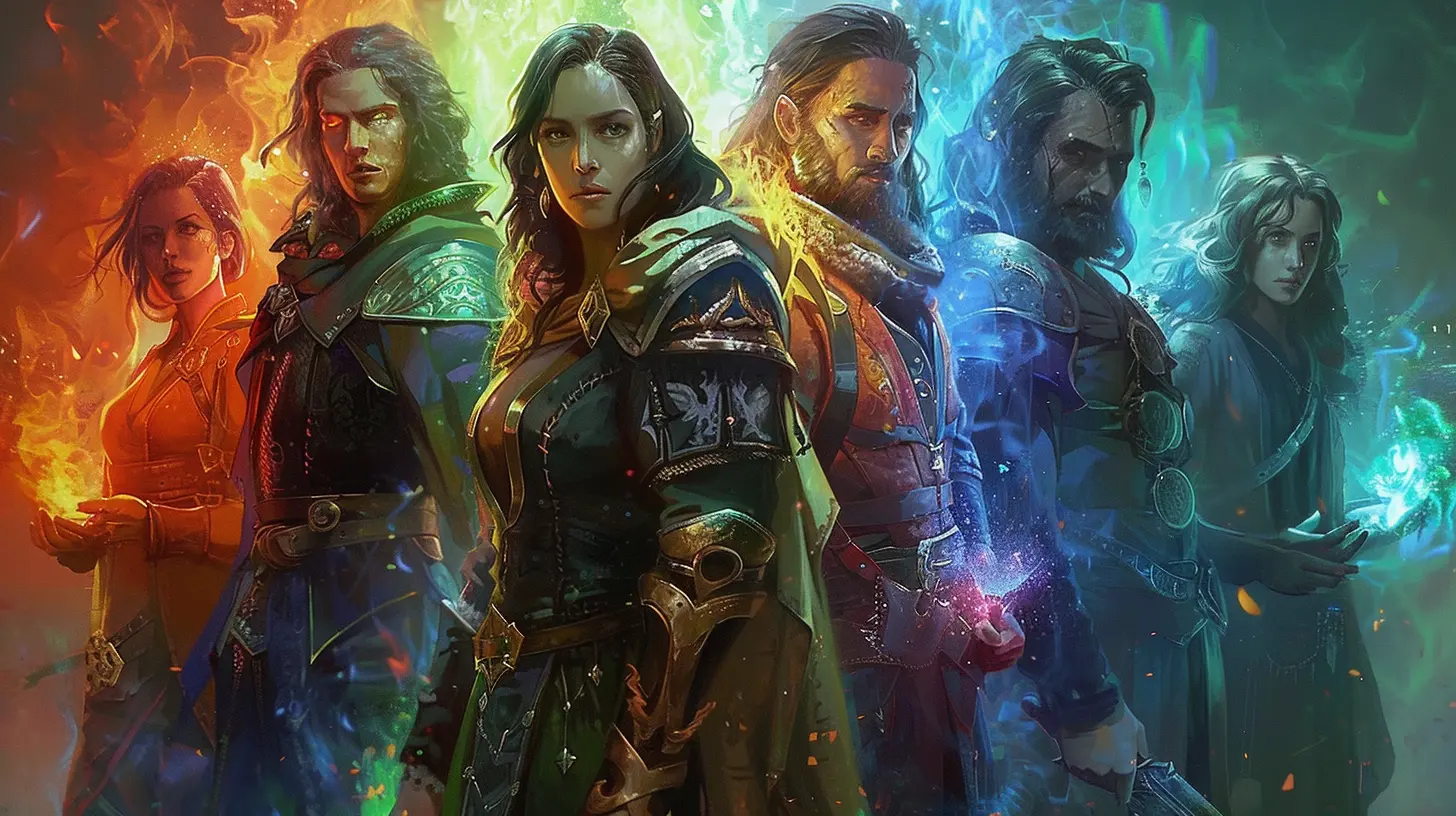
Depth That Rivals the Protagonist
Honestly, some RPG companions are written with more depth and complexity than the actual player character. Since the hero is often a blank slate (so you can insert your own personality), devs tend to pour all the spicy backstory and character flair into the companions.They’ve got secrets. Trauma. Personal quests. Growth arcs. Heck, sometimes they even evolve more than the main character does. A great example? Garrus Vakarian from Mass Effect. He starts off as a bit of a lone-wolf vigilante, but over time, you see his worldview change depending on your choices.
It’s like watching your favorite TV characters grow across seasons—you get invested in them on a whole new level.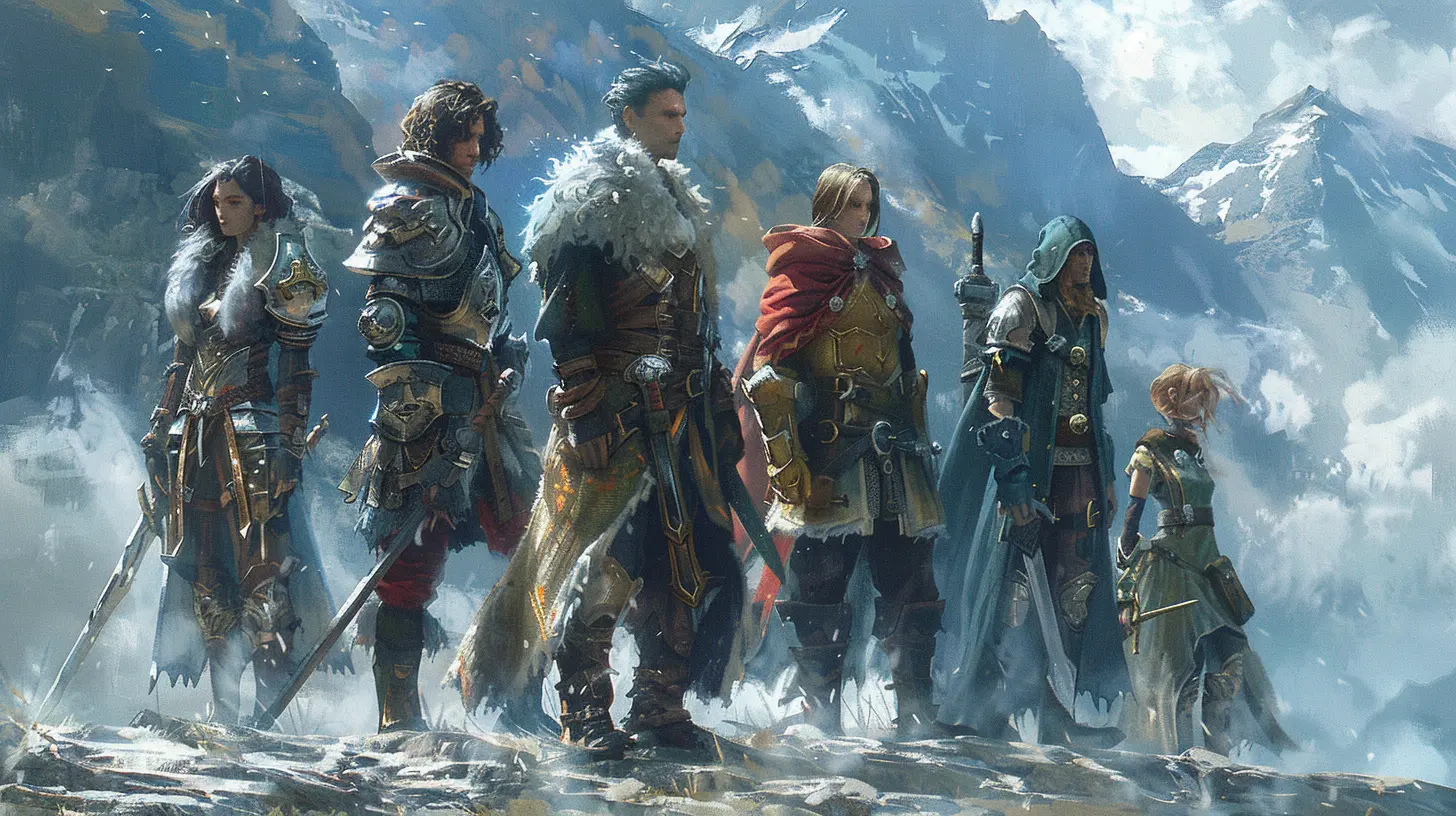
Choices That Actually Matter—Thanks to Them
Let’s talk gameplay for a second. Companions often have a direct impact on your choices and, more importantly, the consequences of those choices.Say you’re playing Dragon Age: Inquisition. You might be all ready to side with one faction... until you realize it could cost you the loyalty—or even the life—of a beloved companion. Suddenly, your black-and-white decision becomes fifty shades of grey.
When you care about your squad, every choice becomes weightier. Their reactions, approvals, and disapprovals shape the entire narrative. And when a companion leaves or turns against you? That hits harder than any boss fight.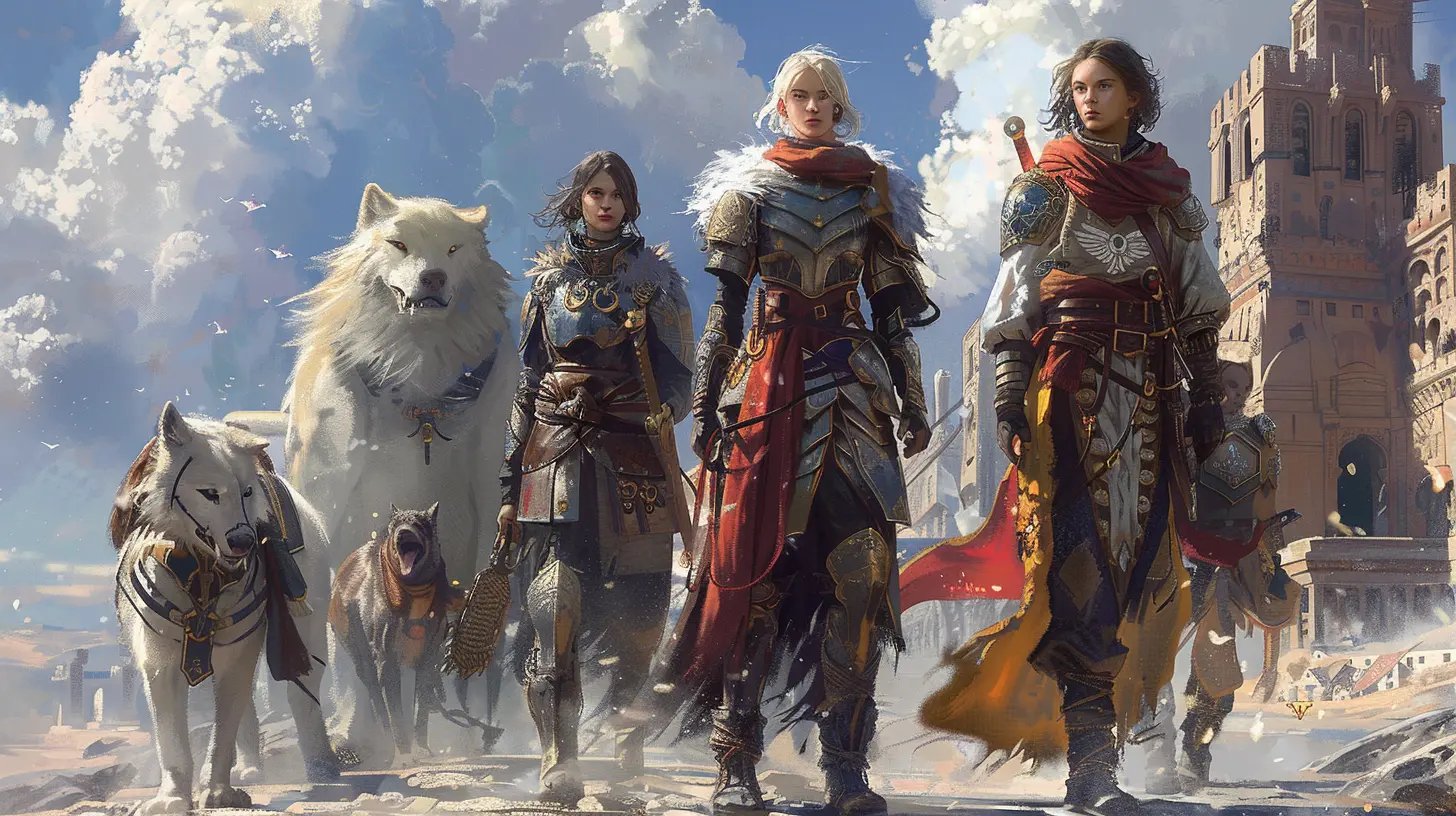
They're the Banter Kings and Queens
Let’s not underestimate the power of witty banter. Some of the most memorable moments in RPGs come from spontaneous conversations between companions. You’re just walking around, maybe looting a dead monster, when two of your party members start arguing about philosophy, love, or whether pineapple belongs on pizza.That kind of natural chemistry makes the world feel alive. It’s like road-tripping with your best friends—they bicker, they joke, they share stories. It breaks the tension and adds layers of personality to your party.
The Outer Worlds absolutely nailed this with companions who’d trade sarcastic jabs mid-mission. You’re not just playing a game; you’re hanging out with a crew.
Romance, Bromance, and Everything In Between
Let’s be honest, many of us play RPGs for the romance options. Admit it, you’ve spent embarrassing amounts of time trying to win the affection of a certain elf, alien, or sarcastic thief.Companions open the door to surprisingly deep emotional connections. Not all of them are romantic—sometimes it's bromance, mentorship, or even rivalries. These relationships make the game feel less like a checklist of quests and more like a living, breathing drama.
Building bonds, dealing with betrayals, sharing victories—it’s storytelling gold. That’s why games like The Witcher 3 and Cyberpunk 2077 invest so heavily in companion interactions. They know it's what keeps players emotionally hooked.
They’re Gameplay Gold
Alright, let’s get tactical. Companions can drastically impact how you approach combat and strategy.Are you tanking with a warrior while your mage heals from the back? Is your stealth expert picking off enemies while your engineer sets traps? A well-balanced party can turn a hopeless fight into a cakewalk—or at least a hard-earned victory.
But it’s not just about utility. Some companions have special abilities or perks that unlock benefits outside of combat. Think companion-specific quests, crafting boosts, or even unlocking secret areas. Having the right buddy along for the ride can totally change your gameplay experience.
They're a Reflection of the Player
Here’s something deeper—companions often act as a mirror for the player.Your decisions, temperament, and values? They reflect those right back at you. Some companions will idolize you, others will challenge you, and a few might leave entirely if you go against their morals. That kind of dynamic makes you stop and think about who you’re becoming in the game world.
In Star Wars: Knights of the Old Republic, companions actually shift in alignment based on your actions. That kind of system forces you to consider not just the outcome of your choices, but what kind of person you’re becoming.
They Make the World Feel Bigger
Have you ever noticed how much richer the game world feels when you learn about it through your companions’ eyes?Each companion brings a unique perspective—maybe it’s the rogue who grew up on the streets, or the noble who’s never seen hardship. Their stories, opinions, and insights help build out the lore organically.
Instead of being hit with a wall of exposition, you get flavor and context through side chats and personal quests. It’s storytelling 101: show, don’t tell. And companions do that beautifully.
Some Companions Start as Enemies—and That’s Beautiful
Redemption arcs. Betrayals turned to loyalty. Frenemies-to-ride-or-die partners. Some of the best companions don’t start as allies at all.Taking someone from rival to friend (or even lover) is a seriously satisfying subplot. It taps into that universal human love for growth and change. We’re suckers for a good “grumpy character learns how to love” storyline—and RPG companions serve it up on a silver platter.
It’s like taming a wild animal, except instead of claws and fur, they’ve got a tragic backstory and trust issues.
The Best Ones Stick With You Long After the Game Ends
Years after finishing a game, you'll probably forget some of the dialogue or even how the main story played out. But your companions? They're unforgettable.Whether it’s Tali’s awkward charm, Yuna’s quiet strength, or Lenny from Red Dead Redemption 2 (not quite an RPG, but come on—Lenny!), these characters carve out a little space in your heart, and they don’t leave.
You might move on to other games, but every now and then, you’ll find yourself smiling at a memory—or booting up that save file just to hear them talk again.
Final Thoughts: They’re the Heart of the Game
So, why do companions steal the show in RPGs?Because they're the soul of the experience. They turn a solo adventure into a shared journey. They let you laugh, cry, argue, and celebrate with someone—someone you didn’t expect to care about, but ended up loving anyway.
In the end, an RPG isn’t just about saving the world or defeating the bad guy. It’s about who you share the road with. And the best companions? They’re worth walking that road all over again.
all images in this post were generated using AI tools
Category:
Rpg GamesAuthor:

Leif Coleman
Discussion
rate this article
2 comments
Max McCullough
Companions add depth and personality, making the journey feel more immersive and engaging.
July 6, 2026 at 3:06 AM
Leif Coleman
Absolutely, companions bring a unique dynamic that really enhances the storytelling and player experience. They make every moment feel richer.
Nadia Phillips
Companions in RPGs really know how to steal the spotlight. I mean, who doesn't love a sidekick that's more interesting than the main character? Give me the witty bard any day!
May 21, 2026 at 3:21 AM
Leif Coleman
Absolutely! A great sidekick can bring so much depth and humor to the story. It's fun when they outshine the hero sometimes!