The Psychology Behind Game Collecting Obsessions
31 May 2026
Let’s be honest. There’s just something magical about holding a game in your hands—whether it’s an old, dusty Sega Genesis cartridge or a shrink-wrapped limited edition PS5 gem. You might start with one or two, but suddenly, you're rearranging your shelf for the tenth time and scouring eBay at 3 AM for that rare copy of EarthBound. Sound familiar?
So, what’s really going on in our minds when we fall head over heels into game collecting? Is it nostalgia, escapism, or maybe something deeper? Let’s dive into the fascinating world of game collecting obsessions and uncover the psychological gears turning behind the scenes.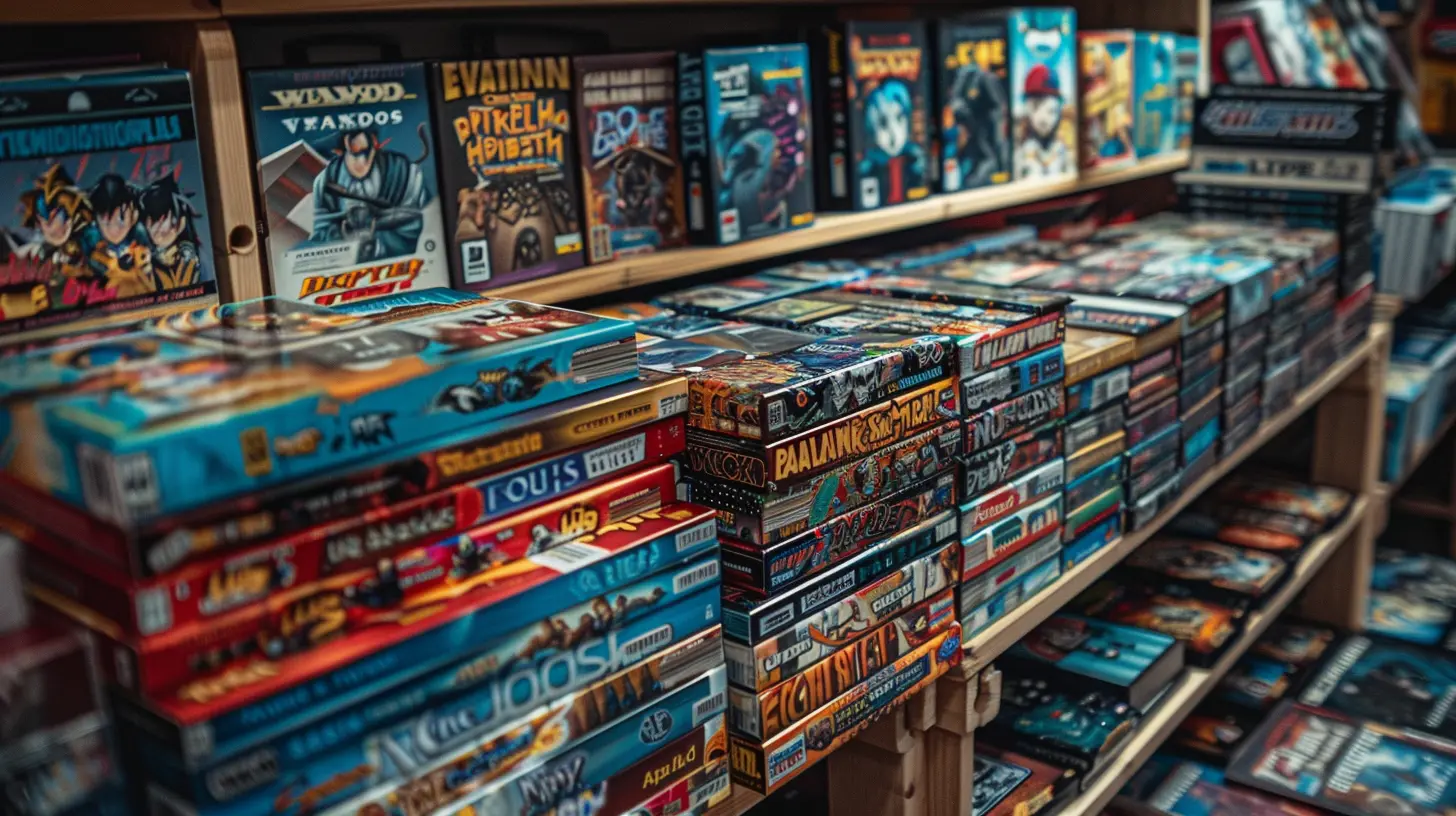
What Makes Game Collecting So Addictive?
That Sweet Hit of Nostalgia
Okay, let’s kick things off with the big one—nostalgia. Remember those carefree Saturdays blasting through Mario Kart with your siblings or pulling all-nighters with Halo in college? Those memories? They stick.Game collecting taps into that warm and fuzzy part of your brain that loves reminiscing. Owning the games from your past is like bottling a piece of your childhood. It’s comforting—like a warm blanket on a rainy day. And every time you pick up a game from your youth, it’s like flipping to a mental scrapbook you didn’t know you had.
Completionism: The Collector’s Kryptonite
Ever felt the need to complete a full set? Maybe all the Final Fantasy titles? Or every GameCube game released in North America? That urge to “catch ’em all” isn’t just for Pokémon fans. It’s linked to a psychological principle called completeness satisfaction.Humans are wired to want closure. A missing item in a collection feels like a scratch you just can't itch. It nags at the brain. Some psychologists say it’s similar to the Zeigarnik effect, where incomplete tasks stay lodged in your mind like a catchy song lyric. Until that game shelf is full, your mind feels… unsettled.
The Hunt: More Than Just Buying Stuff
The Thrill of the Chase
Here’s a question—why do people choose to hunt down games in flea markets or estate sales rather than just buying them online? One word: thrill.There’s a dopamine rush associated with finding that one gem in a sea of junk. It's like a real-world treasure hunt. When you stumble across a rare copy of Suikoden II for a fraction of the price, it feels like hitting the jackpot.
That search, the anticipation, and the eventual discovery? Pure brain candy.
The Fear of Missing Out (FOMO)
Game collecting can sometimes feel like a race against time. The longer you wait, the rarer and more expensive a game gets. This creates a kind of psychological time-bomb: buy now, or regret it forever.FOMO isn’t just a silly acronym—it’s a real psychological trigger. Collectors often jump on purchases not because they want the game right away, but because they’re terrified they’ll miss their shot.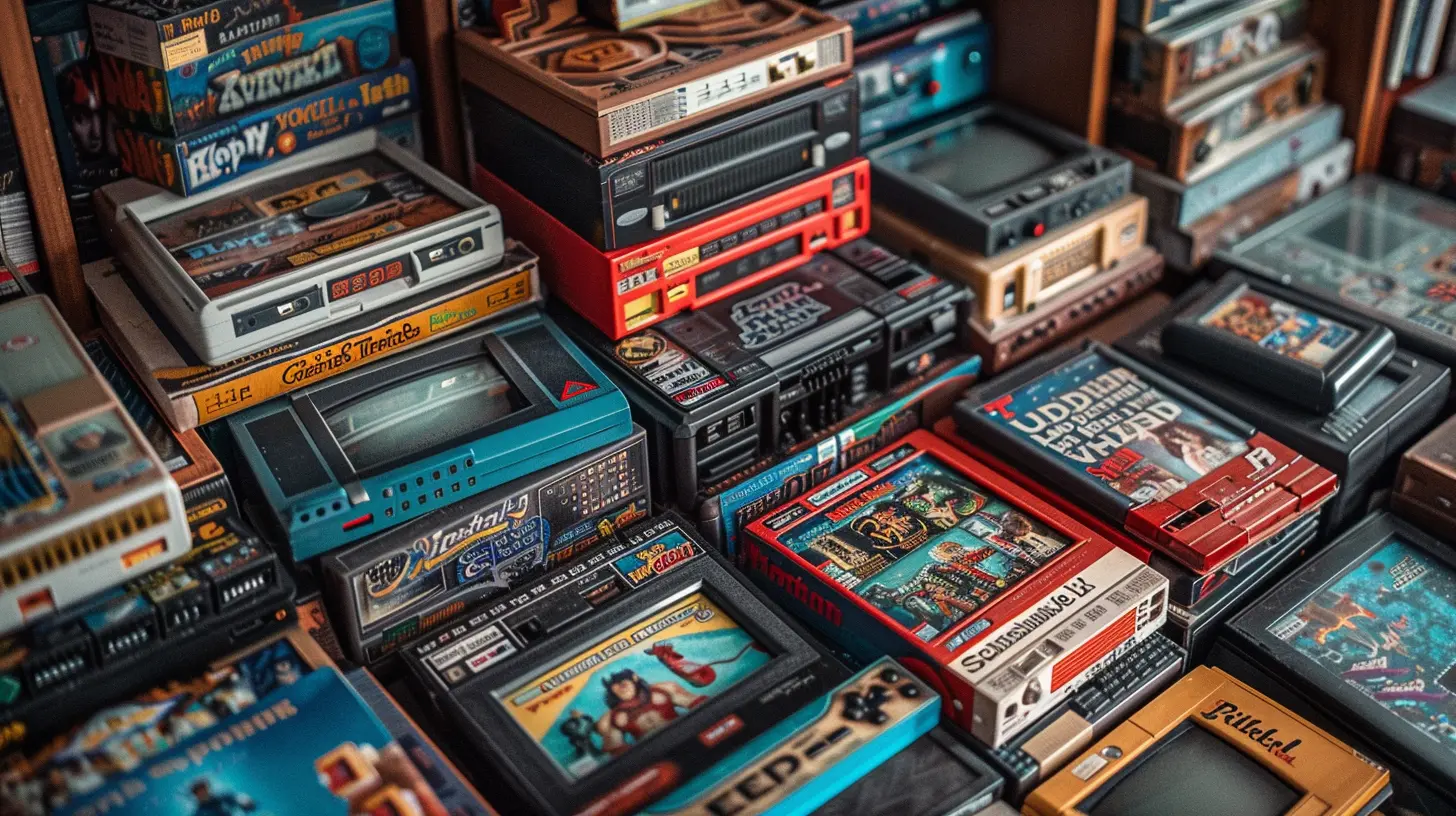
Identity and Expression Through Games
Showcasing Personality
Let’s not kid ourselves—collections are personal trophies. When someone walks into your room and sees your wall of retro Sega games, it tells them something about you.Game collectors often use their libraries to express their tastes, values, and even their history. Your favorite genres, consoles, or series all say something about who you are. It’s like curating a museum exhibit—except you’re both the curator and the artist.
Building a Community
Hobbies bring people together, and game collecting is no different. Ever been on a retro gaming forum, Reddit thread, or Facebook group? You’ll find passionate folks swapping stories, deals, and recommendations.Sharing your hauls, showcasing your setup, or helping others find a missing piece—this is social currency in the collector’s world. Belonging to a community also helps validate your passion and makes the journey feel less lonely and more meaningful.
The Economics of Obsession
Scarcity = Value
Psychologically, we tend to crave what we can’t have. And in game collecting, rarity fuels desire.Limited production runs, discontinued stock, regional exclusives—these factors create artificial scarcity. And when something is scarce, it feels special. That rarity taps into the brain’s reward system, making you feel like you own a piece of history.
This is why collector’s editions and sealed copies skyrocket in price. They’re not just games—they’re relics.
Investment Justification
Here’s a sneaky part of our psychology: justification. When collectors spend hundreds (or thousands) on rare games, they often rationalize it as an investment.And sometimes they’re right. A sealed copy of Super Mario Bros. sold for over $2 million. So now, that game shelf doubles as a stock portfolio. And let’s face it, it feels a lot more fun than buying NFTs or trading stocks.
The Dark Side of Collecting
When Passion Turns Into Compulsion
Collecting can go from hobby to obsession pretty quickly. If you're skipping meals or rent just to snag a rare game, that’s a red flag.Obsessive collecting can trigger hoarding tendencies or even develop into behavioral addiction. The dopamine hit from buying—like a sugar rush—can be addictive. And once the high fades, some people chase the next purchase, creating a vicious cycle.
The Mental Toll of Perfectionism
Collectors often set impossibly high standards, like getting every game in mint condition or hunting only for CIB (Complete in Box) titles. While it’s great to be passionate, perfectionism can lead to stress, burnout, and even guilt over “imperfect” purchases.If your collection causes more anxiety than joy, it's time for a reset.
Why We Shouldn’t Judge Game Collectors
It’s easy to raise an eyebrow at someone who owns 500+ games, but collecting isn’t just about materialism. It’s about stories, passions, and a deep connection to one’s personal history.Psychologically, game collecting can provide a sense of control, especially in a chaotic world. It offers a structured escape, a personal journey of discovery, and a tangible expression of identity.
So maybe that shelf of obscure NES titles isn’t just clutter—it’s a chronicle of someone’s life.
Tips for Healthy Game Collecting
Let’s wrap things up with a few pointers:1. Set a Budget
Don’t let your wallet spiral out of control. Set a monthly limit and stick to it like a boss.2. Focus on What You Love
You don’t need every game ever made. Pick genres, consoles, or series that actually mean something to you.3. Display Your Collection
Don’t let your games gather dust in a storage bin. Show them off! It adds joy and makes your hobby feel more rewarding.4. Connect with Other Collectors
Join forums, go to conventions, or start a YouTube channel. Sharing your passion magnifies your love for the hobby.5. Know When to Pause
Take breaks. If collecting becomes stressful or causes FOMO-induced purchases, it’s okay to pull back and reassess.Final Thoughts
Game collecting is more than just a quirky pastime—it’s a window into our psychology. From nostalgia to identity building, from FOMO to the thrill of the hunt, there's a whole world inside our brains that drives this passion.So the next time you unbox a rare find or reorganize your beloved shelf for the umpteenth time, remember: you're not just collecting games. You're collecting moments, memories, and pieces of who you are.
And hey, if that doesn’t justify buying that super rare SNES RPG… what does?
all images in this post were generated using AI tools
Category:
Game CollectingAuthor:

Leif Coleman
Discussion
rate this article
2 comments
Stephen Gomez
In each pixel, a tale unfolds; collecting beckons hearts to cherish memories and dreams anew.
July 11, 2026 at 3:55 PM
Leif Coleman
That's a beautiful way to capture the essence of game collecting. Every game truly holds its own unique story and emotional connection.
Astranor Newton
Game collecting is more than just acquiring items; it's a journey that fuels passion, nostalgia, and connection. Embrace the joy it brings and share the experience with others!
June 2, 2026 at 2:29 AM
Leif Coleman
Absolutely! Game collecting isn't just about the items; it's about the memories and the community. Sharing those experiences enriches the journey even more.