The Rise of Collectible Indie Games
10 July 2026
If you’ve been paying attention to the gaming scene lately, you’ve probably noticed something brewing beneath the glossy surface of big-budget blockbusters and mega franchises. Indie games—those charming, quirky, often nostalgic gems—have been quietly building their own empire. But there’s a twist. It’s not just about playing these games anymore, it’s about owning a piece of them. Literally.
Welcome to the age of collectible indie games. It’s where passion meets preservation, where gamers become collectors, and where limited edition discs, cartridges, and boxed sets become treasured artifacts. Let's dive into what’s fueling this movement, why gamers are getting hooked, and what it means for the future of the indie scene.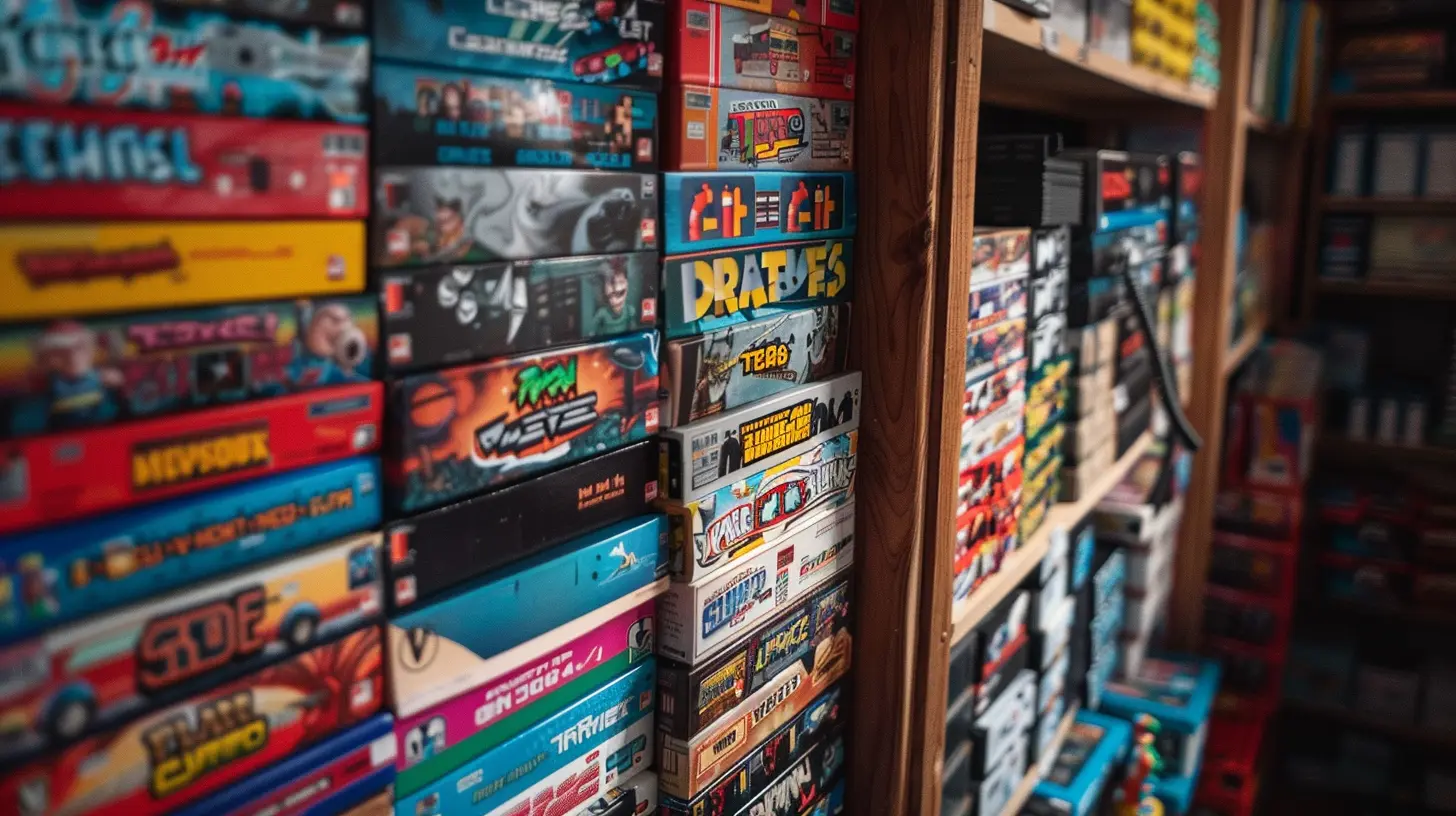
What Are Collectible Indie Games?
So, what exactly makes an indie game "collectible"? Great question.Collectible indie games are physical releases—think boxed copies, vinyl soundtracks, exclusive artbooks, and more—of indie titles that are usually only available digitally. These releases are often limited in number, packed with goodies, and lovingly designed to appeal to hardcore fans and collectors.
They’re not just games; they’re keepsakes.
Companies like Limited Run Games, iam8bit, Super Rare Games, and Special Reserve Games have carved out a niche turning digital-only titles into tangible treasures. These organizations partner with indie developers to produce physical versions of their games, complete with retro packaging and bonus swag.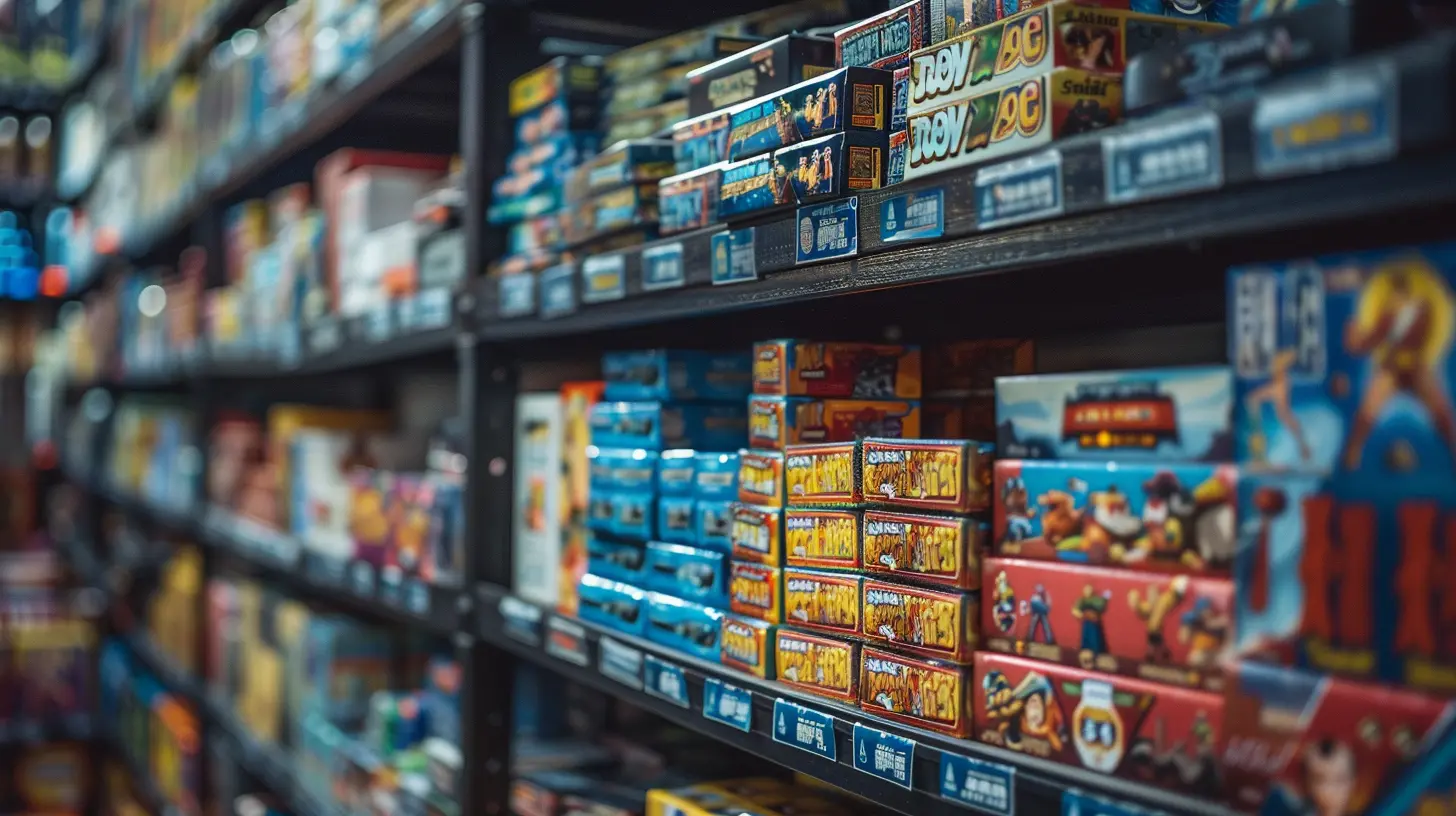
Why the Sudden Interest?
Alright, let’s break it down. Why are indie games becoming the new collectibles?1. Nostalgia Is One Heck of a Drug
Remember unwrapping a game on your birthday, sliding out that shiny disc or cartridge, flipping through the manual, and admiring the box art? For many of us, that tactile experience is burned into our brains.Digital games are convenient—but they just don’t spark that same joy. Holding a physical copy taps into a deep well of nostalgia. It's like vinyl records making a comeback while Spotify exists.
2. FOMO (Fear of Missing Out)
Most collectible releases are available in super limited quantities. We're talking a few thousand copies—period. Once they're gone, that’s it. Boom. Vanished.This scarcity plays right into the collector’s mentality. Miss it now, and you might be paying double, maybe triple, on eBay later. Let’s be real—nobody wants to be that person.
3. Supporting the Underdogs
Buying a collector’s edition isn't just about owning cool stuff; it’s also a way to throw support behind small creators. Indie devs often pour their souls into their games, and these physical releases can be a major revenue boost.It’s basically like tipping your favorite barista but with a steelbook case and full-color manual.
4. Art Meets Gaming
Indie games are often artistic masterpieces—visually, musically, and narratively. When bundled with concept art, behind-the-scenes content, and beautifully crafted packaging, the entire release becomes a work of art in itself.Owning one feels like hanging a painting on your wall... but, you know, with joystick support.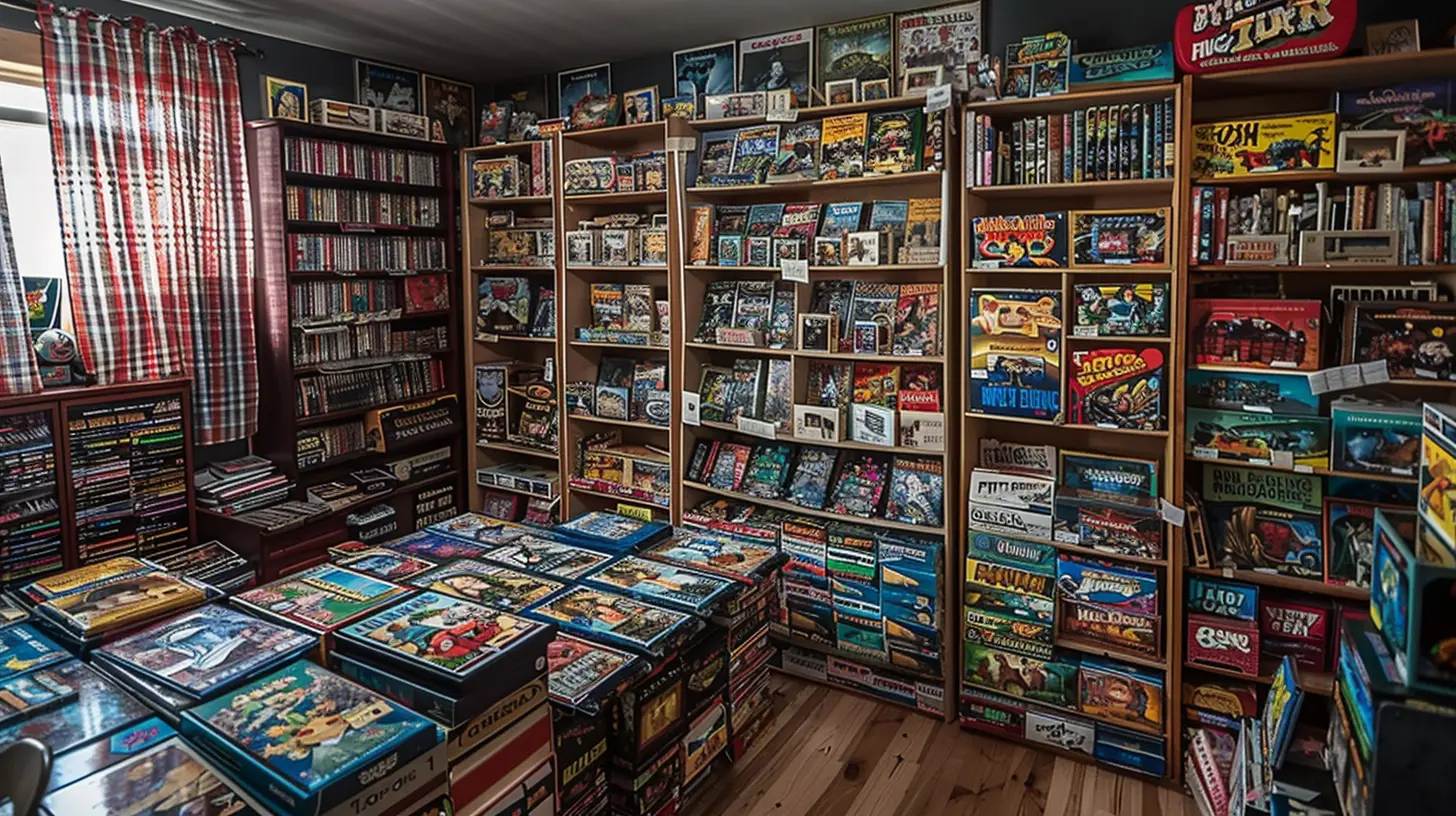
The Indie Publishers Making It Happen
Let’s shine a spotlight on the folks making all this happen. These indie-focused publishers are the unsung heroes behind the rise of collectibles:Limited Run Games
Arguably the most well-known player in the space, Limited Run Games has released physical editions for hundreds of indie titles, including Celeste, Hollow Knight, and Axiom Verge. They’ve also dabbled in retro reissues and collector’s editions that sell out in minutes.iam8bit
This artsy outfit takes things to the next level. Beautiful packaging, vinyl soundtracks, and exclusive collaborations are their jam. Every release feels like it belongs in a museum.Super Rare Games
True to their name, SRG specializes in extremely limited releases—usually only a few thousand copies. Their niche? Nintendo Switch titles. That’s right, you can actually line your Switch shelf with more than just Zelda.Special Reserve Games
These folks focus on premium packaging, numbered copies, and next-level extras. Their partnerships with games like Enter the Gungeon and Death’s Door have become collector gold.
Why Indie Games Are Perfect for Collectibles
Let’s be honest. Indie games are tailor-made for collectibles, and here’s why:They’re Passion Projects
Every indie game is a labor of love. You're not buying into some corporate formula—you’re backing a dev’s dream. That passion comes through in every limited edition release.They Offer Unique Experiences
Indie games aren’t afraid to get weird. They experiment with storytelling, visuals, and mechanics in ways AAA titles often don’t. That originality translates beautifully to physical releases.Tight-Knit Communities
Indie games often have loyal, engaged fanbases. When a collectible release drops, those communities rally hard. It’s less about hype and more about genuine love.They Age Gracefully
Some indie games become cult classics. Remember Undertale? That game went from underground darling to icon. Owning a first print physical release? That’s basically like holding an original Star Wars VHS.The Hunt: How People Collect These Gems
Let’s talk about the thrill of the hunt. Collecting is more than just accumulating stuff—you’ve got to be strategic, patient, and sometimes a bit lucky.Pre-orders & Drops
Most collectible editions drop via limited time pre-orders or surprise announcements. Miss the window? You're stuck scouring reseller sites.Pro tip: Sign up for newsletters, follow social accounts, and set those alarms. It’s like sneaker culture, but with fewer bots (hopefully).
Trading Communities
Reddit, Discord, and Facebook groups are hotbeds for collectors. People trade, sell, and show off their collections. It’s part marketplace, part bragging rights, all passion.The Joy of Display
If you've ever walked into someone’s home and seen shelves lined with games, you know the visual power of a well-curated collection. It's art. It’s story. It's personality on display.Risks & Challenges
Okay, it’s not all sunshine and launch-day successes. Collecting has its downsides.Scalpers Gonna Scalp
Limited releases attract resellers hoping to flip games for a profit. They buy up stock fast, leaving real fans in the dust.Storage Space Is Real
Boxes, vinyls, cases—they take up space. If you live in a tiny apartment, you’ll have to get creative not to turn your living room into a museum.The Digital Dilemma
Some physical releases still require downloads or day-one updates. So even if you own the disc or cartridge, you might not have the whole game offline. Annoying, right?What This Means for the Future of Gaming
So where is all of this headed?A Renaissance of Physical Media?
While everything else in entertainment is going digital, gaming might just keep physical media alive. These collectible editions prove there's still a market for tangible goods—as long as they're done right.Empowered Devs & Studios
Physical releases bring revenue and visibility. More developers are realizing they can turn a digital success into a physical legacy.A Shift in What We Value
Gamers are starting to value ownership again. Not just buying access to a digital file, but actually having something to hold, display, and pass on.Tips for Starting Your Own Collection
Thinking of jumping in? Here's how to get started without losing your wallet or sanity.1. Start Small – Pick one or two titles you genuinely love. Don’t dive in just because something is “rare.”
2. Set a Budget – Trust me, this can get expensive fast.
3. Follow Trusted Publishers – Sign up for alerts from Limited Run, Super Rare, and others.
4. Join Communities – You'll learn tips, avoid scams, and maybe find some deals.
5. Buy What You Love – This isn’t about flexing. Collect what brings you joy.
The Bottom Line
The rise of collectible indie games is more than a passing trend. It’s a cultural shift. It’s gamers saying, “Hey, these small games matter. They’re worth preserving. They deserve shelf space.”Whether you're a lifetime collector or just starting out, there's something incredibly satisfying about holding a beloved indie title in your hands. It connects you to the game in a deeper way. And in a digital-first world, that kind of connection is becoming rare—and beautiful.
So next time you finish a powerful indie game and wish you could keep just a little more of it, look for that limited edition drop. Who knows? You might just find your next prized possession.
all images in this post were generated using AI tools
Category:
Game CollectingAuthor:

Leif Coleman
Discussion
rate this article
2 comments
Brandon Frank
Collectible indie games are like potato chips; you can never just have one! One minute you're casually playing, and the next, you're knee-deep in a quest for rare pixels, trading quirky characters like they're baseball cards. Who knew gaming could turn us into collectors and hoarders all at once?
September 20, 2026 at 2:55 AM
Leif Coleman
Absolutely! The thrill of hunting for those unique gems makes every game night an adventure. It's wild how quickly we can go from casual player to passionate collector.
Isaac Simon
I love how indie games are creating unique collectibles. It feels great to discover hidden gems that not only entertain but also tell amazing stories...keep them coming!
July 15, 2026 at 3:41 PM
Leif Coleman
Thanks for your thoughts! Indie games really do offer some of the most creative collectibles and stories out there. Exciting times for gamers!