Underappreciated Unreal Engine Games Worth Your Time
20 August 2026
Let’s be real—when people hear "Unreal Engine," their minds usually jump to the heavy hitters. You know, the blockbuster giants like Fortnite, Gears of War, or BioShock Infinite. But here’s the thing: Unreal Engine is the secret sauce behind tons of amazing games out there that never really got the spotlight they deserved. Some of them didn’t have massive marketing budgets. Others simply got overshadowed by bigger releases. Yet they’re crafted with care, packed with soul, and powered by one of the most versatile engines in the gaming world.
So, if you’re tired of playing the same mainstream games and want to dive into something truly special, you’re in for a treat. In this article, we’re shining the light on some underappreciated Unreal Engine games that are absolutely worth your time. These hidden gems might not have become household names, but trust me—they deserve a place on your playlist.
What Makes Unreal Engine So Special?
Before we dive into the list, let’s stop for a sec and appreciate what Unreal Engine actually brings to the table. It’s kinda like the Swiss Army knife of game engines.- Graphics: From photorealistic textures to dynamic lighting, Unreal Engine makes everything look stunning—even on a budget.
- Versatility: It’s used in everything from indie games to AAA hits.
- Performance: Smooth gameplay isn't just a dream here. The engine is optimized to run well across multiple platforms.
What's more? It’s not just for epic battles and jaw-dropping landscapes. The engine supports emotional storytelling, atmospheric horror, fast-paced action—basically everything.
The Hidden Magic: Underappreciated Unreal Engine Games You Shouldn't Miss
Let’s now dig into those underrated gems powered by Unreal Engine that flew under the radar but are absolutely worth your time.1. The Vanishing of Ethan Carter
- Developer: The Astronauts- Genre: Narrative-driven exploration (Mystery)
Picture this: you’re walking through a hauntingly beautiful forest, piecing together a supernatural mystery piece by piece. That’s The Vanishing of Ethan Carter in a nutshell. The game isn’t packed with action or explosions. Instead, it’s all about atmosphere, storytelling, and immersion.
Unreal Engine allows the environment to shine—literally. The photogrammetry-based visuals are insanely detailed. The ambiance made me feel like I was actually inside a murder mystery novel. It’s peaceful, eerie, and poetic, all at once.
Why it’s underappreciated: It was released around the time when everyone was obsessed with action-heavy titles, so this slow-burn narrative didn’t get as much attention.
2. Killer Frequency
- Developer: Team17- Genre: Horror/Comedy Puzzle
This one’s a wild blend. Imagine Nightcrawler meets Five Nights at Freddy’s but with fewer jump scares and more clever puzzles. You play as a late-night radio DJ helping callers survive a serial killer on the loose. It sounds absurd—and it is—but in the best way.
The game leans on Unreal Engine to create a rich, cinematic audio-visual experience. The lighting sets the mood perfectly, while the voice acting and environmental cues build tension.
Why it’s underappreciated: It’s a genre mash-up, and not everyone knew how to categorize it. But that uniqueness is exactly what makes it worth playing.
3. Enslaved: Odyssey to the West
- Developer: Ninja Theory- Genre: Action-Adventure
Loosely inspired by the Chinese classic Journey to the West, this post-apocalyptic tale stars two unlikely companions struggling to survive in a world overrun by machines. It’s got a heartfelt story, fun combat, and stunning visuals (thanks, Unreal Engine!).
The character animations, voice acting (hello, Andy Serkis!), and level design all come together in a package that feels way ahead of its time.
Why it’s underappreciated: It came out during a jam-packed release window, so it got buried under the weight of more hyped titles. A real shame.
4. Observer: System Redux
- Developer: Bloober Team- Genre: Cyberpunk psychological horror
Imagine a cyberpunk version of Blade Runner with a side of Black Mirror—that’s Observer. You play as a neural detective who hacks into people’s minds to explore their memories and solve crimes. Told you it was trippy.
Unreal Engine is the perfect match for Observer’s gritty, neon-drenched world. The detail in the environments and seamless blending of reality and hallucination is just... chef’s kiss.
Why it’s underappreciated: Bloober Team is known more for Layers of Fear, so this dark gem didn’t quite get the love it deserved despite its originality.
5. Lost Ember
- Developer: Mooneye Studios- Genre: Exploration/Adventure
If you’ve ever wanted to play as a wolf (and sometimes a hummingbird or a fish!), Lost Ember is the game for you. It’s an exploration journey told without much dialogue, relying on visuals and music to tug at your heartstrings.
Unreal Engine is used to create breathtaking scenery. Vast meadows, ancient ruins, glowing caves—each area is a new piece of visual poetry.
Why it’s underappreciated: It was marketed as a "walking simulator," which unfairly turned off some players. But it’s so much more than that.
6. A Story About My Uncle
- Developer: Gone North Games- Genre: First-person platformer/adventure
Don’t let the awkward title throw you off. This game is a gem. You play as a kid searching for his missing uncle using a gravity-defying suit that lets you swing and leap across alien terrains.
It’s powered by Unreal Engine and looks slick, but what really stands out is the movement. It feels like a cross between Mirror’s Edge and Portal. The game’s world is full of floating rocks, glowing caves, and mysterious civilizations that invite exploration.
Why it’s underappreciated: It’s indie, it’s weird, and it’s short—three reasons it flew under many players’ radars. But it’s a blast.
7. Gray Matter
- Developer: WizarBox- Genre: Point-and-click adventure
Okay, we’re diving deep into niche territory now. Gray Matter is a cerebral point-and-click game that revolves around neuroscience, magic, and mystery. It was written by Jane Jensen, the mind behind Gabriel Knight.
Unreal Engine helps bring its moody Oxford setting to life. It's not flashy, but the visuals have a subtle, rich charm that suits the tone perfectly.
Why it’s underappreciated: Point-and-click games weren’t exactly booming in the 2010s, and the game had some rough edges. Still, if you love story-rich games, it's worth your time.
8. ECHO
- Developer: ULTRA ULTRA- Genre: Sci-fi stealth/action
ECHO is one of the most innovative sci-fi games you’ve probably never played. In it, you explore a strange palace where your enemies are clones of yourself. The kicker? Every action you perform—sprinting, shooting, hiding—is learned by the palace’s AI and used against you later.
Unreal Engine makes this experience visually stunning. The environment feels alive, almost like a character itself.
Why it’s underappreciated: It was the studio’s debut game, and sadly, their only one. Limited exposure kept it from reaching the audience it deserved.
What Do These Games Have in Common?
Besides being powered by Unreal Engine, all these games share a few things:- They're passion projects, often by smaller teams or indie devs.
- They offer unique storytelling or gameplay mechanics.
- They weren’t heavily marketed, or they came out at the wrong time.
Basically, they’re the kind of games that thrive on word-of-mouth. So here we are—giving them the shoutout they seriously earned.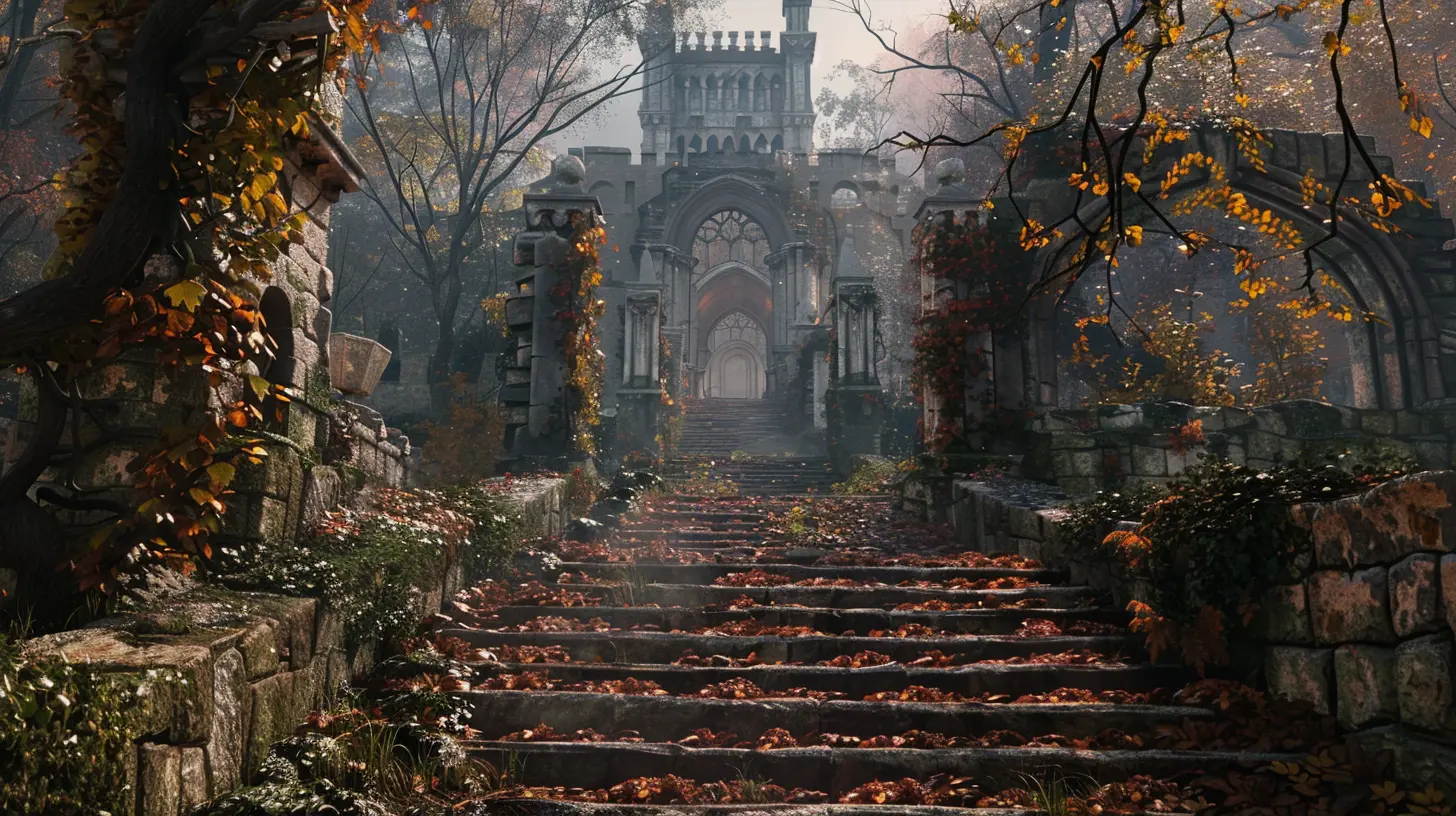
Why You Should Care About Underappreciated Games
Let’s be honest—gaming is an expensive and time-consuming hobby. You want bang for your buck, right? That’s why it’s worth investing time into these under-the-radar titles.- They're Refreshing: Tired of battle passes and loot boxes? These games offer a breath of fresh air.
- They’re Shorter (Usually): Perfect if you’ve got a busy life but still want to game passionately.
- They’re More Intimate: You can often feel the developer’s hand in every part of the game—from the dialogue to the level design.
Supporting these games also sends a message to publishers: players care about creativity and storytelling, not just big budgets.
Final Thoughts
Unreal Engine has always been a powerhouse in the gaming industry, but it's not just about flashy visuals and physics-driven shootouts. Some of the best experiences I've had in gaming came from titles no one was really talking about. These underappreciated Unreal Engine games may not have topped the charts, but they’re every bit as magical, moving, and memorable as the big guys.So next time you're scrolling through your wishlist, maybe skip past the usual suspects—and give one of these gems a shot. Who knows? You might just find your next favorite game.
all images in this post were generated using AI tools
Category:
Unreal Engine GamesAuthor:

Leif Coleman
Discussion
rate this article
1 comments
Danica Luna
If you thought Unreal Engine was just about big titles and epic battles, think again. These hidden gems deserve the spotlight! Grab your snacks, dive into the unknown, and prepare to be pleasantly surprised. Who knows, you might just find your new favorite game... and an excellent conversation starter!
September 14, 2026 at 4:32 AM