Using Role-Playing Games to Develop Empathy
20 September 2026
When someone mentions role-playing games (RPGs), what comes to mind? Dice rolling, swords clashing, dragons breathing fire, maybe even a group of friends huddled around a table littered with snacks and miniatures. Sounds like fun, right? But here's something you might not immediately think about: empathy.
Yep, you read that right.
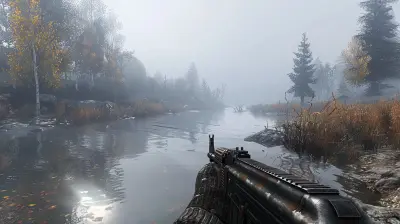
Role-playing games, whether you're diving into Dungeons & Dragons or navigating the wastelands of a post-apocalyptic RPG, are more than just entertainment. They’re powerful tools for building empathy. Let’s break it down and take a closer look at how pretending to be someone else can make you a kinder, more understanding human being.
What is Empathy, Really?
Before we go full wizard with this topic, let’s ground ourselves a bit. Empathy is the ability to understand and share the feelings of another person. It’s not just saying, “That sucks,” when your friend is going through a tough time. It's feeling their pain, seeing things from their perspective, and responding with genuine care.In today's fast-paced world, empathy can feel like a lost art. But it doesn’t have to be.
That’s where RPGs come to the rescue — not just saving kingdoms and galaxies, but also saving our capacity to connect more deeply with each other.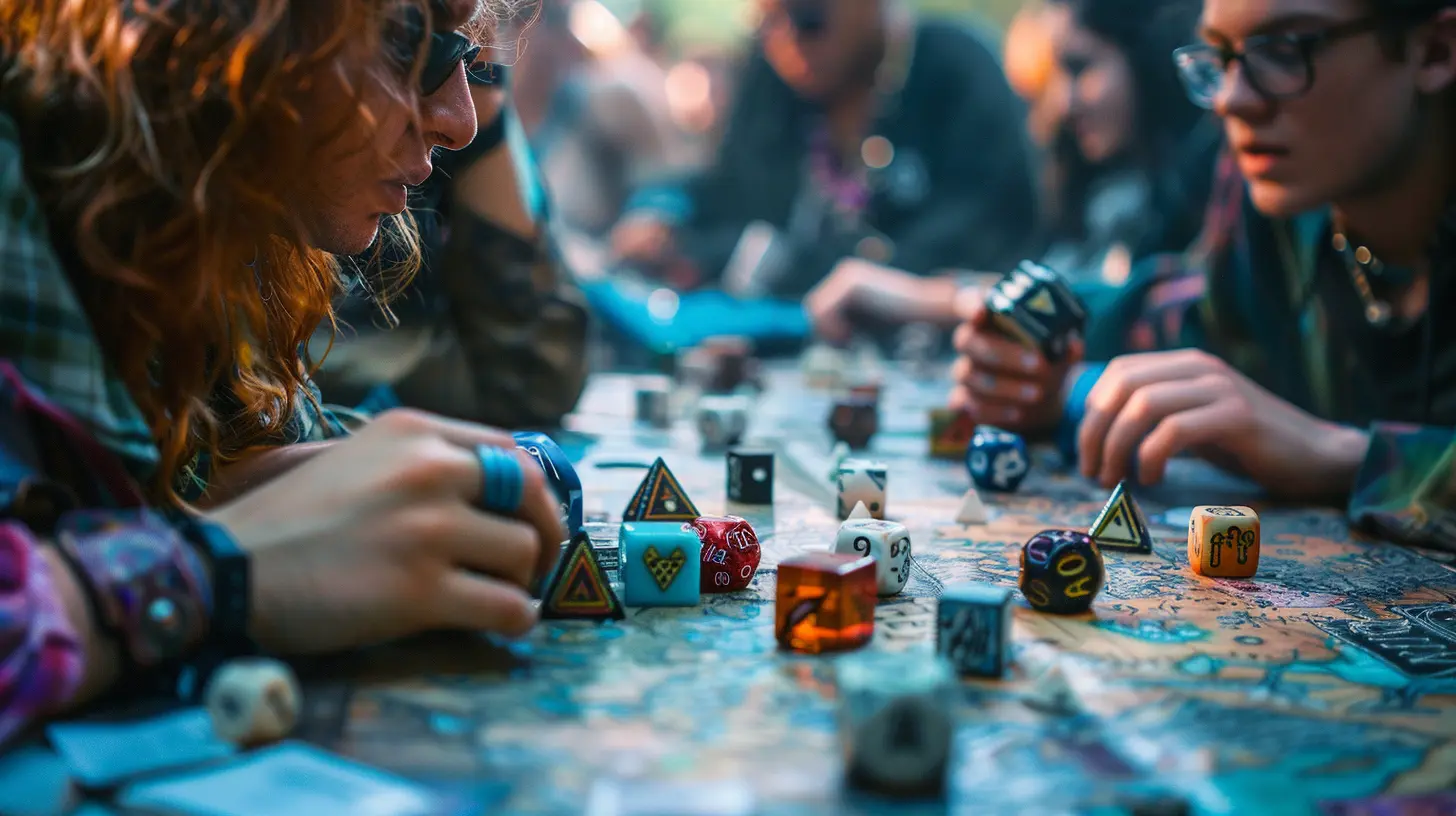
Role-Playing Games: More Than Just Fantasy
Role-playing games are storytelling adventures where players create characters, embark on quests, and make decisions based on how their characters would act. Unlike video games, which often have linear narratives, tabletop RPGs like Dungeons & Dragons unfold in real-time based on interaction and improvisation.So how does this tie into empathy?
Simple. RPGs force you to step into someone else’s shoes — literally and figuratively.
You’re not just playing a character; you’re becoming them. Their fears, dreams, ethics, and decisions become your guiding compass. Imagine being a pacifist elf trying to mediate peace between two warring clans. Even if you're the most argumentative person in real life, you now have to think and act like someone who values harmony above all else.
Boom. Mindset shift.
Building Empathy One Character at a Time
You might be thinking, “Okay, but I’m just pretending. How can that help me be more empathetic in real life?”Glad you asked.
1. Walking in Other People’s (Magical) Shoes
When you develop a character, you're crafting their backstory, their motivations, their trauma — even the small stuff like what they hate for breakfast. This process forces you to ask: “Why does this character make these choices?”That “why” question is empathy's best friend.
Maybe your character grew up in a war-torn land and now avoids conflict at all costs. Maybe they're fiercely loyal because they were betrayed in the past. These fictional elements can mirror real-world experiences, helping you understand people who are totally different from you.
2. Collaborative Storytelling = Emotional Investment
RPGs are team sports. You're not just playing for yourself; your choices affect everyone at the table. That creates emotional connections with your fellow players and their characters.If someone’s character dies or suffers a major loss, it hits different. You feel it. And that emotional connection spills over into real life. You start to care more deeply about people’s experiences and emotions.
3. Facing Moral Dilemmas
Let’s not forget the ethical rollercoasters. RPGs throw moral dilemmas your way like candy at a parade.- Do you steal gold to save a starving village?
- Do you betray a friend to save the world?
- Do you kill the villain or try to rehabilitate them?
These choices make you weigh values that might not align with your own. And when you debate those choices with your group, you hear perspectives you hadn’t considered. That’s empathy in action.
Role-Playing in Education and Therapy
This isn’t some niche phenomenon either. Educators and therapists are starting to harness the power of RPGs to teach empathy more intentionally.In the Classroom
Teachers have begun using RPG-like scenarios to help students understand history, literature, and even social issues. Instead of just reading about the Civil Rights Movement, students might role-play as activists and citizens, wrestling with complex questions and emotions.Suddenly, history isn't just facts — it’s feelings.
In Therapy
Believe it or not, therapists use RPGs (or RPG-inspired methods) to help clients explore emotions and relationships. Especially for kids and teens, creating a character lets them express parts of themselves they might struggle to talk about directly.It's like emotional ventriloquism — saying what you feel, but through a fantasy persona.
Online RPGs and Empathy in the Digital Age
Not all role-playing happens around a table. Online RPGs like World of Warcraft, Final Fantasy XIV, and even narrative-heavy indie games offer similar opportunities.In these digital arenas, players still assume roles, make choices, and interact with others. The difference? You're often connecting with people from around the world. Talk about broadening your worldview.
Sure, trolls and toxicity exist. But many online RPG communities are rich with camaraderie, support, and storytelling. They’re places where you can meet people different from you and care deeply about what happens to their digital selves.
How to Start Using RPGs to Build Empathy
If you’ve never played an RPG before, don’t worry. You don’t need to be an expert in elvish or have an encyclopedic memory of fantasy lore. You just need an open mind and a willingness to pretend.Here’s how to get started:
1. Choose Your Game
Start with something beginner-friendly like Dungeons & Dragons 5th Edition, Monster of the Week, or FATE Core. There are even empathy-focused RPGs like “Fiasco” or “Fall of Magic,” which center more on storytelling and relationships than combat.2. Build a Thoughtful Character
Don’t just make a clone of yourself with a sword. Challenge yourself. Create someone who thinks and feels differently than you. Maybe a character who’s ultra-cautious when you’re usually impulsive. Or perhaps a fiercely loyal protector when you normally keep people at arm’s length.3. Reflect on the Experience
After each session, take a beat. Ask yourself:- What did my character learn?
- What did I learn about myself?
- Did I see the world a little differently?
Journaling your in-game experiences can lead to real-life insight.
4. Embrace the Role
Just like an actor gets into character, allow yourself to really step into your RPG persona. The more immersed you become, the more potential you have for developing empathy.Wait, So Can Games Actually Make Us Better People?
It might sound cheesy, but yeah — they can. As long as you're open to the process.The beauty of RPGs is that they nurture imagination and emotional intelligence side by side. You’re not just solving puzzles or racking up experience points. You’re creating relationships, making moral decisions, and learning to listen.
In a way, playing RPGs is like trying on different emotional outfits. You don’t just understand what it's like to be someone else — you feel it in your bones, even if it’s just for a few hours.
And that, my friend, is powerful stuff.
The Future of Empathy in Gaming
With the rise of narrative-driven video games, virtual tabletop platforms, and more inclusive game design, empathy-based RPGs are on the rise. Developers are creating games that prioritize emotional storytelling, diverse characters, and social impact.Imagine a future where RPGs are part of every classroom, every office's team-building day, or even family game nights — not just for fun, but to help us understand each other a little better.
Sounds like a critical hit for humanity, doesn’t it?
Final Thoughts
So next time someone rolls their eyes when you say, “I’m playing a tabletop game this weekend,” just smile and think: “I’m sharpening my empathy skills, thank you very much.”Role-playing games might not save the world (though they often do within the game), but they can sure make it a kinder, more empathetic place — one dice roll at a time.
So go ahead, grab your character sheet, roll for initiative, and walk in someone else’s boots. You’ll be surprised how far it takes you, both in and out of the game.
all images in this post were generated using AI tools
Category:
Educational Value Of GamesAuthor:

Leif Coleman