What Makes a Game Collectible in the First Place
11 May 2026
Ever found yourself staring at an old game on your shelf, wondering why it’s suddenly worth hundreds—or even thousands—of dollars? You're not alone. The world of game collecting is a strange and fascinating place where nostalgia meets rarity, and where a clunky old cartridge can become a goldmine overnight. But what REALLY makes a game collectible in the first place? Let’s unlock this mystery together.
The Collectibility Craze: A Brief Look
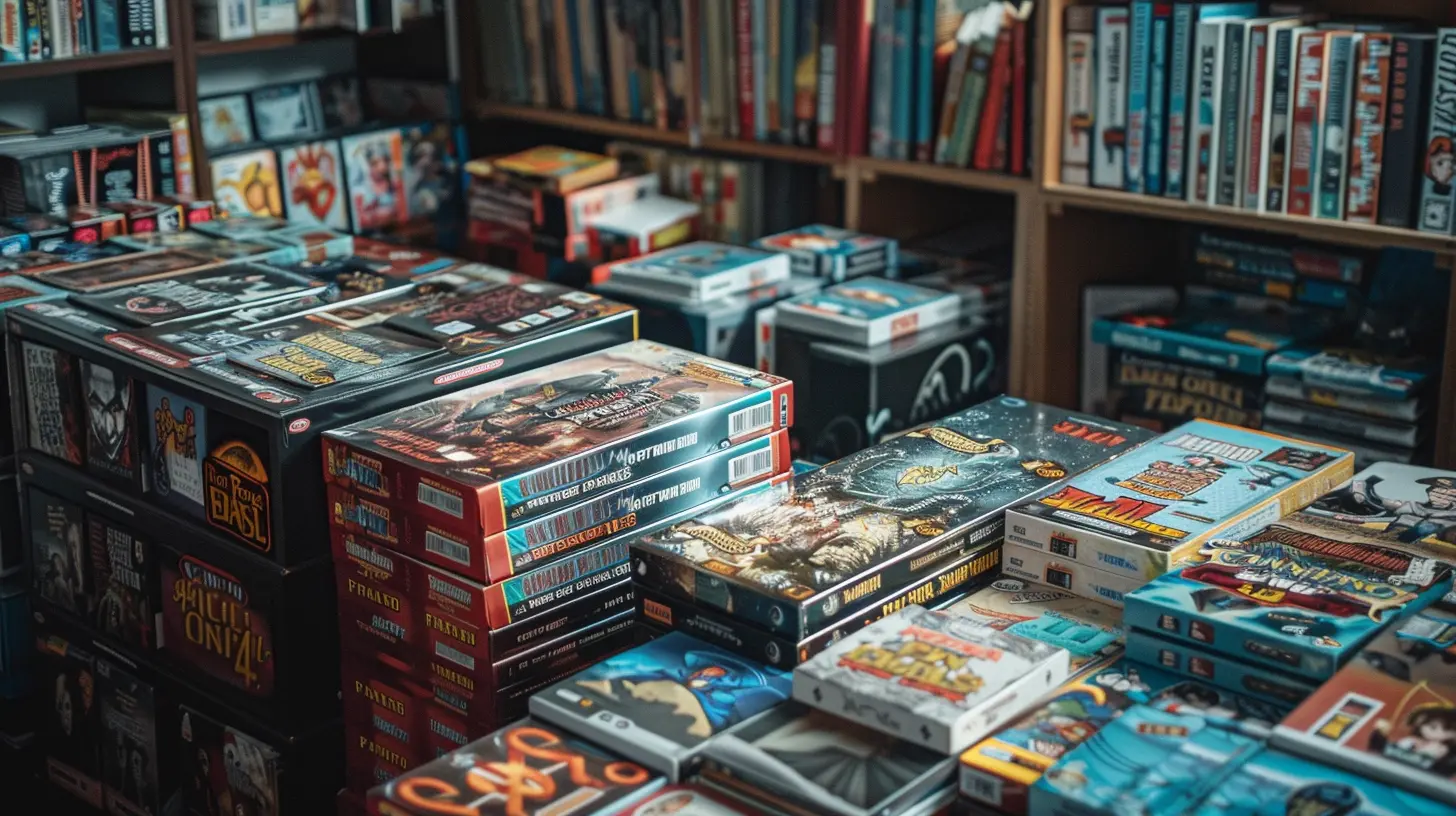
Before we dive in too deep, let’s define what we mean by “collectible.” A collectible game isn’t just any game you keep around because you're attached to it. It’s a game that, for one or more reasons, holds significant value—either monetary, sentimental, or cultural. Whether it's vintage cartridges, rare limited editions, or sealed-in-box treasures, gaming collectibles have taken on a life of their own.And yes, some people are dropping major cash on these pieces of pixelated history.
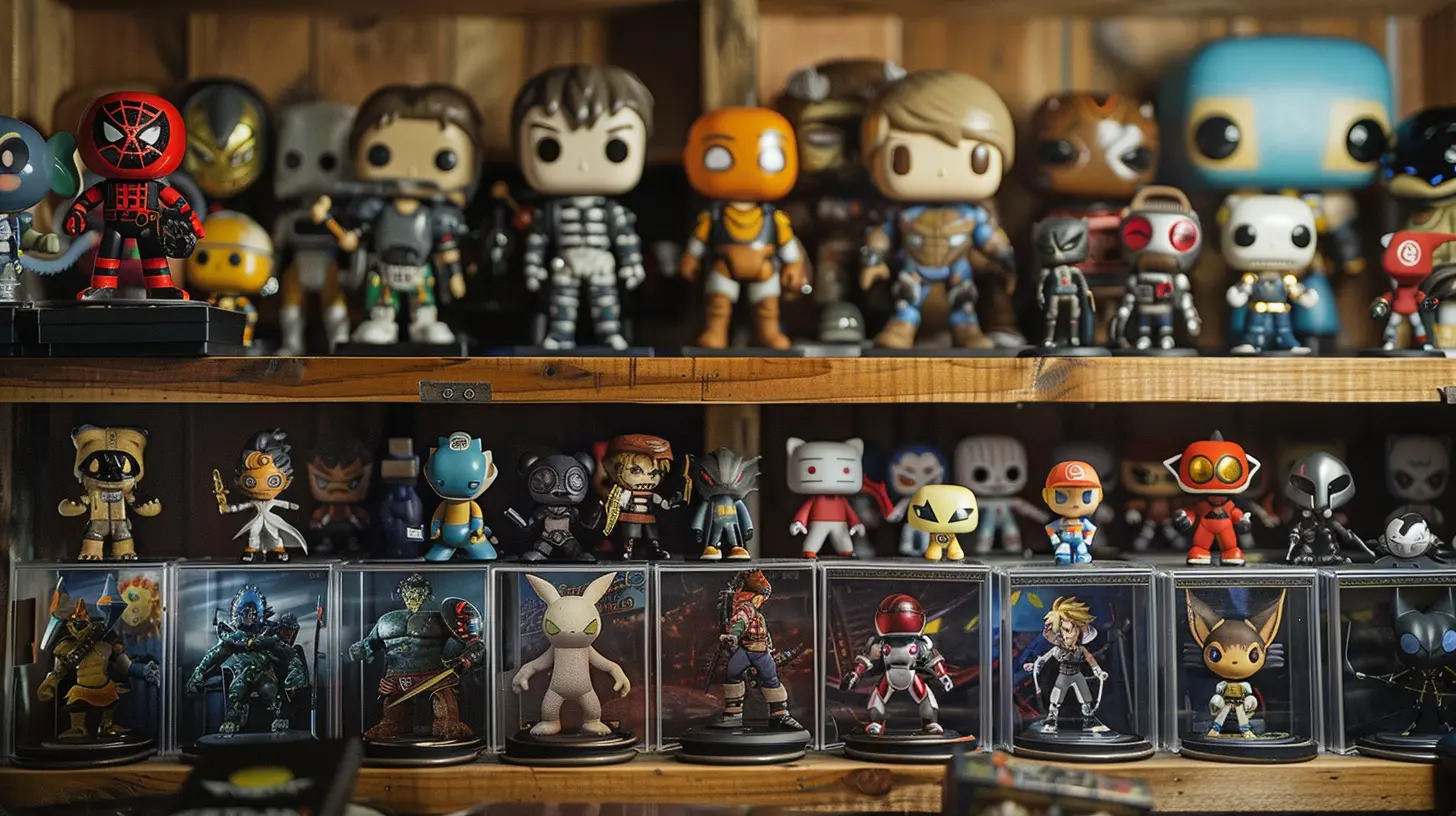
The #1 Ingredient: Nostalgia
We’ve all got that one game that lit up our childhood—maybe it was your first Pokémon adventure or countless hours spent getting destroyed in Contra. Nostalgia is the firestarter of collectibility. People will pay big bucks to relive fond memories from their youth.Think about it. As we get older and start making a little extra income, we sometimes chase after those sentimental pieces we couldn’t afford or didn’t appreciate as kids. That emotional connection tends to drive demand—and with demand comes value.
Why Nostalgia Matters
- Emotional attachment: We connect memories with specific games.- Generational value: As players from the ‘80s and ‘90s age, their interest and spending power grow.
- The thrill of memory: Revisiting a favorite game feels like rewatching your favorite movie—it just hits differently.
Condition, Condition, Condition
It’s not just what game you have—it’s the state it’s in. In the game collecting world, condition is king.There’s a spectrum:
- Loose cartridge or disc (just the game alone)
- Complete in box (game, box, manual—all original)
- Factory sealed (never opened, still in shrink wrap)
- Graded (professionally evaluated and rated, often by companies like WATA or VGA)
The difference in value between a loose game and a sealed, graded copy? Sometimes thousands of dollars.
The Collector’s Sweet Spot
- Mint condition = Massive value.- Sealed packaging = Jackpot.
- Original manuals and inserts = Extra bonus.
If you've ever kicked yourself for throwing away those old cardboard boxes, you're not alone. Back then, they were trash—now, they're treasure.
Rarity: Scarcity Sells
One of the golden rules of collecting is this: the fewer copies there are, the more people want them.That’s why limited-edition releases become hot items. Think of games released at the end of a console’s life cycle, print runs that were quickly pulled, or even regional exclusives. These were sometimes only available for a short time, in small batch releases—or never even sold commercially.
Examples of Rare Gems
- Stadium Events (NES): Pulled from shelves almost immediately, making the remaining copies ludicrously expensive.- EarthBound (SNES): It flopped commercially in the ‘90s, but now it’s a cult classic with huge resale value.
- Panzer Dragoon Saga (Sega Saturn): A limited Western release and complicated production made it ultra scarce.
Less is more when it comes to game collectibility. Think of it like limited-edition sneakers—when word spreads there are only 100 pairs, everybody suddenly wants in.
Cultural Significance
Some games changed the way we play. They weren’t just fun—they were trailblazers.These games become collectible not just because they're old, but because they're iconic. They pushed boundaries, introduced new gameplay mechanics, or defined entire genres.
Why Culture Counts
- First-of-its-kind: Games that pioneered styles or mechanics (like Super Mario 64 with 3D platforming).- Cult following: Games that bombed at launch but became fan favorites later.
- Influence: Titles that inspired other games or became pop culture icons.
Collectors want pieces of history—and these culturally important games are like owning a piece of the gaming timeline.
Box Art and Packaging: The Shelf Appeal
Believe it or not, the way a game looks can impact how collectible it becomes. Unique, quirky, controversial, or beautiful box art can turn a common game into a sought-after item.Some gamers are suckers for visual nostalgia. The pixelated covers, bold fonts, and weird mascots—they all trigger a sense of joy. And let’s not underestimate the power of controversy. Games with banned or altered cover art often become collector’s darlings.
Remember These?
- Resident Evil 4 (PS2): Certain regions had alternate cover art that’s now rare.- Final Fantasy VII (PS1): First edition cover has small differences that drive up its value.
- Mega Man (NES): So-bad-it’s-good cover art that’s now a meme-worthy collectible.
Collectors often chase the story behind the cover as much as the game inside.
Limited and Special Editions
You know those big, flashy boxes that come with art books, figurines, and steel cases? They’re not just for show—they're future collectibles.Limited editions often include:
- Alternate packaging
- Exclusive content
- Bonus digital or physical items
These versions are usually produced in much smaller quantities, making them instant collector material—especially if they’re tied to big franchises like Zelda, Final Fantasy, or Halo.
Pro Tip: Keep Everything Intact
Open the box if you want to enjoy it, sure—but collectors prefer unopened sets. Even missing something like a soundtrack CD or bonus pin could knock a few zeros off its value one day.
Regional Exclusivity
Sometimes collectibility depends on where the game came from. Games released only in Japan or Europe can be ultra-desirable to collectors in other countries. The reverse is true too—some North American exclusives fetch high prices overseas.Language barriers or physical region locks might prevent you from playing them easily, but collectors often don’t care—they want the object, not the experience.
Popular Region-Specific Games
- Mother 3 (Game Boy Advance – Japan only)- Terranigma (SNES – Europe only)
- Pulseman (Sega Mega Drive – Japan only)
The trickier a game is to find in your region, the more valuable it becomes.
The Rise of Grading and Authentication
You’ve probably seen headlines about a sealed copy of Super Mario selling for over a million dollars. That’s not just rarity or nostalgia talking—that’s also grading.Grading is when a professional company certifies the condition and authenticity of a game. It gives it a score (usually out of 10) and seals it inside a protective case.
Having a graded game with a high score—say, a 9.8 or 10.0—can make the value skyrocket. You’re not just selling a game anymore; you’re selling a certified piece of gaming history.
Is it controversial? A bit. Some collectors claim grading “inflates” prices unnecessarily, while others see it as a way to preserve their treasures long-term.
Timing and Trends
Finally, keep this in mind—what’s collectible today may not be tomorrow. The market shifts with trends, anniversaries, pop culture events, and even memes.Timing your sale (or acquisition) can make a huge difference. For example, when a new Zelda game is announced, previous titles often see a spike in interest. Game remakes can also boost the value of original versions.
In other words, sometimes the best strategy is to play the long game—pun fully intended.
Final Thoughts: It’s Not Just a Game
So, what makes a game collectible in the first place? Turns out, it’s a perfect storm of nostalgia, condition, rarity, cultural impact, and timing. Mix in a little passion and some geeky love, and you’ve got yourself a collector’s dream.Whether you're in it for the money, the memories, or the sheer thrill of the hunt, collecting games is like uncovering buried treasure—you never know what gem you’ll find next.
So keep those old cartridges safe, treat your discs with care, and who knows? That dusty copy of Chrono Trigger or your unopened Halo 3 collector’s tin might just be your future claim to fame.
all images in this post were generated using AI tools
Category:
Game CollectingAuthor:

Leif Coleman
Discussion
rate this article
2 comments
Diana McTavish
Collectibility often hinges on rarity, nostalgia, and cultural significance. Games with unique packaging, limited editions, or notable historical context tend to draw interest. active communities and trends can elevate a game's value over time, influencing collectors' choices.
May 24, 2026 at 4:54 PM
Leif Coleman
Absolutely, rarity and nostalgia are key. Unique packaging and limited editions definitely make certain games stand out, and a strong community can boost their appeal even more. It's fascinating how these factors shape collectors' interests.
Zeke Mahoney
A game's collectibility hinges on rarity, unique features, and nostalgia. Limited editions, nostalgic ties, and cultural impact create value. Collectors seek not just gameplay but the story and memories behind each title, transforming games into cherished artifacts.
May 14, 2026 at 3:40 PM