What Makes an Educational Game Truly Effective
5 February 2026
So, you've probably played an educational game before—maybe in school, maybe just for fun (yep, those exist!). But here's the burning question: what actually makes an educational game good? Like, not just “meh, I learned something,” but “wow, I actually enjoyed this and learned more than I expected.” That’s what we’re tackling today, with a crazy mix of gaming vibes and learning smarts. Whether you're a game developer, a teacher, or just a curious gamer, buckle up—we're about to dive into the quirky world of what makes an educational game truly effective. 🎮📚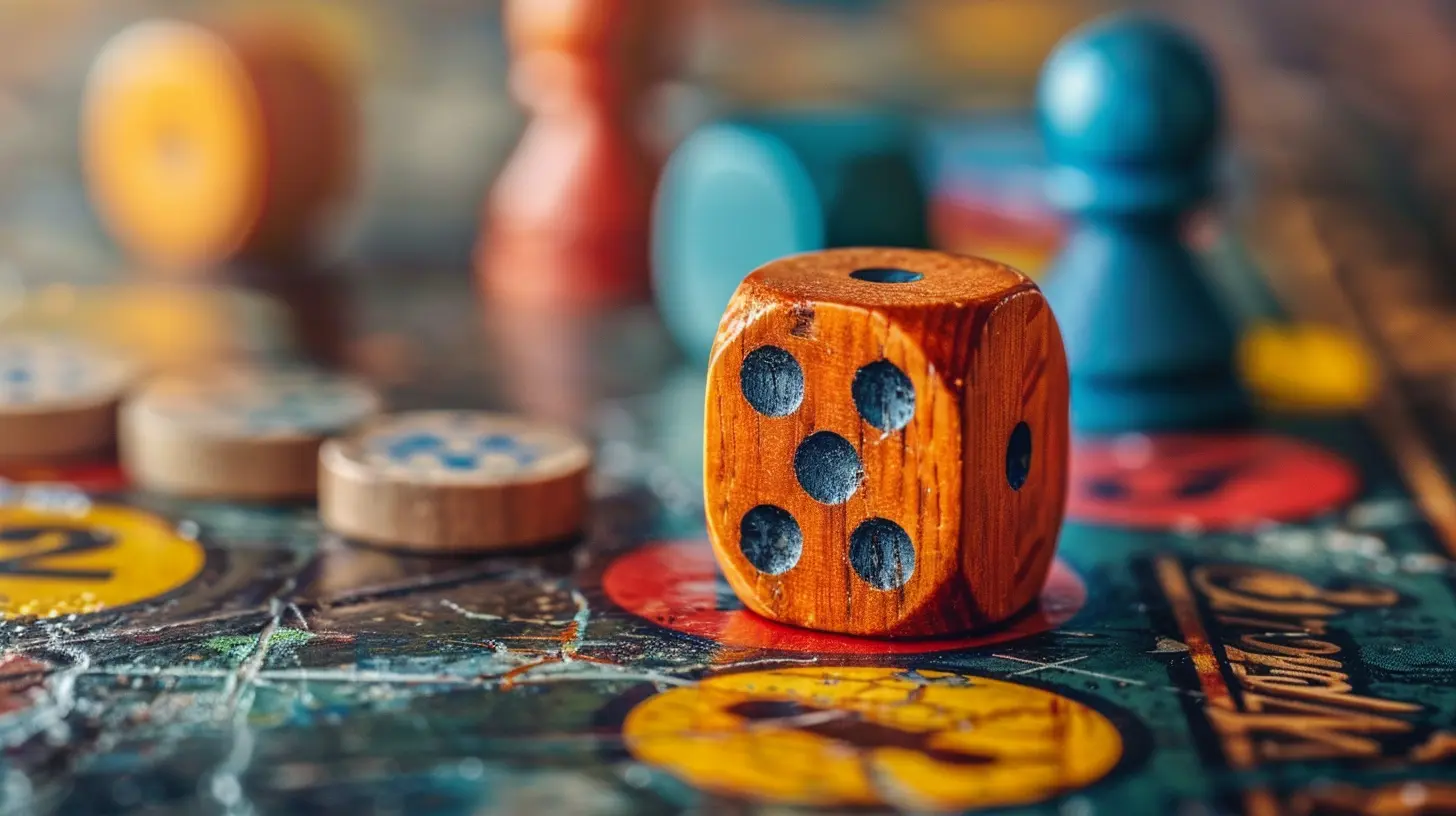
🎯 It's Gotta Have a Purpose (And Make It Fun)
Let’s face it—if a game doesn’t have a clear goal, players get lost, bored, or both. Educational games are no exception. But here's the thing: they need a dual mission. One, they have to teach something (duh), and two, they have to be fun. Like, “I want to play this again” kind of fun.Games like Kerbal Space Program teach you rocket science (no joke), but people stick around for the absolute chaos of launching rockets… and sometimes blowing them up. The learning? That’s the bonus XP.
Lesson: Purpose matters, but presentation sells it.
🧠 Engaging the Brain Without Frying It
You know that brain-melting feeling when you stare at a textbook too long? Yeah, we don't want that. Educational games work best when they sneak the learning in through the gameplay. Like a stealth teacher hiding behind every challenge.Look at Portal 2. It’s not technically an “educational game,” yet it teaches critical thinking, logic, and physics without ever shouting, “Hey, learn this!” That’s the magic sauce. You're having fun, solving puzzles, and BAM! Your brain is flexing its muscles.
Takeaway: Good educational games teach by doing, not by dumping info on your digital lap.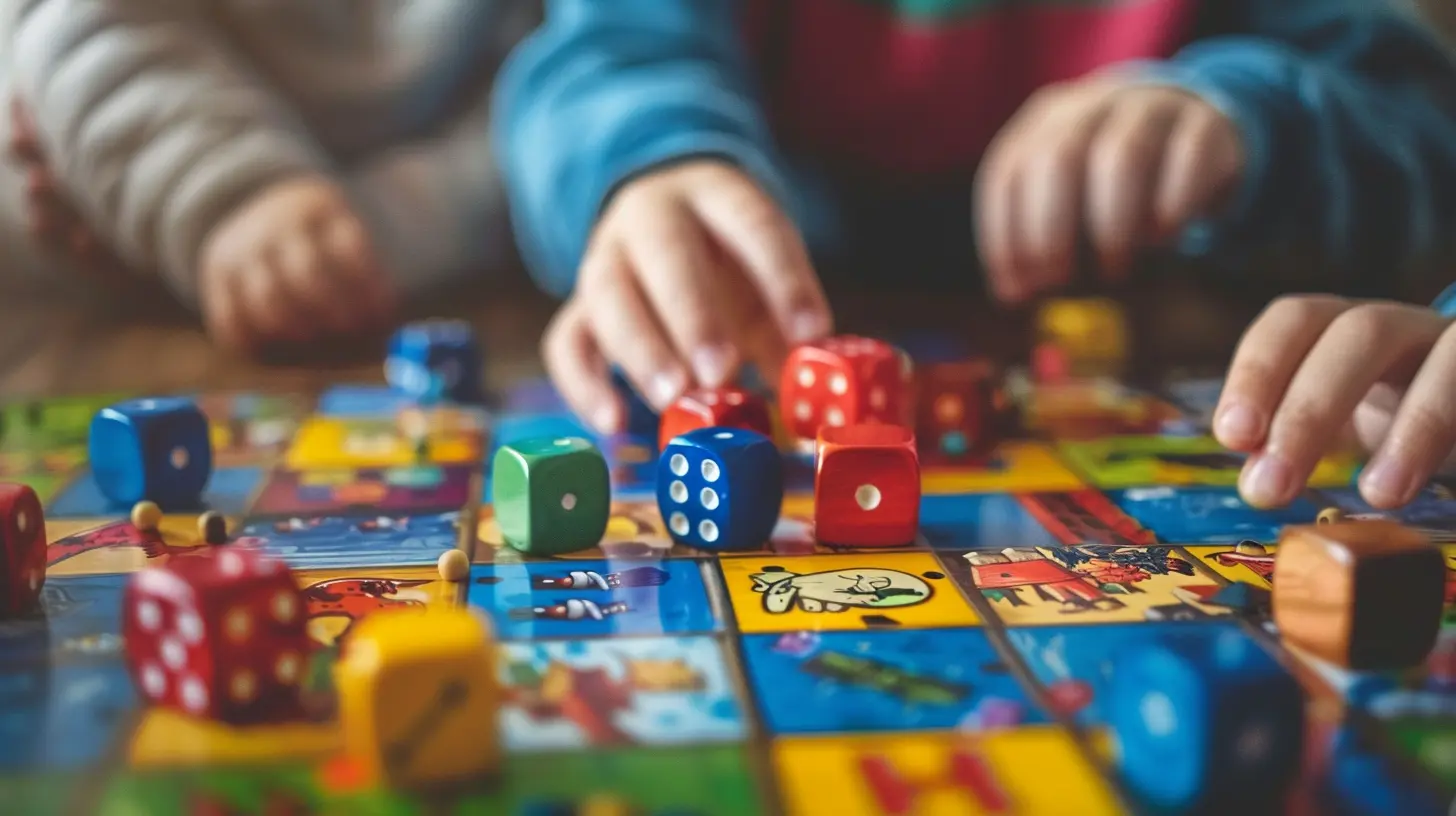
👶 Age-Appropriate Content – Just Like Shoes, One Size Doesn’t Fit All
Imagine handing Dark Souls to a five-year-old. Yeah... not ideal.Educational games have to match their audience. That means vocabulary, visuals, complexity, and even humor have to align with the age group. A game teaching multiplication to 8-year-olds should have bright colors, fun characters, and maybe a dancing llama or two. Meanwhile, a coding game for teens? Give it cyberpunk themes, slick UI, and let them build robots or hack virtual systems.
Pro tip: If the game feels too easy or too hard, it’s game over. Literally.
🏆 Reward Systems That Actually Reward Learning
Everyone loves a good reward system. Whether it's collecting coins, unlocking badges, or leveling up your pixelated treehouse, incentives keep us hooked. But in educational games, the rewards need to reinforce the learning—not just act as throwaway fluff.Let’s say you’ve got a geography game. Instead of just giving points for answering questions right, give players resources to "build" their own virtual world using what they’ve learned. That way, success is intricately tied to knowledge.
Remember: Make the brain-triggered dopamine really count!
🎨 Visuals, Sound, and Story – The Triple Threat
Okay, real talk—if a game looks like Windows 95 puked on it, no one’s sticking around to learn algebra. Aesthetics matter. Big time.Great educational games know how to blend visuals, music, and story into something cohesive and delightful. Like Zoombinis—a classic game with quirky characters, unique puzzles, and catchy tunes. It didn’t just teach logical reasoning; it created a world you wanted to be in.
And let’s not forget story. Humans LOVE stories. A math game wrapped in a wizard rescue quest? Sign me up. Language learning embedded in space missions? Heck yeah.
Golden Rule: If it looks good, sounds good, and tells a good story, it’s halfway to greatness.
🧩 Adaptive Difficulty – Beating the "Too Easy/Too Hard" Monster
Educational games need to adjust like a chameleon. If a player is breezing through, step it up. If they’re struggling, slow it down and offer help.We’re talking about personalized learning, baby. AI and adaptive algorithms make it possible now more than ever. Think of it as the game being your personal coach—cheering you on, pushing your limits, and never letting you rage-quit in frustration.
Key Insight: One person’s challenge is another person’s cakewalk. Adapt or lose them.
⏱️ Short Sessions, Long Retention
Let’s get real: attention spans = microscopic.That’s why it’s crucial for educational games to deliver value in short bursts. Think snackable content. Each session should leave players with one key takeaway without dragging on for 45 minutes. Unless you’re building Rome from scratch, keep it tight.
Games like Duolingo thrive on this. Five-minute sessions, clear goals, immediate feedback. It’s like the fast food of learning—but in a good way.
Hot Tip: Keep it snackable, but nutritious.
🧑🤝🧑 Social Elements – Learning Together = Learning Better
What's better than beating a boss? Beating it with a friend. Multiplayer or collaborative features can turn educational games from “meh” into mega-engaging.When players learn together, they motivate each other, share tips, and—let’s be honest—compete in the most wholesome ways possible. Whether it’s classroom leaderboards, co-op puzzles, or community challenges, a little social spice can go a long way.
Fun Fact: Peer learning increases retention like whoa. Gamify it and it’s a win-win.
🔁 Repetition Without Repetitiveness
We all know repetition is key to learning. But in games? Repetition without turning into a snoozefest is an art.The trick? Variability. Change how the same concept is practiced. Math facts one day, story-based riddles the next. Switch up the format, keep the core.
It’s like going to the gym. Doing the same curl for 30 reps is boring. But circuit training? Now you’re talking.
Motto: Repeat smart, not hard.
🧩 Real-World Application (AKA “Will I Ever Use This?”)
Students are notorious for asking, “When will I ever use this?” Well, educational games can answer that—by showing them exactly when and how.Why teach fractions in isolation when you could incorporate it into a cooking game? Boom—real-world application. Want to teach environmental science? Let kids run a virtual ecosystem and see what happens when they mess with the balance.
Games can simulate the real world better than almost any other medium. Use that power.
Bottom Line: Show the “why” behind the “what.”
🔄 Feedback Loops That Don’t Feel Like Detention
Nobody likes being wrong. But in games, failure should feel like, “Oops, let me try that again,” not “I’m dumb and I quit.”Effective educational games give instant, constructive feedback. Mess up? Cool, here’s why. Let’s fix it together. Not with red Xs and sad trombone sounds—but with encouragement and helpful prompts.
Games like CodeCombat nail this. You mess up your code? No stress—they tell you why and let you tweak and retry, like a boss.
Rule: Make failure feel productive.
🧪 Let 'Em Tinker and Experiment
The best learning doesn’t come from memorizing—it comes from messing around. That’s why the best educational games let players experiment, make choices, and tinker like tiny scientists.Sandbox-style games (think Minecraft: Education Edition) give players tools and freedom. Want to build a working calculator out of Redstone? Go for it. Learning happens naturally when play and curiosity collide.
Aha Moment: Give learners the tools. Let them break stuff and figure it out.
📋 The Fine Print – Curriculum Alignment and Learning Objectives
Yeah, we saved the boring part for last, but it’s still important. A game can be fun AND educational, but to be truly effective, it should also align with what learners are expected to know—especially in a classroom setting.If a game covers multiplication but skips over key concepts? It can be fun, but it's not really doing its job. Great educational games partner with educators or follow established curriculum standards to make sure they’re on point.
Quick Check: Does the game teach what it promises? If yes, you're golden.
🎉 In Conclusion – What Makes an Educational Game Truly Effective?
So, let’s wrap this up like the final level of a boss fight. A great educational game isn’t just about “teaching.” It’s about connecting, engaging, adapting, and entertaining—while still delivering genuine learning outcomes.An effective educational game is like a Trojan Horse. From the outside, it looks like a great game. Inside? It’s packed with knowledge, strategy, logic, and problem-solving wrapped in a bundle of fun. And honestly, that’s the dream.
So whether you're building one, choosing one for your classroom, or just curious about what makes them tick—remember: if it plays well and teaches well, it’s winning the game of education.
all images in this post were generated using AI tools
Category:
Educational Value Of GamesAuthor:

Leif Coleman
Discussion
rate this article
3 comments
Myles Rocha
Educational games must engage players while fostering critical thinking and problem-solving skills. Effective integration of clear objectives, immersive storytelling, and meaningful feedback ensures that learning becomes an enjoyable and memorable experience for all players.
April 19, 2026 at 5:11 PM
Leif Coleman
Absolutely. Engaging players through clear goals and immersive storytelling is key to making learning enjoyable and impactful.
Jonah Diaz
Great piece! Educational games truly shine when they engage hearts and minds, making learning both fun and meaningful.
February 8, 2026 at 3:56 AM
Leif Coleman
Thank you! I completely agree—when educational games connect emotionally and intellectually, they create a powerful learning experience.
Destiny Edwards
Great insights! Engaging mechanics and real-world applications truly enhance learning effectiveness.
February 7, 2026 at 3:47 PM
Leif Coleman
Thank you! I'm glad you found the insights valuable. Engaging mechanics and real-world applications are indeed key to effective learning!