When RPG Quests Reflect Real-World Issues
24 April 2026
Video games aren't just about slaying dragons or collecting loot anymore. They’ve grown into something deeper—something that resonates with the real world. If you’ve ever played an RPG (Role-Playing Game) and found yourself surprisingly emotional or reflective, chances are the game brushed shoulders with real-world themes. And when that happens, it’s magical.
Because let’s face it—sometimes, it’s easier to process the big, messy stuff of life when it’s filtered through fantasy. When RPG quests reflect real-world issues, it elevates the experience from just playing a game to living a story that actually means something. So, why does this happen, and why does it matter so much?
Let’s dig in.
Why Do RPGs Even Try to Talk About Real Life?
At their core, RPGs are all about choices, consequences, and character growth. That’s basically a metaphor for life, right? So it feels natural that developers use RPGs as a canvas to paint the tough stuff—racism, war, poverty, mental illness, environmental collapse, and more. It turns out, throwing a player into a fictional world is an incredible way to explore the struggles we all face in the real one.Plus, the immersive nature of RPGs makes them perfect for storytelling with depth. You don’t just read about a character going through something—you walk in their shoes, make their choices, and share their emotional baggage. That kind of storytelling hits differently.
1. Racism and Prejudice in Fantasy Worlds
Let’s talk about one of the biggest elephants in the room—racism. It might be wrapped in armor and coded as "orc hatred” or “elf discrimination,” but the roots are chillingly human.The Elder Scrolls Series
If you’ve played Skyrim, you’ll remember how the Nords treated the Dunmer and Khajiit. The “foreigners” are distrusted, stereotyped, and often blamed for societal problems. Sound familiar?Bethesda didn’t randomly throw that in. These experiences echo real-world xenophobia and systemic discrimination. When you choose to side with a particular faction, you’re forced to sit with the moral weight of your decision.
Dragon Age: Origins
Bioware’s Dragon Age series goes even deeper. The treatment of the Dalish Elves—marginalized, forced into nomadic lifestyles, and holding onto scraps of their past—mirrors the struggles of Indigenous cultures worldwide.Whether intentional or not, these portrayals provoke players to think. Are you siding with the oppressed, or turning a blind eye? It’s no longer just a game mechanic. It becomes personal.
2. War and Its Human Cost
RPGs are often set against the backdrop of conflict. But when they slow down and zoom in on the human costs of war? That's when the storytelling really starts to sting.Final Fantasy Tactics
Sure, it’s a tactical game, but the narrative is rich with political backstabbing, economic disparity, and the manipulation of religion and class divisions. Sounds less like fiction and more like a history book, doesn’t it?The way the game focuses on the pawns—the forgotten soldiers on the frontlines—highlights something too often overlooked in real life: the people who suffer in silence while leaders play their violent games.
The Witcher 3: Wild Hunt
Geralt might ride around slaying monsters, but some of the most poignant stories in The Witcher 3 come from NPCs describing war-torn villages, lost families, and shattered lives. These aren’t side quests—they’re sobering reminders of what conflict looks like away from the battlefield.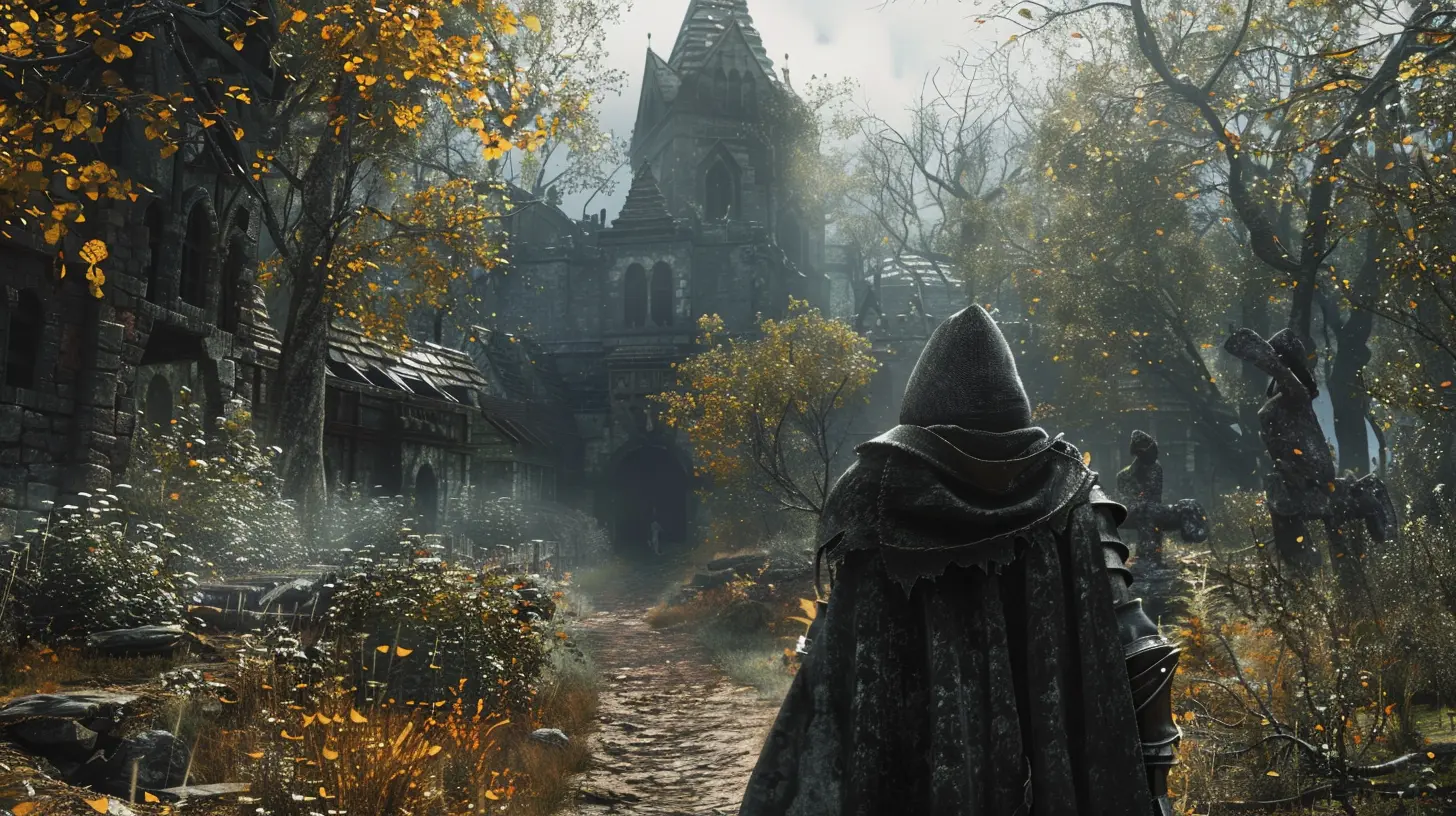
3. Poverty, Class, and Economic Injustice
A sword gets you far, but not everywhere. Many RPGs explore how wealth (or the lack of it) shapes societies.Fallout Series
Post-apocalyptic, yes—but brutally honest too. From Fallout: New Vegas to Fallout 4, these games show what happens when the rich hoard resources while the poor scrap for food. It’s not just about scavenging for loot—it’s about witnessing the collapse of systems meant to protect people.More than once, you’re put in morally complicated situations. Do you help the downtrodden? Or do you align with the powerful for a better shot at survival?
Cyberpunk 2077
Despite the bugs, Cyberpunk 2077 delivers a strong critique on greed and corporate control. You’re thrown into a world ruled by capitalism run amok—where human life is just another currency. It's flashy and gritty and uncomfortably close to reality.4. Mental Health and Identity
One of the most powerful evolutions in RPGs? Addressing mental health not as a villain or a weakness, but as a real struggle.Hellblade: Senua’s Sacrifice
Senua isn’t your average RPG protagonist. She battles psychosis, and the game works hard to portray her inner world authentically and respectfully. It doesn’t sugarcoat things. You hear the voices. You feel the darkness closing in.It’s heartbreaking, but also empowering. The game doesn’t make Senua a “broken” character—it makes her human.
Persona Series
On the surface, Persona games are cute, high school anime-style RPGs. But dig deeper, and you’ll find heavy themes like depression, abuse, trauma, and suicidal ideation. The battle isn’t just against monsters—it’s against the parts of ourselves we hide.By bringing mental health into the spotlight, these games help remove the stigma and foster empathy.
5. Environmental Destruction
Yep, even Mother Earth gets some representation in RPGs. And it’s not just about dragons torching forests.Final Fantasy VII
Probably one of the most iconic examples. Shinra, the evil corporation, is draining the Planet’s life force for energy. Sound like fossil fuels, anyone?Cloud and his gang aren’t just fighting bad guys—they’re eco-terrorists fighting for the planet. It's a bold storyline, especially considering the game first launched in the '90s.
Horizon Zero Dawn
This one’s more futuristic but equally relevant. Machines roam the Earth after an ecological collapse caused by—you guessed it—human hubris and AI gone rogue. The ruins of modern civilization stand as solemn reminders of what we did to the planet.Games like these don’t just make us care about saving a fictional world. They make us ask: what are we doing to our own?
What Does This All Mean for Us?
It's easy to dismiss games as simple entertainment. But RPGs are evolving—they’re becoming mirrors. They reflect the best and worst of humanity while handing you the reins. That kind of emotional engagement is rare in most art forms.When a game forces you to confront poverty, discrimination, or despair, something happens. You start seeing NPCs not as pixels, but people. And maybe, just maybe, you start seeing the real world differently too.
So... Are RPGs Changing the World?
Maybe not overnight. But they’re certainly changing minds.By weaving real-life issues into compelling stories, RPGs offer a safe space to explore tough questions. They invite players to look inward, challenge biases, and choose empathy over indifference. They don’t preach—they provoke.
And in a world that's often too loud, divided, and overwhelming, a little bit of silent reflection—triggered by a virtual quest—can go a long way.
The Takeaway
Next time you're deep in a game, maybe pause and look closer at the story unfolding. Is it just fantasy fluff? Or is it subtly nudging you to think about something bigger?Because when RPG quests reflect real-world issues, they don’t just tell stories—they start conversations. And those conversations? They could be the first step toward real understanding.
all images in this post were generated using AI tools
Category:
Rpg GamesAuthor:

Leif Coleman
Discussion
rate this article
2 comments
Freya Erickson
Great article! It’s fascinating to see how RPG quests can mirror real-world issues, sparking important conversations. I appreciate the thoughtful insights on how gaming can reflect and address societal challenges.
April 27, 2026 at 4:25 AM
Leif Coleman
Thank you! I'm glad you found the connections between RPGs and real-world issues compelling. It's an important topic worth exploring.
Robert McNab
RPG quests often mirror societal challenges, prompting players to confront ethics and morality. This reflection can lead to profound self-discovery and a deeper understanding of our world.
April 25, 2026 at 4:50 PM
Leif Coleman
Absolutely, RPGs can serve as powerful mirrors. They challenge players to think critically about their choices and the complexities of morality, often leading to meaningful insights about themselves and society.