Why Lore Matters in Open-World RPGs
16 September 2026
When you fire up an open-world RPG, what's the first thing that hooks you? Is it the stunning graphics? The fluid combat mechanics? Maybe the promise of hundreds of hours of gameplay? All those things matter—but let’s be honest, none of them stick the way a good story does. And I’m not just talking about a main questline. I’m talking about the lore.
Yes, lore. That intricate web of history, legends, cultures, religions, forgotten wars, secret factions, and mythical beasts that make a game world feel alive even when you’re just standing still. Without it, even the most beautifully crafted world can feel hollow. So, let’s unpack why lore matters so much in open-world RPGs, and why you should care the next time you stumble upon a dusty old book in a forgotten dungeon.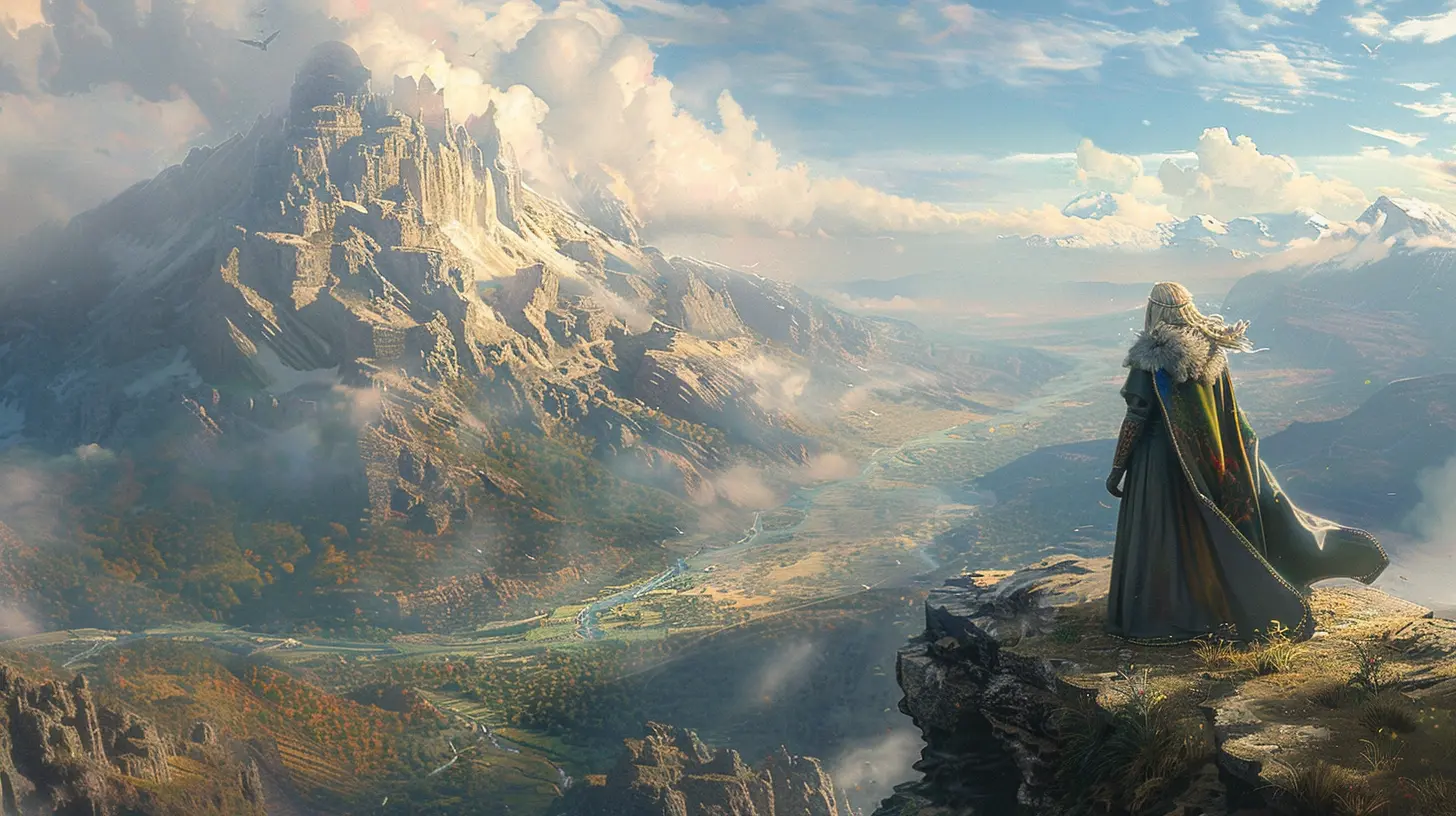
What Is Lore, Really?
Before we dive deeper, let’s clear the air. What do we mean by “lore,” anyway?In the gaming world, lore is the rich backstory and world-building elements that create context. It's the myths you hear in hushed tavern corners, the ruins you find scattered across a canyon, the cryptic notes left by some long-dead alchemist. Lore gives life to the setting, shapes the characters, and adds weight to your choices.
Think of it as the soul of the game. Mechanics are the skeleton, graphics are the skin—but lore? Lore is the heart that keeps it all beating.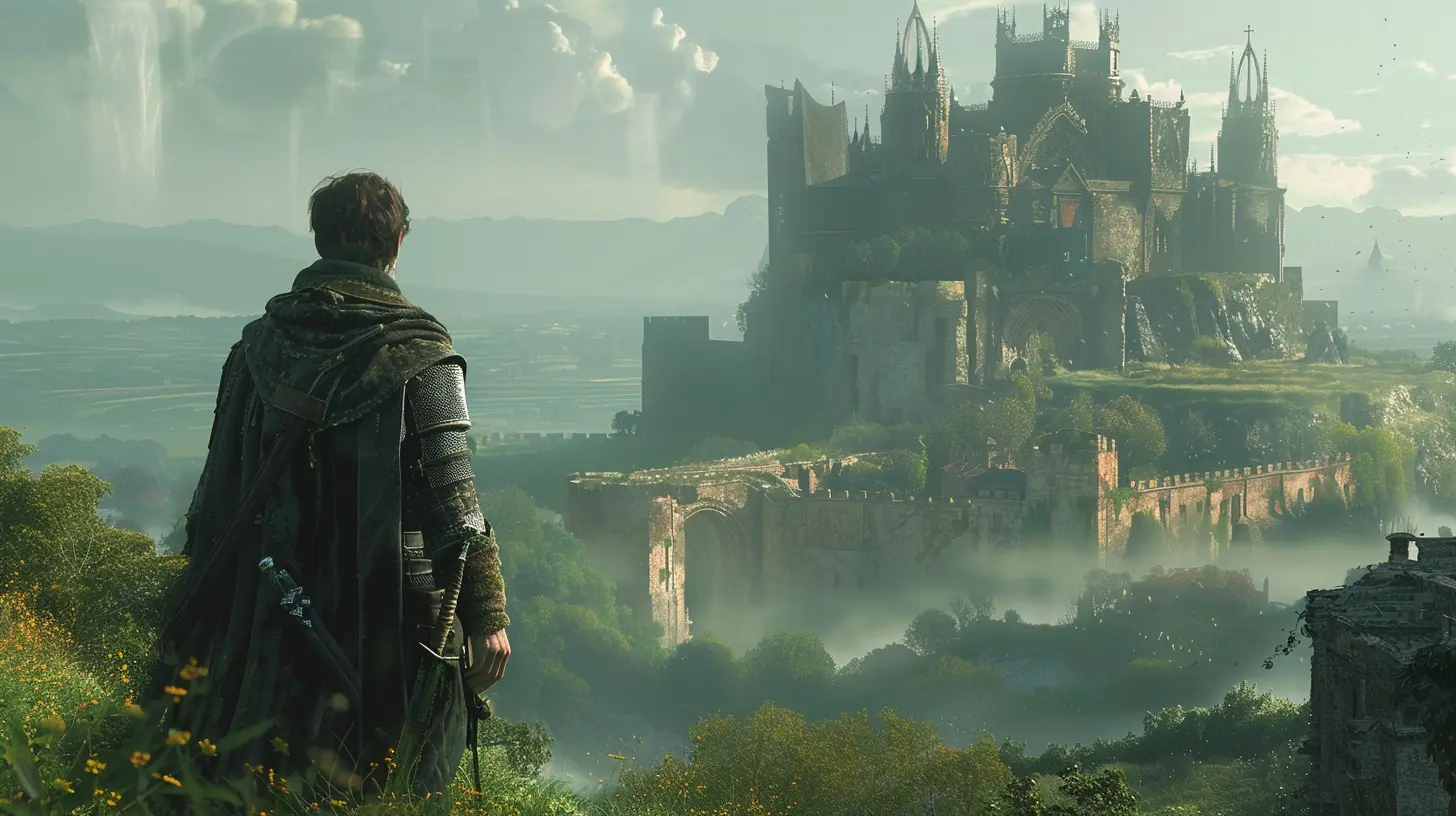
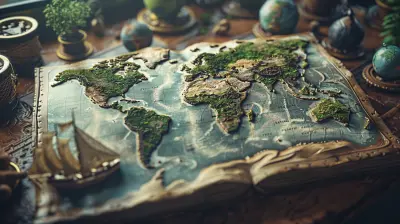
Lore Turns a Map Into a Living, Breathing World
Sure, open-world games give you a map. But without lore, it’s just pixels and markers. Lore transforms that dead space into a place with its own heartbeat.Take Skyrim, for example. Everywhere you turn, you uncover stories. The Thalmor embassy, the mysteries of the Dwemer, the struggles between Nords and Elves—it feels like you're stepping into a novel that never ends. You’re not just fast-traveling from Whiterun to Riften; you’re journeying through lands steeped in history and conflict.
When you understand the story behind a location, your interactions change. A simple ruin isn't just a place to grind XP—it’s the last remnant of a lost civilization. That wrecked ship isn't just junk—it’s a ghostly relic of a pirate tragedy. Suddenly, you’re not just playing; you're participating in a legacy.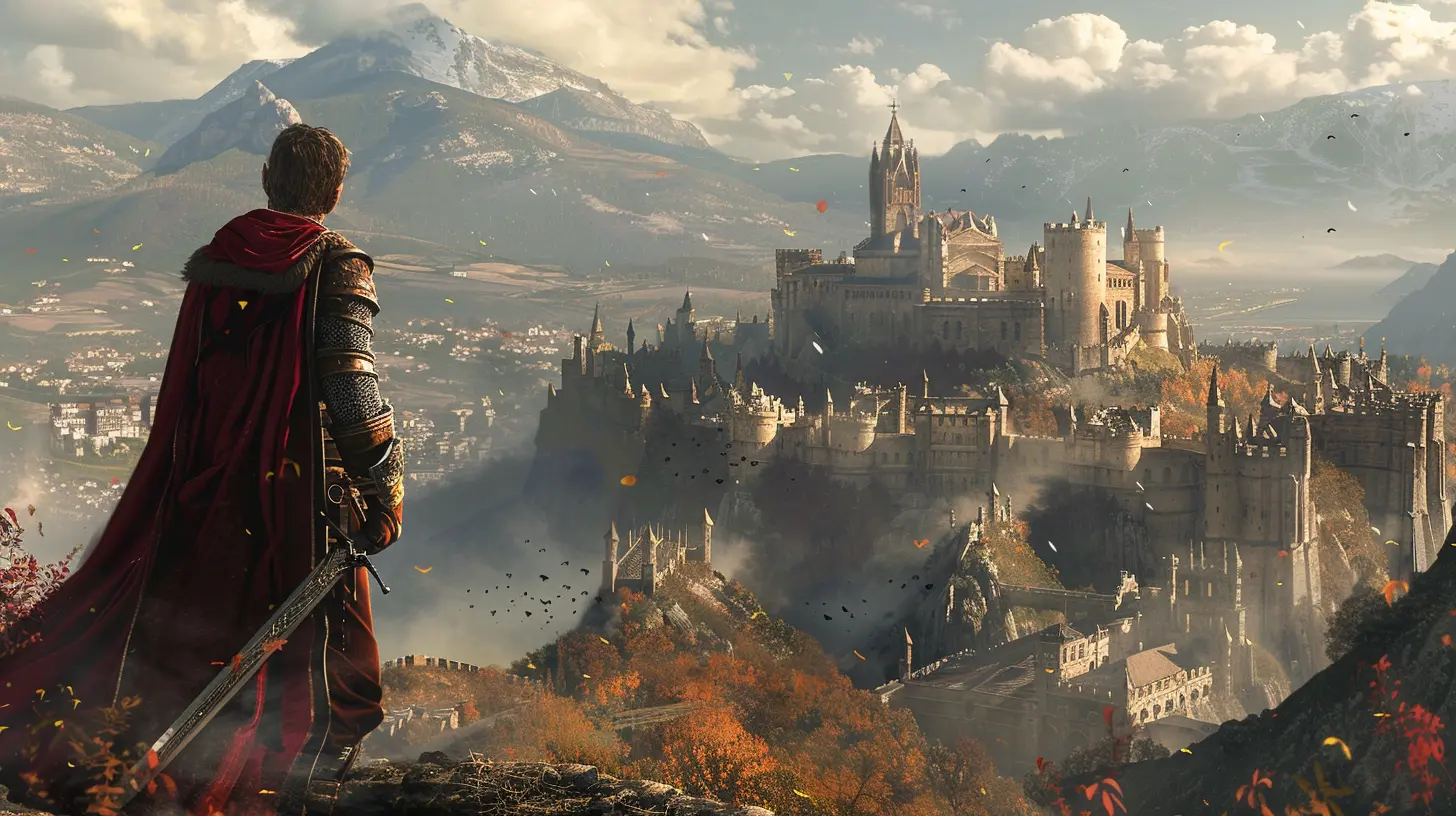
Lore Deepens Emotional Investment
Let’s be real: RPGs are emotional experiences. You laugh with your companions, mourn fallen allies, and rage against cruel tyrants. But all of that hits harder when you’re emotionally tied to the world—and lore is the glue that holds that bond.Why did The Witcher 3 feel so personal? Because the world was drenched in rich history. You didn’t just take down monsters; you were part of a broken, war-torn land with cultures shaped by centuries of pain and prejudice.
Remember stepping into Novigrad for the first time? The religious tensions, the political schemes, the underground resistance—it all felt real. And it was the lore that made it real. It gave you context to care, and without that, you’re just swinging a sword in a pretty sandbox.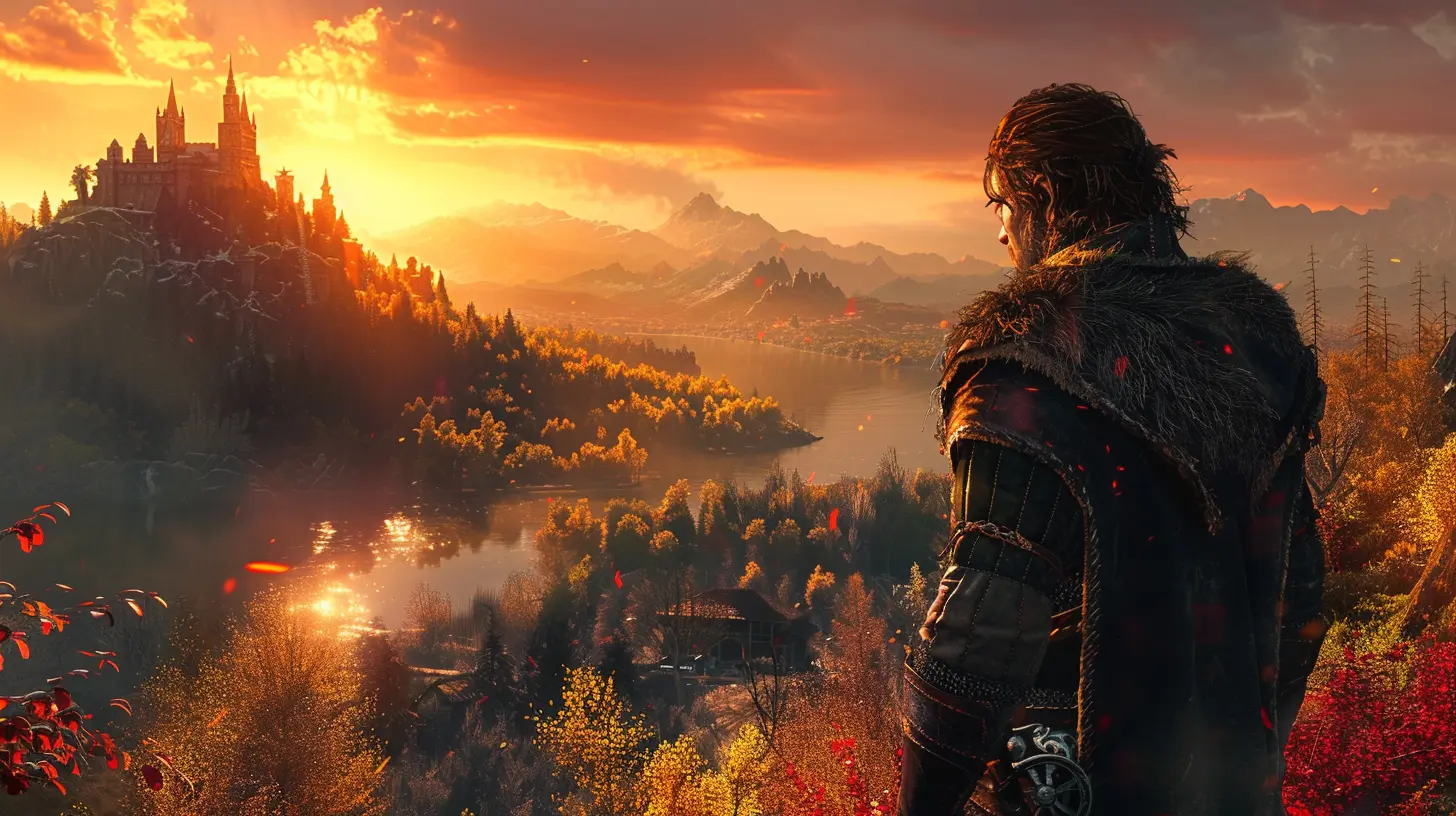
It Fuels Curiosity and Player Exploration
Open-world games thrive on curiosity. “What’s over that hill?” “Can I climb that mountain?” But curiosity fades fast if there's nothing meaningful to uncover. That’s where lore steps in.Lore is the breadcrumb trail leading you to the good stuff. It whispers hints in old journals, paints murals in forgotten temples, and dares you to piece together the past. And when it’s done well? It turns even the smallest discoveries into treasure.
Games like Elden Ring and Dark Souls practically live and breathe through environmental storytelling. You rarely get the entire picture handed to you. Instead, you're nudged into searching, theorizing, and decoding. That drive to know more? All thanks to lore.
It Justifies Game Mechanics and Systems
Ever grind your way through a weird side quest and think, “Why does this even exist?” That’s poor integration. But great lore can make even the strangest mechanics feel natural.Let’s talk factions. In a lot of RPGs, they feel shoved in just to give you extra quests. But when the lore backs them up—when you understand their ideologies, their rivalries, their origins—they’re no longer just quest-givers. They become living forces in the world’s ecosystem.
Even simple inventory items can carry weight. Consider a potion labeled "Essence of the Old Ones.” Suddenly, that’s not just a health boost—it’s a piece of forbidden magic tied to a buried era. Instantly more compelling, right?
It Inspires Player Theories and Community Discussion
You know what keeps a game alive long after release? The community. And nothing keeps a community buzzing like juicy lore.Fans love piecing together the bigger picture, spotting patterns, debating theories, and uncovering secrets. Just look at the countless forums, wikis, and YouTube channels dedicated solely to lore breakdowns.
Games like Hollow Knight and Bloodborne have practically built mini-cultures around their mysterious stories. The developers don't spoon-feed you everything—and that's the point. You become a detective in your own right, and that shared thirst for knowledge creates deeper communal engagement.
Your Decisions Carry More Weight
In open-world RPGs, choices matter—or at least, they should. But for decisions to feel impactful, the world has to mean something. Lore gives decisions depth.Imagine you're choosing whether to align with a certain kingdom. Without context, whatever. But if you’ve spent hours understanding their turbulent history, learning their motives, even experiencing their fallout—that decision hits differently.
Your actions ripple through the lore. You aren't just shaping the future—you’re altering a world shaped by the past. Now that’s power.
It Adds Layers To Replayability
Ever finish a game and immediately start over? That’s not just great gameplay—it’s great world-building.Lore reveals itself in layers. On your second or third playthrough, you catch things you missed. You understand that cryptic dialogue, you recognize that statue, you finally “get” the backstory behind that creepy dungeon. It’s like rewatching your favorite movie and noticing Easter eggs you missed the first time.
The better the lore, the more rewarding each dive becomes. It ensures that your hundredth hour in the game is just as engaging as your first.
The Story Doesn’t Stop at the Main Quest
Here’s where open-world games really shine: the freedom to choose your path. But freedom can be aimless without grounding, and that’s where lore keeps things steady.Even when you ignore the main quest, lore guides your journey. Side quests aren’t just filler—they’re chapters of the greater narrative. NPCs aren’t just walking loot piñatas—they're echoes of the world’s past.
A good open-world RPG lets you craft your own story inside a world that already has its own rich narrative. It’s like being a guest in someone’s home—you don’t own the place, but you feel welcome because there’s a history and a soul you can feel in every corner.
But...Too Much Lore Can Be a Problem
Let's be fair—lore can be a double-edged sword. When handled poorly, it turns into endless walls of text that players skip just to get back to the action. No one wants to read a 1000-word codex entry about ancient tree bark unless it actually matters.The secret? Integration. Don’t tell me everything—show me. Let me stumble upon a ruined cathedral and feel the weight of what used to be. Let the walls speak before the dialogue does. Balance is everything.
Conclusion: Lore Isn’t Optional—It’s Essential
So, why does lore matter in open-world RPGs? Because it’s the secret sauce that turns a collection of quests and locations into a universe. It’s what makes us care, wonder, explore, and return.Without lore, even the grandest world is just a map. But with it? It becomes a memory.
So next time you’re tempted to skip that dusty journal or click through an NPC's story—pause. Listen. Read. You might just uncover a piece of the heart that makes everything else feel alive.
all images in this post were generated using AI tools
Category:
Rpg GamesAuthor:

Leif Coleman