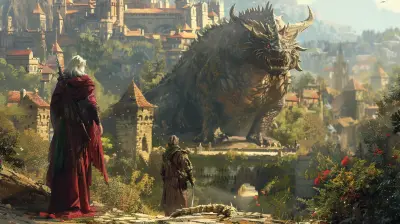
Why Some RPGs Age Better Than Others
8 June 2026
Have you ever gone back to play a childhood favorite RPG only to realize it doesn’t quite hit the same? Maybe the dialogue feels clunky, the graphics are downright painful, or the controls just don’t hold up. Meanwhile, another RPG from the same era still feels incredible — the story pulls you right in, the gameplay feels just right, and suddenly you've lost an entire weekend.
So, what gives? Why do some RPGs age like fine wine, while others turn into stale bread over time?
Well, there's a method to the madness. In this article, we’re diving deep into the mechanics, storytelling, art styles, and player experiences that make some Role-Playing Games stand the test of time while others gather digital dust.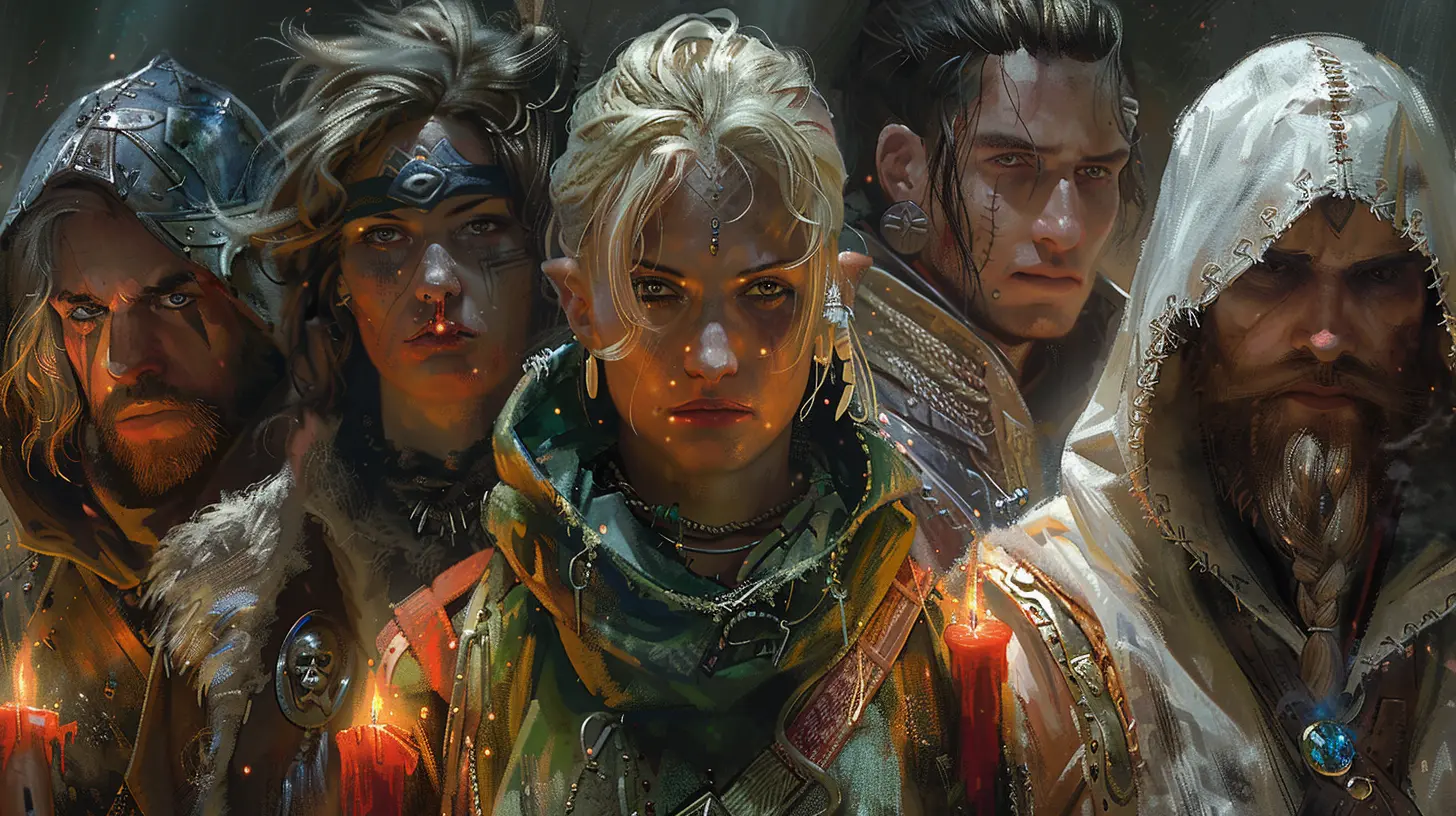
The Heart of the RPG: Storytelling That Transcends Time
Let’s get real — story is everything in an RPG. It’s not just about clicking buttons and leveling up; it’s about being part of an epic journey.Timeless Narratives
Some RPGs just nail their storytelling, right? Take games like Chrono Trigger, Final Fantasy VI, or The Witcher 3. Their stories feel almost literary, packed with emotion, twists, and characters that feel alive. These games age well because compelling storytelling just never gets old. Whether you're playing in 2024 or 2044, a good plot is a good plot.Now compare that to some RPGs that lean too heavily on clichés — "chosen one" tropes, villains who are evil just because, or plot twists that make you roll your eyes instead of gasping. Those don’t age well because once the novelty wears off, there’s not much substance left.
Characters That Stick With You
Characters are another biggie. Think about how people still talk about Aerith, Geralt, or Shepard. When characters have depth, real motivations, and evolve over time, they're easier to connect with. And when you form that emotional bond, the game becomes unforgettable.RPGs that age poorly often have flat, one-note characters. If you can’t even remember the protagonist’s name a week later, that’s a red flag.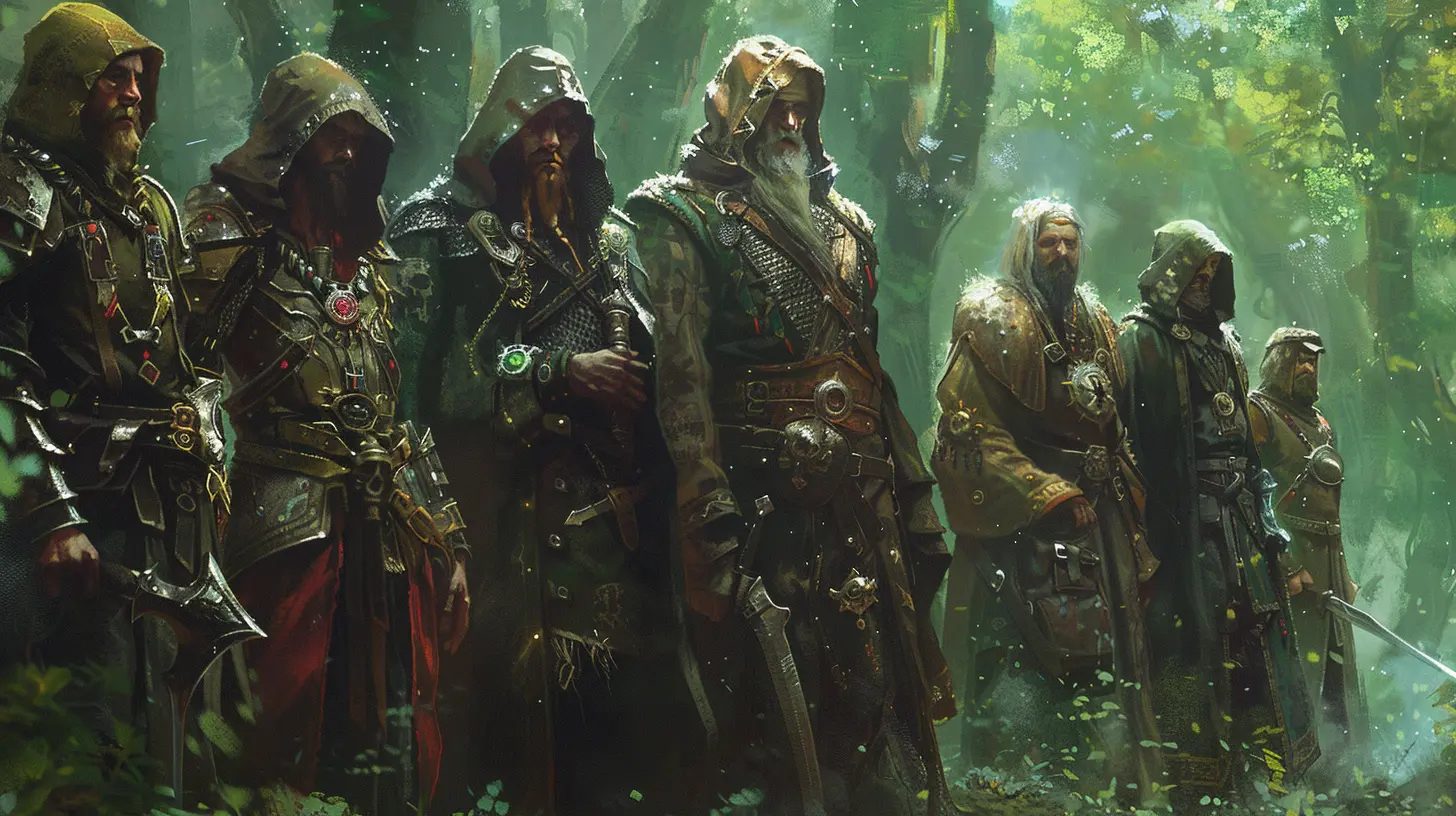
Graphics vs. Art Style: There’s a Difference
A lot of people assume older RPGs age poorly because of outdated graphics. But that’s not entirely true. There's a huge difference between technical graphics and artistic design.Pixel Art vs. Early 3D: Who Wins?
Some of the most beloved RPGs use pixel art — not because the developers couldn’t do better, but because it was a style choice. Games like EarthBound or Final Fantasy Tactics still look great today because pixel art has a sort of nostalgic charm. It ages like a classic painting.On the flip side, early 3D RPGs? Yikes. Many of them are full of jagged polygons and lifeless facial expressions. Technology just hadn’t caught up yet. So even if the story’s good, it’s harder to immerse yourself when every character looks like a Lego.
Modern Remasters and Their Pitfalls
Sometimes, developers try to "fix" old games with modern remasters. Hit or miss, honestly. While some remasters polish everything up while keeping the soul intact (Mass Effect: Legendary Edition, for example), others mess with lighting, colors, or art direction so much that the game loses what made it special.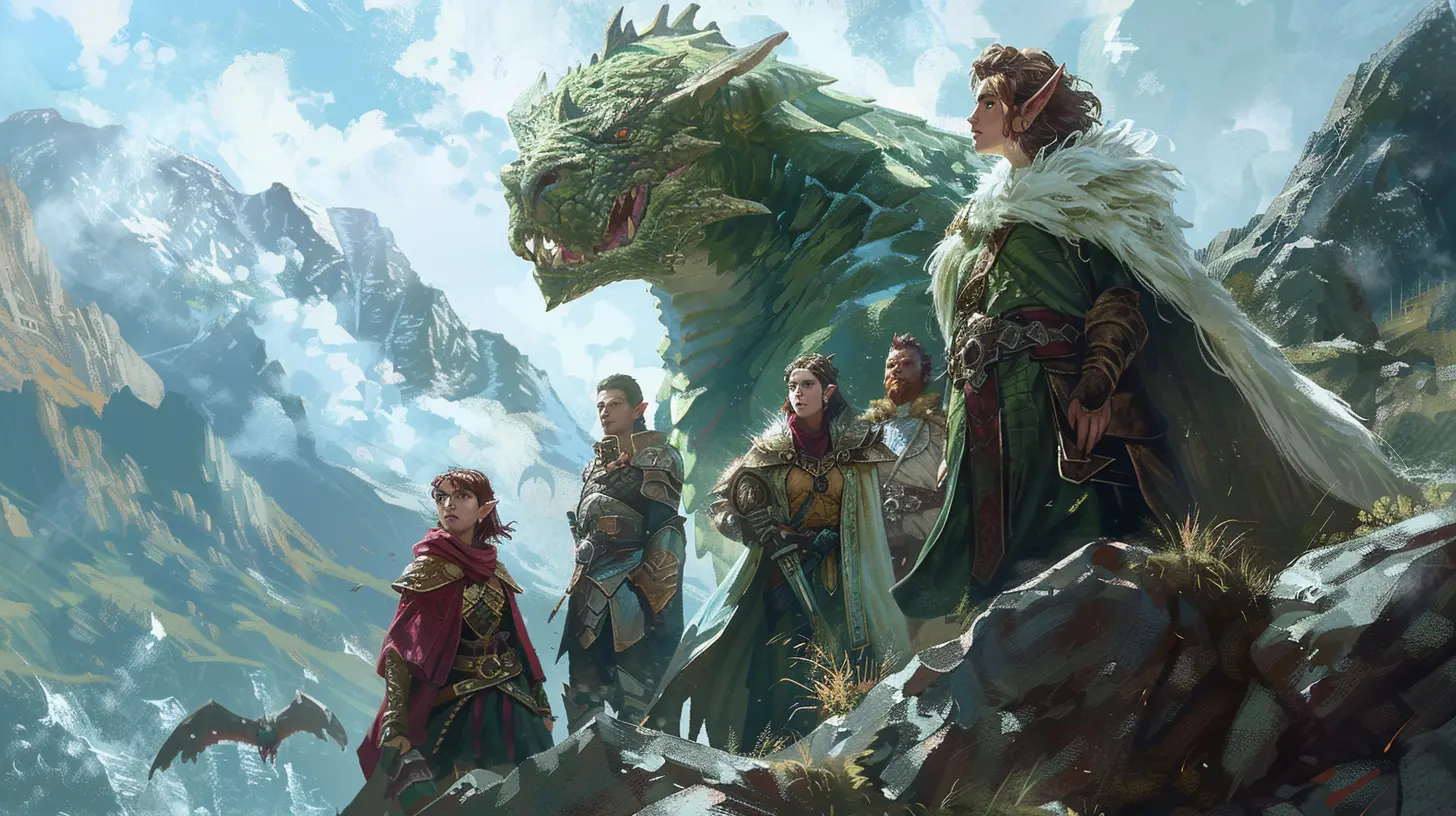
Gameplay Mechanics That Still Feel Good
Gameplay is another major factor in how well an RPG ages. If combat feels stale or the controls are clunky, even nostalgia can’t save it.Turn-Based vs. Action-Based Combat
Here’s where things get spicy. Turn-based systems, like those in older Final Fantasy or Persona games, can feel either classic or sluggish depending on how well they’re executed. If the battles are snappy, strategic, and rewarding, players will come back again and again.Meanwhile, action-based RPGs that rely heavily on dodging, parrying, or real-time reactions tend to age better when the controls are tight. Dark Souls is a perfect example — it’s almost a decade old, but it still feels amazing to play.
Bad mechanics, on the other hand? Whether it’s clunky menus, unbalanced leveling, or repetitive combat — that stuff wears thin fast.
Quality-of-Life Features
This one’s underrated but huge. Games that include autosaves, fast travel, quick load times, and decent UI tend to age way better. No one wants to backtrack for 45 minutes because they forgot to save before a boss fight.When a game respects the player’s time, it earns replayability — and that’s what helps it stick around for years.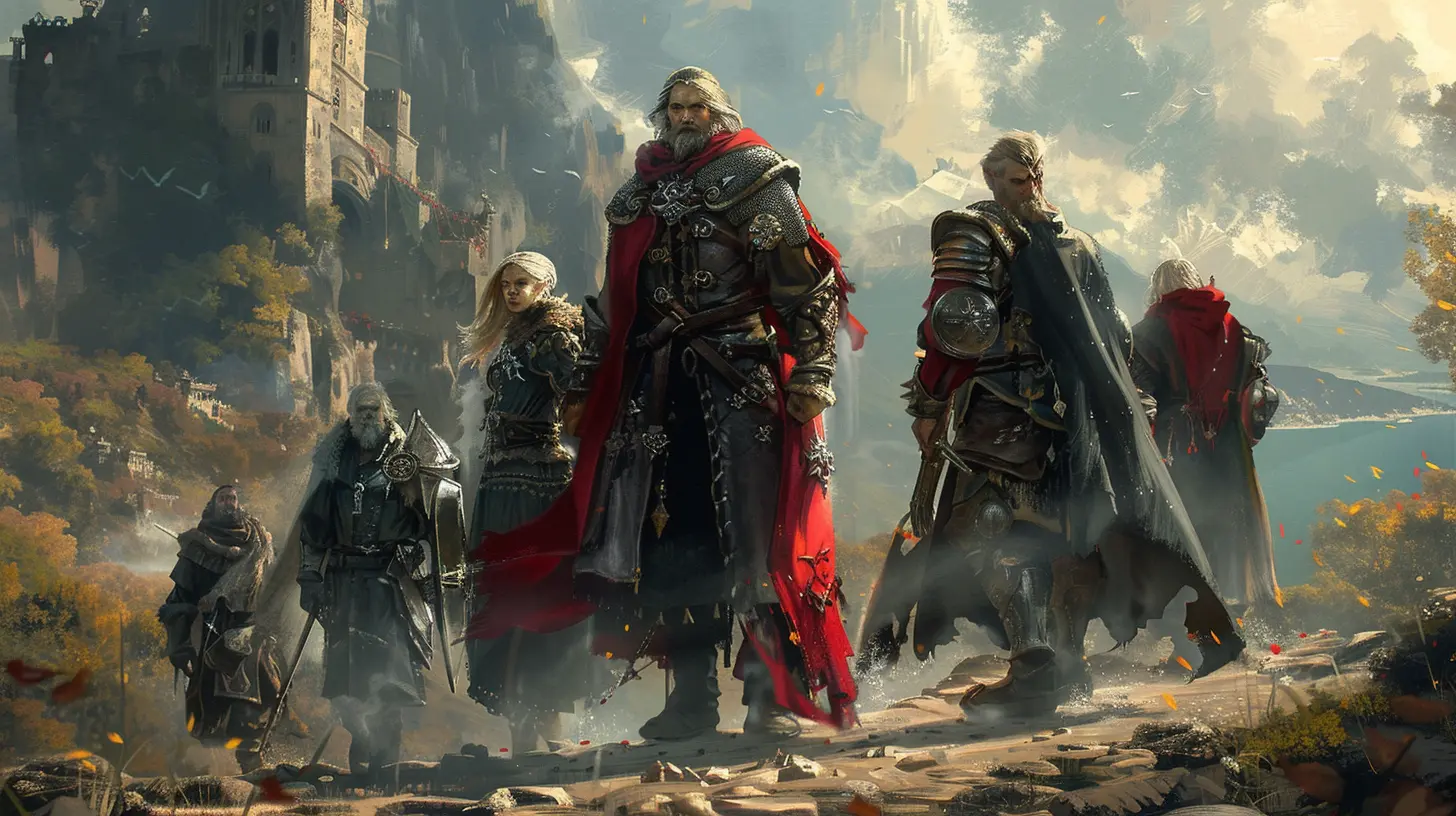
Worldbuilding that Pulls You Into Its Orbit
You know the feeling — you step into a new town, NPCs are chatting about something going on in the next city, there’s a weird shrine in the forest that no one wants to talk about, and suddenly, you're all in. That’s good worldbuilding.Lore That Feels Lived In
The best RPGs don’t just tell you what’s happening; they make you feel like the world exists whether you're there or not. Elder Scrolls, Mass Effect, Dragon Age — these games have layers upon layers of lore. You can read books in-game, overhear NPC conversations, and piece together mysteries on your own.RPGs that age poorly tend to treat worldbuilding like an afterthought. If it feels like the world revolves around the hero and nothing else, it just doesn’t have that same immersive pull.
Soundtracks That Hit the Right Note
Never underestimate the power of a killer soundtrack. Music sets the tone, creates emotional highs and lows, and instantly transports you back into the game — even years later.Memorability Matters
Think of the haunting piano opening from Final Fantasy X, the battle themes in Persona 5, or the ambient beauty of Skyrim. These soundtracks are unforgettable. They’re often orchestrated, layered, and emotionally charged — and that makes them age like a fine composition.Compare that to generic, forgettable background music that barely sets a tone. Does it serve its purpose? Sure. But will anyone be humming it ten years later? Probably not.
Community & Modding Support: The Lifeline of Longevity
Ever notice how some older RPGs still have active fanbases creating mods, writing fan fiction, and making memes? That community-driven love keeps a game alive long after its release.Mods That Modernize
Games with modding support — like Skyrim, Fallout: New Vegas, or even the old Baldur’s Gate series — get a second (and third) life thanks to passionate fans. Mods can improve graphics, update gameplay, or even add new story content.This kind of flexibility makes those RPGs way more likely to be played and loved years down the line. Titles that don’t offer that kind of openness? They fade away quicker.
Nostalgia Isn’t Always Enough
Yep — nostalgia’s a powerful thing. But it’s not a cheat code. A game might have meant the world to you when you were 12, but if it doesn’t hold up mechanically or stylistically, you're going to feel that disconnect.That’s why developers today can’t just rely on bringing back old IPs. If they reboot a classic RPG, they need to walk a fine line: honor the original while modernizing enough to feel fresh. Not easy, but crucial.
So, Why DO Some RPGs Age Better Than Others?
Let’s bring it home. The RPGs that age well have a few things in common:- Great storytelling that stays relevant
- Characters you genuinely care about
- Timeless art styles over cutting-edge graphics
- Balanced mechanics and tight controls
- Expansive worldbuilding that invites exploration
- Memorable music that enhances mood and memory
- Modding and community support that keep the game evolving
When all these elements come together, they create an experience that's more than just pixels on a screen. It's a world you want to come back to — no matter how many years pass.
So next time you find yourself obsessively replaying your favorite RPG for the fifth time, remember: it's not just nostalgia. There's real design magic going on under the hood.
Final Thoughts
RPGs are a special kind of game. They ask for your time, your emotions, and your imagination. That’s a tall order — and not every game pulls it off. But the ones that do? They earn a permanent spot on that "best of all time" list, even as technology marches on.So, whether you're replaying a classic or diving into a new release, pay attention to the details. The magic that makes an RPG timeless isn’t always in the graphics or even the combat — it’s in how it makes you feel, years later, when you boot it up again and realize it’s just as good as you remember.
all images in this post were generated using AI tools
Category:
Rpg GamesAuthor:

Leif Coleman
Discussion
rate this article
2 comments
Corinne McKeehan
Great article! It's fascinating how storytelling, gameplay mechanics, and nostalgia contribute to the longevity of certain RPGs. Keep it up!
August 12, 2026 at 10:02 AM
Leif Coleman
Thanks for your thoughts! I'm glad you enjoyed the article. Those elements really do make a difference in how RPGs stand the test of time.
Mariana Marks
It's interesting how some RPGs maintain their charm over time, while others feel outdated. Nostalgia plays a big role too.
June 20, 2026 at 4:16 PM
Leif Coleman
You're right. Nostalgia definitely enhances the charm of certain RPGs, but timeless gameplay and storytelling also keep them relevant.