Behind the Scenes of Unreal Engine Game Development
6 June 2026
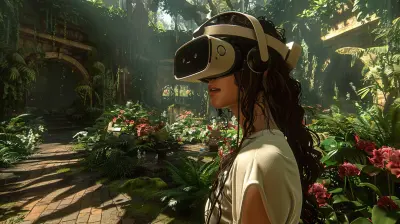
Ever played a game that looked so real you had to blink twice just to make sure it wasn’t a movie? You can probably thank Unreal Engine for that. From hyper-realistic graphics to smooth character movement and immersive environments, Unreal Engine is the magic wand developers wave to bring digital worlds to life.
But what really goes on behind the scenes? How do developers transform lines of code and 3D models into those jaw-dropping gaming experiences you can’t stop talking about? Grab a coffee (or a Mountain Dew), because you're about to dive into the heart of Unreal Engine game development. ??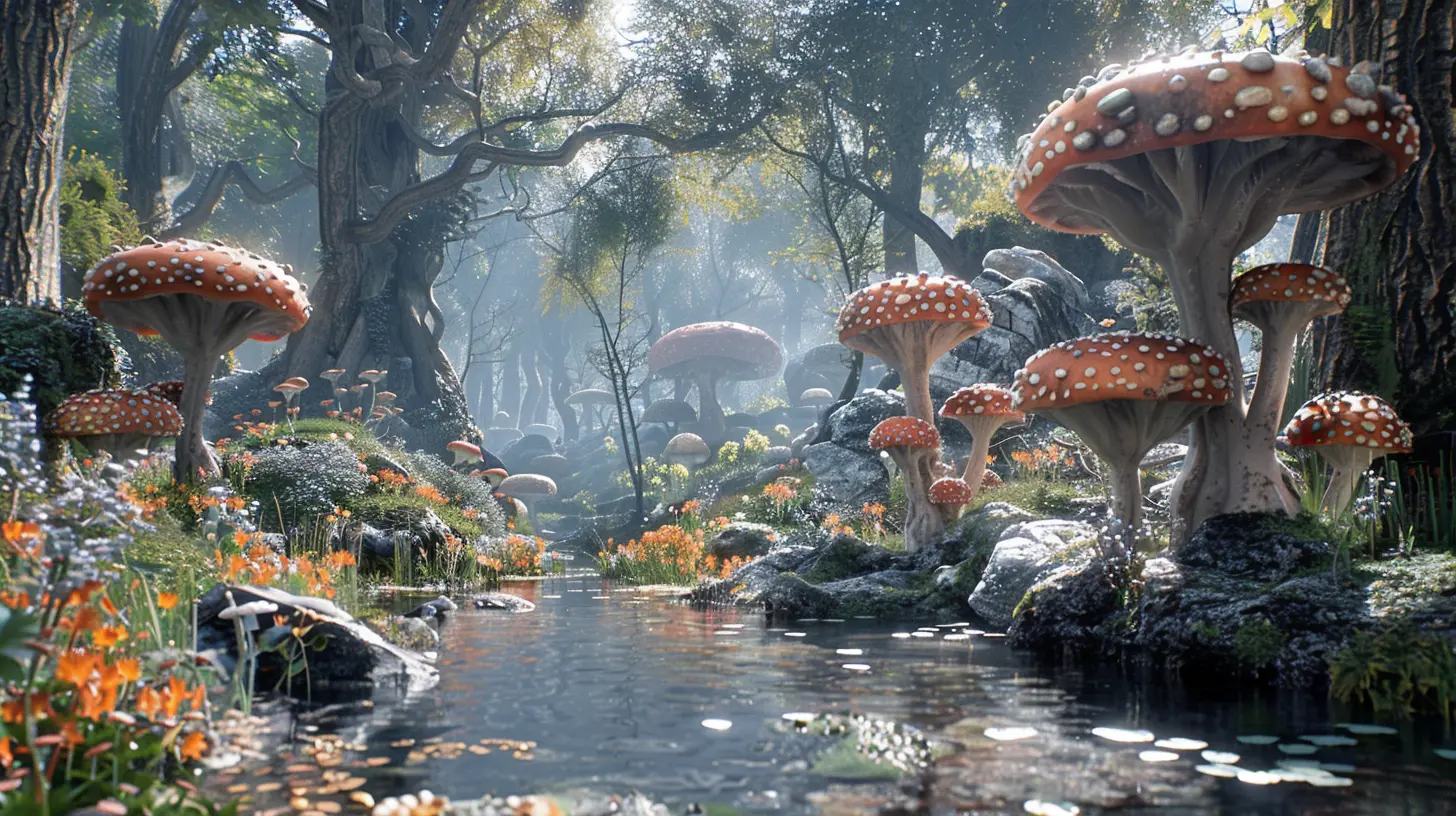
What Is Unreal Engine, Anyway?
Let’s start with the basics. Unreal Engine, developed by Epic Games, is one of the most powerful and widely used game engines in the world. It's the secret sauce behind blockbuster games like Fortnite, Gears of War, and even some Hollywood films. Yeah, it’s that good.So what makes Unreal Engine such a big deal?
- It’s free to use (with a catch — royalties apply if your game earns serious cash ?)
- It supports real-time rendering, which means you see changes live
- Built-in tools for animation, visual effects, and physics
- Cross-platform capabilities (PC, console, mobile, VR...you name it)
Still with me? Great. Now let’s peek under the hood.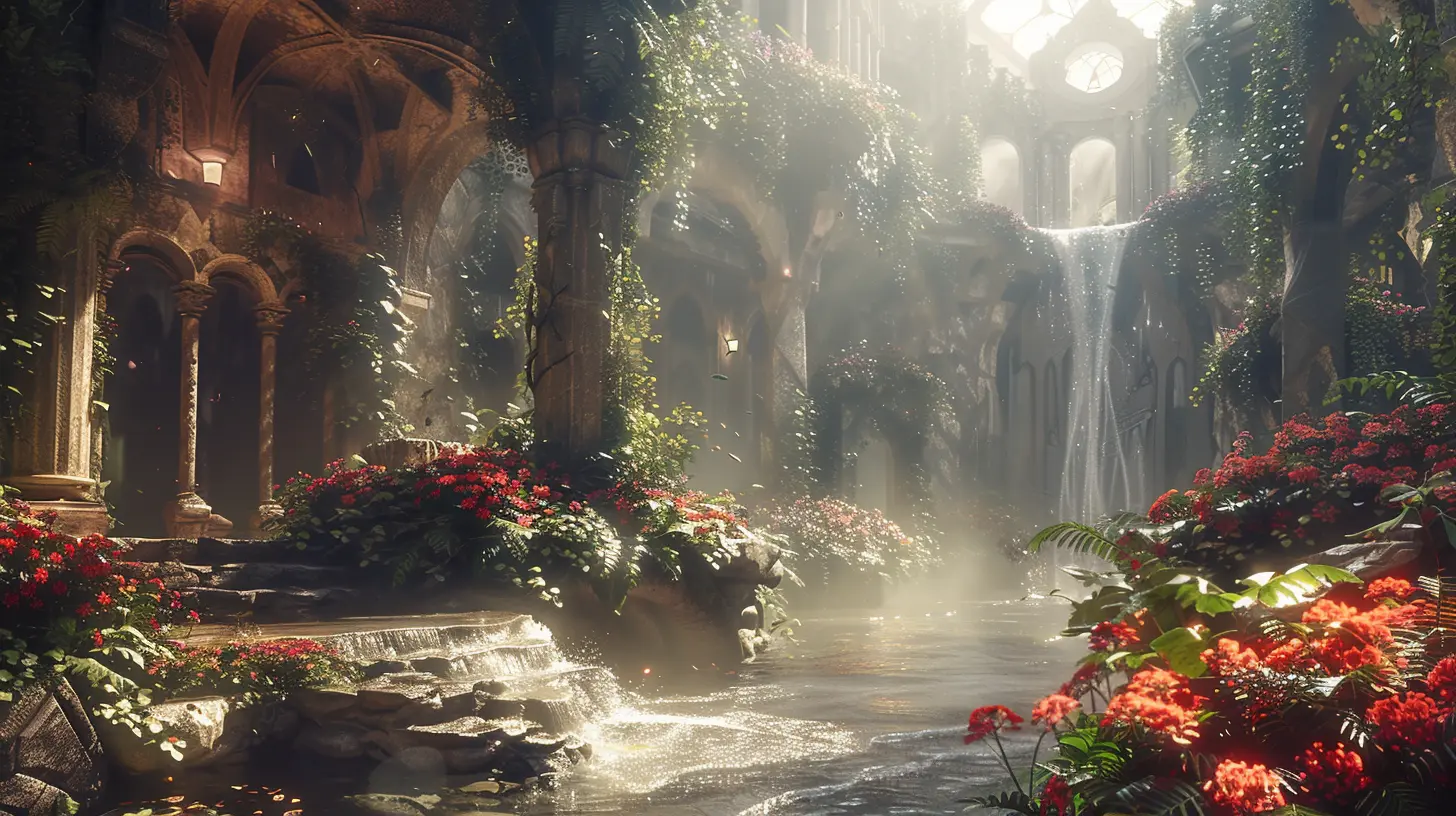
The Game Development Pipeline with Unreal Engine
Think building a game is all fun and play? It’s fun, sure, but it’s also serious business. Unreal Engine developers follow a structured pipeline — a roadmap that takes a game from “cool idea” to “download and play.”1. Pre-Production: Laying the Groundwork
This is where the magic begins. Developers brainstorm ideas, sketch out storyboards, and decide on the game’s genre, style, and gameplay mechanics.? Key Tasks:
- Choosing a game concept and genre
- Creating concept art and storyboards
- Outlining characters and environments
- Planning the development schedule
At this stage, Unreal Engine isn’t even booted up yet. It’s all about imagining what the game can become.
2. Prototyping: Putting the Pieces Together
Now the fun begins — sort of like building a LEGO tower, but with code and digital models. Developers create a prototype using Unreal Engine to test core mechanics.⚙️ This includes:
- Basic character movement
- Camera controls
- Testing physics and interactions
- Simple UI elements
Prototyping helps teams figure out what's fun and what’s broken — before sinking months into full development.
3. Production: The Real Work Begins
This is the meat and potatoes of game development. In the production phase, teams flesh out everything using Unreal Engine’s suite of features.Level Design in Unreal Engine
Designers use Unreal’s powerful “Blueprint” system — a visual scripting tool that lets you program game logic without writing code. Yep, you can drag and drop your way through game logic. It’s like using LEGO Mindstorms to program a robot.They also use the Level Editor to build environments, place assets, and set up lighting and atmospheres.
3D Modeling and Animation
Characters, weapons, vehicles, you name it — 3D models are imported into Unreal from software like Blender, Maya, or 3ds Max. Then comes skeletal rigging and animation blending, which isn't just tech talk — it’s how we make characters walk, jump, and look awesome doing it.Visual Effects and Sound Design
Unreal’s Niagara VFX system allows for jaw-dropping particle effects — think explosions, magic spells, and stormy weather. Combine that with rich sound design, and you’ve got a sensory feast.Pro tip: Audio makes or breaks immersion. Ever noticed how footsteps sound different depending on the surface in high-quality games? That’s the magic of layered sound textures.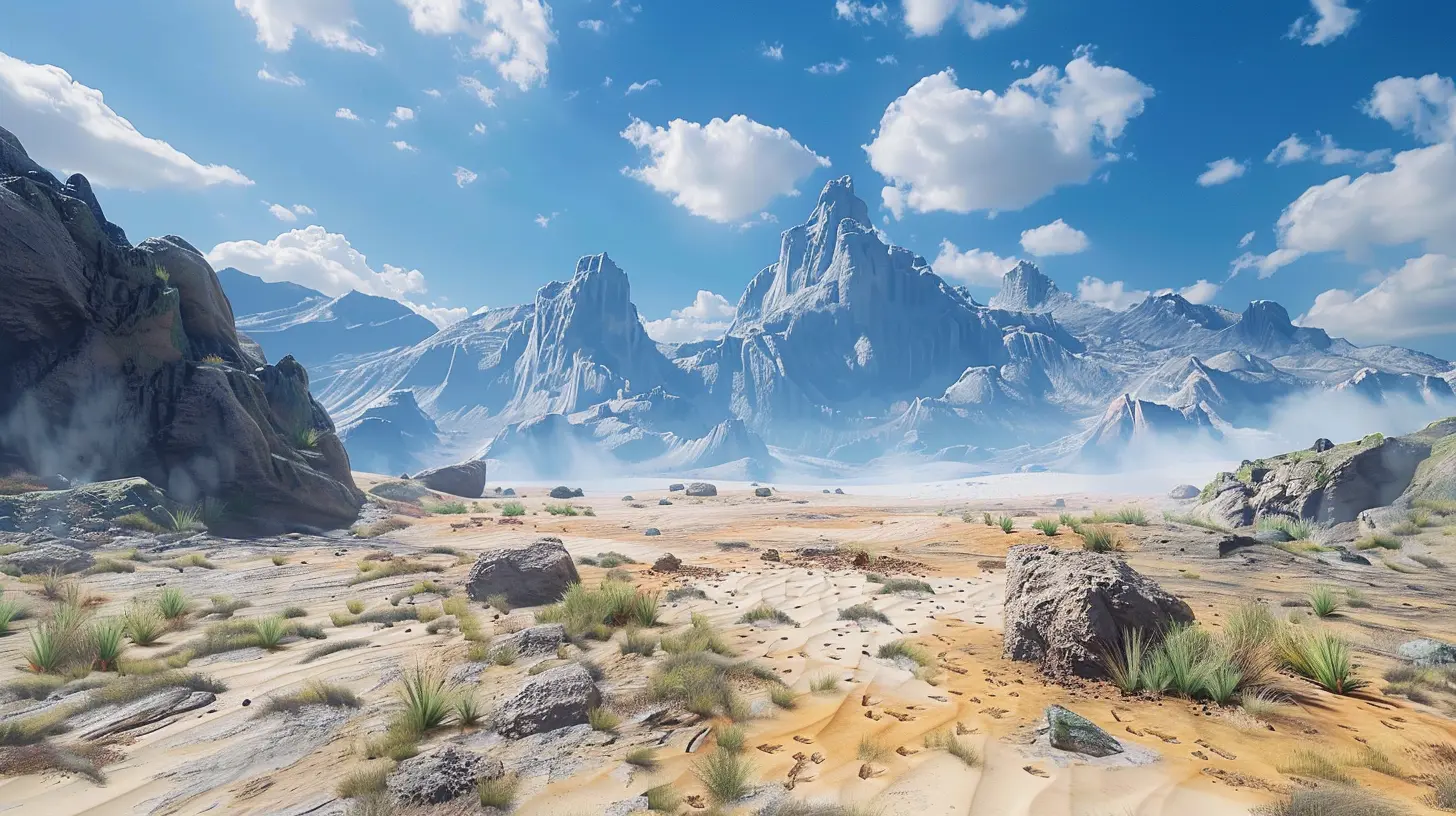
Rendering and Graphics: Unreal's Secret Weapon
When we talk about “realistic games,” we’re really talking about rendering. Unreal Engine 5 brought insane improvements to this area with two game-changing features: Lumen and Nanite.Nanite: Infinite Detail Without the Lag
Imagine throwing a 3D sculpture into your game with millions of polygons — and your PC doesn’t even flinch. Nanite makes that possible by streaming only the visible detail in real-time.It’s like Google Street View for game assets — you only see what you need at any given moment. The result? Mind-blowing detail without the performance drop.
Lumen: Lighting That Thinks for Itself
Lighting can make or break a scene. Lumen allows for real-time, dynamic lighting that reacts to changes in the world instantly.Say you're holding a torch and walk into a cave — the shadows dance, the light bounces off the walls, and it all looks... real. No more baking lights manually. Lumen’s your lighting intern that never sleeps.
Scripting with Blueprints vs. C++
Unreal Engine gives you two primary ways to handle game logic: Blueprints and C++.Blueprints: For the Visual Learners
Don’t know how to code? No problem. Blueprints let you create gameplay behavior using nodes and connections — kind of like connecting dots. It’s intuitive, flexible, and powerful enough to make entire games without writing a single line of code.Perfect for prototyping or even full indie games.
C++: For the Hardcore Devs
If you want deep control and efficiency, dive into C++. Unreal Engine is written in it, and using C++ allows you to optimize performance, customize systems, and create complex gameplay mechanics.Most AAA games use a combo of both: Blueprints for speed, C++ for power.
Testing, Debugging, and Optimization
Before any game hits the market, it needs to be rock-solid. That means testing — lots of it.In-Engine Testing
Unreal Engine offers built-in testing tools:- Performance profiling
- Network simulation
- Collision debugging
Think of it as your game’s annual health check-up.
Optimization
Even the prettiest games can crash if not optimized. Developers:- Reduce draw calls
- Compress textures
- Use level streaming
- Toggle LOD (Level of Detail) models
These tweaks ensure smooth frame rates and happy players (and fewer rage quits).
Packaging and Publishing
Once your game is good to go, Unreal Engine makes it easy (ish) to package it for different platforms.Packaging Steps:
1. Select your platform (Windows, PS5, Android, etc.)2. Configure settings (resolution, inputs, graphics level)
3. Build and cook your content (yep, they literally call it “cooking”)
4. Package into an executable file or app
From here, publishers can upload to Steam, Epic Games Store, PlayStation Store — or wherever else gamers hang out.
Post-Launch: The Work Isn’t Over
Here’s something they don’t tell you in game dev school: Launch day is just the beginning.? What happens after launch?
- Patch bugs (no launch is perfect)
- Optimize based on feedback
- Add DLCs or seasonal content
- Engage the player community
Unreal Engine’s flexibility lets devs keep evolving their games even after release. That’s why games like Fortnite keep getting better over time.
Unreal Engine and the Future of Gaming
With Unreal Engine 5 leading the charge, the future of game development looks more cinematic, immersive, and accessible than ever.We're talking:
- Photorealistic environments
- Full-scale open worlds on mobile
- Cross-platform multiplayer
- Seamless integration with VR and AR
Heck, even filmmakers use Unreal Engine to create virtual sets for movies and TV shows. Game devs are now digital directors — and everyone gets a front-row seat.
Final Thoughts
If you’ve ever wondered how your favorite video game came into existence, now you know — it’s not just magic. It’s a blend of artistry, tech wizardry, and a whole lot of caffeine-fueled nights.Unreal Engine makes it possible for both indie dreams and blockbuster visions to become playable realities. Whether you're a budding developer or a curious gamer, there’s something profoundly awesome about understanding what goes on behind the curtain.
So next time you're immersed in a gorgeously crafted game world, just remember — behind every pixel is a passionate team bringing it all to life with Unreal Engine.
all images in this post were generated using AI tools
Category:
Unreal Engine GamesAuthor:

Leif Coleman
Discussion
rate this article
2 comments
Maverick McVeigh
This article offers a fascinating glimpse into Unreal Engine's development process. It's inspiring to see the creativity and technical skill behind the games we love. Thanks for sharing!
August 3, 2026 at 3:14 PM
Leif Coleman
Thank you for your kind words! I'm glad you found it inspiring. Unreal Engine really showcases some amazing creativity and skill.
Reagan McHugh
Unreal Engine transforms vision into reality, pushing boundaries of creativity and technology in game development.
June 18, 2026 at 4:06 AM
Leif Coleman
Absolutely, Unreal Engine is a game changer. It truly empowers developers to unleash their creativity and innovate in ways we never thought possible.