Famous Auctions That Changed Game Collecting Forever
29 August 2026
Game collecting isn’t just a hobby anymore—it’s a full-blown phenomenon. Once upon a time, gamers were stashing cartridges in shoeboxes under their beds. Today? They're bidding six figures at high-profile auctions for sealed copies of games that used to sit on store shelves for 40 bucks. Let’s face it: things have changed. Big time.
In this article, we're diving headfirst into the wild world of game auctions. Not just any auctions—the famous ones. The ones that shook the market, reset the rules, and turned average joes into pixel-powered investors. Whether you're a hardcore collector, a curious gamer, or just someone who finds it fascinating how a 30-year-old game can sell for the price of a new car, you're in the right place.
The Rise of Video Game Collecting
Before we break down those game-changing auctions, let's talk about how we got here. Game collecting wasn't always this glamorous. In fact, before the 2010s, most people wouldn’t think twice before tossing an old NES cartridge into a garage sale pile.But then something happened.
Online marketplaces like eBay made it easier to sell and buy retro games. Nostalgia kicked in hard for millennials, especially once they got disposable income. And the kicker? Professional grading services like Wata Games entered the scene, giving physical value to pristine, sealed copies.
That combo turned game collecting from a quirky pastime into a booming investment hobby. But it was those few standout auctions—some of them historic—that really poured rocket fuel on the fire.
1. Super Mario Bros. (NES) – $2,000,000 Sale
Let's start with the mother of all flips. In August 2021, a sealed copy of Super Mario Bros. for the NES sold for a jaw-dropping $2 million. Not a typo. Two. Million. Dollars. It was sold via the collectibles platform Rally, and it sent shockwaves through collecting communities all over the world.What made this copy so special? It wasn’t just mint—it was encased in plastic and graded a super high 9.8 A++ by Wata. That’s collector speak for “basically perfect.” This was the game that started it all for many gamers back in the day, and to see it hit this kind of price opened a lot of eyes. People suddenly realized games weren’t just for playing; they were blue-chip collectibles now.
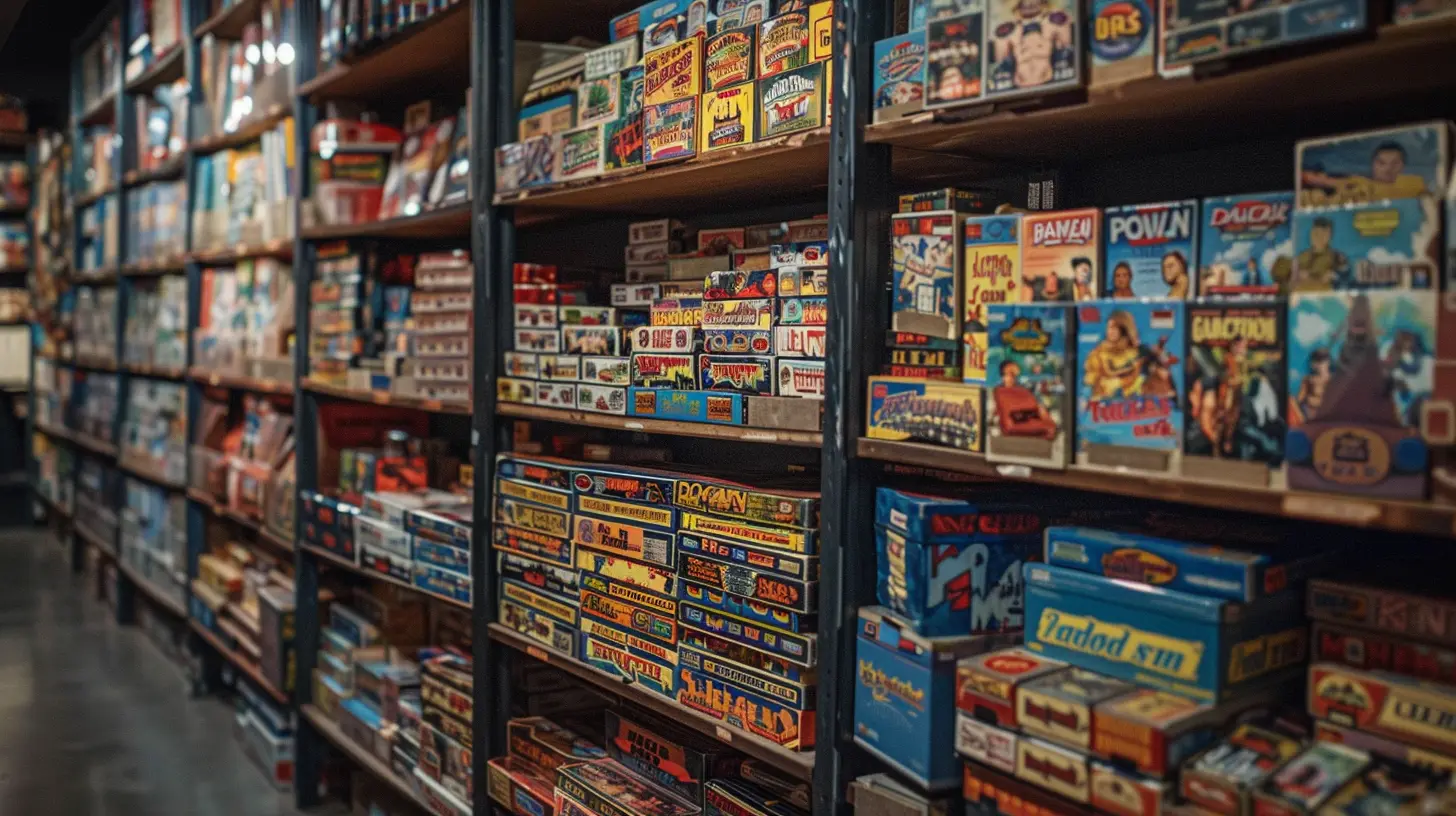
2. The $1.56 Million The Legend of Zelda (NES)
Before that $2 million Mario, The Legend of Zelda held the crown—briefly. Just a month earlier in July 2021, an ultra-rare sealed copy of the original Zelda sold for $870,000, only to be swiftly dethroned by Mario.But here’s the twist: Zelda had its own moment again. A later version sold for $1.56 million, reinforcing that the franchise had serious financial weight behind its nostalgia factor. It was a bidding war that proved two things: condition is king, and iconic franchises rule the marketplace.
Zelda fans everywhere suddenly saw their childhood treasures in a whole new (and highly profitable) light.
3. Super Mario 64 – $1.5 Million for a 9.8 A++ Copy
Just days before the Zelda sale, in July 2021, a near-pristine sealed copy of Super Mario 64 was auctioned off for $1.5 million. What made this specific copy get so much attention?First off, Super Mario 64 wasn’t just any game—it was a revolution in 3D platforming. It literally shaped the 3D game genre for years to come. Second, the Wata grade was immaculate: 9.8 A++. For context, sealed N64 games are harder to find in high grades, thanks to their often flimsy cardboard boxes.
The auction ended with jaws on the floor and collectors re-evaluating their N64 stacks. This sale made it clear that not just NES titles held big value—later-gen games could fetch crazy prices too, if kept in perfect condition.
4. Stadium Events – A Collector's Holy Grail
If there's one game that has always whispered "elite collector" in hushed tones, it's Stadium Events. Only a small number were ever sold before Nintendo rebranded the title under their own "World Class Track Meet" line.That scarcity turned it into a legend.
In 2017, a sealed copy sold for nearly $42,000, which may not sound like much compared to the seven-figure titans above, but it was huge at the time—and still impressive. This wasn’t about flashy franchises. This was about rarity and collector community lore.
It confirmed once again that rarity often outweighs popularity in the collecting sphere. And it solidified Stadium Events as the “Honus Wagner baseball card” of the video game world.
5. Nintendo PlayStation Prototype – $360,000 of Gaming History
This one’s more of a unicorn than a game. The Nintendo PlayStation prototype—yes, you read that right—hit the auction block in early 2020 and sold for $360,000.For those who don’t know, this was the lovechild of Sony and Nintendo before they had a nasty breakup and Sony went solo with the PlayStation. Only one prototype is known to exist, and it’s part console, part CD-ROM machine, all legendary.
The story behind this sale isn't just about the money—it’s about the historical significance. It’s like owning a prototype of the Wright Brothers' plane. It cemented game hardware as collectible art and not just tech.
6. Mike Tyson's Punch-Out!! – Signed Copy for $45,000
We all remember Mike Tyson’s Punch-Out!!—a game with pixel-perfect boxing and the most brutal final boss of the 8-bit era. But a sealed, autographed copy? That’s next-level.In 2022, a signed and graded 9.4 A+ copy sold for $45,000. The Tyson signature added a celebrity flair to an already nostalgic title. This auction showed that autographs can boost a game’s value big-time, especially if the sig is from a larger-than-life character like Iron Mike.
It added a new dynamic to collecting: celeb cachet.
7. Pokémon Red – Gotta Bid On ‘Em All
You can’t talk collecting without Pokémon. In 2022, a sealed copy of Pokémon Red graded at 9.8 A++ sold for $84,000. For a Game Boy game, that’s huge—and it makes sense. Pokémon is one of the most profitable franchises in the universe.What made this sale stand out wasn’t just the pristine condition but the emotional connection. For many, Pokémon Red was their intro to gaming. And as those kids have grown into adults with disposable income, the prices have followed their wallets.
This auction sealed the deal—pun intended—that Game Boy titles were no joke in the collector game.
How These Auctions Changed the Game (Pun Intended)
So, what’s the big deal about these auctions? Why did they send ripples through the game collecting community?Let’s break it down:
1. They Created a Financial Benchmark
Before these high-profile auctions, most people couldn’t fathom paying six or seven figures for a video game. These sales created new financial baselines, changing what collectors were willing to pay—and what sellers were hoping to get.2. They Attracted New Blood
When a Super Mario copy hits $2 million, headlines happen. Suddenly, hedge fund managers, crypto bros, and sneaker collectors were asking, “Wait, should I be investing in video games too?” These auctions brought a wave of new attention and money into the space.3. They Validated Grading Services
Services like Wata and CGC got a massive boost. High-value auctions put graded games in the spotlight and cemented third-party grading as an essential step for collectors serious about preserving and selling their games.4. They Shifted the Focus from Played to Pristine
Back in the day, people valued games based on how fun they were. Now? It’s all about that sealed plastic and perfect corner sharpness. These auctions made it clear: condition is everything.
So... Should You Start Collecting?
Maybe you're wondering, “Should I jump into collecting now?” That depends.If you’re in it for profit, it’s risky. Like any market, game values can spike or crash. But if you’re in it for passion and nostalgia? Go for it. Start small. Look for games that meant something to you growing up. You never know—maybe the cartridge collecting dust in your drawer is the next big payday!
Final Thoughts
These auctions didn’t just move a few numbers on a bidding screen. They transformed a hobby into a legit investment avenue. They gave vintage video games a seat at the collector’s table alongside art, comics, and coins.But most of all? They told us something powerful: the stories we grew up playing are worth preserving—even if they come with a million-dollar price tag.
So next time you spot an old box of Super Nintendo stuff in your attic… maybe don’t toss it. You might be sitting on gold.
all images in this post were generated using AI tools
Category:
Game CollectingAuthor:

Leif Coleman
Discussion
rate this article
1 comments
Kyle Porter
This article highlights pivotal auctions that reshaped game collecting. It's fascinating to see how these events have influenced both market value and collector interest in gaming history. Great read!
September 2, 2026 at 3:53 AM
Leif Coleman
Thanks for your thoughts! I'm glad you enjoyed the article and found it insightful. The impact of these auctions really is remarkable.