Game-Based Learning in Special Education Programs
6 August 2026
Let’s be honest — traditional classrooms don’t always cut it for every student, especially when we’re talking about special education. Sitting still, reading stacks of text, or listening to lectures? That’s not everyone’s cup of tea. Now, enter the hero of our story: game-based learning. Yep, just like it sounds – using games as a way to teach and learn. And when it comes to special education, this approach isn’t just fun — it’s transformational.
Game-based learning (GBL) has been shaking up the education world in a big way, and special ed is no exception. It’s not about replacing traditional learning entirely; it’s about meeting students where they are and giving them the tools to engage and thrive.
So let’s dive into how game-based learning is making a difference in special education programs — and why this approach might just be one of the best things to hit classrooms in years.
What Exactly Is Game-Based Learning?
Alright, before we go further, let’s break this down. Game-based learning is the use of games — digital or physical — to teach specific skills or concepts. Think of it like this: instead of teaching math from a textbook, students might play a game where they manage a virtual shop and use math to give change or manage inventory.The beauty of it? Games are built around challenges, rewards, feedback loops, and progress. Sound familiar? That’s exactly how learning works too. Now imagine combining those things in a way that feels less like “boring school” and more like “I’m actually having fun.”
Why Game-Based Learning Works So Well in Special Ed
1. It’s Inherently Engaging
Let’s get real for a second — motivation can be tough to come by in any classroom, but it’s even more of a challenge in special education, where students might struggle with attention, processing, or communication. But games? They’re naturally engaging. Bright colors, fun sounds, instant feedback, and the thrill of winning make students want to stick with the task.Games tap into intrinsic motivation — the idea that we want to do something just because it's enjoyable. And when students are having fun, they don’t even realize they’re learning.
2. Personalized Pacing
You ever try to keep up with a treadmill that’s moving too fast? That’s what traditional classrooms can feel like for students with learning differences.Game-based learning allows for self-paced interaction. Students can retry levels, repeat instructions, or take breaks without penalties. No judgment, no pressure — just progress at their own speed.
3. Safe Space to Fail
Failing in front of classmates is tough. But in a game? Failing is just a part of the process. You try again. You level up. You find another strategy.This kind of safe, judgment-free failure encourages experimentation and builds resilience — something especially important for students who might already face academic struggles.
4. Multisensory Learning
Games don’t just throw words at you — they involve visuals, sounds, movements, and sometimes even physical interactions (hello, VR and AR). For students with special needs — whether it’s ADHD, autism, dyslexia, or others — engaging multiple senses at once can help them understand and retain information more effectively.
Key Benefits of Game-Based Learning for Special Education
Improves Communication Skills
Many educational games are collaborative by nature. They involve turn-taking, discussing strategies, or working with peers. This helps students with social or communication challenges practice these vital skills in a structured, enjoyable environment.Boosts Confidence
Winning a level. Solving a tricky puzzle. Getting a high score. Each achievement, no matter how small, builds a student's confidence. And for kids who often face frustration in traditional learning settings, this boost can make a huge difference.Reinforces Repetition Without Boredom
Repetition is important in learning, especially in special education. But let’s face it — doing the same worksheet 10 times is mind-numbing. Games, on the other hand, are built around repetition — but they mix it up enough to keep things interesting.Encourages Independence
With self-guided platforms and games that offer tailored feedback, students learn to rely on themselves to figure things out. That fosters independence and reduces that constant need for adult intervention.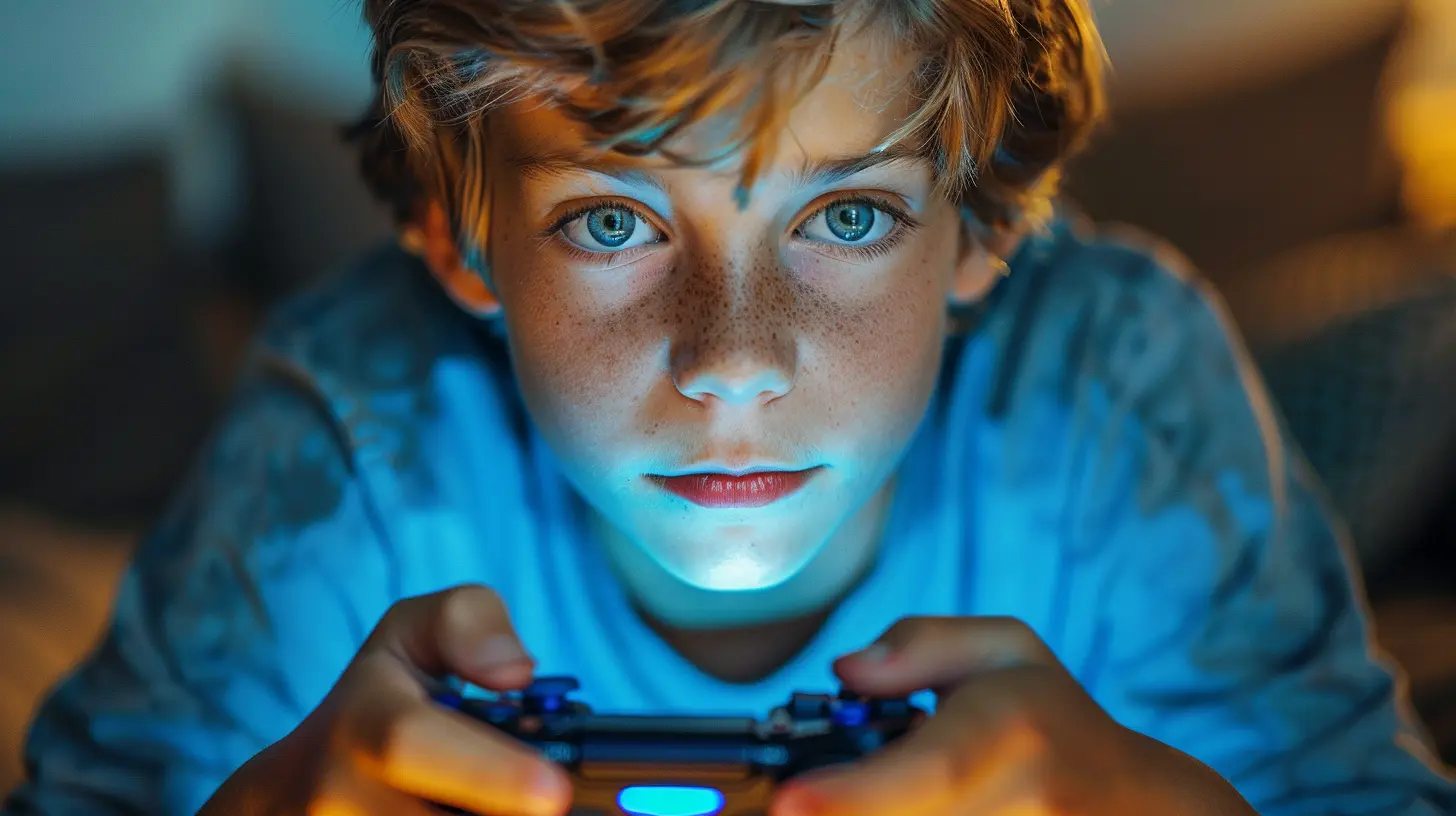
Examples of Game-Based Learning in Special Ed Settings
So what do these games look like in the real world? Let’s look at some actual tools and platforms that are killing it in special education classrooms.1. Prodigy
This math-based role-playing game is perfect for students who need to work on number concepts in a fun, fantasy world. It’s especially great for students with dyscalculia or math anxiety.2. TeachTown
Specifically designed for students with autism and other developmental disabilities, TeachTown uses animated characters and structured lessons to teach communication, cognitive, and academic skills.3. Minecraft: Education Edition
Bet you didn’t expect a sandbox video game to be on this list, but here it is. Minecraft has been used to teach everything from geometry to social-emotional learning. For students with autism, navigating the game’s social spaces and collaborative challenges can build real-world skills.4. ABCya!
A website packed with educational games in reading, math, and more. It’s simple, colorful, and perfect for younger kids in special ed programs.5. Osmo Learning System
This hands-on tech integrates with an iPad to create games that involve real-world tactile learning — ideal for students with sensory processing issues or fine motor challenges.Integrating Game-Based Learning into Special Ed Programs
Okay, so you’re sold on the idea. But how do you actually bring game-based learning into a special ed classroom?Start with Goals, Not Games
Don’t focus on finding the “coolest” game right off the bat. Instead, identify what skills or outcomes you want for your students. Need them to improve reading fluency? Want to build turn-taking skills? Then find games that match those goals.Involve the Students
Let them try out different games and share what they like. Their input helps make learning feel like something they’re part of — not just something done to them.Mix Digital and Physical Games
It's not all about apps and tablets. Don’t underestimate the power of classic board games or card games in building social interaction and critical thinking.Ensure Accessibility
Make sure your game choices are appropriate for your students’ reading level, motor skills, and attention spans. Use assistive technology where needed — from adaptive controllers to eye-tracking devices.Collaborate with Parents
Parents can help reinforce learning at home by using similar games or apps. Keeping them in the loop also helps create a consistent learning environment beyond the classroom.Addressing Challenges with Game-Based Learning
Let’s not pretend it’s all sunshine and rainbows. There are challenges, too — especially when implementing GBL in special education.Screen Time Concerns
We’re all worried about too much screen time. The key here? Balance. Use games strategically — not just to keep students busy but to meet specific goals. Combine digital play with physical movement and breaks.Accessibility Hurdles
Not all games are built with special needs in mind. That’s why educator input is essential in choosing the right tools — and sometimes even customizing them.Cost and Equipment
Tech-based GBL doesn’t come cheap. Schools may need to invest in tablets, sensors, or software licenses. Grants, donations, and community support can help bridge that gap.Teacher Training
Let’s be honest: not every teacher is a gamer. Training and support are vital so educators feel confident integrating games into their teaching toolbox.The Future of Game-Based Learning in Special Ed
As technology continues to evolve, so does the potential of GBL. Think virtual reality classrooms where students can “experience” history and science. Or AI-driven games that adapt in real-time to a student’s learning patterns and mood.Game developers are also becoming more aware of inclusivity, designing tools that accommodate a wider range of abilities. And with the rise of personalized learning platforms, the future looks bright for students who need more than the traditional chalk-and-talk methods.
Final Thoughts
Game-based learning isn’t just a trendy buzzword — it’s a real, research-backed way to make education more inclusive, engaging, and effective for students in special ed programs. When students see learning as a game instead of a grind, magical things happen.It’s not about gamifying everything or replacing teachers with tablets. It’s about adding one more powerful tool to the educator’s toolbox — one that speaks the language of today’s learners and meets them at their level.
So next time someone tells you “games are just for fun,” throw them a controller and show them just how powerful a game can be.
all images in this post were generated using AI tools
Category:
Educational Value Of GamesAuthor:

Leif Coleman
Discussion
rate this article
1 comments
Thorne Young
Engaging strategies enhance learning.
August 14, 2026 at 4:44 PM