How This New Cooling System Affects Overclocking for Gamers
22 March 2026
If you’re into gaming, you already know that performance is king. Who among us doesn’t want buttery-smooth frame rates, lightning-fast load times, and a gaming rig that can handle anything thrown at it? Whether you're an esports enthusiast or a casual gamer, one thing’s for certain: overclocking your hardware can make a world of difference. But here’s the catch—overclocking generates heat. And let’s be honest: heat is the sworn enemy of gaming performance. That’s why the introduction of this new cooling system has gamers buzzing. What makes it so special, and how does it revolutionize overclocking? Let’s dive in! 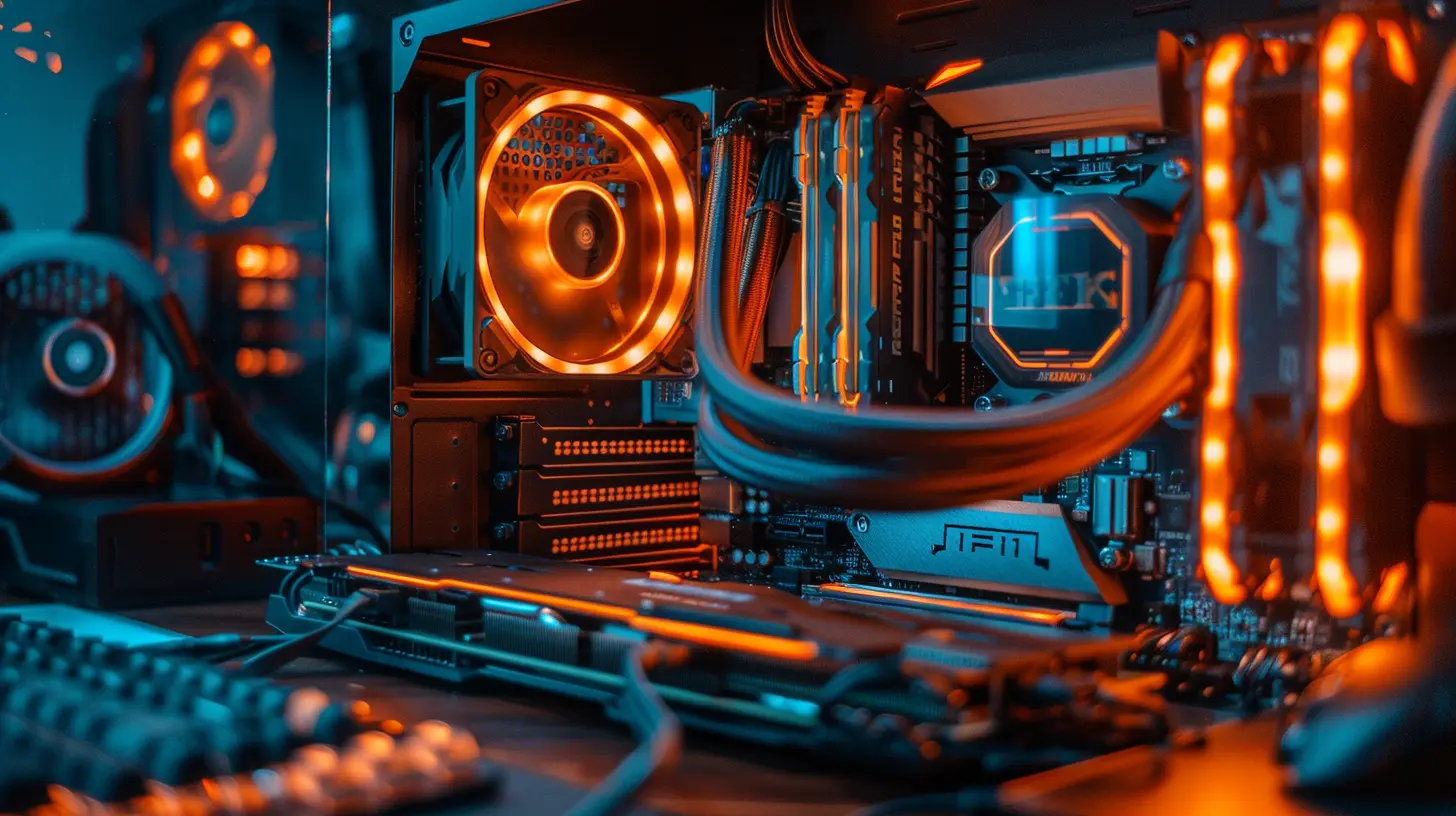
What Is Overclocking, and Why Does It Matter?
Before we geek out about the cooling system, let’s first lay the groundwork. Overclocking is essentially pushing your computer hardware—most commonly your CPU and GPU—beyond the manufacturer’s factory-set performance limits. Imagine you’ve got a car, and you tune the engine to go faster. That’s overclocking in a nutshell.For gamers, overclocking means squeezing out extra frames per second (FPS), smoother gameplay, and reduced input lag—all those factors that can give you a competitive edge. But here’s the rub: just like an engine running hot, overclocked components generate a ton of heat. Without proper cooling, things can spiral out of control quickly. That’s why we’re all about cooling solutions when it comes to pushing our machines to the limit. 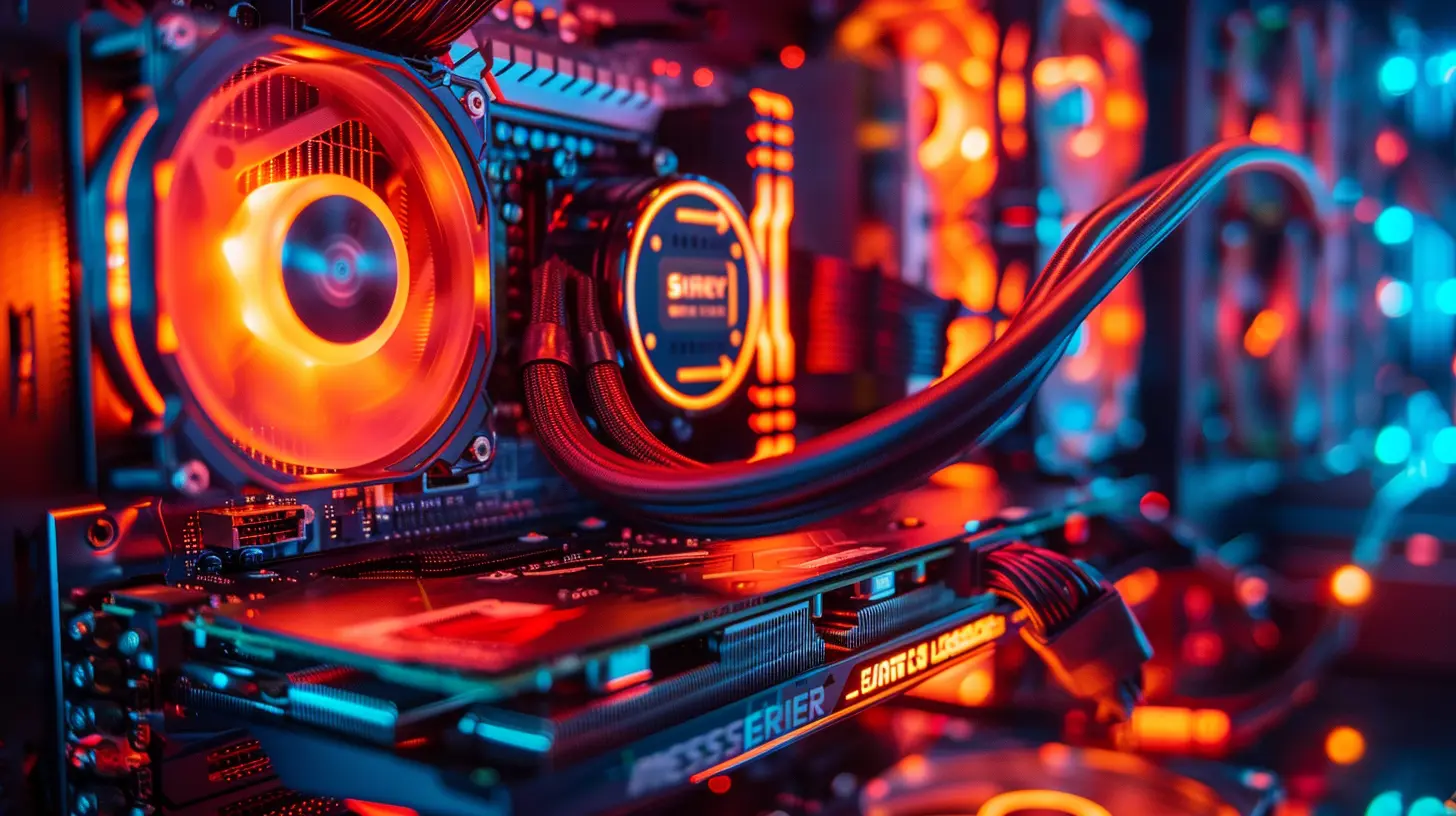
The Biggest Problem in Overclocking: Heat
Picture this: you’re deep into an intense gaming session, your screen is lit with explosions and fast-paced action, and suddenly... boom. Your system crashes. It’s like your PC just rage quit. What happened there? Most likely, your hardware overheated.Heat is the kryptonite of overclocking. When you overclock, your CPU or GPU operates at higher speeds, drawing more power and converting that energy into heat. If left unchecked, this heat can lead to thermal throttling (where your hardware slows itself down to avoid damage) or even permanent damage to your components.
Traditional cooling solutions like air coolers or basic liquid coolers do a decent job, but as overclocking becomes more aggressive, even these systems can struggle to keep up. That’s where the new cooling system we’re about to discuss comes into play—a true game changer for anyone who’s serious about pushing their hardware to its full potential. 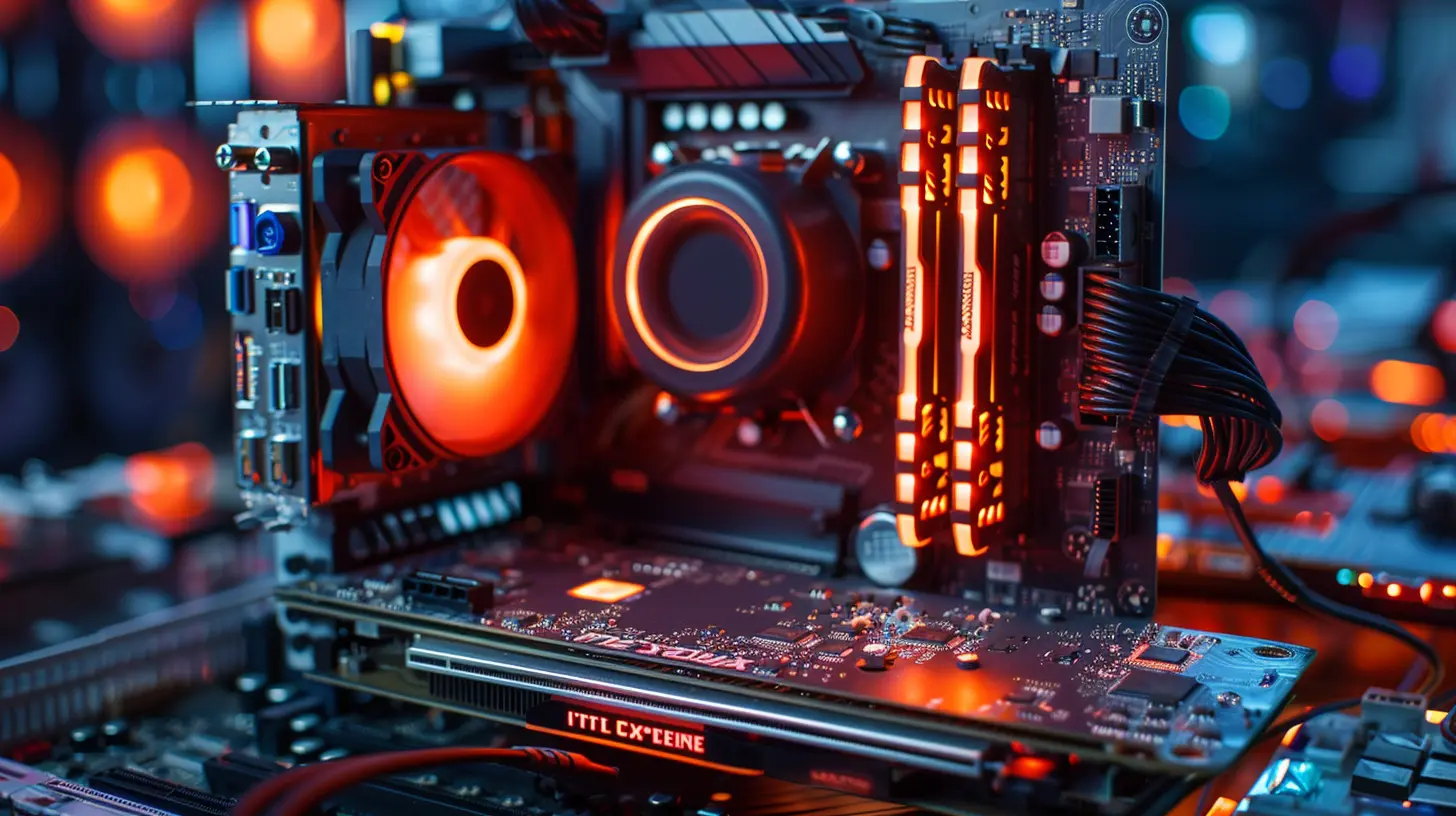
Enter the New Cooling System: What’s the Hype All About?
So, what’s new about this cooling system that has everyone talking? In short: it’s innovative, efficient, and optimized specifically with overclockers in mind. Let’s break down the key features.1. Revolutionary Phase-Change Technology
This new cooling system doesn’t stick to the same old air or liquid cooling methods. Instead, it uses a technology called phase-change cooling. Sounds fancy, right? It kind of is! Phase-change cooling works by turning a refrigerant from liquid to gas (just like your fridge at home), which absorbs enormous amounts of heat during the process. Once the heat is removed, the gas turns back into liquid, and the cycle repeats.What does that mean for you as a gamer? It means your components can stay crazy cool even when you're overclocking them to insane speeds. We’re talking sub-zero temperatures here—no joke.
2. Dynamic Temperature Management
Here’s where things get interesting. This new system comes with intelligent controls that dynamically adapt to your hardware’s temperature in real time. It’s like having a thermostat that knows exactly when to turn the heat down without you having to babysit it.For overclocking enthusiasts, this is huge. Why? Because stable temperatures are critical for maintaining consistent performance, especially during long gaming sessions or demanding benchmarks. No more thermal spikes, no more throttling—just rock-solid stability.
3. Silent Operation
Let’s be real: no one wants their gaming rig to sound like a jet engine. That’s why this cooling system is designed to be ultra-quiet. Unlike traditional solutions that rely on high-RPM fans, this system minimizes noise without sacrificing performance. It’s so quiet that you might forget it’s even there—until you check your temperatures and see how cold your components are running!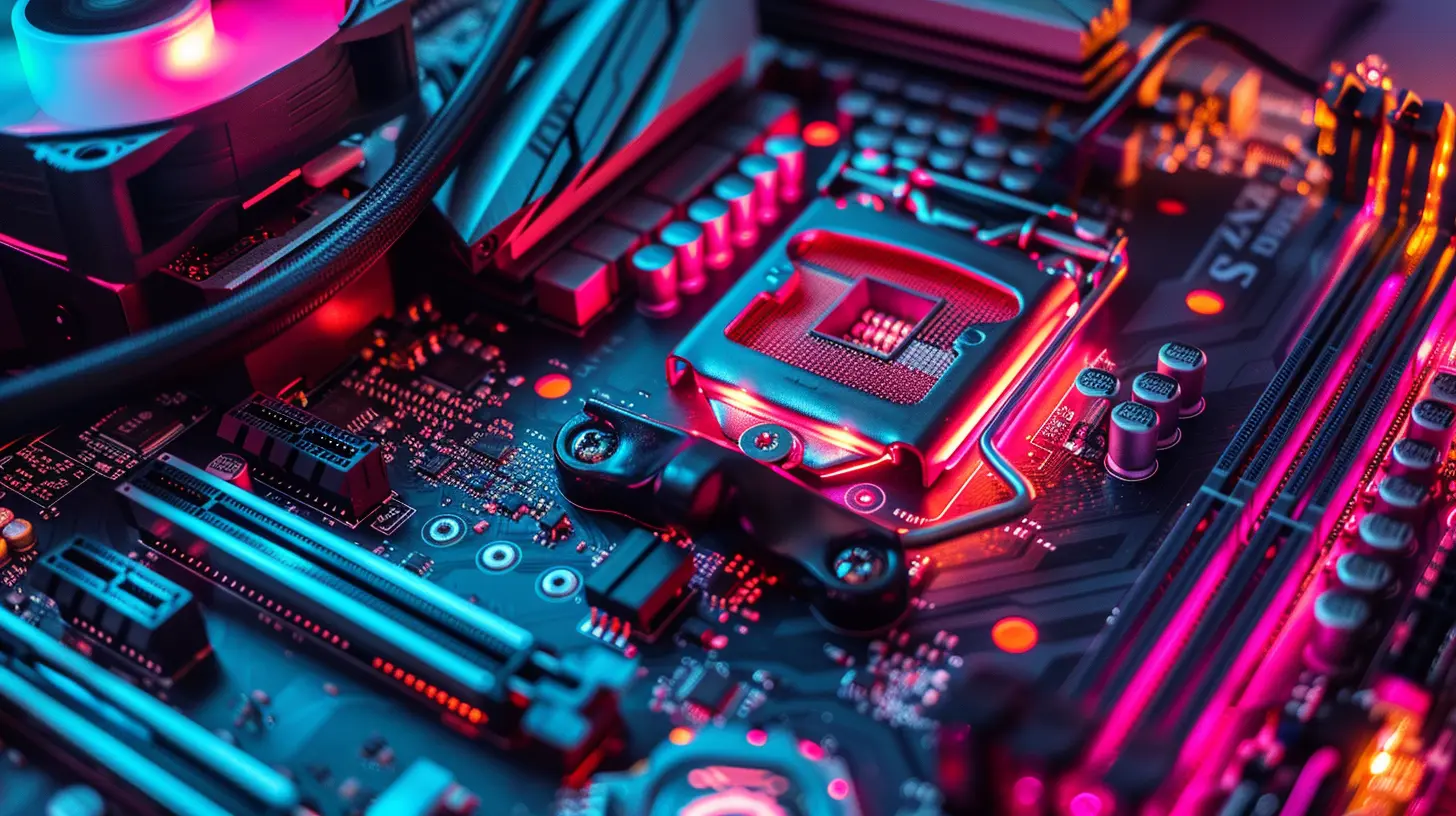
How Does This Affect Overclocking for Gamers?
Now that we know what makes this cooling system special, let’s answer the big question: how does it actually affect overclocking performance? The short answer? It’s a game changer. Let’s explore why.1. Push Your Hardware Further Than Ever Before
With traditional cooling, overclocking is always a balancing act. You want to crank up the performance, but you’re constantly worried about heat creeping up and frying your system. This new cooling system removes that obstacle entirely. With temperatures often dipping below zero, you can push your CPU and GPU to levels that were previously unattainable without custom setups like liquid nitrogen (which, let’s face it, is not practical for everyday gamers).2. Longer, More Stable Gaming Sessions
Ever notice how your rig starts to feel sluggish after a couple of hours of gaming? That’s heat buildup at work. With this new cooling system, your hardware stays frosty no matter how long you play. Whether you’re grinding ranked matches, streaming, or taking on marathon playthroughs, you’ll never have to worry about performance taking a nosedive.3. Future-Proof Your Rig
Let’s not forget that gaming hardware is evolving rapidly. CPUs and GPUs are becoming more powerful—and, you guessed it, hotter. By investing in this advanced cooling system, you’re future-proofing your rig for the next generation of hardware. When everyone else is sweating over their temperatures, you’ll be sitting pretty with an ice-cold setup.The Downsides (Because Nothing's Perfect)
Okay, I hear you: “This sounds too good to be true. What’s the catch?” Fair question. While this cooling system is undeniably impressive, there are a few considerations to keep in mind.1. Cost
Let’s not beat around the bush—this technology isn’t cheap. Phase-change cooling systems are a premium option compared to traditional air or liquid coolers. However, for serious overclockers and gamers who demand the best, the investment might be worth it.2. Installation Complexity
If you’re used to slapping a fan on your CPU and calling it a day, this is a whole different ballgame. Installing a phase-change cooling system requires a bit of expertise, and it may feel intimidating if you’re not experienced with PC builds. But hey, nothing worth having comes easy, right?Who Should Consider This Cooling System?
Not every gamer needs this level of cooling, but for certain groups, it’s a no-brainer:- Hardcore Overclockers: If you live for squeezing every last drop of performance out of your hardware, this system is your new best friend.
- Streamers and Content Creators: Consistent performance matters when you’re multitasking between gaming and streaming. This cooling system ensures you can do both without breaking a sweat.
- Future-Proofing Enthusiasts: If you’re the type to invest in top-tier hardware that will last you for years, this is an excellent addition to your setup.
Final Thoughts
This new cooling system isn’t just an incremental upgrade—it’s a leap forward for gamers who demand the absolute best. By keeping temperatures low and performance high, it redefines what’s possible when it comes to overclocking. Sure, it’s a bit pricier and more complex than traditional solutions, but for those who are serious about gaming, it’s a game changer.So, are you ready to give your rig a frosty makeover? Your hardware will thank you, and your gaming performance might just hit a new level you didn’t even know was possible.
all images in this post were generated using AI tools
Category:
Hardware ReviewsAuthor:

Leif Coleman
Discussion
rate this article
2 comments
Mabel Fields
Cooler means bolder overclocks—game on!
April 4, 2026 at 3:58 AM
Leif Coleman
Absolutely! Enhanced cooling allows for higher overclocks, unlocking greater performance potential for gamers. Game on!
Ariana Cross
In the heart of heat, a whispering breeze, New cooling wonders dance with ease. Gamers rejoice, as boundaries bend, Overclocking dreams, with power to send, A symphony of speed, where limits transcend.
March 28, 2026 at 5:14 PM
Leif Coleman
Thanks for the poetic take! The new cooling system really does elevate overclocking, allowing gamers to push their limits further than ever. Exciting times ahead!