The Modding Communities That Keep Games Alive
24 July 2026
Let’s be honest—some games just never die. Sure, official support ends, developers move on, and triple-A studios start chasing newer, shinier projects. But there's something magical that keeps a select few of our favorite titles going strong long after their “sell-by” date.
What is it?
Modding communities.
These passionate fan bases breathe new life into old titles, tweaking, upgrading, and downright transforming games in ways that sometimes even the original developers never dreamed of. They’re the unsung heroes of the gaming world, and today, we’re diving deep into how these vibrant modding communities keep games alive.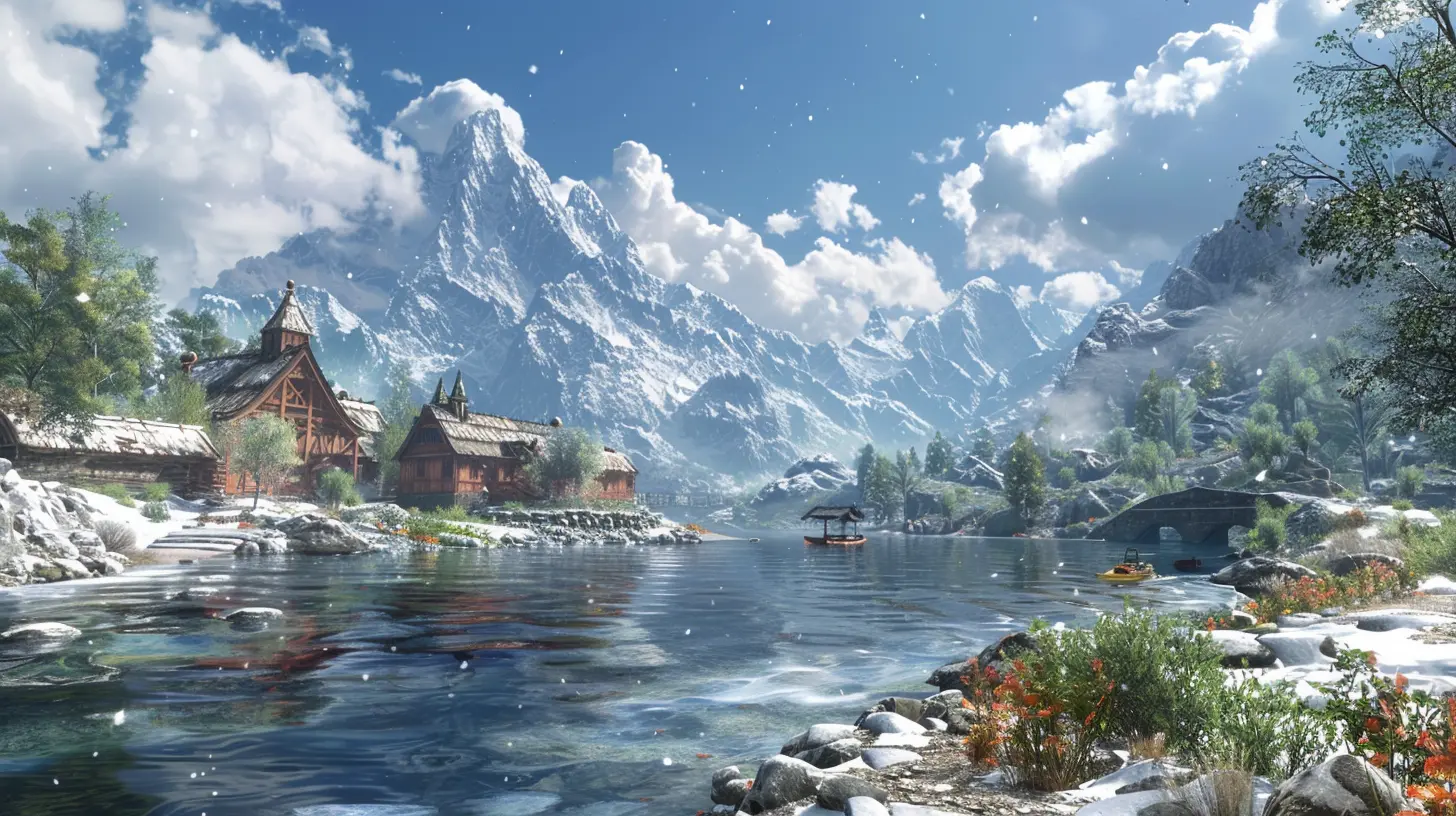
What’s Modding, Anyway?
Modding—short for “modifying”—is when players customize or enhance a video game. It could be as simple as changing a character's outfit or as complex as building an entirely new game within the original one (looking at you, Skyrim). Mods can change visuals, audio, gameplay mechanics, storylines, and so much more.And it’s not just for fun. Mods can fix bugs, improve graphics, and even overhaul entire user interfaces. In many cases, mods extend a game’s lifespan by decades.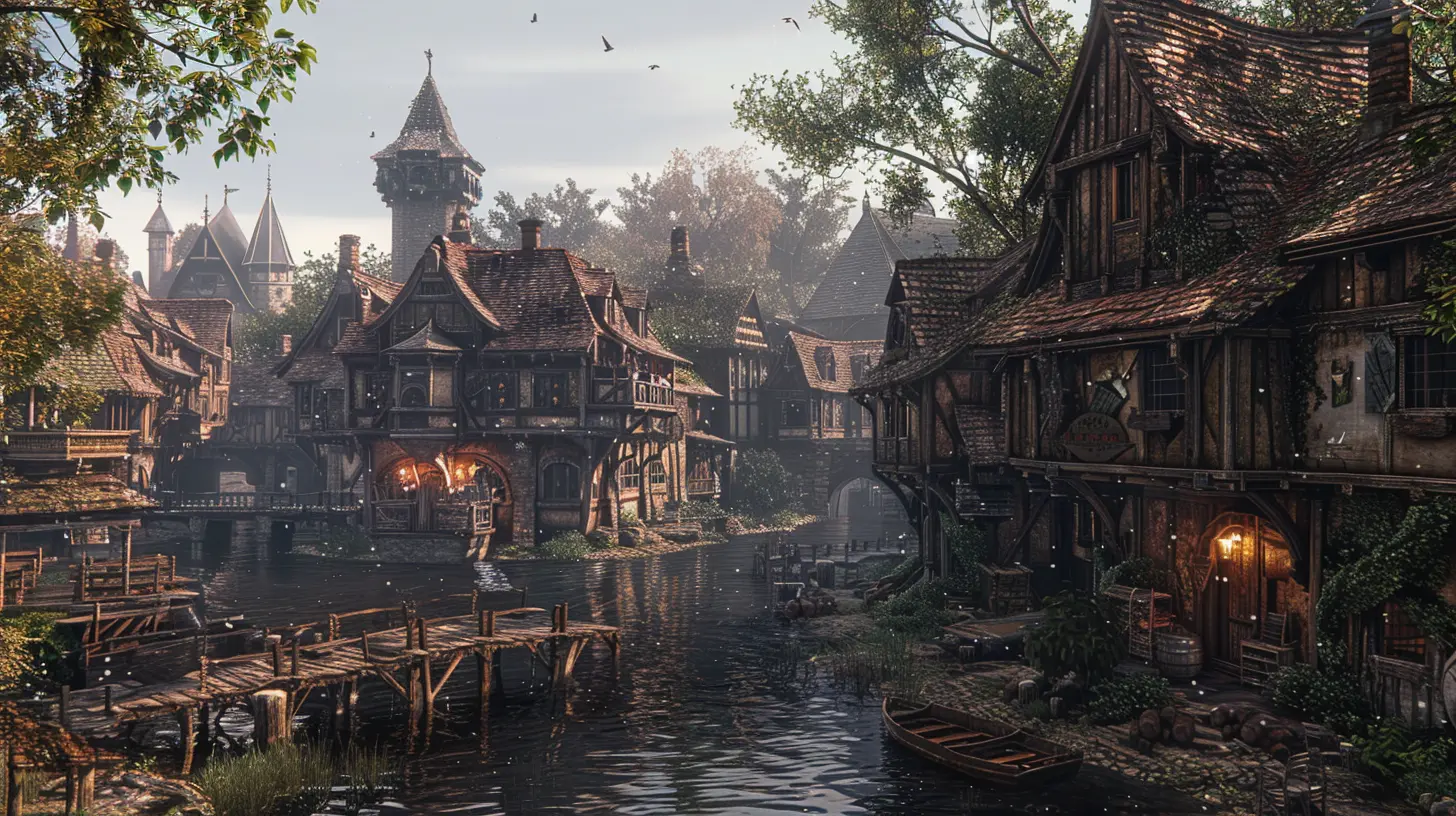
Why Do Players Mod Games?
Honestly? Because they care.Gamers who mod usually love the source material. A lot. So much that they want to improve it, tweak it, or reimagine it. Some might get into modding because they’re bored and want a challenge. Others just want their favorite game to look and feel fresh again.
Plus, let’s face it—who hasn’t wanted to ride a giant talking cheese wheel into battle or turn every dragon into Thomas the Tank Engine?
Okay, I’m joking... sort of.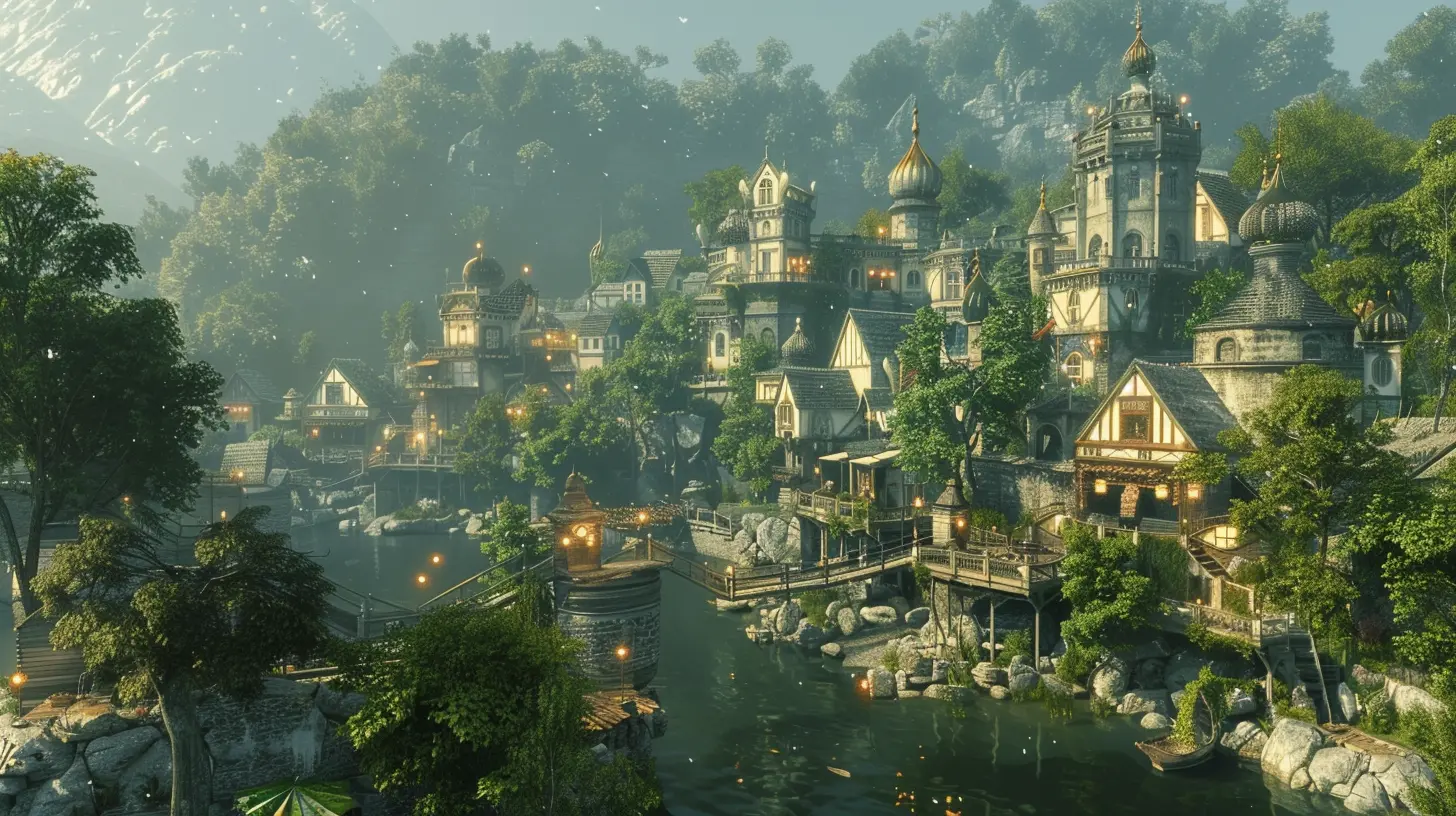
The Big Names in Modding Communities
Now, let’s take a look at some of the games with communities that basically keep the lights on long after the official parties have left the building.1. The Elder Scrolls V: Skyrim
If there’s a poster child for modding, it’s Skyrim. Released back in 2011, this game is still incredibly popular—largely thanks to its modding community.Modders have turned Skyrim into everything from a high-fantasy RPG to a modern-day survival sim. There are mods for ultra-realistic weather, full voice-over companions, expanded quests, new lands, improved combat systems—you name it.
In fact, some players have modded it so much that it barely resembles the vanilla version. And that’s the beauty of it.
> “Skyrim may grow old, but Skyrim mods are forever.”
2. Minecraft
Minecraft and modding go together like pickaxes and diamonds.From day one, players have been tweaking the game to add new mobs, power-ups, textures, and even dimensions. Entire gameplay mechanics have been introduced through mods—think of industrial automation, space exploration, or full-on RPG systems.
One of the most legendary mods? "Feed The Beast"—a collection of tech and magic mods bundled into one mega experience.
And here’s the kicker: Mojang (Minecraft’s developer) totally supports modding. That kind of endorsement has fostered one of the most innovative modding communities ever.
3. Grand Theft Auto V
GTA V isn’t just a playground for mayhem; it’s also been the canvas for some absolutely mind-blowing mods. From realistic graphics overhauls that make Los Santos look like real life, to absurd ones like playing as Iron Man or the Hulk—this is where chaos meets creativity.One legendary example? GTA RP (Roleplay servers). These mods transformed the game into a roleplaying engine like no other—complete with jobs, social rules, in-game economies, and police departments run by real players.
Yeah, modding turned GTA into a full simulation MMO.
4. The Sims Series
If you’re a Sims fan, you already know the modding scene is ?.Want more hairstyles? New furniture? Maybe careers or even supernatural creatures? Modders have got you covered.
Mods in The Sims 4 range from quality-of-life improvements to full-blown expansions that feel more polished than some official DLCs. It’s not just about content but also fixing what EA didn’t.
To be honest, mods are the reason many Sims players are still playing years later.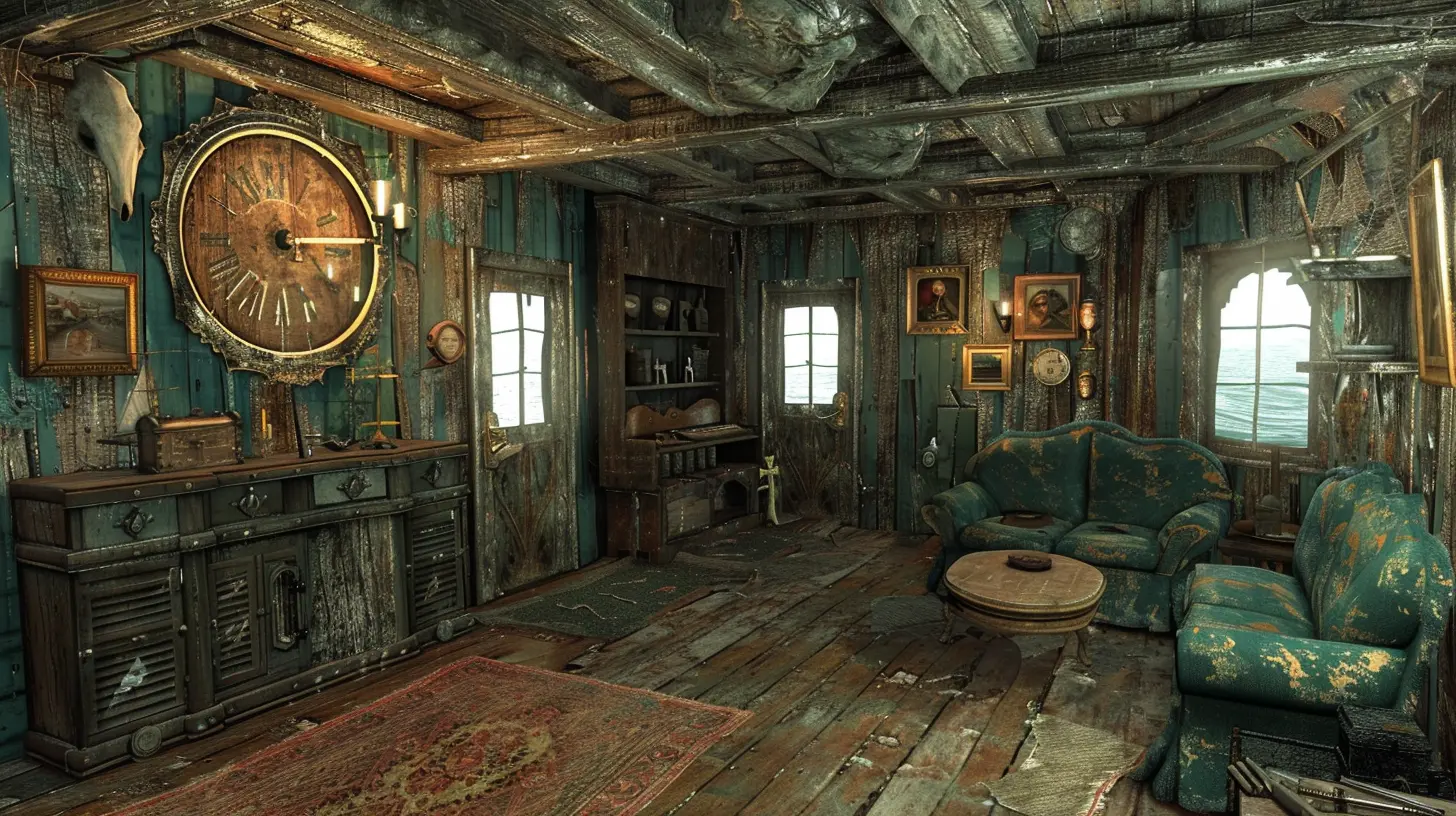
How Modding Keeps Games Alive
So we’ve talked about the “what” and the “who.” Now let’s tackle the “how.” What is it about modding communities that brings games back from the dead?✨ 1. Constant Innovation
Games get stale. That’s just a fact. No matter how great a game is, you’ll eventually feel like you’ve seen it all.Modding is the antidote to that.
Modders are constantly cooking up new ideas. From graphics upgrades to entirely new story arcs, there’s always something fresh for players to jump into.
Think of mods like home-cooked meals. The official game is the store-bought version—it’s good, but mods add that flavor and creativity you just can’t buy.
? 2. Fixing What the Devs Can’t (or Won’t)
Let’s be real—some studios stop patching their games, even if there are still bugs and balance issues.That’s where the modding community swoops in with unofficial patches, balance tweaks, and performance fixes.
Skyrim’s “Unofficial Patch” mod is a perfect example. It fixed hundreds of bugs Bethesda never got around to. That kind of dedication can turn a good game into a great one.
?️ 3. Customization = Personalization
People love making something their own. Mods let you do that.Whether it’s customizing character appearances, building dream homes, or creating the ideal user interface—mods give players the freedom to tailor their experience.
It’s like taking a mass-produced product and turning it into something uniquely yours. And that keeps players engaged for the long haul.
? 4. Content That Keeps Coming
Games with active modding communities have what we call “infinite replayability.”Don’t like the current version? Install a new set of mods. Want a tougher challenge? Download a hardcore overhaul. Bored of the main story? Dive into community-made quests.
You don’t need to wait for a new sequel or DLC—the community has you covered.
The People Behind the Magic
It’s easy to think of modders as just hobbyists with too much time on their hands. But honestly, many of them are incredibly skilled—some even go on to land jobs in the gaming industry.Modding serves as a fantastic gateway into game design. It’s where passion meets practice.
And let’s not forget the community managers, testers, and forum moderators—these folks keep things running smoothly behind the scenes. It’s a whole ecosystem of creativity.
When Modding Goes Mainstream
Here’s something cool: some mods become so influential that they go mainstream.Take "Counter-Strike"—originally a mod for Half-Life. Or "Dota," which started as a Warcraft III map. These mods gave birth to entirely new genres.
Even devs have caught on. Games like "Cities: Skylines" and "Stardew Valley" build in mod support from the start. Studios know that giving players tools to create means the game lasts longer—and builds a stronger community.
The Dark Side of Modding (Yeah, There’s One)
Okay, it’s not all sunshine and dragon-riding unicorns.Modding isn’t always easy or straightforward. Some devs lock down their games, making modding tough or even impossible. Others allow it but don't provide proper tools or documentation.
Plus, mods can break your game if you're not careful. Compatibility issues, crashes, or corrupted saves—yep, all part of the deal.
But honestly? The rewards are worth the risks. And most communities provide guides, tutorials, and forums to help newbies get started.
Want to Get Into Modding?
If all this mod talk has got your creative wheels turning, here’s how to dip your toes into the modding waters:- Start small: Try installing a few mods first to understand how they work.
- Use trusted sources: Nexus Mods, ModDB, and Steam Workshop are goldmines.
- Read the instructions: Seriously, avoid the temptation to skip over them.
- Join the community: Reddit, Discord, and modding forums are full of helpful folks.
- Try creating your own: There are tons of tools and tutorials to guide you!
Remember, every legendary modder started as a passionate player.
Final Thoughts
Modding communities aren’t just fan clubs—they’re the soul of some of the most enduring games we’ve ever played. They take what developers created and push it to incredible new heights.Whether you’re a player looking to spice up your favorite title, or someone with a burning idea for a game tweak, modding is your playground. It’s where creativity thrives, and where games live forever.
So next time you boot up a 10-year-old game and it still feels fresh, thank a modder.
all images in this post were generated using AI tools
Category:
Game ModsAuthor:

Leif Coleman
Discussion
rate this article
2 comments
Nell Jennings
Modding communities are the heartbeat of gaming; without them, many titles would die.
October 17, 2026 at 4:51 AM
Dulce Patterson
Modding communities are the heartbeat of gaming passion!
July 26, 2026 at 4:01 AM
Leif Coleman
Absolutely agree! Modding communities bring creativity and keep games fresh long after release.