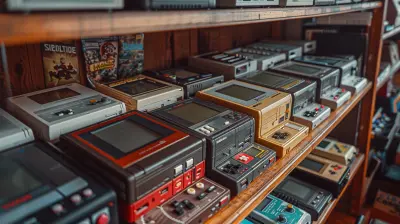
The Future of Education in the Hands of Game Developers
16 August 2026
Let’s be real—education has been due for an upgrade for decades. Most kids today don't get excited about chalkboards and textbooks. But give them a controller or a smartphone? Boom—they’re instantly immersed, focused, and even… learning? That’s right. The future of education isn’t just in classrooms or lecture halls—it’s getting reshaped pixel by pixel by the people you'd least expect: game developers.
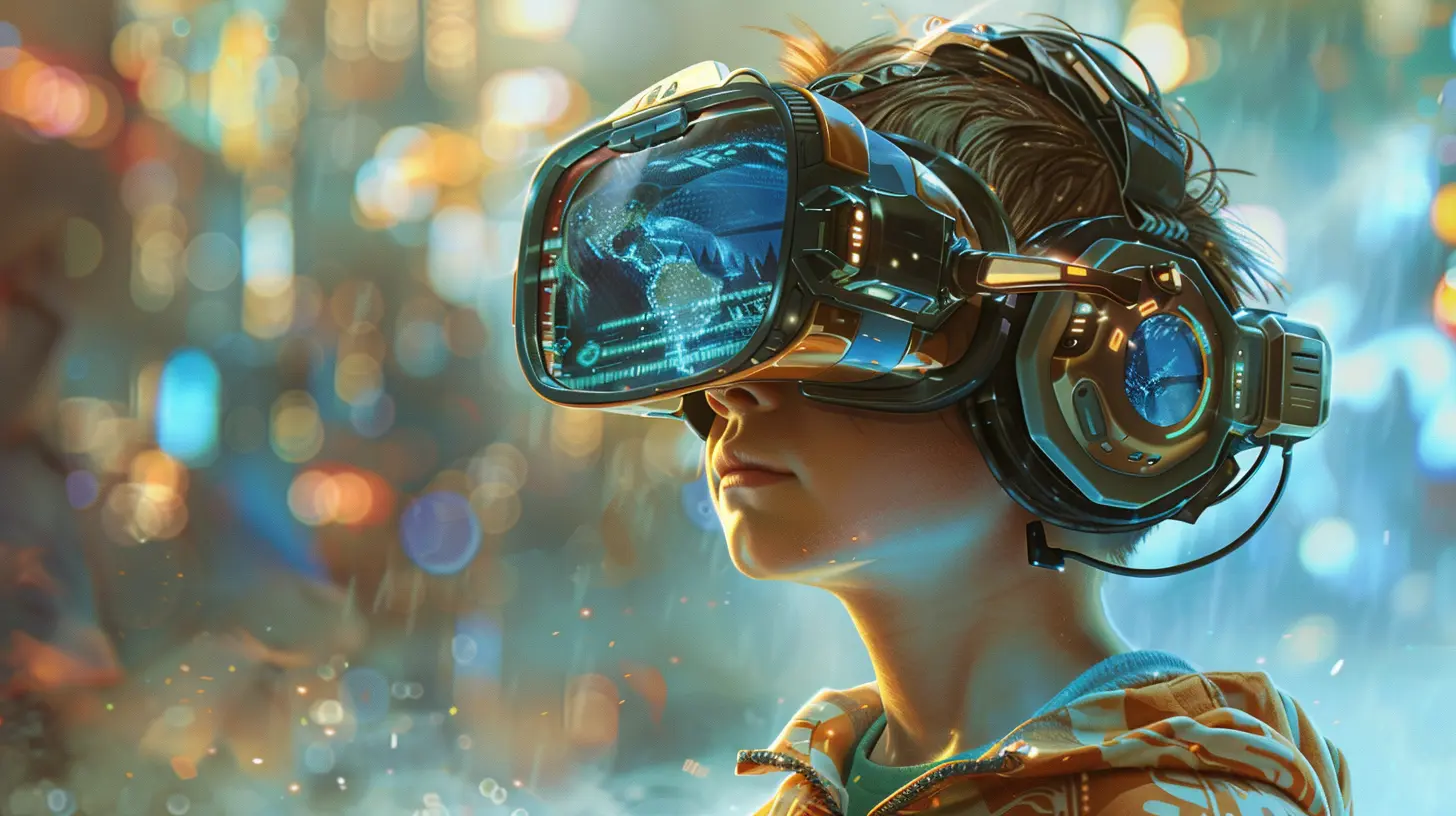
Wait, Game Developers? Really?
Yes, really. Think about it. Game developers are masters of engagement. They know how to capture attention, motivate players, and build worlds that people happily get lost in for hours. What if those same mechanics were used to create lessons that kids actually wanted to sit through? Sounds like a cheat code to better education, right?Let’s dive into how this is already happening… and why it’s just the beginning.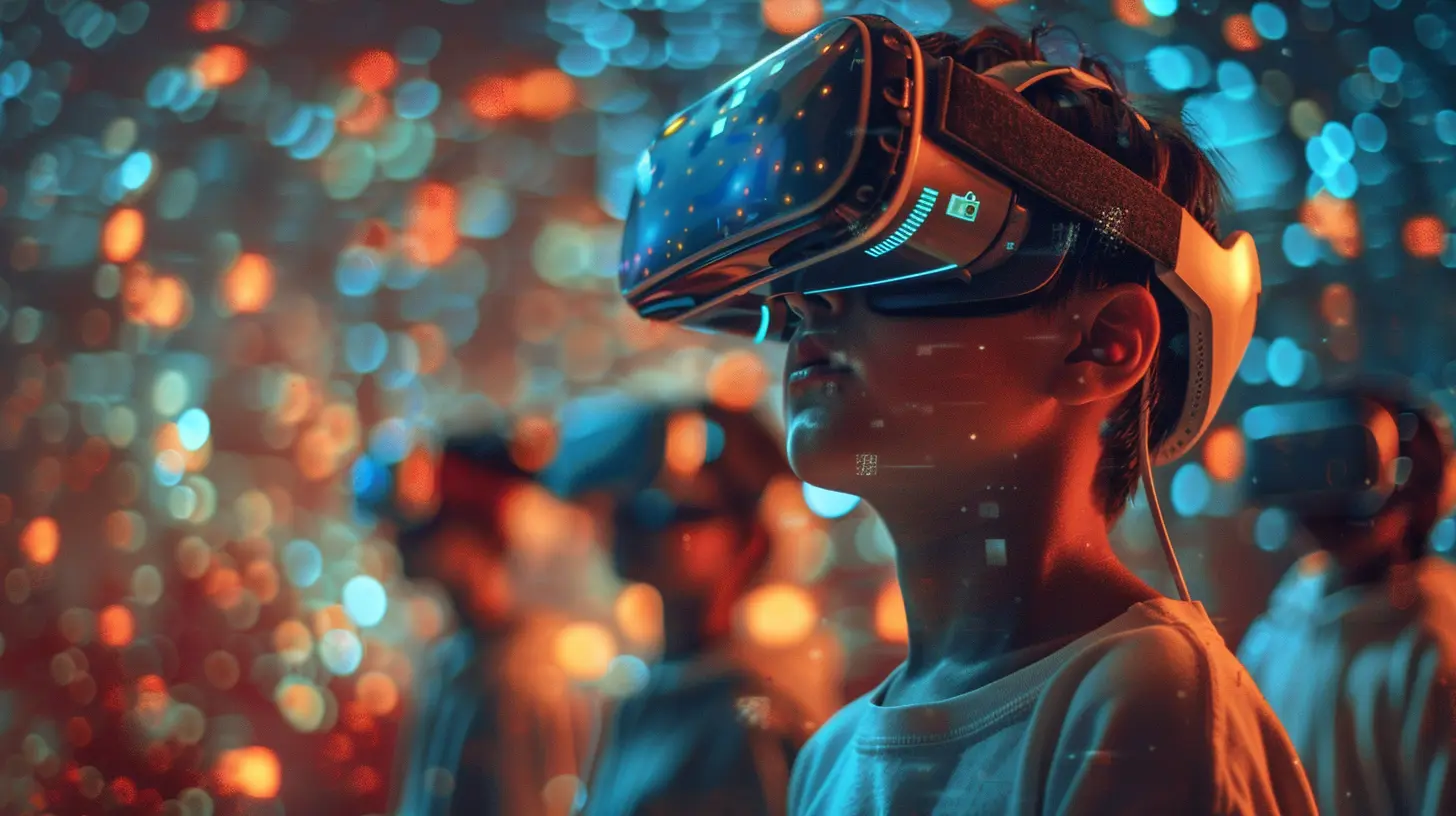
The Gaming World Has Already Sneaked Into Classrooms
Even if you haven’t noticed, games are already making waves in education. Remember “Oregon Trail” or “Math Blaster”? These were early attempts at educational gaming. Fast-forward to today, and we have platforms like:- Minecraft: Education Edition – Teaching coding, teamwork, and even history.
- Roblox Education – Letting students design games while learning logic and design thinking.
- Kahoot! – Turning quizzes into competitive, fast-paced challenges.
These aren't just "fun distractions." They're proof that when learning feels like play, retention shoots up, and students genuinely engage.
Why Games Work So Well for Learning
1. Motivation Through Instant Feedback
In most classrooms, you do an assignment, turn it in, and wait days to see how you did. In games? You know right away if you’re doing well or failing. That feedback loop is powerful. It encourages players (aka students) to adapt, try again, and keep pushing forward.2. Safe Spaces to Fail
Games give players multiple lives, checkpoints, and “try again” buttons. That safety net encourages risk-taking—a critical part of deep learning. In contrast, many students fear failure because it feels permanent. Game-based learning flips that on its head.3. Customized Learning Paths
Modern games are masterful at adjusting difficulty based on how players perform. Imagine if every student had a learning experience tailored to their skill level and pace. Game developers already do this perfectly with adaptive AI and player tracking.4. Storytelling That Sticks
Games often have immersive stories that players remember for years. Why not wrap educational content in a compelling narrative? Want to teach history? Let a student play through the French Revolution. Studying ecosystems? Build a survival adventure where choices impact the virtual environment.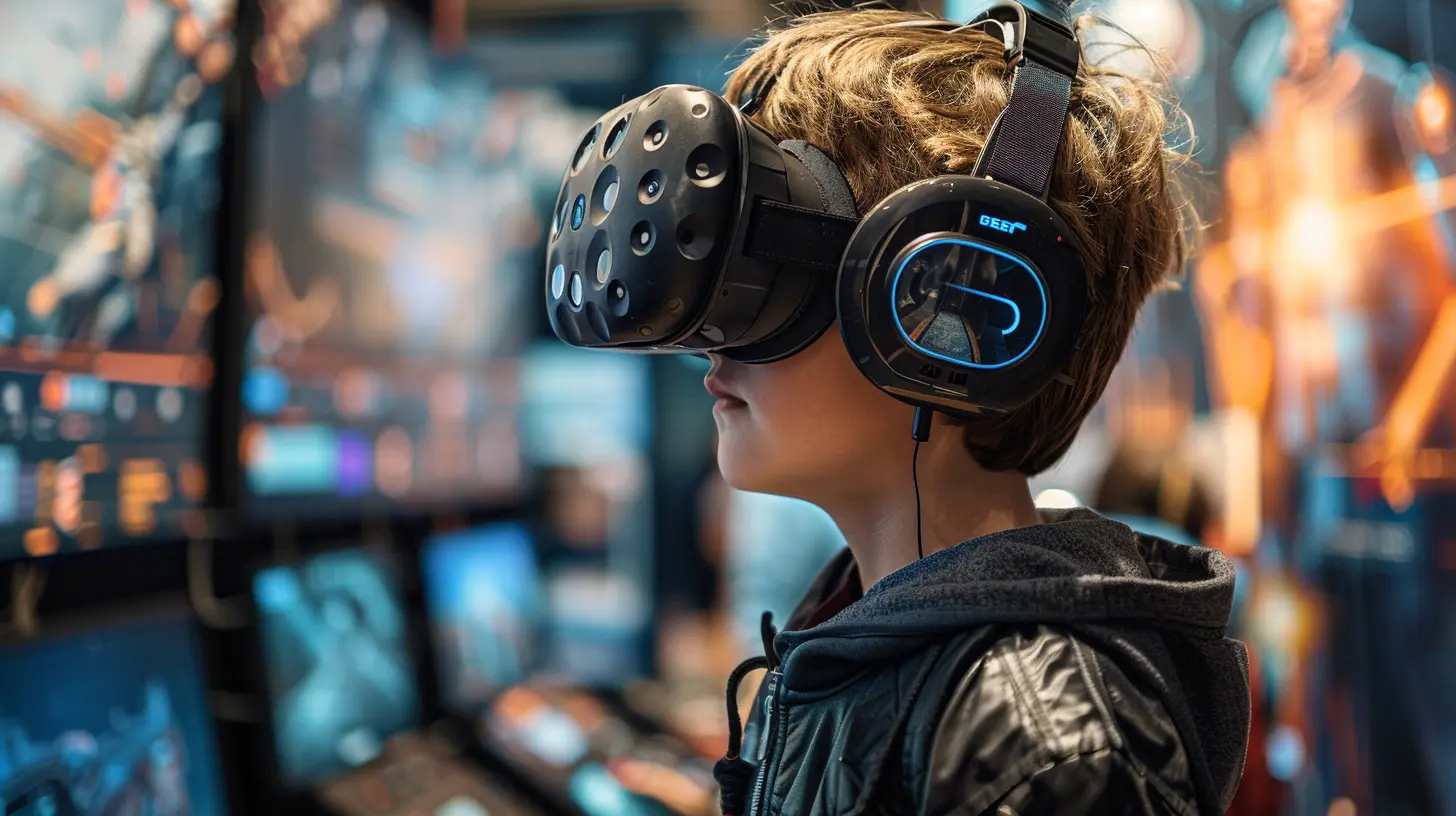
Game Developers Think Differently—And That’s a Good Thing
Here’s where it gets exciting. Educators are experts in knowledge. Game developers? They’re experts in how people engage with content. Combining both creates something magical.Game designers understand:
- User experience (UX) – Making sure things are intuitive and enjoyable.
- Retention mechanics – Like unlockables, levels, and achievements to keep people coming back.
- Emotional engagement – Making players care about what happens next.
All of this can be translated into educational tools. Instead of lectures, you get missions. Instead of exams, you complete quests. You’re not just grading memorization; you’re evaluating problem-solving, creativity, and resilience.
The Rise of Gamified Learning Platforms
We're already seeing a wave of platforms taking full advantage of this crossover:- Duolingo – This language-learning app feels like a game. You earn XP, level up, and keep a streak going. It’s simple, addictive, and incredibly effective.
- Prodigy – A math RPG that turns solving equations into casting spells and defeating monsters.
- Classcraft – A classroom management system that uses RPG mechanics to motivate student behavior and collaboration.
These are just the opening moves. Imagine when AAA-level developers start collaborating directly with educators to create massive, immersive education games. We’re talking about learning that looks and feels like “The Legend of Zelda” or “The Sims”—but you’re actually acquiring real-world skills.
The Metaverse and VR: Leveling Up Education
Let’s talk tech. The line between digital and physical is getting blurry, and that’s opening doors to game-based learning like never before.Virtual Reality (VR) and Augmented Reality (AR)
Game developers have been pioneering VR for years. Now, imagine a biology lab where students can walk through a human heart or a chemistry class where reactions happen in 3D in midair. With tools like Oculus, Unity, and Unreal Engine, these experiences are becoming common in progressive classrooms.Metaverse Classrooms
Thanks to games like Fortnite and platforms like Roblox, we know virtual social spaces work. Students can meet, collaborate, and create together—even if they’re across the world. In these shared digital spaces, learning can become a collective adventure.Real Skills for a Real World
One of the biggest wins of game-based education is how it aligns with real-world skills. It’s not just about memorizing facts anymore.Games can teach:
- Collaboration – MMO raids and co-op missions require teamwork.
- Critical Thinking – Puzzle-solving and strategy games sharpen the mind.
- Coding and Logical Thinking – Games like Scratch, Roblox, and Minecraft introduce logic in fun ways.
- Creativity – Designing levels, characters, and storylines fosters imagination.
These are the exact skills employers are looking for in the 21st century. If kids can learn them through games, why not lean into that?
What Role Do Game Developers Play?
So why place this responsibility on game developers? Because they have the tools, talent, and insight to design experiences people want to participate in.Developers already know how to:
- Build habit-forming mechanics
- Tell engaging stories
- Design adaptive challenges
- Work with cutting-edge tech (VR, AI, AR)
They can take curriculum content and wrap it in an irresistible package. Imagine a team made up of teachers, psychologists, and game developers working together. One knows the material, one understands the mind, and one knows how to turn it all into a ride you can’t put down. That’s the dream team.
Challenges to Watch Out For
Of course, this isn't a walk in the park. There are hurdles.- Equity and Access – Not all students have access to high-end devices or fast internet.
- Screen Time Concerns – More screen time can be a double-edged sword.
- Balancing Fun and Learning – A game that's too fun might skimp on the learning; too educational, and you lose the player.
But honestly? These challenges can be addressed with thoughtful design and collaboration. It all comes down to keeping students at the center.
So… What’s Next?
The ball is rolling. Education is already getting gamified, but we’re still in the early levels. The true transformation will come when schools, parents, and publishers ditch the outdated "games are bad for learning" mindset.Instead, let’s recognize the potential here. If kids are already spending hours a day gaming, why not redirect that energy toward something productive? With the right game mechanics, you could teach calculus, ethics, even diplomacy—all while keeping students more engaged than they’ve ever been with a textbook.
Final Thoughts: The Power-Up Education Needs
Education shouldn’t be about memorizing and regurgitating. It should be about discovering, exploring, building, and problem-solving. And who knows that better than game developers?The future of education isn't sitting quietly in a chair taking notes. It's running across a digital landscape, solving challenges, collaborating in real-time, and having fun while doing it. With game developers behind the wheel, we’re looking at a world where “leveling up” could mean actually becoming smarter, more skilled, and more prepared for real life.
So, let’s pass the controller to the game devs for a while—and see where they take us.
all images in this post were generated using AI tools
Category:
Educational Value Of GamesAuthor:

Leif Coleman
Discussion
rate this article
1 comments
Felicity McRae
Exciting times ahead! Game developers have the potential to transform education in creative ways. Can't wait to see what unfolds!
August 25, 2026 at 3:16 PM
Leif Coleman
I share your excitement! Game developers have a unique ability to make learning engaging and fun. It will be fascinating to see the innovations they bring to education.