Why Teachers Are Turning to Video Games in the Classroom
10 September 2026
Let’s face it—times have changed. Remember when chalkboards, textbooks, and hand-graded quizzes ruled the classroom? Well, those days are slowly going the way of floppy disks and dial-up internet. More and more teachers are now turning to video games to boost student engagement and learning—and no, it’s not about just letting kids go wild with Fortnite during math class.
Educators across the globe are waking up to something that gamers have always known: video games are powerful. They’re interactive, immersive, and honestly, just plain fun. So, let’s dive into why these pixel-packed tools are making such a big splash in modern education.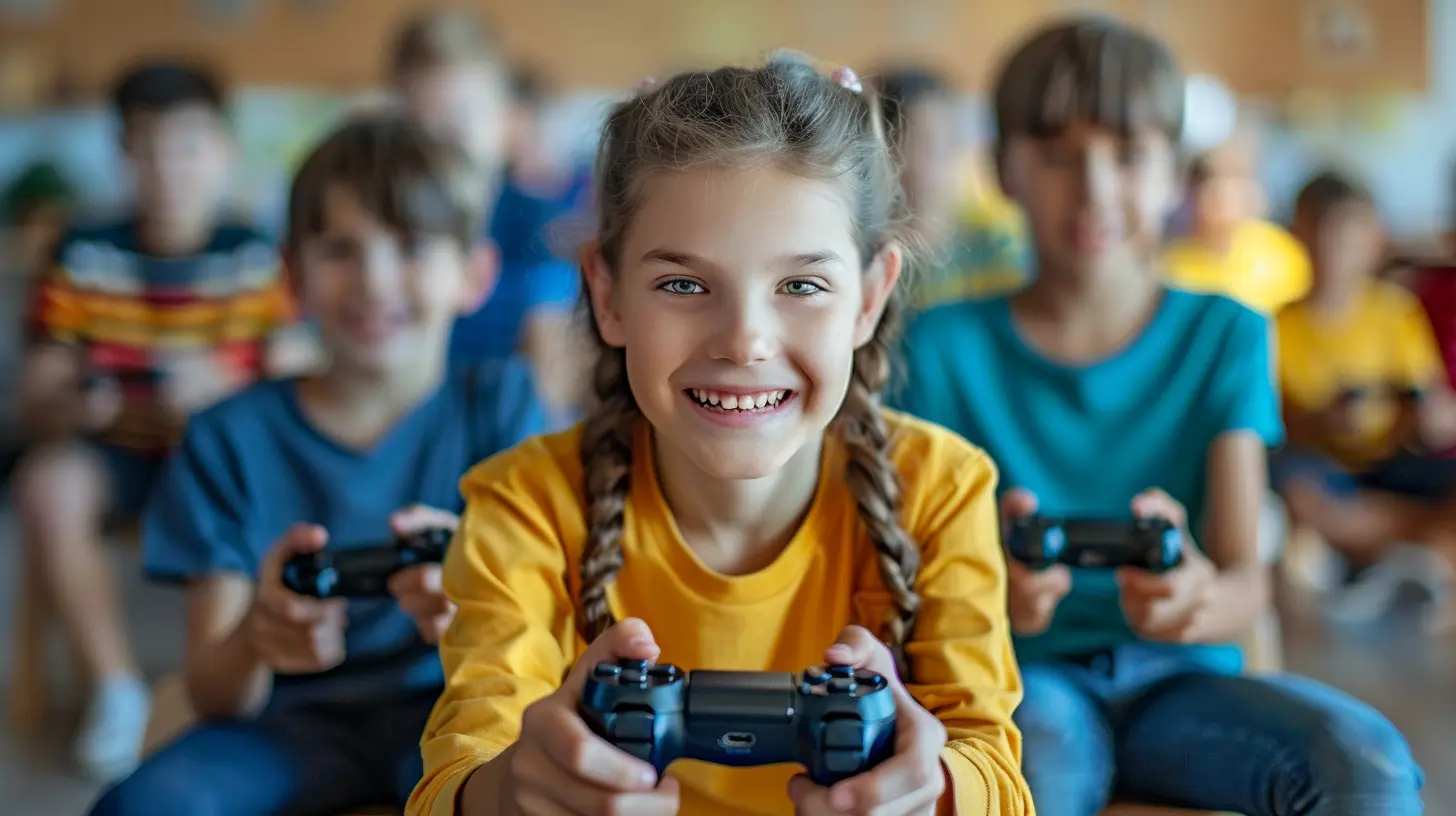
Gaming in the Classroom? Yup, It’s Real!
You might be thinking, “Wait, why on earth would a teacher use something like Minecraft or Roblox during a lesson?” It’s a fair question—but it’s also one with a surprisingly logical answer.Video games are more than just entertainment. Many are designed with problem-solving, critical thinking, and collaboration built right in. That’s kinda what education is about too, right?
The Link Between Fun and Learning
Let’s be real—students are glued to their screens anyway. So why not meet them where they already are? Used correctly, video games can:- Encourage curiosity
- Provide instant feedback
- Support repetitive practice without boredom
- Allow for safe failure and retry
- Promote teamwork and communication
All of these are gold for any teacher trying to get their class to actually want to learn.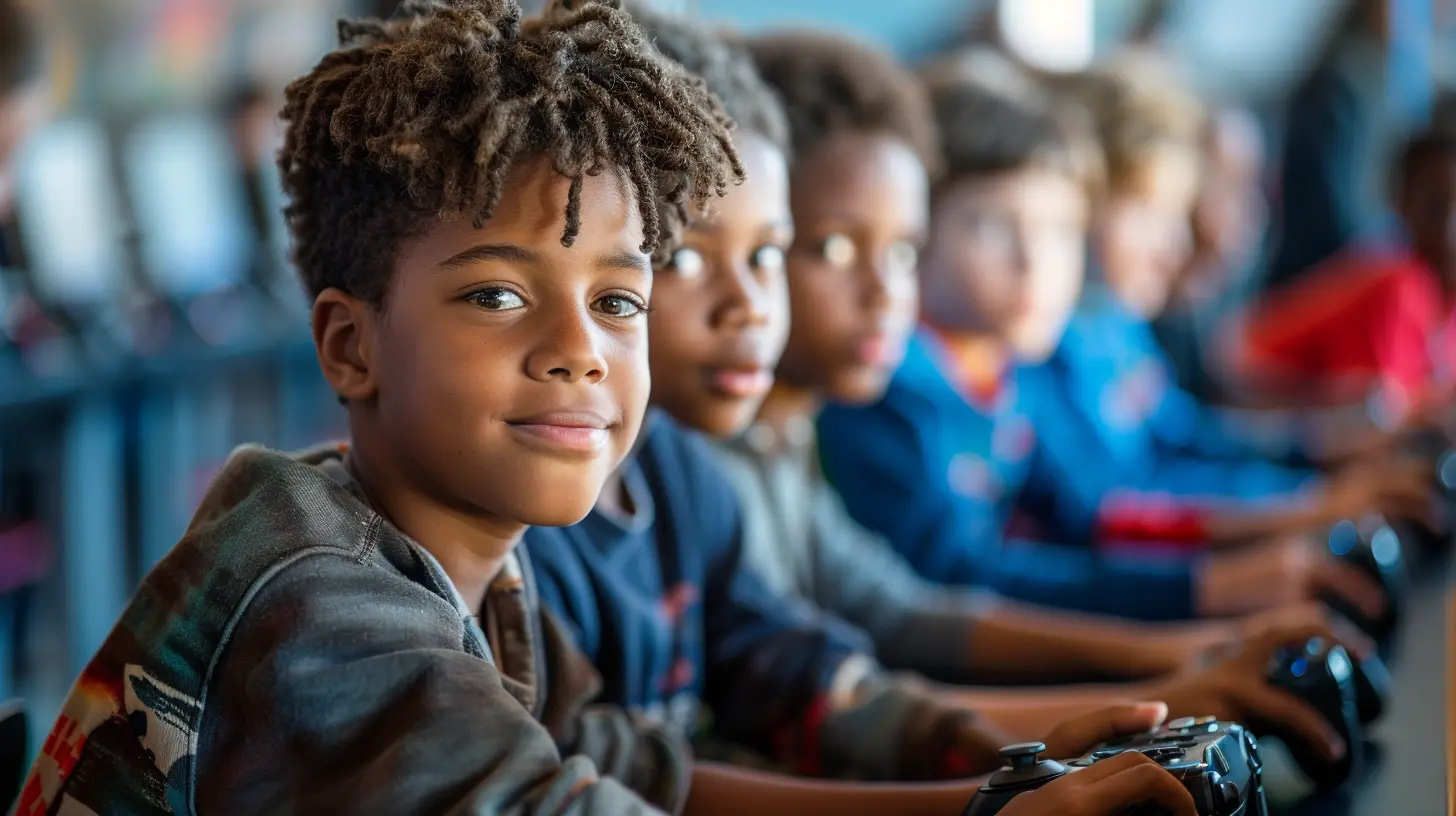
Gamification vs. Game-Based Learning
Okay, small detour for a quick vocab check.Gamification is when typical classroom activities are made more game-like. Think point systems, leaderboards, badges—basically turning your math test into a quest.
Game-based learning, on the other hand, is when educators use actual video games as the primary tool to teach a subject. Like using Civilization to teach history or Kerbal Space Program to explain physics.
Both are awesome. Both are being used.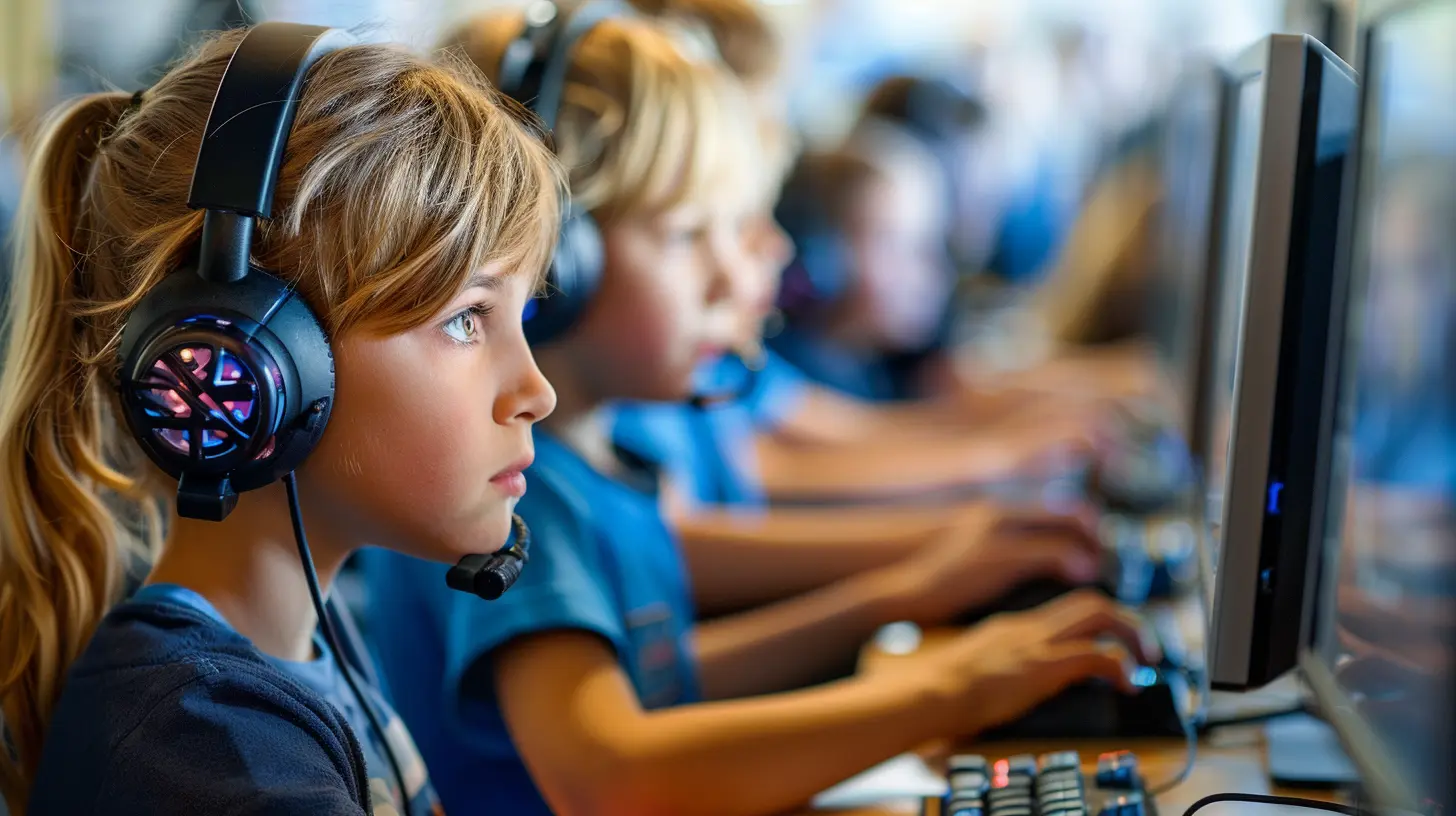
How Teachers Are Using Video Games
Now, let’s look at some real examples of how video games are being integrated into classrooms:? Minecraft: Build Your Way to Success
Minecraft Education Edition is blowing up in schools. Why? Because it’s ridiculously versatile. Teachers are using it to teach everything from math and architecture to storytelling and coding.Imagine learning about ancient Rome by actually building the Colosseum brick by brick. That hands-on experience sticks with students way longer than a bland paragraph in a textbook.
?? Kerbal Space Program: Rocket Science? No Problem
Yeah, rocket science is hard. But not when you're launching your own digital spacecraft in Kerbal Space Program. This quirky space flight simulator helps students grasp concepts like velocity, gravity, and aerodynamics—all while laughing at their orbital disasters.? Among Us: Teaching Empathy and Ethics
Believe it or not, games like Among Us are being used to teach social-emotional learning. When students play, they have to read body language (virtual, sure—but still), judge character, and navigate trust and betrayal. Kind of like a crash course in real-life politics, huh?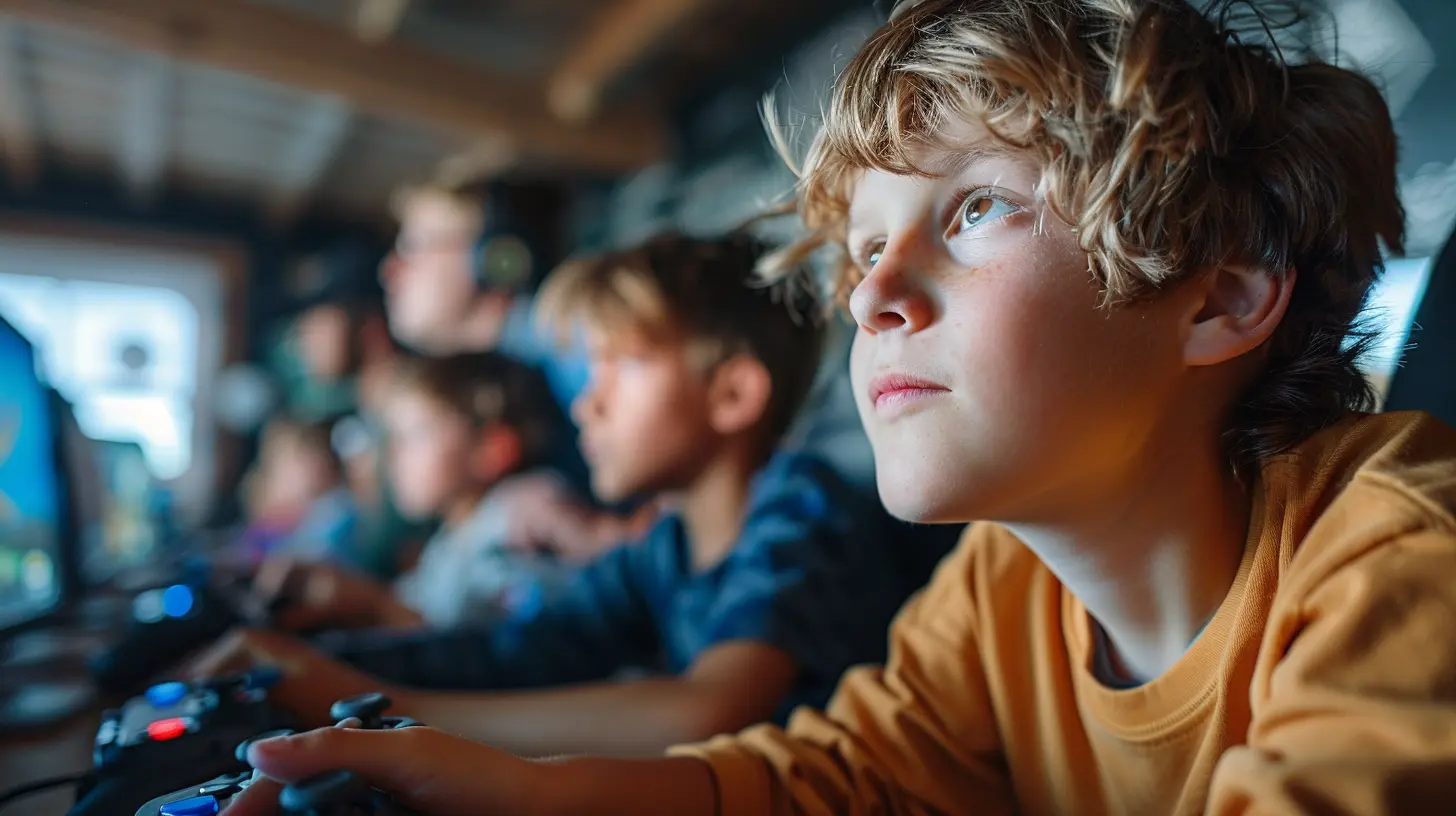
Why Teachers Love It
Let’s get into the nitty-gritty. Why are so many teachers waving the flag for educational gaming?1. Engagement Goes Through the Roof
We all know the pain of trying to keep a classroom focused. But throw a game into the mix? Boom—instant attention. Studies show that gamified lessons can boost engagement by 50% or more. And when students are engaged, they retain more. It’s that simple.2. It Fits Every Learning Style
Not all students learn the same way, right? Video games cater to visual, auditory, and kinesthetic learners all at once. Whether a student learns best by seeing, hearing, or doing—there’s a game for that.3. Immediate Feedback without the Shame
Traditional tests can be pretty intimidating. Fail a test? That’s it. But games let you fail, learn, and try again—without the stigma. It encourages resilience and persistence, which are key life skills.4. Promotes Collaboration and Communication
Multiplayer games force students to work together—plan, strategize, negotiate. When it’s done in the context of a shared mission or goal, it suddenly doesn’t feel like "group work" anymore.What About Screen Time Concerns?
Ah, the elephant in the room.Yes, screen time is a valid concern. But it’s not just about the quantity of time spent on screens—it’s about the quality of that time.
Would you rather a student spend 30 minutes aimlessly scrolling social media or 30 minutes building an ecosystem in Eco or learning physics in Portal?
It’s all about intentional use. Teachers using games aren’t replacing learning—they’re enhancing it.
The Pandemic Boosted EdTech (and Gaming)
Let’s not forget how the COVID-19 pandemic changed education. Remote learning became the norm overnight, and suddenly teachers needed tools that could keep students interested from home. Video games came to the rescue.From virtual field trips in Google Earth VR to working together in Classcraft, these tools kept the fire of curiosity burning—even in tough times.
Parents Were Skeptical—But That’s Changing
At first, parents were understandably wary. Video games? In school? It sounded like an excuse to slack off. But as more research piles up and success stories emerge, perspectives are shifting.Many parents now see video games as a way for their kids to:
- Develop real-world skills
- Stay motivated
- Enjoy learning again
It’s a win-win.
Challenges Teachers Face
Let’s not sugarcoat it—integrating video games isn’t all rainbows and Mario coins.Here are a few hurdles teachers face:
Tech Limitations
Not every school has iPads, gaming PCs, or fast internet. Budget and access remain big obstacles in some areas.Training and Support
Some teachers want to use games but simply don’t know where to start. There’s a learning curve, and professional development in this area is still catching up.Balancing Curriculum Requirements
Standardized testing and state-mandated curriculums can make it hard to squeeze in gaming. But with a bit of creativity, many are finding ways to embed it meaningfully.The Future of Video Games in Education
So where’s this heading?Most experts agree: video games are here to stay in the classroom. With AI-driven personalization, gamified learning paths, and VR-based simulations on the rise, we’re just scratching the surface.
Imagine a future where:
- Virtual chemistry labs make explosions totally safe
- History classes are taught through time travel adventures
- Language learners speak to NPCs in real-time using speech recognition
Sounds wild? Not really. That future is already in beta.
Final Thoughts
Let’s cut to the chase: video games in the classroom aren’t a distraction—they’re an evolution. They're turning passive learners into active explorers. They're connecting math problems to rocket launches and history lessons to ancient empires you can walk through.Are video games the secret sauce to perfect education? Not entirely. But they’re a pretty awesome ingredient.
So next time someone knocks video games as mindless time-wasters—tell them they’re being used to teach empathy, innovation, and problem-solving in schools around the world.
Game on, educators.
all images in this post were generated using AI tools
Category:
Educational Value Of GamesAuthor:

Leif Coleman
Discussion
rate this article
1 comments
Vincent Long
This article highlights an exciting trend! It's inspiring to see teachers embracing video games to engage students. Can't wait to see how this shapes learning!
September 12, 2026 at 3:30 PM
Leif Coleman
Thanks for your comment! I'm glad you found it inspiring. It's amazing to see how video games can transform learning experiences.